
Best Tanzania Safari Tours 2025/2026 | Affordable Packages from $200/day

Tailor-Made Tanzania Safaris

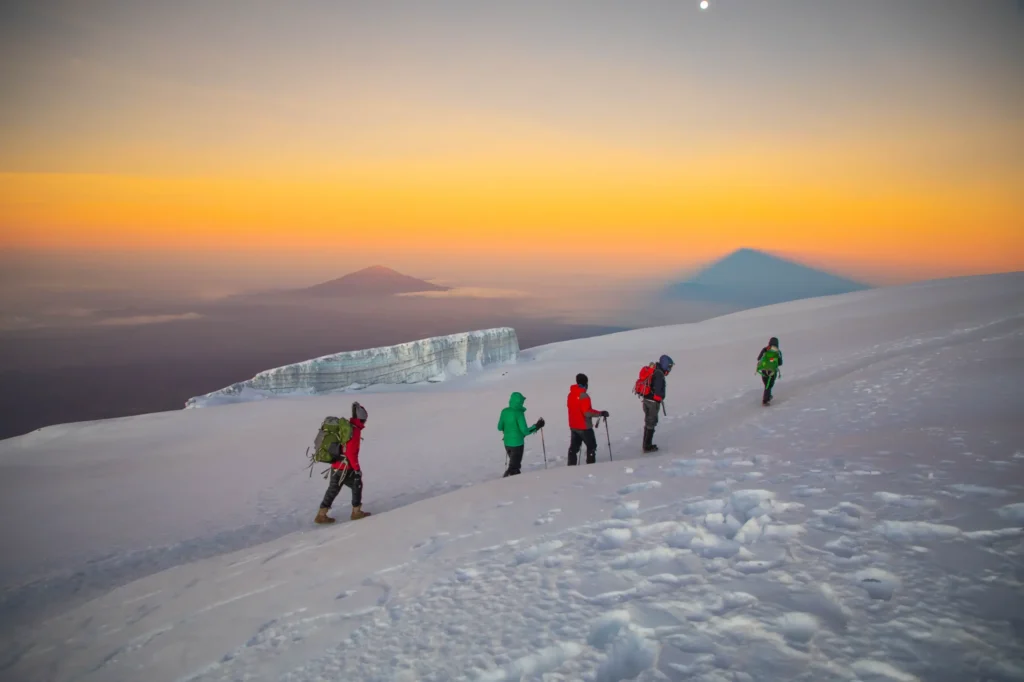
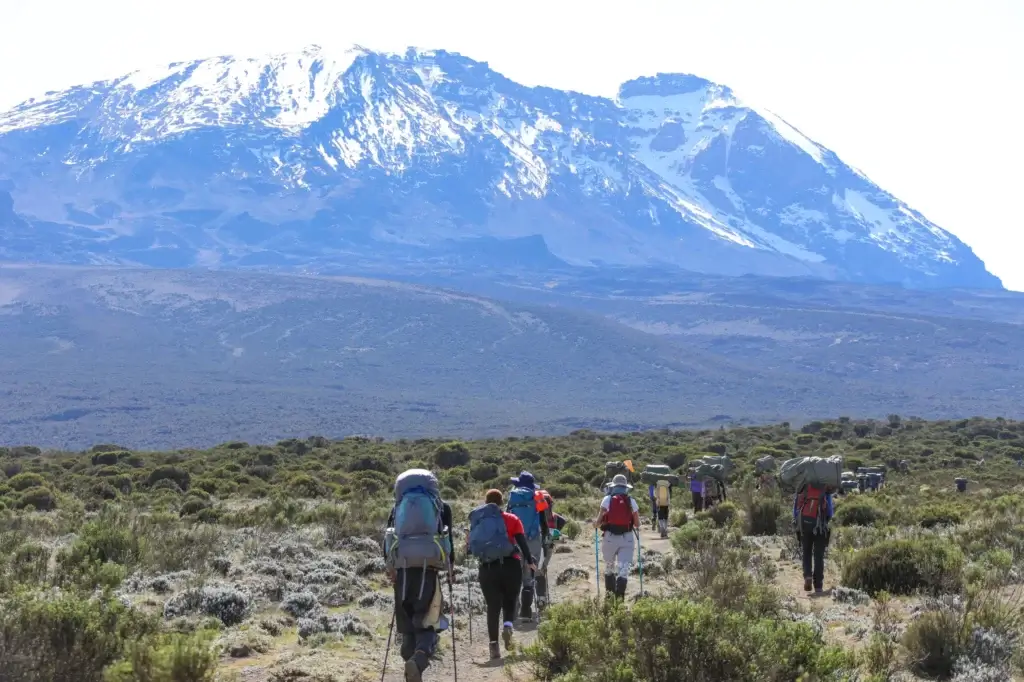
Hikers trekking up Mount Kilimanjaro with porters carrying gear, showing the full mountain crew required for climbing
from $4,440 to $6,720 Per Person

14-Day Lemosho Route Kilimanjaro Climb and Luxury Tanzania Safari

You Visit: Ngorongoro Crater, Serengeti National Park, Tarangire National Park +1 more
View Tour Details
Hikers trekking up Mount Kilimanjaro with porters carrying gear, showing the full mountain crew required for climbing
from $4,440 to $6,720 Per Person

12 Day Machame Route Kilimanjaro Climb and Safari Package

You Visit: Ngorongoro Crater, Serengeti National Park, Tarangire National Park +1 more
View Tour Details
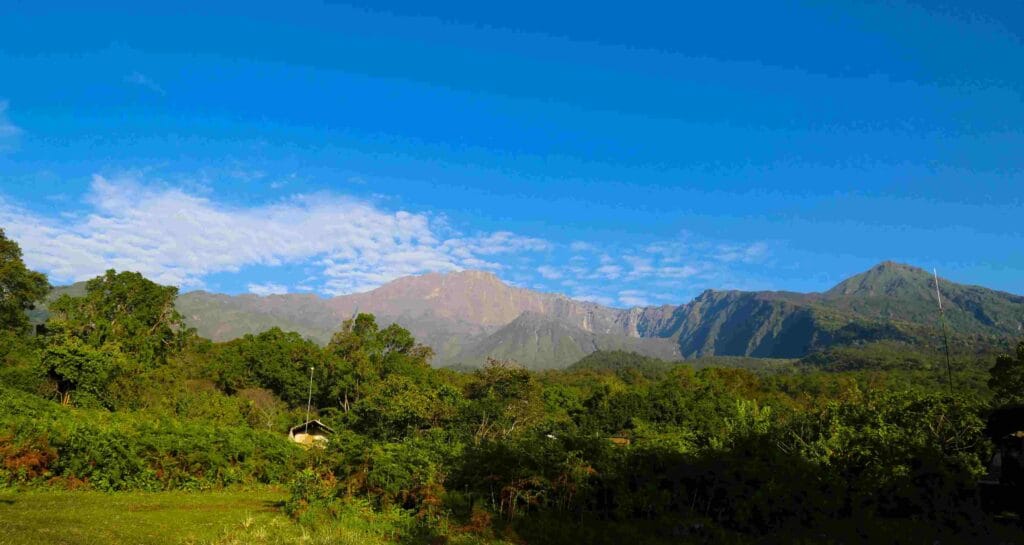
4-Day Mount Meru Climb Tanzania
from $999 to $1,225 Per Person

4-Day Mount Meru Climb Tanzania | Best Meru Trekking Package | Kilimanjaro Acclimatization

You Visit: Arusha National Park, Mount Meru
View Tour Details
4-day Mount Meru climb
from $769 to $898 Per Person

3-Day Mount Meru Climb Tanzania | Affordable Meru Trekking Tour

You Visit: Arusha National Park, Mount Meru
View Tour Details
: Mount Meru day hike from Arusha, trekking Mount Meru Arusha National Park, guided day hike Mount Meru Tanzania, Mount Meru Kilimanjaro acclimatization hike
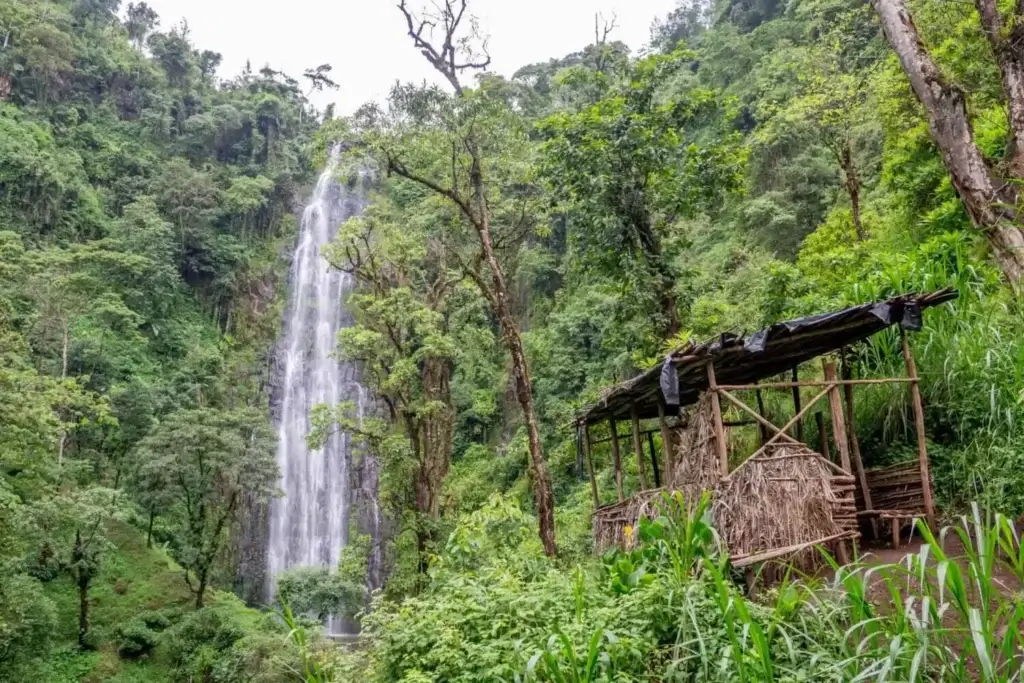
Materuni waterfall and coffee tour day trip from Arusha
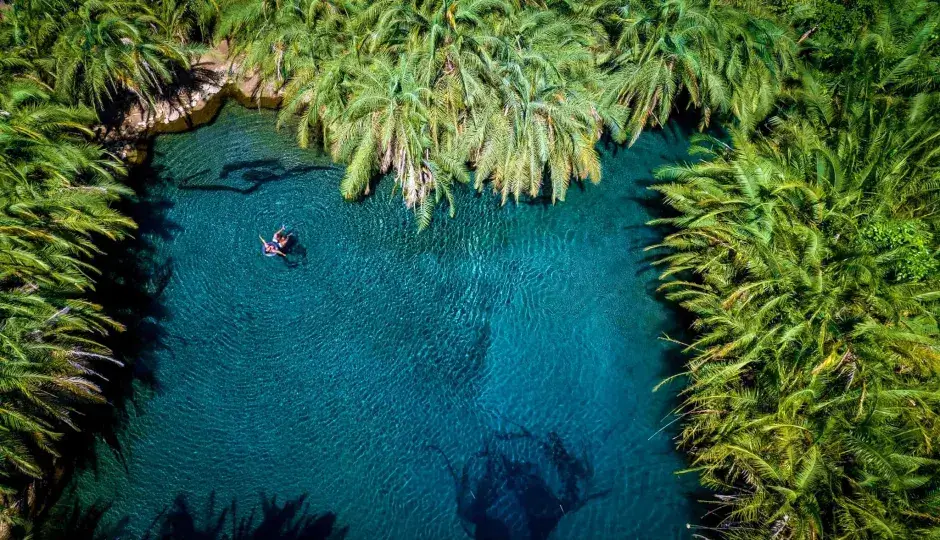
Chemka Hot Springs & Coffee Tour Day Trip from Arusha | Kikuletwa Natural Pool Experience
from $100 to $150 Per Person

Chemka Hot Springs & Coffee Tour Day Trip from Arusha | Kikuletwa Natural Pool Experience

You Visit: Chemka/Kikuletwa Hot Springs
View Tour Details
Tanzania safari costs
from $3,680 to $5,040 Per Person

9-Day Ultimate Tanzania Safari & Zanzibar Beach Holiday Combo

You Visit: Ngorongoro Crater, Serengeti National Park, Tarangire National Park +1 more
View Tour Details
10-Day Ultimate Tanzania Safari & Zanzibar Beach Holiday
from $3,700 to $5,600 Per Person

10-Day Ultimate Tanzania Safari & Zanzibar Beach Holiday

You Visit: Ngorongoro Crater, Serengeti National Park, Tarangire National Park +1 more
View Tour Details
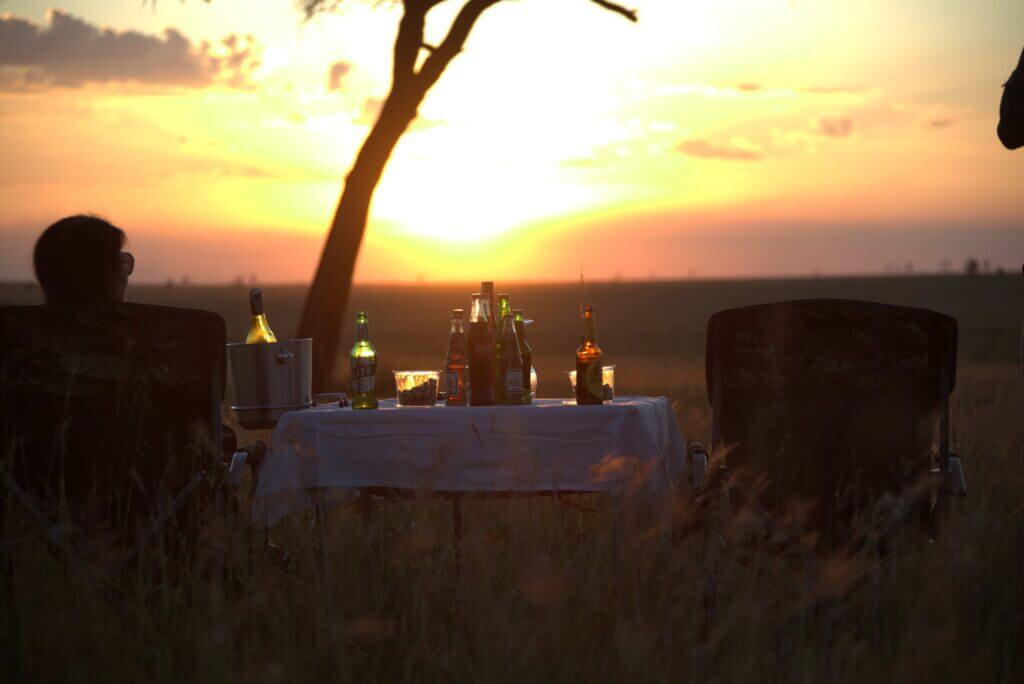
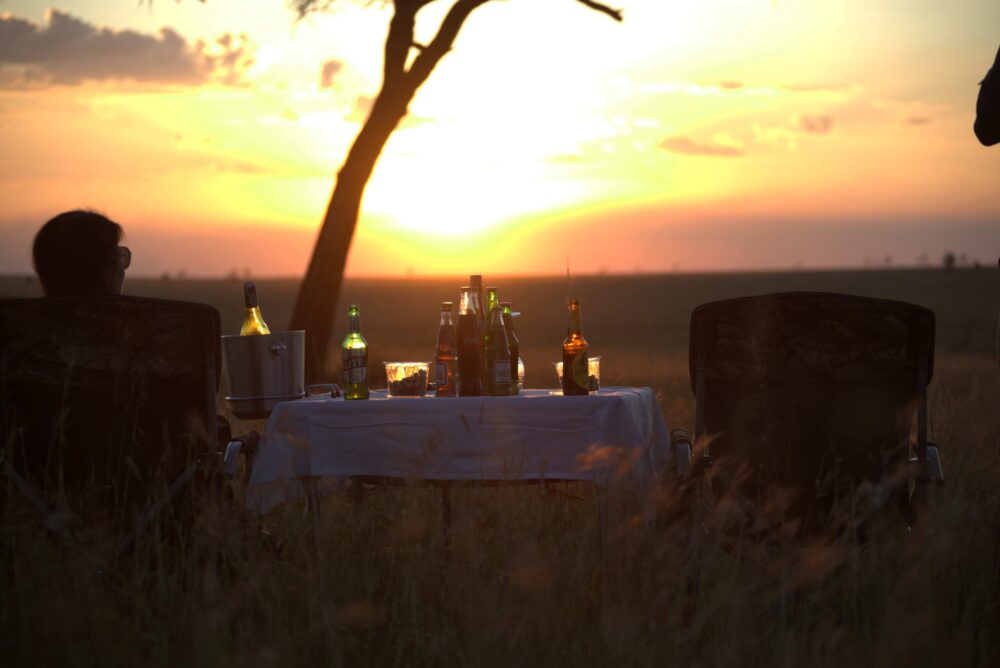
Luxury Tanzania safari honeymoon couple enjoying private bush dinner in Serengeti National Park
from $4,440 to $6,720 Per Person

12-Day Ultimate Tanzania Safari & Zanzibar Beach Holiday

You Visit: Ngorongoro Crater, Serengeti National Park, Tarangire National Park +1 more
View Tour Details
13-Day Safari + Zanzibar Holiday Combination
from $4,888 to $7,215 Per Person

13-Day Tanzania Safari + Zanzibar Beach Holiday Combination

You Visit: Ngorongoro Crater, Serengeti National Park, Tarangire National Park +1 more
View Tour Details
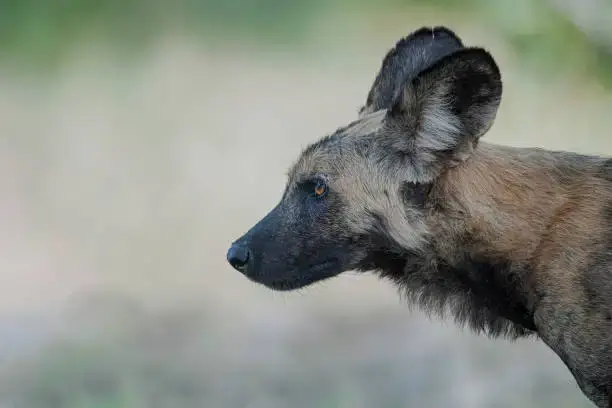
An African Jackal on a 7-Day Selous and Ruaha Fly-in Safari
from $3,780 to $6,225 Per Person

7-Day Selous and Ruaha Fly-in Safari

You Visit: Nyerere National Park, Ruaha National Park
View Tour Details
6-Day Mikumi, Ruaha and Udzungwa Mountains by Train
from $1,280 to $1,862 Per Person

6-Day Safari to Ruaha, Mikumi and Udzungwa Mountains by Train

You Visit: Mikumi National Park, Ruaha National Park, Udzungwa Mountains National Park
View Tour Details
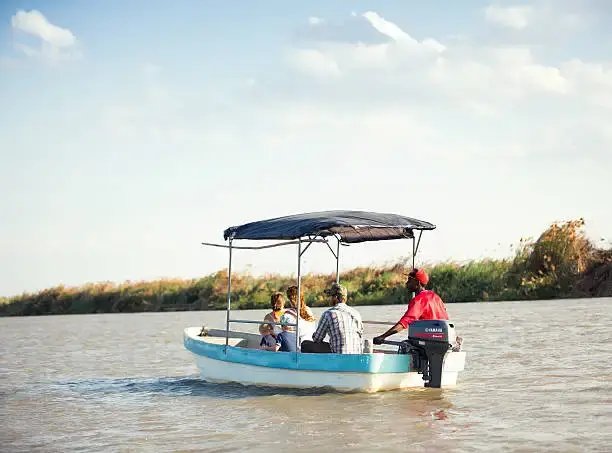
People in a boat at Rufik River on a 4-day safari to Nyerere National Park
from $980 to $1,100 Per Person

4-Day Safari to Nyerere and Mikumi National Park

You Visit: Mikumi National Park, Nyerere National Park
View Tour Details
3-Day Safari to Mikumi National Park from Dar es Salaam
from $545 to $655 Per Person

3-Day Safari to Mikumi National Park from Dar es Salaam

You Visit: Mikumi National Park
View Tour Details
2-Day Safari, Tarangire and Manyara National Park
from $790 to $1,725 Per Person

2-Day Safari, Tarangire and Manyara National Park

You Visit: Lake Manyara National Park, Tarangire National Park
View Tour Details
3-day Mount Meru climb
from $940 to $2,220 Per Person

2-Day Safari, Ngorongoro and Arusha National Park

You Visit: Arusha National Park, Ngorongoro Crater
View Tour Details
2-Day Safari, Ngorongoro and Tarangire National Park
from $900 to $2,181 Per Person

2-Day Safari, Ngorongoro and Tarangire

You Visit: Ngorongoro Crater, Tarangire National Park
View Tour Details
2-Day Safari, Ngorongoro and Lake National Park
from $900 to $2,181 Per Person

2-Day Safari, Ngorongoro Crater and Lake Manyara National Park

You Visit: Lake Manyara National Park, Ngorongoro Crater
View Tour Details
Wildebeest crossing the Mara River during the Great Migration, Northern Serengeti, Tanzania
from $3,440 to $4,440 Per Person

8-Day Great Wildebeest Migration Safari: Witness the Mara River Crossing

You Visit: Ngorongoro Crater, Serengeti National Park, Tarangire National Park
View Tour Details
5-Day Ndutu Southern Serengeti Migration Safari: Calving Season (Dec–Apr)
from $2,300 to $2,775 Per Person

5-Day Ndutu Southern Serengeti Migration Safari: Calving Season (Dec–Apr)

You Visit: Ngorongoro Crater, Serengeti National Park
View Tour Details
Explore Tanzania on a 6-day safari to Serengeti, Lake Eyasi, and Lake Natron with a traditional Maasai village visit.
from $2,580 to $2,700 Per Person

6-Day Safari Serengeti, Lake Eyasi, Natron and Maasai Village Visit

You Visit: Lake Eyasi, Lake Natron, Serengeti National Park
View Tour Details
3-Day Serengeti and Ngorongoro Luxury Safari
from $1,400 to $1,800 Per Person

3-Day Luxury Safari, Serengeti and Ngorongoro

You Visit: Ngorongoro Crater, Serengeti National Park
View Tour Details
4-Day Ultimate Tanzania Safari – Serengeti & Ngorongoro
from $1,960 to $2,220 Per Person

4-Day Ultimate Tanzania Safari – Serengeti and Ngorongoro

You Visit: Ngorongoro Crater, Serengeti National Park
View Tour Details
Hot air balloon safari Serengeti
from $2,810 to $3,830 Per Person

6-Day Serengeti Hot Air Balloon Safari with Bush Breakfast

You Visit: Ngorongoro Crater, Serengeti National Park, Tarangire National Park
View Tour Details
Trekkers ascending through dense rainforest near Umbwe Gate on Day 4 of the climb
from $1,448 to $2,044 Per Person

6-Day Kilimanjaro Climb – Umbwe Route

Route: Umbwe Route • 6 days
View Package Details
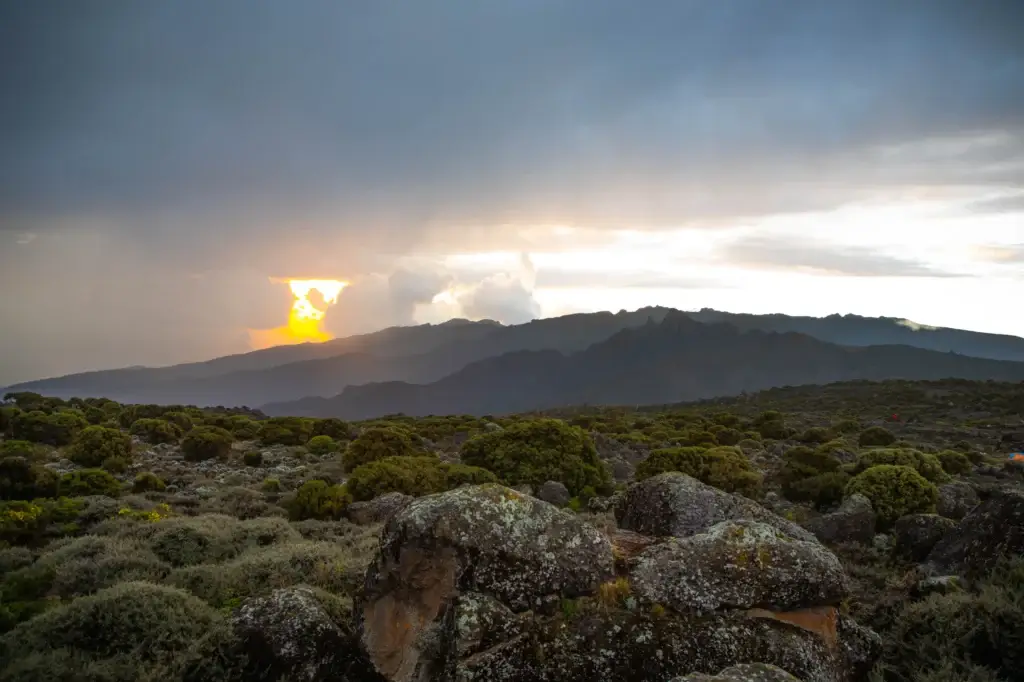
Golden sunset over Kikelewa Camp with mountain silhouettes in the background
from $1,448 to $2,043 Per Person

6-Day Kilimanjaro Climb – Rongai Route

Route: Rongai Route • 6 days
View Package Details
rekkers climbing toward Mawenzi Tarn with Mawenzi Peak in view
from $1,671 to $2,305 Per Person

7-Day Kilimanjaro Climb – Rongai Route

Route: Rongai Route • 7 days
View Package Details
Climbers trekking toward Kibo Hut on 5--Day Kilimanjaro Climb Marangu Route
from $1,220 to $1,592 Per Person

5-Day Kilimanjaro Climb – Marangu Route

Route: Marangu Route (Coca-Cola Route) • 5 days
View Package Details
Clear view of Mawenzi Peak from the Marangu Route near Horombo Camp
from $1,410 to $1,836 Per Person

6-Day Kilimanjaro Climb – Marangu Route

Route: Marangu Route (Coca-Cola Route) • 6 days
View Package Details
8-Day Kilimanjaro Climb, Lemosho Route. Sunrise at Stella Point
from $1,890 to $2,620 Per Person

8-Day Kilimanjaro Climb – Lemosho Route

Route: Lemosho Route • 8 days
View Package Details
6 day Kilimanjaro climb Machame route approaching Uhuru Peak
from $2,045 to $2,468 Per Person

6 Day Kilimanjaro Climb Machame Route 2026 From $2,045 PP

Route: Machame Route (Whiskey Route) • 6 days
View Package Details
7 Day Kilimanjaro climb Machame route
from $1,670 to $2,298 Per Person

7 Day Kilimanjaro climb Machame route

Route: Machame Route (Whiskey Route) • 7 days
View Package Details
5-Day Tanzania Honeymoon Safari , High-End Luxury safari
from $3,000 to $40,000 Per Person

5-Day Tanzania Honeymoon Safari – Luxury Experience

You Visit: Ngorongoro Crater, Serengeti National Park, Tarangire National Park
View Tour Details
Uhuru Peak summit view on 7-Day Kilimanjaro climb
from $1,672 to $2,307 Per Person

7-Day Kilimanjaro Climb – Lemosho Route

Route: Lemosho Route • 7 days
View Package Details
Tanzania family safari
from $2,940 to $3,500 Per Person

7-Day Unforgettable Tanzania Family Safari

You Visit: Arusha National Park, Ngorongoro Crater, Serengeti National Park +1 more
View Tour Details
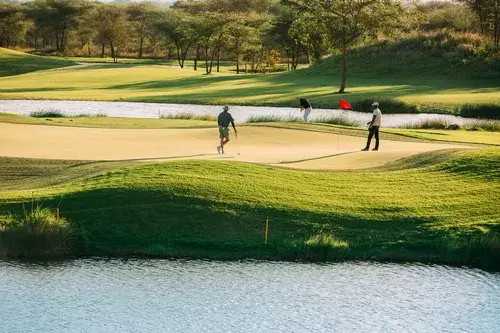
7-Day Golf and Wildlife Safari Tanzania
from $3,885 to $4,702 Per Person

7-Day Exclusive Golf, Balloon Safari and Wildlife Safari

You Visit: Kilimanjaro Golf & Wildlife Estate, Serengeti National Park, Tarangire National Park
View Tour Details
Tanzania travel guide
from $2,150 to $2,750 Per Person

5-Day Ultimate Tanzania Safari, Serengeti and Ngorongoro

You Visit: Lake Manyara National Park, Ngorongoro Crater, Serengeti National Park +1 more
View Tour Details
Great Wildebeest migration crossing the Mara River during the Great Migration, Northern Serengeti, Tanzania.
from $2,940 to $3,500 Per Person

7-Day Great Wildebeest Migration Safari – Serengeti & Mara River crossings

You Visit: Ngorongoro Crater, Serengeti National Park, Tarangire National Park
View Tour Details

Tanzania Safari Tours: Your Gateway to Africa's Greatest Wildlife Adventure

Welcome to Exceptional Travel Expert, your trusted local Tanzania safari operator based in Arusha. Since [year], we’ve been creating unforgettable wildlife experiences for travelers from around the world who dream of witnessing Africa’s magnificent animals in their natural habitat. Our Tanzania safari tours take you deep into the heart of East Africa’s most spectacular national parks, where lions roar at dawn, elephants march across golden savannahs, and the Great Wildebeest Migration unfolds before your eyes.

Whether you’re planning your first African safari, seeking a romantic honeymoon getaway, organizing a family adventure, or looking for a luxury wildlife experience, our expertly crafted Tanzania safari packages deliver the perfect blend of adventure, comfort, and authentic African hospitality. Every safari is personally designed by our local experts who know Tanzania’s national parks intimately and understand exactly where and when to find the best wildlife viewing opportunities.

Why Choose Tanzania for Your Safari Adventure?

Tanzania stands as one of Africa’s premier safari destinations, offering unmatched wildlife diversity, breathtaking landscapes, and authentic bush experiences that create memories lasting a lifetime. Here’s what makes Tanzania safari tours exceptional:

Tanzania Safari Cards
Wildlife Density

Unrivaled Wildlife Density

Tanzania hosts over 4 million wild animals roaming freely across 22 national parks and numerous game reserves, representing approximately 38% of the country's total land area. This concentration creates some of the highest wildlife densities per square kilometer anywhere in Africa, virtually guaranteeing incredible animal sightings on every game drive.

Big Five

Home to the Big Five

Tanzania is one of the few African destinations where you can see all of Africa's Big Five animals - lion, leopard, elephant, buffalo, and rhino - in their natural habitat. The Serengeti National Park and Ngorongoro Crater are particularly renowned for offering opportunities to spot all five iconic species during a single safari.
Wildebeest Migration

The Great Wildebeest Migration

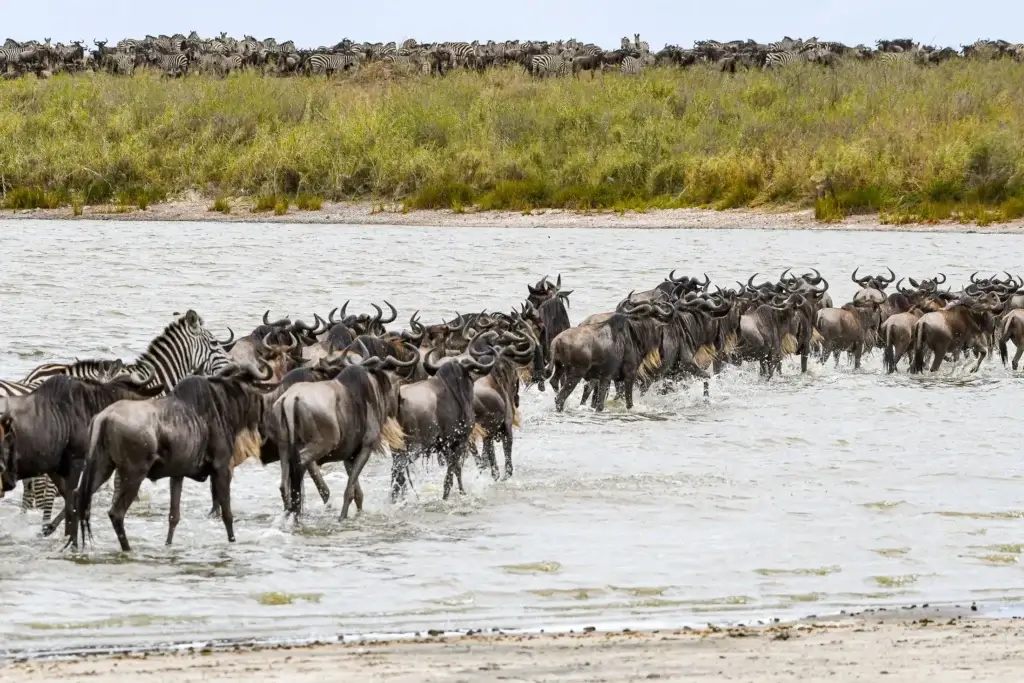
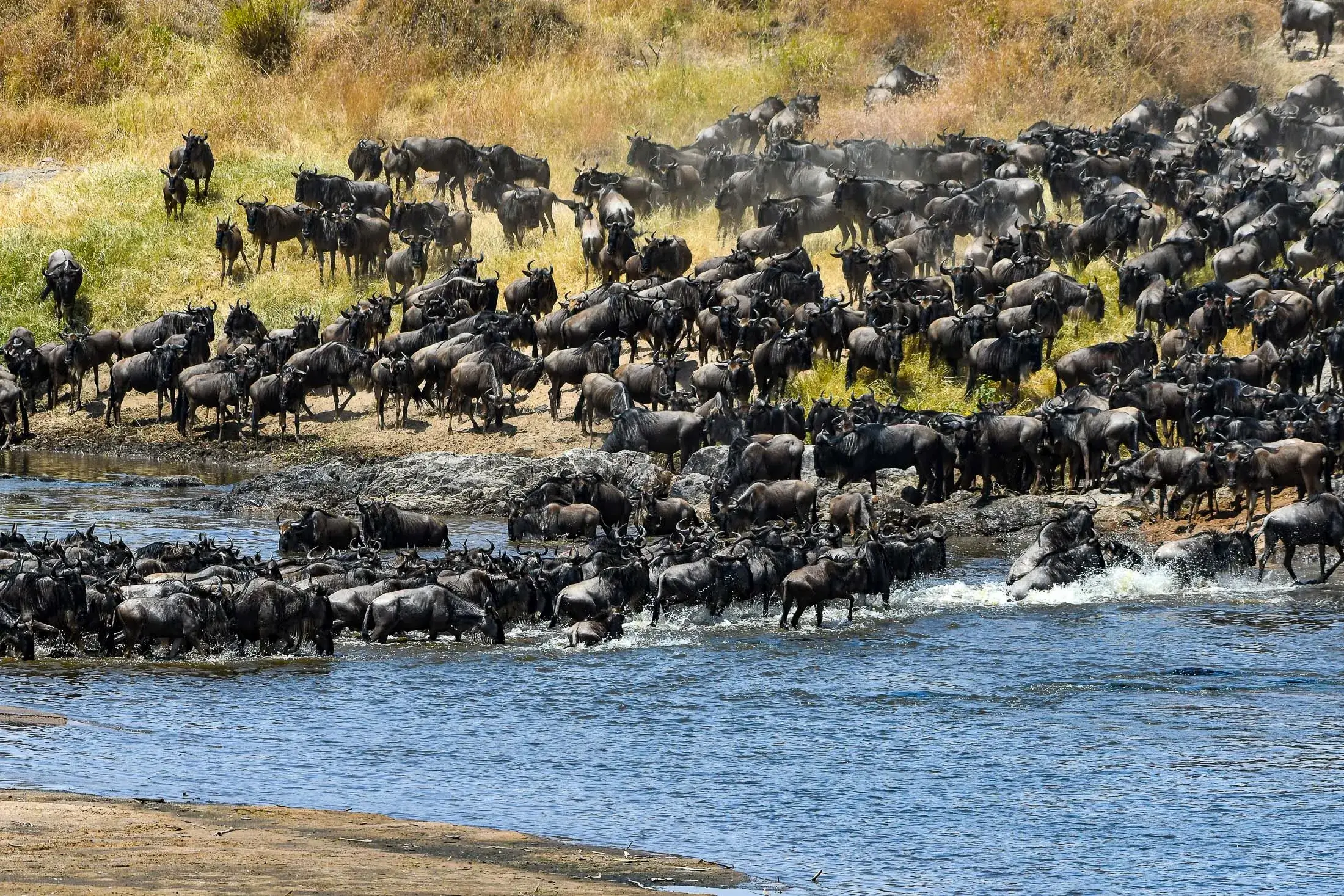
Witness nature's greatest spectacle as over 2 million wildebeest, 500,000 zebras, and countless other animals undertake their annual circular migration through the Serengeti ecosystem. This dramatic journey includes heart-stopping Mara River crossings where crocodiles lie in wait, creating unforgettable wildlife drama that National Geographic has called "The Greatest Show on Earth."
Safari Circuits

Diverse Safari Circuits

Unlike many African safari destinations, Tanzania offers three distinct safari circuits - Northern, Southern, and Western - each with unique landscapes, wildlife populations, and experiences. The famous Northern Circuit includes Serengeti, Ngorongoro, Tarangire, and Lake Manyara. The remote Southern Circuit features Ruaha, Nyerere (formerly Selous), and Mikumi. The wild Western Circuit showcases Katavi, Mahale, and Gombe.

Year-Round Safari

Year-Round Safari Destination

Tanzania's equatorial location and diverse ecosystems make it an exceptional safari destination throughout the year. While the dry season (June-October) offers peak wildlife viewing, the wet season (November-May) brings its own rewards including baby animals, migrant birds, lush landscapes, and lower prices.
National Parks

World-Class National Parks

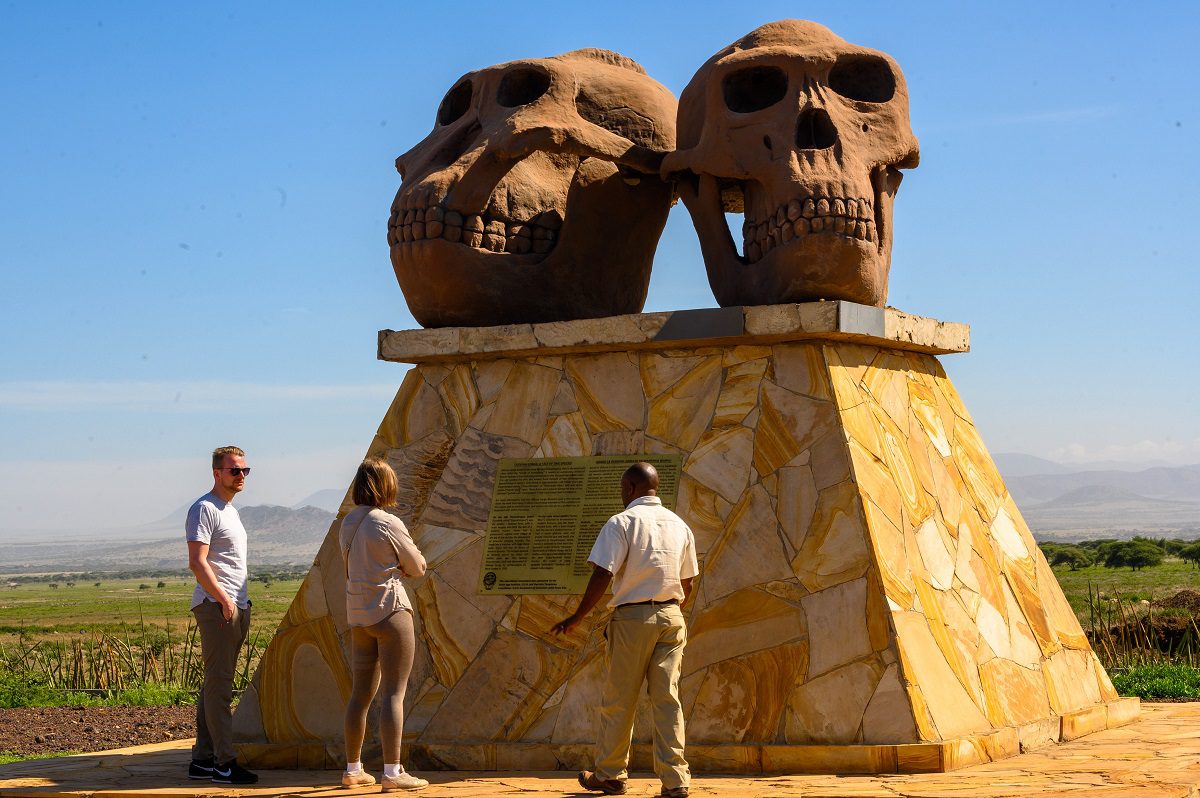
From the endless plains of the Serengeti to the world's largest intact volcanic caldera at Ngorongoro, from the elephant paradise of Tarangire to the flamingo-covered shores of Lake Manyara, Tanzania's national parks offer stunning diversity. Each park has its own character, wildlife specialties, and scenic beauty.
Cultural Experiences

Authentic Cultural Experiences

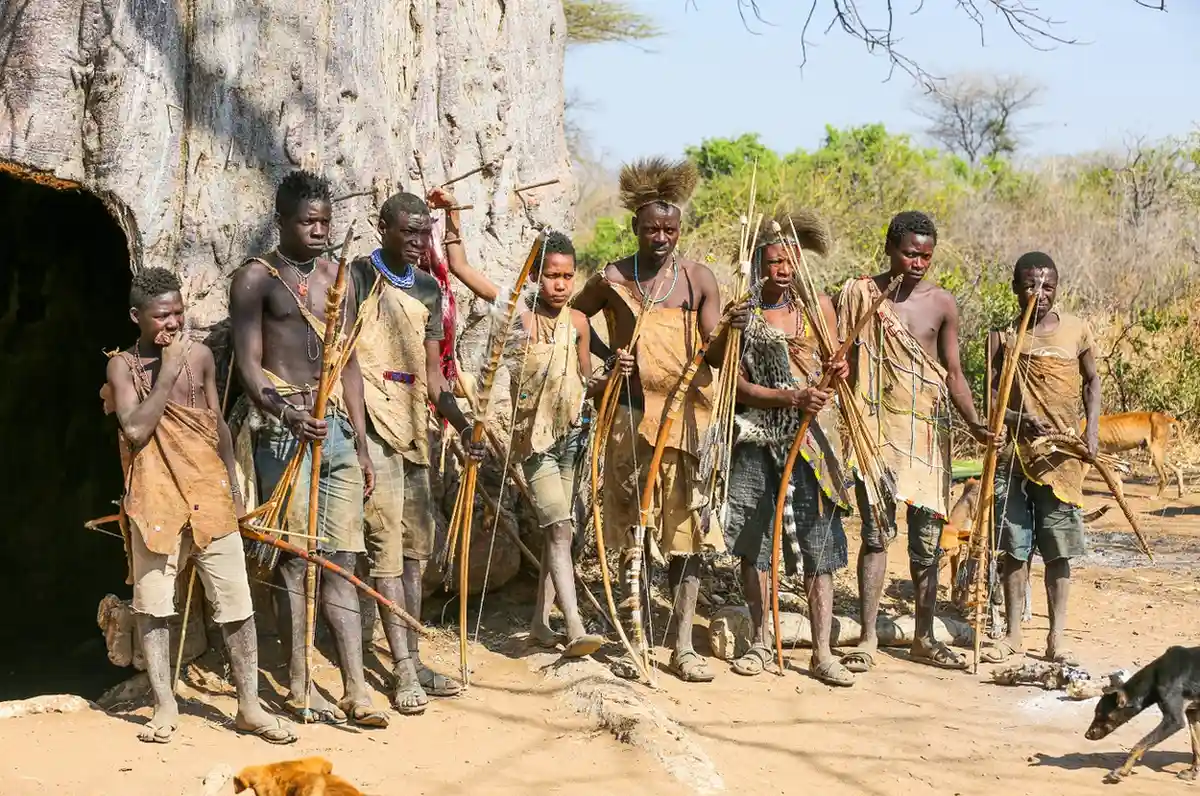
Beyond wildlife, Tanzania safari tours offer opportunities to meet the Maasai people, visit Hadzabe hunter-gatherers, explore local villages, and experience authentic African cultures that have coexisted with wildlife for thousands of years.
Combination Trips

Combine Zanzibar + Tanzania

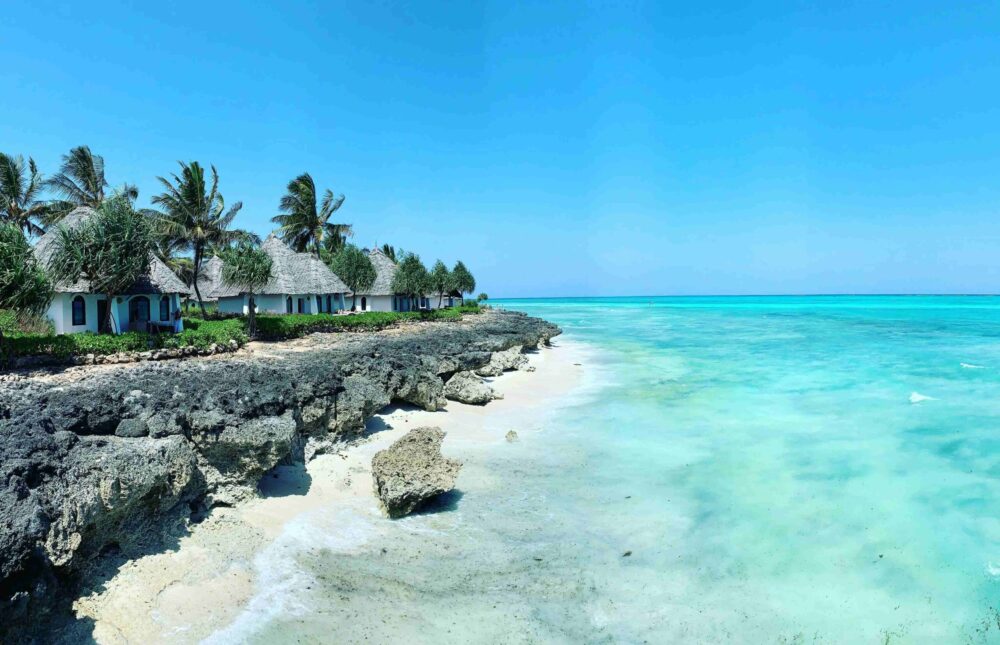
Tanzania's location makes it perfect for combination trips. Add a beach holiday in Zanzibar, climb Africa's highest peak Mount Kilimanjaro, or extend to Kenya's Maasai Mara - all easily accessible from Tanzania's northern safari circuit.

Award-Winning Destination

Award-Winning Safari Destination

Tanzania is an award-winning safari destination, consistently recognized by prestigious travel organizations and publications worldwide. The country has earned numerous accolades including World Travel Awards for Africa's Leading Safari Destination, making it the top choice for discerning travelers seeking authentic and world-class safari experiences in Africa.
Tanzania Safari Cost 2025: Complete Pricing Guide

Understanding Tanzania safari costs helps you plan the perfect adventure within your budget. Prices vary based on accommodation level, itinerary length, season, group size, and included activities. Here’s our transparent breakdown of what to expect:

Safari Pricing
Budget

Budget Tanzania Safari Tours

$200-$350 per person per day

Best For: Budget-conscious travelers, students, backpackers, adventure seekers, and those seeking authentic bush camping experiences.

What's Included

  • Basic camping accommodations inside or near national parks
  • Mobile tented camps with shared bathroom facilities
  • Three meals daily (breakfast, packed lunch, dinner)
  • All park entrance fees and conservation fees
  • 4x4 safari vehicle with pop-up roof
  • Professional English-speaking safari guide
  • Game drives as per itinerary
  • Bottled water during game drives
  • Government taxes

Popular Budget Safari Packages:

  • 2-Day Northern Circuit Express: $600-$750 totalView Tour
  • 5-Day Classic Tanzania Safari: $1,000-$1,500 totalView Tour
  • 7-Day Great Migration Safari: $1,400-$2,100 totalView Tour
Most Popular

Mid-Range Tanzania Safari Tours

$350-$600 per person per day

Best For: First-time safari visitors, couples, small groups, families with children, and travelers seeking comfortable mid-range accommodation without extreme luxury pricing.

What's Included:

  • Comfortable lodges or permanent tented camps
  • Private en-suite bathrooms with hot showers
  • Three full meals daily with better food quality
  • All park fees and conservation fees
  • Private 4x4 safari Land Cruiser
  • Expert safari guide with extensive wildlife knowledge
  • Unlimited game drives during safari
  • Complimentary Wi-Fi at most lodges
  • Airport transfers included
  • Bottled water and soft drinks in vehicle

Popular Mid-Range Safari Packages:

  • 4-Day Serengeti & Ngorongoro: $1,400-$2,400 totalView Tour
  • 6-Day Northern Circuit Complete: $2,100-$3,200 totalView Tour
  • 8-Day Migration & Beach Combo: $2,800-$4,500 totalView Tour
Premium

Luxury Tanzania Safari Tours

$600-$1,500+ per person per day

Best For: Honeymooners, luxury travelers, special celebrations, photographers requiring premium locations and timing, and guests seeking ultimate comfort and exclusivity.

What's Included:

  • Exclusive luxury lodges or high-end tented camps
  • Spacious suites with premium amenities
  • Gourmet meals prepared by professional chefs
  • Premium wines and spirits included
  • Private safari vehicle and personal guide
  • Hot air balloon safaris available
  • Bush dinners and sundowner experiences
  • Spa treatments at luxury lodges
  • Laundry service included
  • Premium brand toiletries
  • Flexible, personalized itineraries

Popular Luxury Safari Packages:

  • 5-Day Luxury Migration Safari: $3,500-$6,000 totalView Tour
  • 7-Day Ultimate Serengeti Experience: $5,000-$9,000 totalView Tour
  • 10-Day Luxury Northern Circuit: $7,000-$14,000+ totalView Tour

What Affects Tanzania Safari Costs?

Season (High vs Low Season) Peak season (June-October & December-February) sees prices 20-50% higher than low season (March-May & November). Accommodation drives most seasonal pricing variations.

Park Entrance Fees Tanzania National Park fees represent 25-35% of total safari costs: Serengeti: $84 per adult per day, Ngorongoro Crater: $71 per adult per visit, Tarangire: $53 per adult per day, Lake Manyara: $53 per adult per day. Children aged 5-15: 50% discount, and children under 5: free entry to the national parks.

Group Size Private safaris (1-2 people): Highest per-person cost; small groups (3-4 people): 15-25% savings per person Group joining safaris: 30-40% savings per person.

Safari Duration Longer safaris offer better per-day value as fixed costs (vehicle, guide, permits) spread across more days. A 7-day safari typically offers 15-20% better daily rates than a 3-day safari.

Included Activities Hot air balloon safaris ($559-$600), walking safaris, night game drives, cultural visits, and fly-in options add to base costs but provide unique experiences worth considering. Learn more through this article. It might be helpful.

Safari Comparison

Tanzania Safari vs Other African Destinations

DestinationDaily Budget RangeWildlife DensityMigration Access
Tanzania$200-$1,500+Excellent
East Africa has some of the highest wildlife densities in the world (Waithaka, 2023)
Yes (Serengeti)
Kenya$250-$1,400+Excellent
East Africa has some of the highest wildlife densities in the world (Waithaka, 2023)
Yes (Maasai Mara)
Botswana$400-$2,000+Good
Low-density tourism model with exclusive concessions
No
Okavango Delta wetlands
South Africa$150-$1,200+Good
Strong Big Five presence in multiple reserves
No
Garden Route, Wine Country
Namibia$200-$1,000Fair
Desert-adapted wildlife in vast landscapes
No
Sossusvlei dunes, Skeleton Coast

Tanzania offers exceptional value, combining world-class wildlife viewing with diverse landscapes at competitive prices compared to other premier African safari destinations.

Best Time to Visit Tanzania for Safari: Month-by-Month Guide

Choosing when to visit Tanzania significantly impacts your safari experience, from wildlife viewing opportunities to weather conditions and pricing. Here’s our comprehensive monthly breakdown to help you plan the perfect Tanzania safari adventure.

Peak Season: June - October (Dry Season)

June (Early Peak Season)

June marks the beginning of Tanzania’s peak safari season, offering cool and dry weather with pleasant temperatures ranging from 15-27°C (59-81°F). This is when the landscape begins to dry out, making wildlife viewing progressively better as animals concentrate around permanent water sources. The Great Migration herds are typically moving toward the Western Corridor during this month, creating spectacular viewing opportunities along their journey.

Crowds are moderate in June, increasing toward the month end as word spreads about excellent game viewing conditions. High season rates begin to apply, but you’ll find the parks less crowded than July and August. This makes June an excellent choice for first-time safari visitors and families who want quality wildlife viewing without the extreme crowds of peak months. Zanzibar enjoys perfect beach weather during June, making it ideal for safari and beach combinations.

July (High Season)

July delivers some of the year’s best wildlife viewing conditions across Tanzania’s northern parks. With cool mornings and evenings dropping to 13°C (55°F) and warm days reaching 26°C (79°F), you’ll need to pack warm layers for early morning game drives. This is when the Great Migration reaches the Northern Serengeti, and the dramatic Mara River crossings begin to unfold. Witnessing thousands of wildebeest and zebras plunging into crocodile-infested waters ranks among nature’s most spectacular events.

The parks become busy during July as travelers worldwide time their visits for migration viewing. Peak season pricing applies across accommodations and safari packages, so booking well in advance becomes essential. Despite the crowds, July remains outstanding for big cat sightings, and the dry conditions make animals easier to spot against the golden savannah. Zanzibar maintains excellent beach conditions, and Mount Kilimanjaro climbing conditions are clear, though cold at the summit.

August (Peak Season)

August represents Tanzania’s coolest and busiest safari month. Temperatures range from 13-26°C (55-79°F), with chilly mornings requiring warm jackets and fleeces. Wildlife viewing reaches exceptional levels as the dry conditions concentrate animals around shrinking water sources. The Great Migration’s Mara River crossings peak during August, creating the year’s most dramatic wildlife spectacles as massive herds attempt dangerous crossings while Nile crocodiles lie in wait.

This is Tanzania’s busiest tourism month, requiring bookings 6-12 months in advance, especially for premium lodges and camps in prime migration viewing areas. Prices reach their annual peak, but the guaranteed spectacular wildlife viewing justifies the premium. August is ideal for luxury safari experiences, guaranteed migration viewing, and photographers seeking iconic African images. The combination of excellent wildlife viewing, clear skies, and dry conditions makes August perfect for those seeking the ultimate Tanzania safari experience despite higher costs and crowds.

September (Peak Season)

September brings warming temperatures ranging from 15-28°C (59-82°F) while maintaining the excellent dry season wildlife viewing conditions. The Great Migration herds remain in the Northern Serengeti and Kenya’s Maasai Mara, though they begin moving back toward Tanzania as the month progresses. Wildlife concentrations around water sources remain outstanding, and the dry landscape makes spotting animals easier across all northern circuit parks.

Crowds decrease slightly compared to August, though September remains busy and requires advance booking. Peak season pricing continues, but some operators offer early booking discounts as they begin filling October and November availability. September provides an excellent balance of exceptional weather, outstanding wildlife viewing, and slightly fewer tourists than August. Zanzibar enjoys perfect conditions, and this month works wonderfully for combining safari with beach relaxation or cultural experiences.

October (Shoulder Season)

October transitions Tanzania from peak dry season toward the short rains, with hot and dry conditions prevailing through most of the month. Temperatures rise to 17-30°C (63-86°F), and short rains may begin in the final week. The Great Migration herds move back into Tanzania from Kenya’s Maasai Mara, creating excellent viewing opportunities in the Northern Serengeti. Wildlife viewing remains excellent as animals continue gathering at water sources despite the approaching rains.

Tourist crowds decrease significantly during October, creating a more exclusive safari experience. Shoulder season discounts of 15-30% make October attractive for value-conscious travelers who want excellent wildlife viewing at lower prices. This month offers the perfect opportunity to avoid crowds while maintaining spectacular game viewing conditions. The Mahale Mountains in western Tanzania offer their best chimpanzee viewing during October, and the warming temperatures make it comfortable for extended game drives.

Wet Season: November - May (Green Season)

November (Shoulder Season)

November brings Tanzania’s short rains, characterized by afternoon thunderstorms that typically last 1-2 hours before clearing to beautiful evenings. Temperatures range from 18-28°C (64-82°F) with increasing humidity. The Great Migration herds settle in the southern Serengeti, beginning their journey toward the calving grounds. While vegetation thickens slightly, the northern parks maintain good wildlife viewing year-round thanks to resident populations.

This is Tanzania’s quietest tourism month, offering extreme solitude for travelers who don’t mind occasional rain showers. Low season discounts of 20-40% make November extremely attractive for budget-conscious safari enthusiasts. The dramatic skies create spectacular photography opportunities, and migratory birds arrive from Europe and Asia, delighting birdwatching enthusiasts. November works well for photographers who appreciate dramatic storm clouds, adventurous travelers seeking exclusive experiences, and anyone wanting excellent value without compromising too much on wildlife viewing.

December (Mini Peak Season)

December experiences variable weather as the short rains end, leaving landscapes lush and green. Humid conditions prevail with temperatures from 20-30°C (68-86°F). The Great Migration herds gather in the southern Serengeti, preparing for the calving season. Wildlife viewing ranges from good to excellent, with the northern parks maintaining consistent quality year-round. Over 500 migratory bird species create exceptional birdwatching opportunities throughout Tanzania.

The Christmas and New Year period (December 20-January 5) sees a mini peak season with busy parks and high pricing during this specific window. However, early and mid-December offer moderate pricing and quieter conditions. This month appeals to families on holiday breaks who want to combine festive celebrations with safari adventures. December provides excellent opportunities for witnessing early-season migration dynamics as massive herds gather in preparation for calving, and the green landscapes create beautiful photographic backdrops.

January (Dry Season)

January delivers some of Tanzania’s most spectacular wildlife experiences with hot, dry, and clear conditions. Temperatures range from 20-32°C (68-90°F), creating perfect safari weather. This is when the Great Migration’s calving season begins in the southern Serengeti’s Ndutu Plains, with approximately 8,000 wildebeest calves born daily throughout January and February. This concentration of vulnerable young attracts massive predator populations, creating intense hunting action and unforgettable wildlife drama.

Crowds remain moderate during January, and shoulder season pricing provides good value despite being one of the year’s best wildlife months. The calving season offers unique photography opportunities impossible to find elsewhere, with newborn wildebeest taking their first steps while predators circle nearby. January is ideal for witnessing the circle of life, experiencing predator-prey dynamics, and capturing once-in-a-lifetime images. Zanzibar enjoys perfect beach weather, making January excellent for safari and beach combinations. February equally delivers spectacular calving season viewing.

February (Calving Season Peak)

February represents the peak of the Great Migration calving season, with the southern Serengeti’s Ndutu Plains hosting hundreds of thousands of wildebeest with their newborn calves. Hot weather continues with temperatures from 20-32°C (68-90°F) and occasional brief afternoon showers. The massive concentration of vulnerable young attracts lions, leopards, cheetahs, and hyenas in extraordinary numbers, creating some of the year’s most dramatic predator action as they feast on the abundance.

This month offers outstanding value with moderate crowds and good pricing despite exceptional wildlife viewing. The calving season provides educational opportunities to understand migration dynamics and witness nature’s survival strategies firsthand. February works perfectly for wildlife photographers seeking baby animals and predator action, families wanting to teach children about nature, and anyone interested in migration biology beyond just river crossings. Mount Kilimanjaro climbing conditions are excellent during February, allowing for safari and summit combinations.

March (Long Rains Begin)

March marks the beginning of Tanzania’s long rainy season, with heavy rains starting mid-month and continuing through May. Temperatures range from 20-30°C (68-86°F) with high humidity. The Great Migration herds begin moving north from the southern plains toward the central and western Serengeti. Vegetation thickens quickly as the rains green the landscape, making wildlife spotting more challenging as animals disperse across larger areas with abundant water sources everywhere.

March becomes Tanzania’s quietest safari month with the fewest tourists. Pricing drops to the year’s lowest rates, with discounts up to 50% available at many properties. However, some remote lodges and camps close during this period, and road conditions can become challenging with muddy tracks. March suits extreme budget travelers who prioritize cost savings over optimal wildlife viewing, adventurous souls who embrace the challenges of rainy season travel, and dedicated birdwatchers as migratory species reach peak diversity.

April (Long Rains Peak)

April experiences Tanzania’s heaviest rainfall, with frequent intense downpours and persistent humidity. Temperatures remain warm at 19-28°C (66-82°F), but the constant rain creates challenging safari conditions. Wildlife viewing becomes difficult as thick vegetation obscures animals and they spread widely across parks with water available everywhere. The Great Migration herds continue moving through central and western Serengeti regions, but tracking them becomes more challenging.

This is Tanzania’s quietest and most affordable safari month, with the lowest annual rates and very few tourists. However, many southern hemisphere camps close completely, and some areas become inaccessible due to muddy roads. April appeals only to extreme budget travelers who accept significant viewing compromises for cost savings or travelers who specifically seek the lush, green aesthetic and don’t mind rain. Most travelers should avoid April unless budget constraints are paramount.

May (Late Rains)

May sees the long rains gradually decreasing toward month’s end, though early May maintains wet conditions. Temperatures range from 18-27°C (64-81°F) with improving weather as the month progresses. The Great Migration herds move toward the western Serengeti’s grassy plains and begin preparing for their northern journey. Wildlife viewing improves significantly in late May as skies clear and vegetation begins drying out.

Late May offers excellent value as low season discounts continue while conditions improve dramatically compared to March and April. The emerald-green landscapes create stunning photographic opportunities, and birdwatching remains outstanding with both resident and migratory species present. May works well for budget travelers timing visits for late month when weather improves but prices remain low, landscape photographers who love lush scenery, and birdwatching enthusiasts seeking diverse species. Booking late May safaris provides the best balance of value and improving conditions before June’s peak season begins.

Best Time to Visit Tanzania for Specific Safari Goals and Interests

September stands out as the overall best safari month, offering the perfect balance of excellent weather, spectacular wildlife viewing, and manageable crowds. For budget-conscious travelers, April and May provide the lowest prices despite weather challenges. The peak dry season months of July through October deliver outstanding wildlife viewing as animals concentrate near water sources. To witness the dramatic Great Migration river crossings, plan your visit for July through September when herds attempt to cross the crocodile-filled Mara River. The calving season spectacle unfolds during January and February in the southern Serengeti’s Ndutu Plains.

Families with children find June, September, and the December-January period most suitable, offering good weather and school holiday timing. Wildlife photographers achieve their best results during January and February for calving season imagery or August and September for river crossing drama. Birdwatching enthusiasts should visit November through April when over 500 migratory species join Tanzania’s resident birds. For the least crowded experience, March through May and November offer extreme solitude, though with weather trade-offs. Please get an understanding of when is the best time to visit Tanzania from this article.

Climate Considerations

Tanzania’s tropical climate features two distinct rainy seasons that significantly impact safari planning. The long rains, known as Masika, occur from March through May and bring heavy afternoon and evening rains that can last several hours. The short rains, called Vuli, arrive from November through mid-December and typically consist of brief afternoon showers that quickly clear. These rainfall patterns follow the movement of the Intertropical Convergence Zone across East Africa.

Temperature variations depend more on altitude than season throughout Tanzania. The coastal lowlands maintain consistently warm temperatures of 25-32°C (77-90°F) year-round with high humidity. The highland areas, particularly around Ngorongoro Crater, experience cooler temperatures of 10-25°C (50-77°F) even during the warmest months. The Serengeti plains typically range from 15-30°C (59-86°F), with the most significant daily temperature variations occurring during the dry season when clear skies allow rapid overnight cooling. Understanding these climate patterns helps you pack appropriately and set realistic expectations for your Tanzania safari experience.

Tanzania Safari Circuits Explained: Northern, Southern & Western

Tanzania’s vast wilderness divides into three distinct safari circuits, each offering unique landscapes, wildlife concentrations, and experiences. Understanding these circuits helps you choose the perfect Tanzania safari tour for your interests and schedule.

Northern Safari Circuit (Most Popular)

The Northern Circuit represents Tanzania’s classic safari experience, hosting the country’s most famous national parks and receiving 80% of Tanzania’s safari visitors. This well-developed circuit offers excellent infrastructure, diverse accommodations, and year-round wildlife viewing.

Northern Circuit Safari Parks Include: Serengeti National Park, Ngorongoro Conservation Area, Tarangire National Park, Lake Manyara National Park, Mkomazi National Park, Kilimanjaro Mountains National Park and Arusha National Park

Distance from Arusha: 0-350 km Road Conditions: Good tarmac to parks, gravel within parks Best Time to Visit: Year-round, peak June-October Typical Safari Duration: 3-10 days Wildlife Highlights: All Big Five, Great Migration, dense predator populations Accommodation: Budget to ultra-luxury, extensive choices.

Why Choose Tanzania Northern Safari Circuit

The Northern Circuit guarantees excellent wildlife sightings throughout the year, offering opportunities to witness the Great Wildebeest Migration and see all Big Five animals in a single safari. With well-established tourism infrastructure, diverse accommodation options ranging from budget to ultra-luxury, and easy access from Kilimanjaro International Airport, this circuit provides unmatched convenience. You can easily combine your Northern Circuit safari with a Zanzibar beach holiday or Mount Kilimanjaro climbing adventure for the ultimate Tanzania experience.

Best Northern Circuit Itineraries

Hikers trekking up Mount Kilimanjaro with porters carrying gear, showing the full mountain crew required for climbing
from $4,440 to $6,720 Per Person

14-Day Lemosho Route Kilimanjaro Climb and Luxury Tanzania Safari

You Visit: Ngorongoro Crater, Serengeti National Park, Tarangire National Park +1 more
View Tour Details
Hikers trekking up Mount Kilimanjaro with porters carrying gear, showing the full mountain crew required for climbing
from $4,440 to $6,720 Per Person

12 Day Machame Route Kilimanjaro Climb and Safari Package

You Visit: Ngorongoro Crater, Serengeti National Park, Tarangire National Park +1 more
View Tour Details
Tanzania safari costs
from $3,680 to $5,040 Per Person

9-Day Ultimate Tanzania Safari & Zanzibar Beach Holiday Combo

You Visit: Ngorongoro Crater, Serengeti National Park, Tarangire National Park +1 more
View Tour Details
10-Day Ultimate Tanzania Safari & Zanzibar Beach Holiday
from $3,700 to $5,600 Per Person

10-Day Ultimate Tanzania Safari & Zanzibar Beach Holiday

You Visit: Ngorongoro Crater, Serengeti National Park, Tarangire National Park +1 more
View Tour Details
Luxury Tanzania safari honeymoon couple enjoying private bush dinner in Serengeti National Park
from $4,440 to $6,720 Per Person

12-Day Ultimate Tanzania Safari & Zanzibar Beach Holiday

You Visit: Ngorongoro Crater, Serengeti National Park, Tarangire National Park +1 more
View Tour Details
13-Day Safari + Zanzibar Holiday Combination
from $4,888 to $7,215 Per Person

13-Day Tanzania Safari + Zanzibar Beach Holiday Combination

You Visit: Ngorongoro Crater, Serengeti National Park, Tarangire National Park +1 more
View Tour Details
2-Day Safari, Tarangire and Manyara National Park
from $790 to $1,725 Per Person

2-Day Safari, Tarangire and Manyara National Park

You Visit: Lake Manyara National Park, Tarangire National Park
View Tour Details
3-day Mount Meru climb
from $940 to $2,220 Per Person

2-Day Safari, Ngorongoro and Arusha National Park

You Visit: Arusha National Park, Ngorongoro Crater
View Tour Details
2-Day Safari, Ngorongoro and Tarangire National Park
from $900 to $2,181 Per Person

2-Day Safari, Ngorongoro and Tarangire

You Visit: Ngorongoro Crater, Tarangire National Park
View Tour Details
2-Day Safari, Ngorongoro and Lake National Park
from $900 to $2,181 Per Person

2-Day Safari, Ngorongoro Crater and Lake Manyara National Park

You Visit: Lake Manyara National Park, Ngorongoro Crater
View Tour Details
Wildebeest crossing the Mara River during the Great Migration, Northern Serengeti, Tanzania
from $3,440 to $4,440 Per Person

8-Day Great Wildebeest Migration Safari: Witness the Mara River Crossing

You Visit: Ngorongoro Crater, Serengeti National Park, Tarangire National Park
View Tour Details
5-Day Ndutu Southern Serengeti Migration Safari: Calving Season (Dec–Apr)
from $2,300 to $2,775 Per Person

5-Day Ndutu Southern Serengeti Migration Safari: Calving Season (Dec–Apr)

You Visit: Ngorongoro Crater, Serengeti National Park
View Tour Details
Explore Tanzania on a 6-day safari to Serengeti, Lake Eyasi, and Lake Natron with a traditional Maasai village visit.
from $2,580 to $2,700 Per Person

6-Day Safari Serengeti, Lake Eyasi, Natron and Maasai Village Visit

You Visit: Lake Eyasi, Lake Natron, Serengeti National Park
View Tour Details
3-Day Serengeti and Ngorongoro Luxury Safari
from $1,400 to $1,800 Per Person

3-Day Luxury Safari, Serengeti and Ngorongoro

You Visit: Ngorongoro Crater, Serengeti National Park
View Tour Details
4-Day Ultimate Tanzania Safari – Serengeti & Ngorongoro
from $1,960 to $2,220 Per Person

4-Day Ultimate Tanzania Safari – Serengeti and Ngorongoro

You Visit: Ngorongoro Crater, Serengeti National Park
View Tour Details
Hot air balloon safari Serengeti
from $2,810 to $3,830 Per Person

6-Day Serengeti Hot Air Balloon Safari with Bush Breakfast

You Visit: Ngorongoro Crater, Serengeti National Park, Tarangire National Park
View Tour Details
5-Day Tanzania Honeymoon Safari , High-End Luxury safari
from $3,000 to $40,000 Per Person

5-Day Tanzania Honeymoon Safari – Luxury Experience

You Visit: Ngorongoro Crater, Serengeti National Park, Tarangire National Park
View Tour Details
Tanzania family safari
from $2,940 to $3,500 Per Person

7-Day Unforgettable Tanzania Family Safari

You Visit: Arusha National Park, Ngorongoro Crater, Serengeti National Park +1 more
View Tour Details
7-Day Golf and Wildlife Safari Tanzania
from $3,885 to $4,702 Per Person

7-Day Exclusive Golf, Balloon Safari and Wildlife Safari

You Visit: Kilimanjaro Golf & Wildlife Estate, Serengeti National Park, Tarangire National Park
View Tour Details
Tanzania travel guide
from $2,150 to $2,750 Per Person

5-Day Ultimate Tanzania Safari, Serengeti and Ngorongoro

You Visit: Lake Manyara National Park, Ngorongoro Crater, Serengeti National Park +1 more
View Tour Details
Great Wildebeest migration crossing the Mara River during the Great Migration, Northern Serengeti, Tanzania.
from $2,940 to $3,500 Per Person

7-Day Great Wildebeest Migration Safari – Serengeti & Mara River crossings

You Visit: Ngorongoro Crater, Serengeti National Park, Tarangire National Park
View Tour Details

Southern Safari Circuit (Remote & Wild)

The Southern Circuit offers Tanzania’s most remote and exclusive safari experience. Receiving less than 10% of Tanzania’s visitors, these vast wilderness areas provide authentic bush experiences without crowds, though at higher costs due to limited accessibility.

Southern Circuit Parks Included: Nyerere National Park (formerly Selous Game Reserve), Ruaha National Park, Mikumi National Park and Udzungwa Mountains National Park.

Distance from Dar es Salaam: 200-600 km Access: Fly-in safaris recommended Best Time to Visit: June-October (parks close in wet season) Typical Safari Duration: 5-10 days Wildlife Highlights: Wild dogs, elephants, predators, pristine wilderness Accommodation: Mid-range to luxury, limited budget options.

Why Choose Southern Circuit

The Southern Circuit offers an exclusive safari experience far from the crowds, featuring beautiful wilderness areas with excellent predator viewing including lions, leopards, and cheetahs. This remote region hosts one of Africa’s largest elephant populations and provides rare opportunities to spot endangered African wild dogs. Ruaha, Tanzania’s largest national park, anchors the circuit alongside unique boat safari experiences on the Rufiji River in Nyerere National Park.

Important Considerations

The Southern Circuit requires higher investment due to mandatory fly-in access, and most parks close during the wet season from March to May. With limited accommodation options and more challenging logistics, this circuit suits experienced safari travelers seeking authentic wilderness adventures over convenience. The trade-off between exclusivity and accessibility makes this ideal for those prioritizing remote, crowd-free experiences over budget-friendly travel.

Best Southern Circuit Itineraries

An African Jackal on a 7-Day Selous and Ruaha Fly-in Safari
from $3,780 to $6,225 Per Person

7-Day Selous and Ruaha Fly-in Safari

You Visit: Nyerere National Park, Ruaha National Park
View Tour Details
6-Day Mikumi, Ruaha and Udzungwa Mountains by Train
from $1,280 to $1,862 Per Person

6-Day Safari to Ruaha, Mikumi and Udzungwa Mountains by Train

You Visit: Mikumi National Park, Ruaha National Park, Udzungwa Mountains National Park
View Tour Details
People in a boat at Rufik River on a 4-day safari to Nyerere National Park
from $980 to $1,100 Per Person

4-Day Safari to Nyerere and Mikumi National Park

You Visit: Mikumi National Park, Nyerere National Park
View Tour Details
3-Day Safari to Mikumi National Park from Dar es Salaam
from $545 to $655 Per Person

3-Day Safari to Mikumi National Park from Dar es Salaam

You Visit: Mikumi National Park
View Tour Details

Western Safari Circuit (Ultimate Adventure)

The Western Circuit represents Tanzania’s final frontier – extremely remote, rarely visited, and offering some of Africa’s most spectacular wildlife encounters, particularly chimpanzee trekking. This circuit requires significant time and budget but rewards with unforgettable experiences.

Western Circuit Safari Parks Included: Katavi National Park, Mahale Mountains National Park and Gombe Stream National Park

Access: Small aircraft or by 4×4 safari vehicle, Best Time to Visit: June-October (Katavi), May-October (Mahale/Gombe) Typical Safari Duration: 7-14 days Wildlife Highlights: Chimpanzees, massive buffalo herds, hippo pods Accommodation: Limited – luxury lodges and camps

Why Choose Western Circuit

As Tanzania’s most expensive circuit, the Western region requires fly-in access exclusively, with very limited accommodation options that book months in advance. This circuit works best when combined with Northern or Southern circuits and requires a minimum of 10 days total commitment, making it unsuitable for travelers with tight schedules or budget constraints. The reward for this investment is unmatched exclusivity and wildlife experiences found nowhere else in Tanzania.

Important Considerations

As Tanzania’s most expensive circuit, the Western region requires fly-in access exclusively, with very limited accommodation options that book months in advance. This circuit works best when combined with Northern or Southern circuits and requires a minimum of 10 days total commitment, making it unsuitable for travelers with tight schedules or budget constraints. The reward for this investment is unmatched exclusivity and wildlife experiences found nowhere else in Tanzania.

Best Western Circuit Experience

For a focused Western Circuit adventure, plan 7-10 days combining Mahale Mountains for chimpanzee trekking with Katavi National Park for spectacular wildlife viewing. Travelers seeking the ultimate Tanzania experience should allocate 12-21 days to combine the Western Circuit with the Northern Circuit, creating a comprehensive journey from the Serengeti’s plains to Lake Tanganyika’s shores.

Which Circuit Should You Choose?

Choose Northern Circuit if you want guaranteed Big Five sightings with 3-7 days available and traveling on a budget to mid-range. This circuit is perfect for first-time safari visitors who want to witness the Great Migration while enjoying well-established infrastructure. The Northern Circuit works exceptionally well when combining your safari with Zanzibar beach relaxation or a Mount Kilimanjaro climbing adventure.

Choose Southern Circuit if you seek a remote, crowd-free experience with 5 or more days and a flexible budget. This circuit suits experienced safari travelers who want pristine wilderness, are particularly interested in spotting endangered African wild dogs, and enjoy unique boat safari experiences. Those who prefer exclusive camps over busy lodges will find the Southern Circuit delivers the solitude and authenticity they crave.

Choose Western Circuit if you prioritize chimpanzee encounters and have 10 or more days with a premium budget. This circuit appeals to travelers seeking the ultimate adventure who don’t mind basic access conditions and value exclusivity over conventional comfort. If you want true expedition-style experiences in Tanzania’s most remote regions, the Western Circuit delivers unforgettable wilderness encounters.

Combine Circuits for Ultimate Safari:

Many travelers combine circuits to experience Tanzania’s full diversity, typically pairing the Northern Circuit’s exceptional wildlife viewing with either the Western Circuit’s chimpanzee trekking or the Southern Circuit’s pristine wilderness. These comprehensive Tanzania experiences generally require 12-21 days total but reward adventurous travelers with the most complete safari adventure possible, covering everything from the Northern Safari Circuit to the remote forests of the Western Circuit, where chimpanzees swing through ancient trees.

Tanzania Safari Wildlife: The Big Five & Beyond

Tanzania’s extraordinary biodiversity makes it one of Africa’s premier wildlife destinations. Beyond the famous Big Five, Tanzania hosts over 430 mammal species and 1,100 bird species across diverse ecosystems.

Big Five Animals

The Big Five Safari Animals

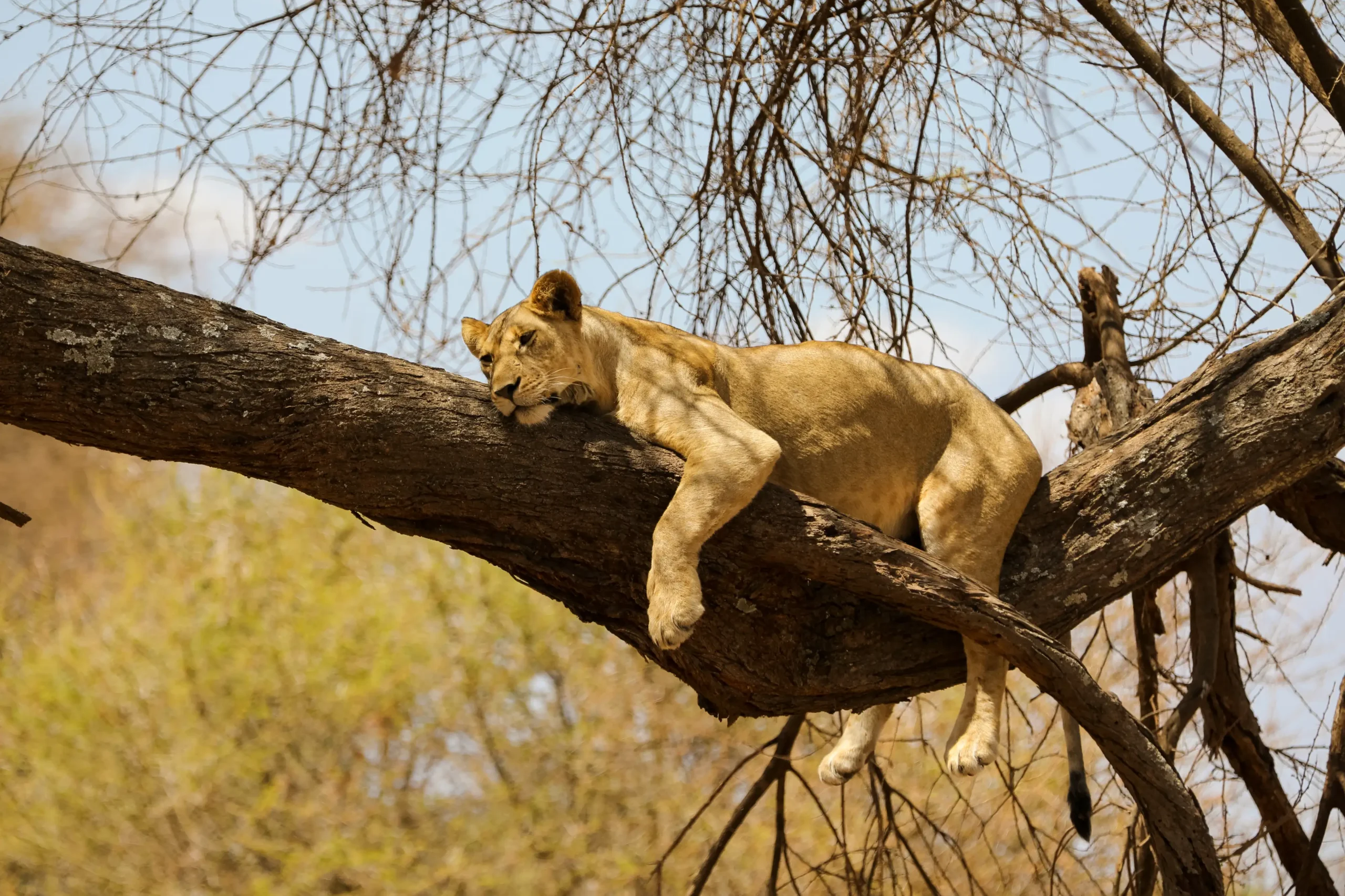
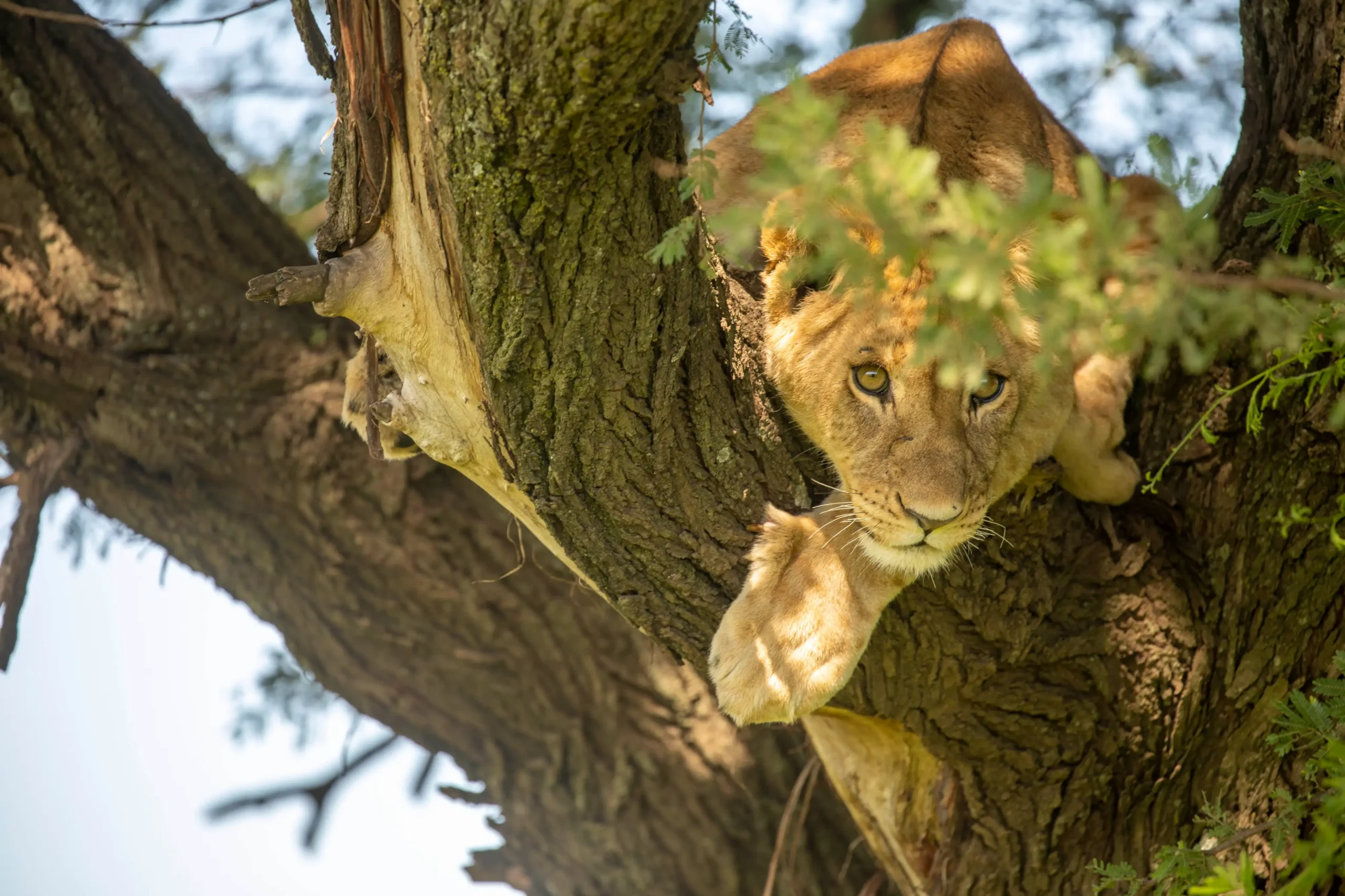
African Lion

African Lion

King of the Serengeti

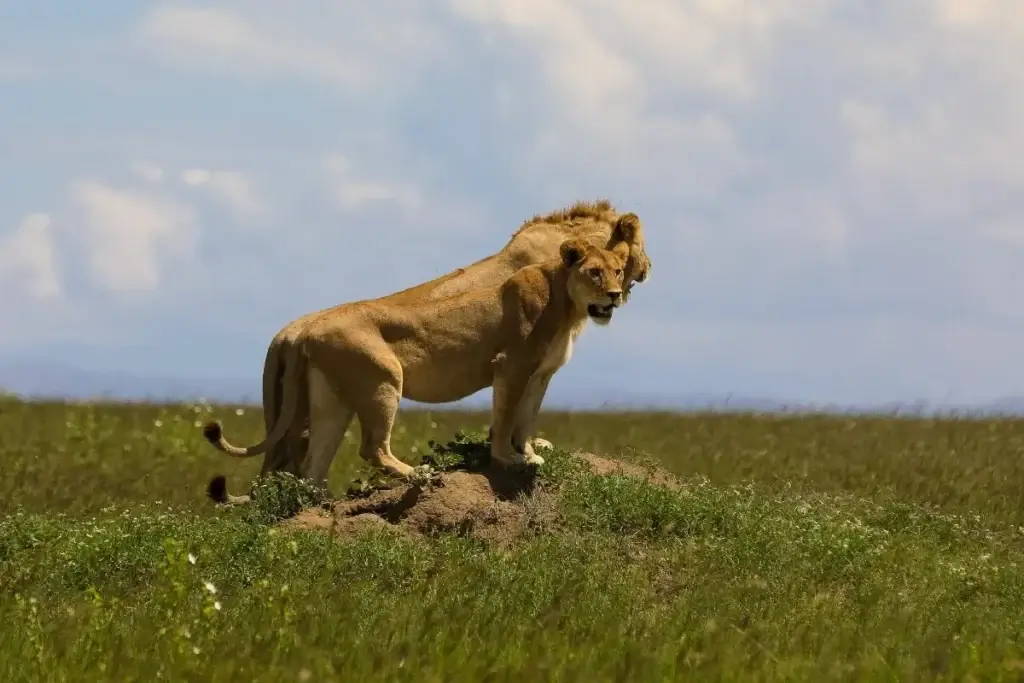
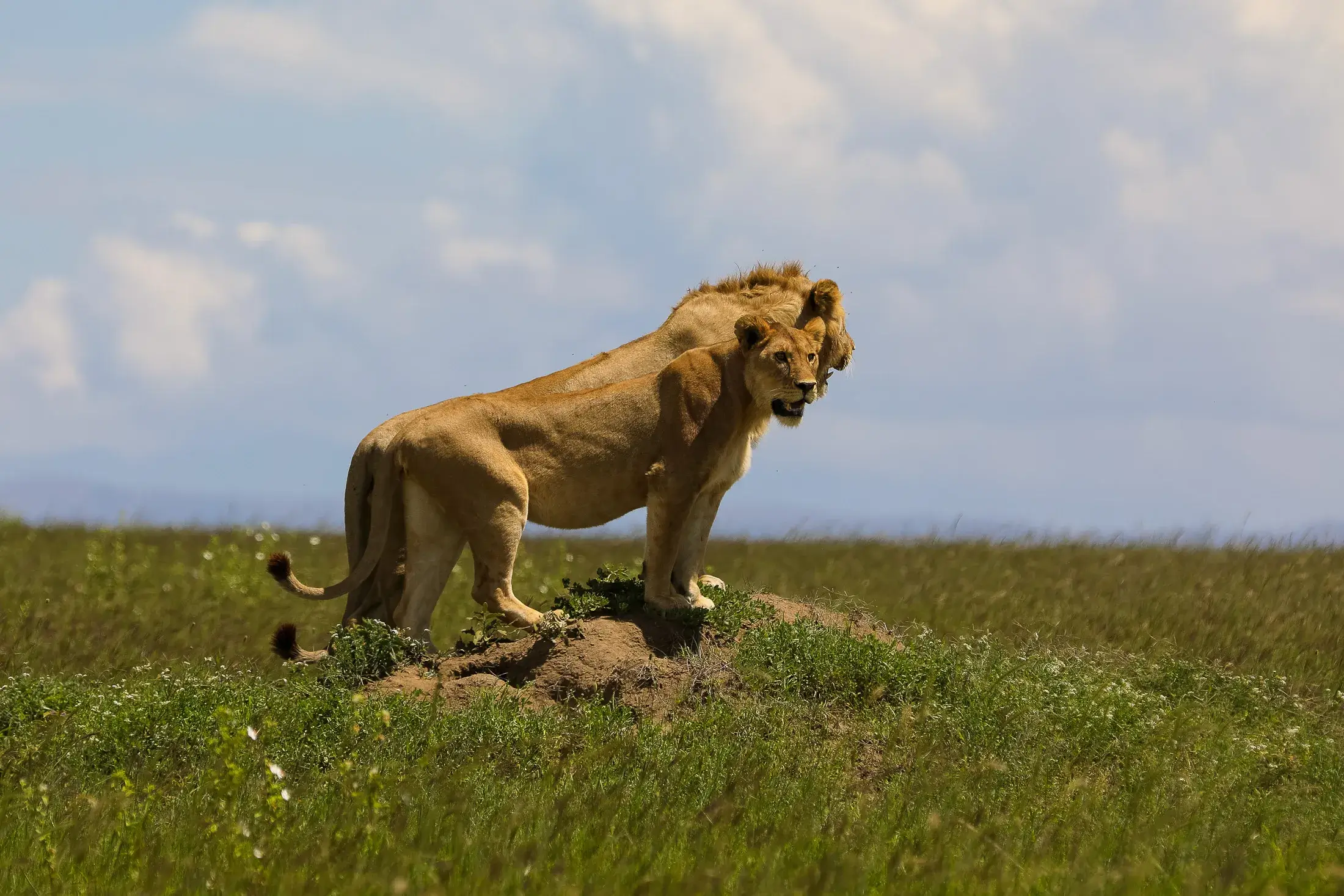
Tanzania hosts approximately 16,000 lions, representing one of Africa's largest populations. These apex predators live in social groups called prides, typically comprising 3-6 males, 6-12 females, and their cubs.
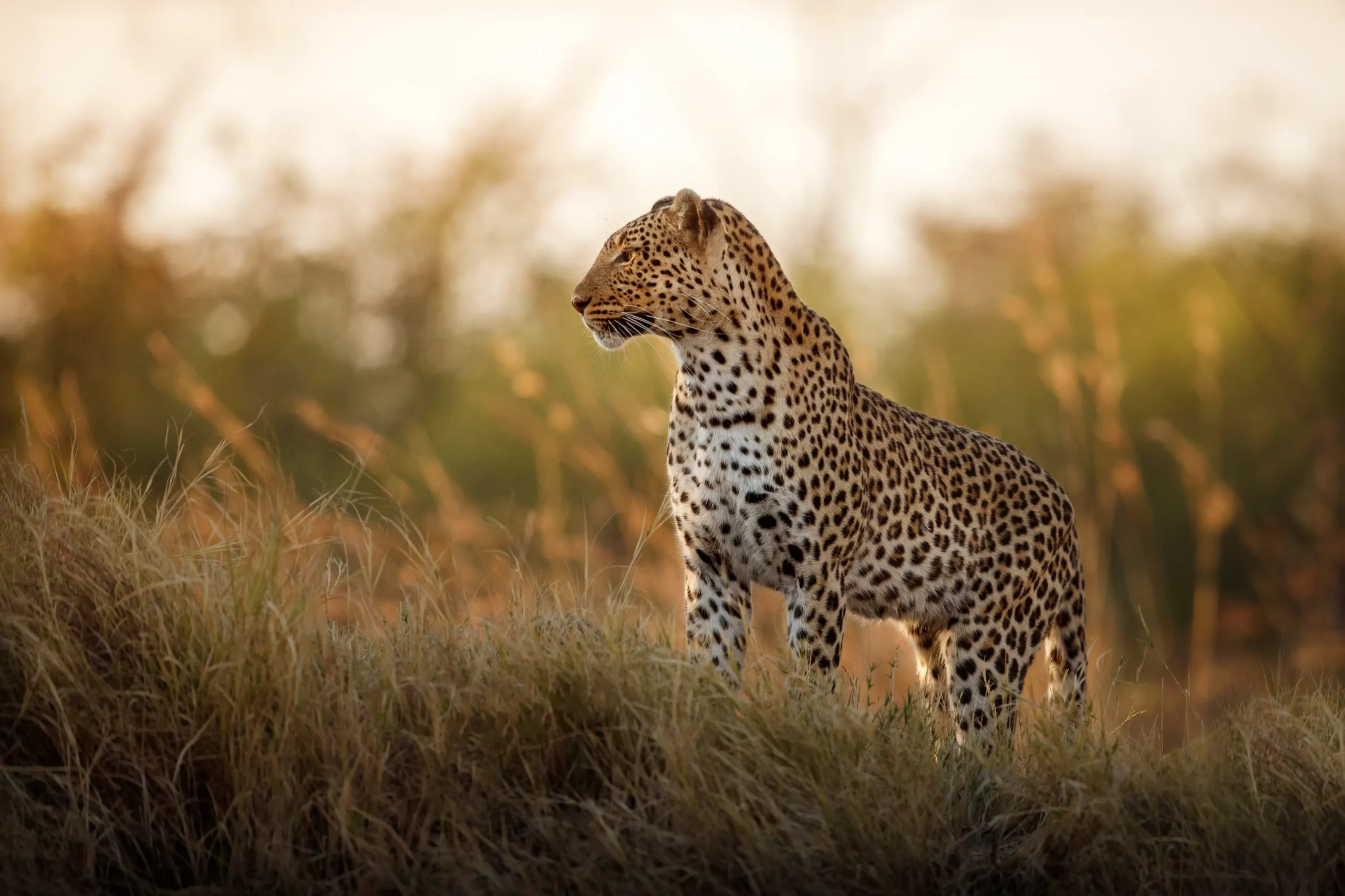
Where to See: Serengeti (highest density in Africa), Ngorongoro Crater (easiest sightings), Tarangire, Lake Manyara, Ruaha
Best Time: Year-round, peak July-October
Behavior: Female lionesses do 90% of hunting while males protect territory and eat first
Safari Tip: Look for lions resting under acacia trees during midday heat, becoming active at dawn and dusk
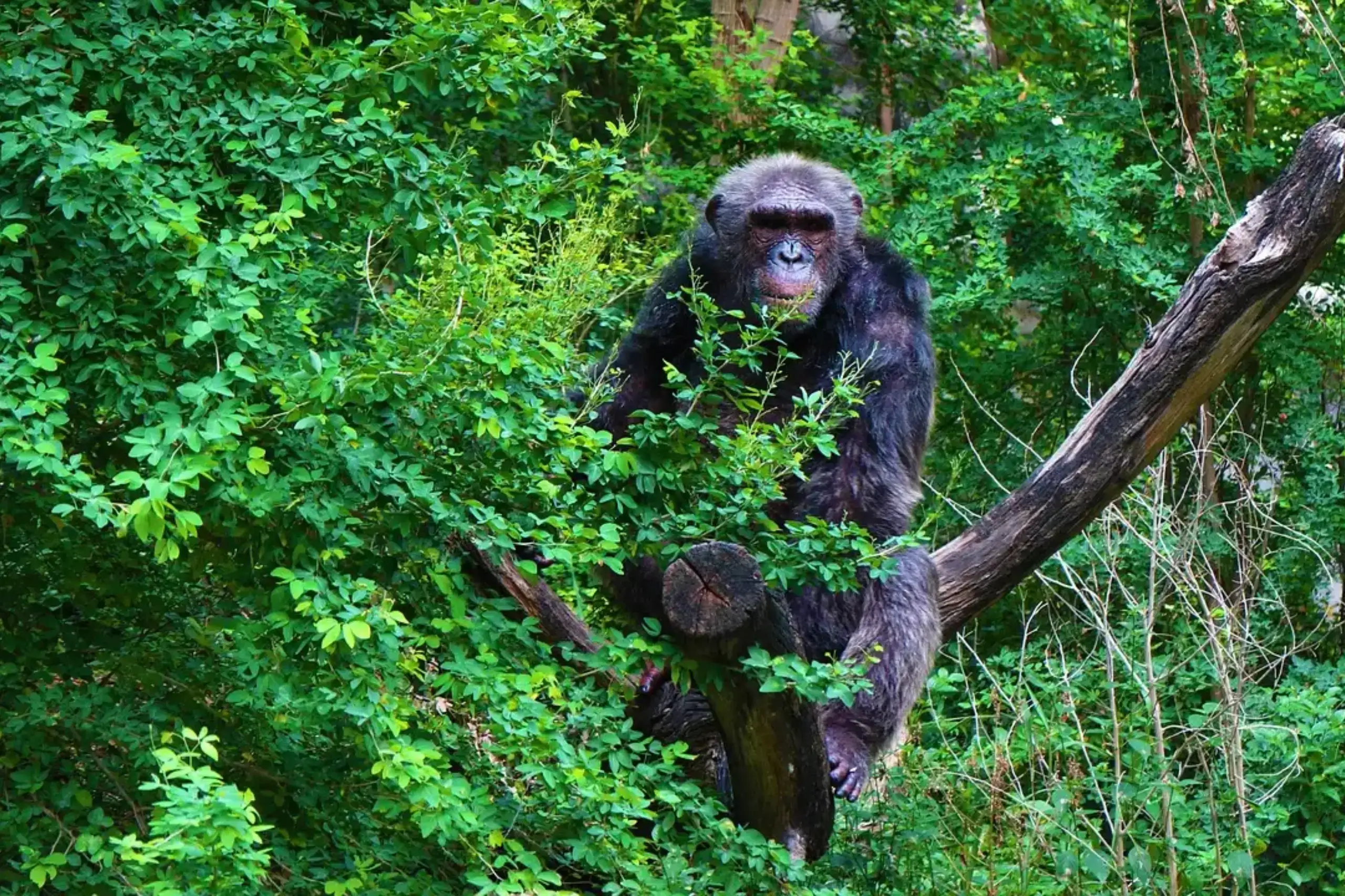
African Leopard

African Leopard

The Elusive Hunter

The most elusive of the Big Five, leopards are solitary, nocturnal hunters with remarkable tree-climbing abilities. They often drag prey into trees to protect kills from scavengers.
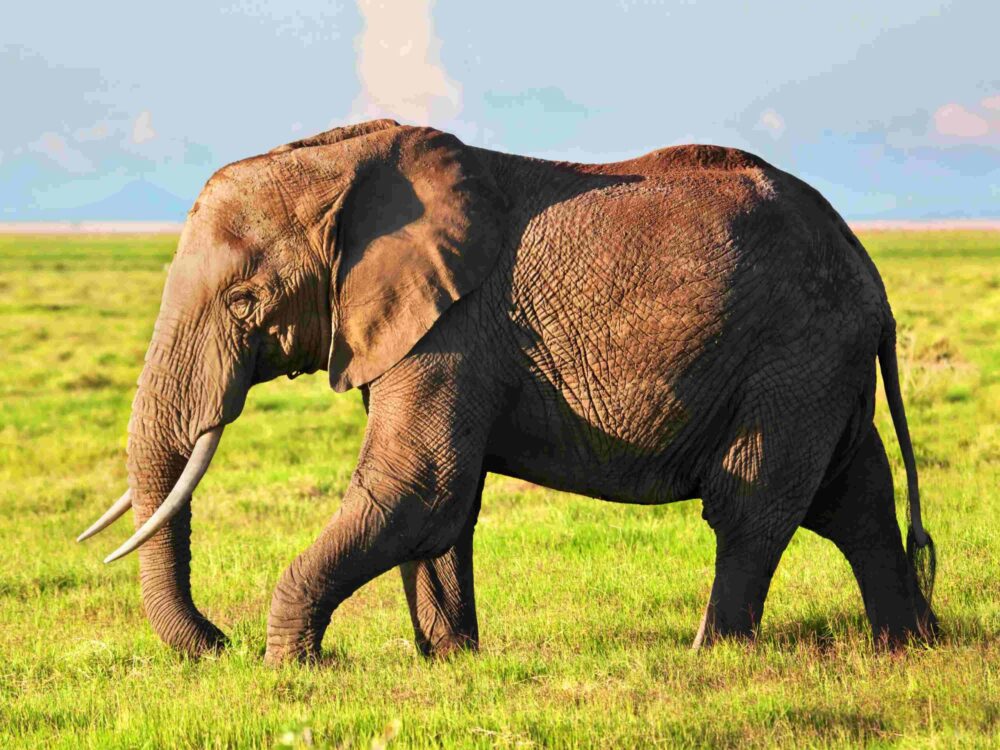
Where to See: Serengeti's Seronera Valley (best location), Ngorongoro highlands, Tarangire
Best Time: Year-round, morning/evening game drives
Behavior: Nocturnal hunters, drag prey weighing up to 3x their body weight into trees
Safari Tip: Check trees with dense canopies at dawn - leopards rest there during day with their kills
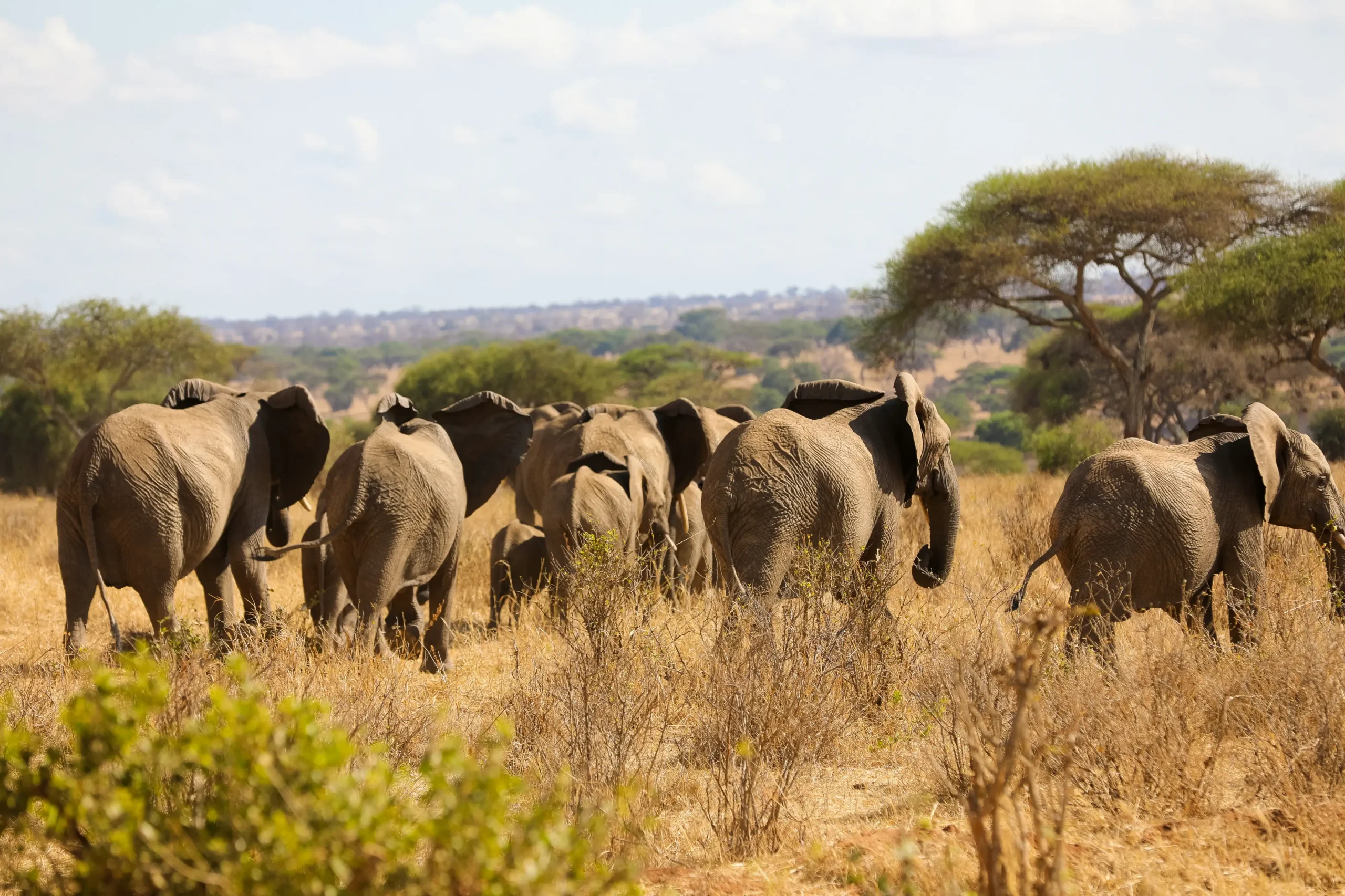
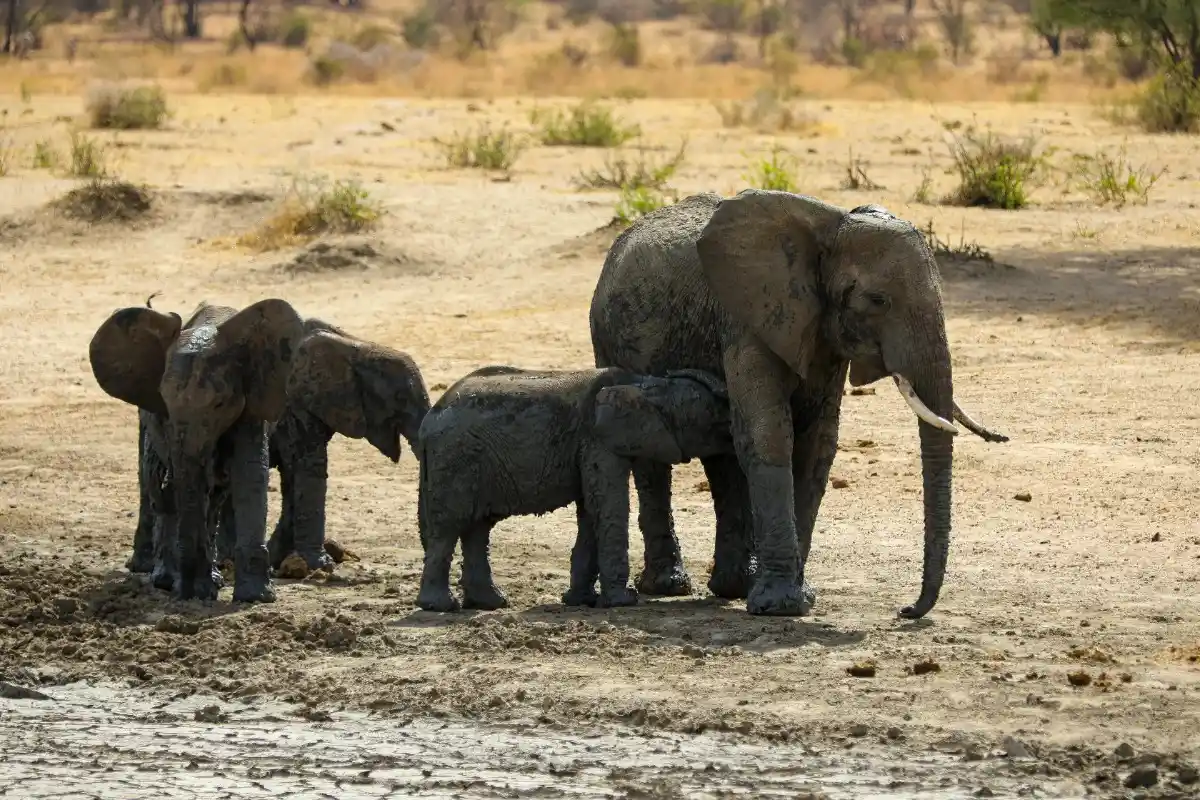
African Elephant

African Elephant

Gentle Giants

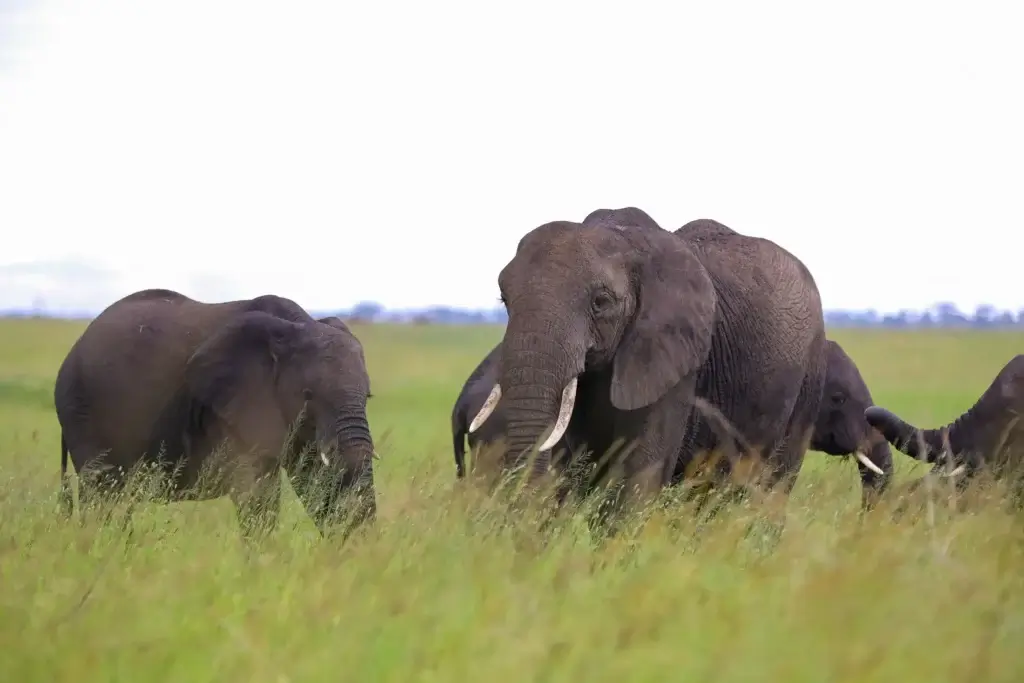
Tanzania protects one of Africa's largest elephant populations, with Tarangire hosting the greatest concentration during dry season - sometimes 3,000+ elephants in a single area.
Where to See: Tarangire (best concentration), Serengeti, Ngorongoro, Ruaha, Nyerere
Best Time: Dry season (June-October) when herds gather at water sources
Behavior: Matriarchal herds led by oldest female, males live solitary or in bachelor groups
Safari Tip: Visit Tarangire July-October for spectacular elephant super herds
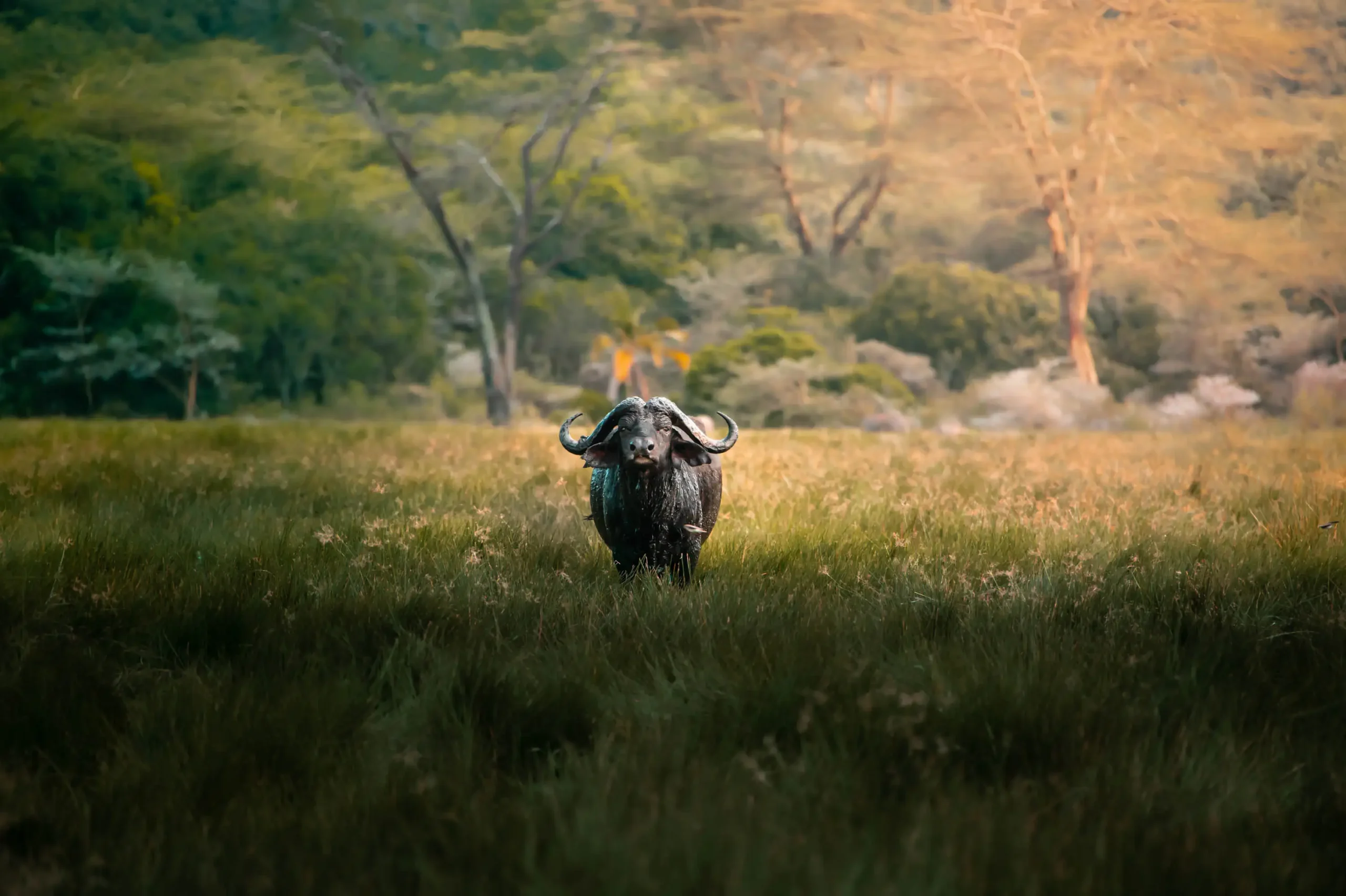
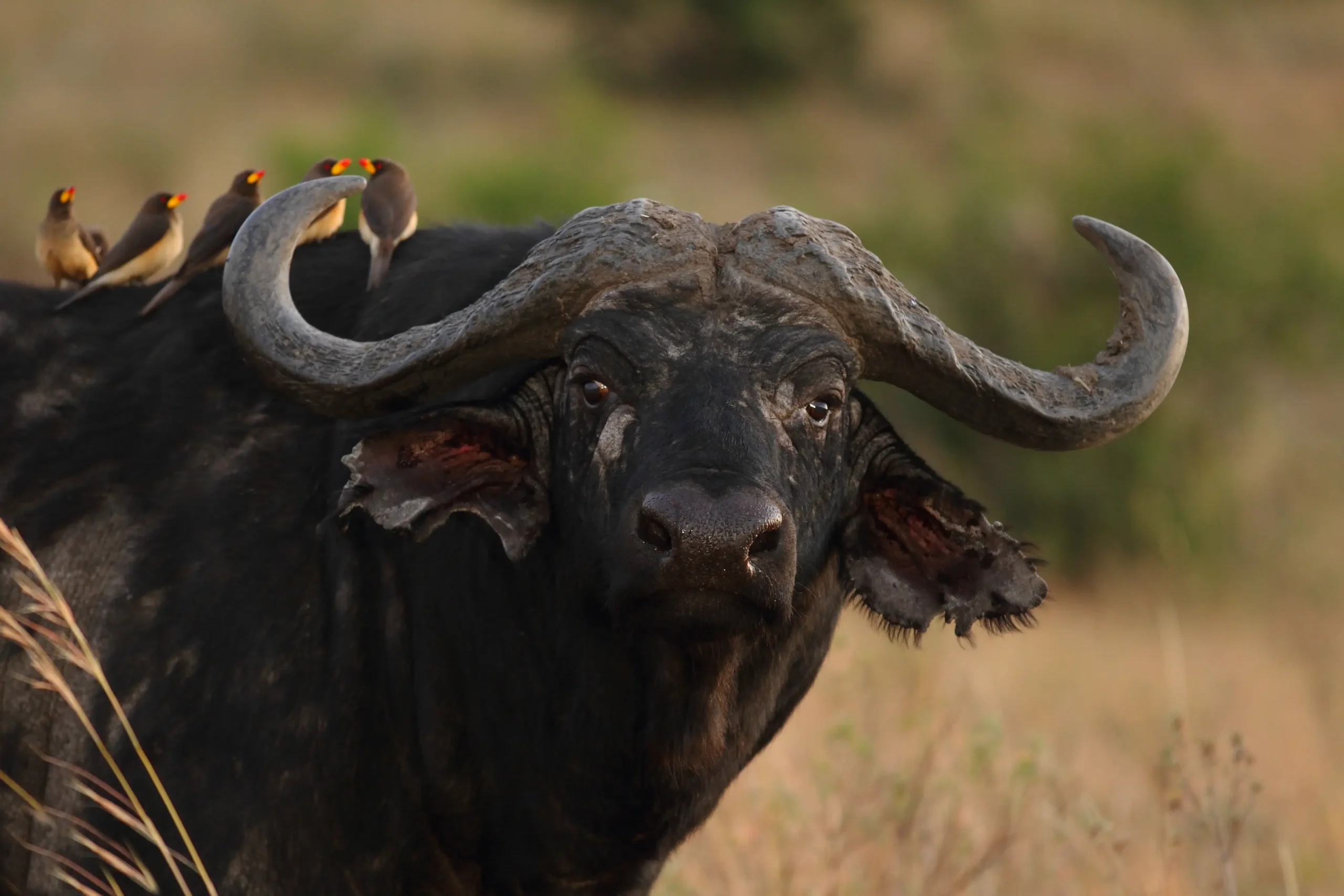
African Buffalo

African Buffalo

The Unpredictable

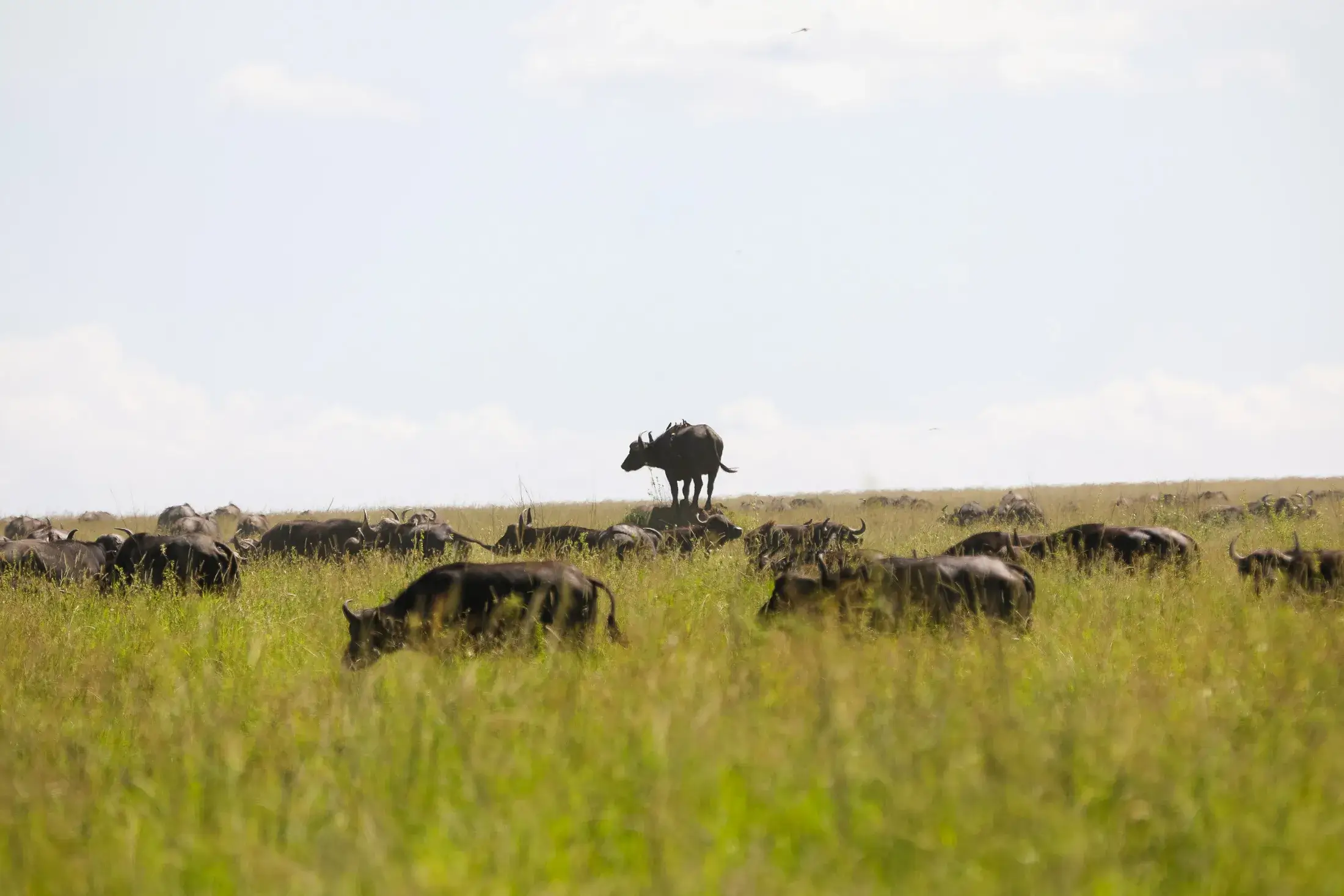
Cape buffalo are considered Africa's most dangerous animal to hunters. They're never alone - always found in massive herds that can number thousands, providing safety from predators.
Where to See: Everywhere - most common Big Five member, Serengeti, Ngorongoro, Katavi (huge herds)
Best Time: Year-round, especially dry season
Behavior: Extremely dangerous when wounded or threatened, excellent memory and teamwork
Safari Tip: Watch for "dagga boys" - old bulls with massive horns living separately from herds
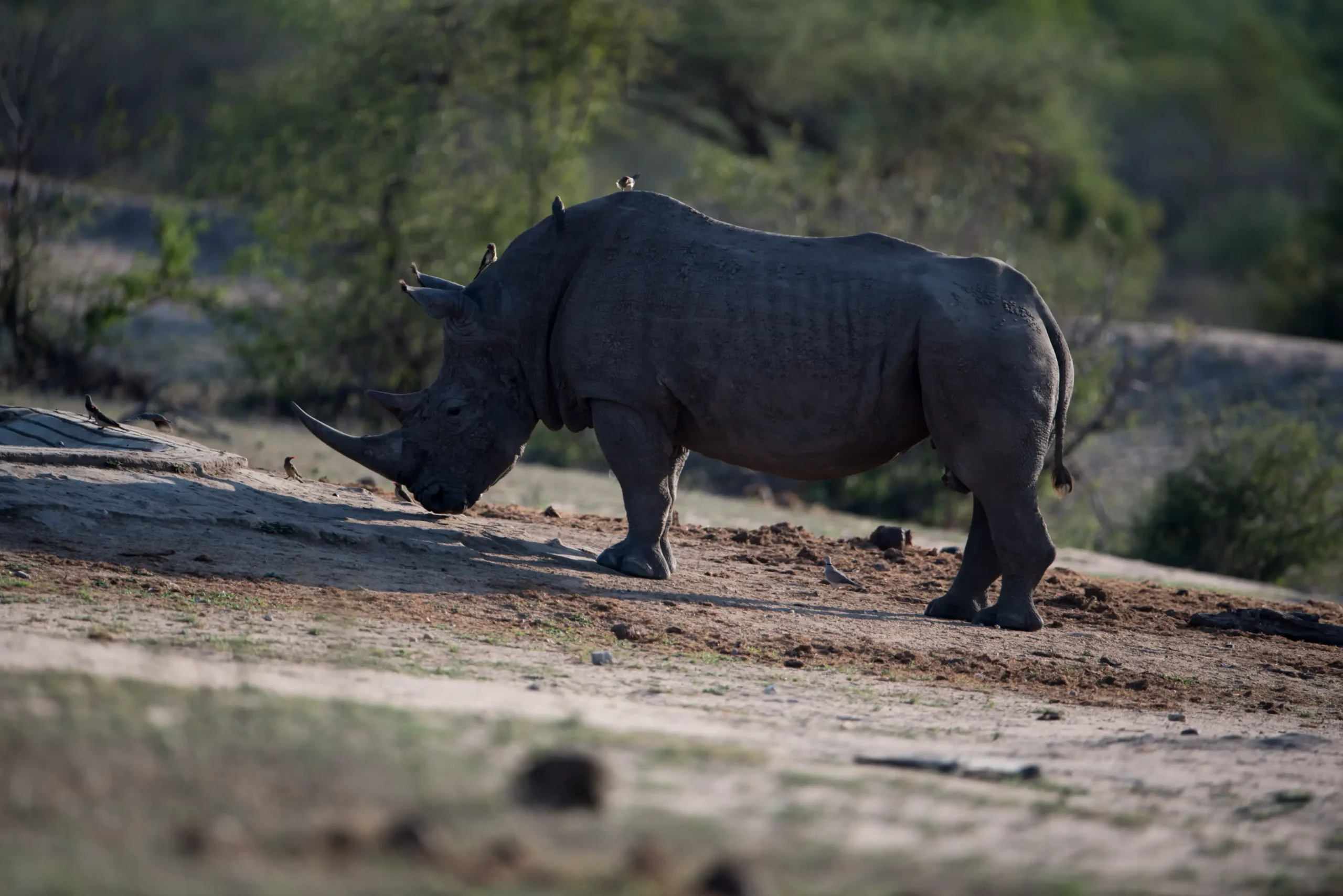
African Rhinoceros

African Rhinoceros

The Critically Endangered

Tanzania's rarest Big Five member, primarily black rhinos with a tiny population in Ngorongoro Crater and northern Serengeti. Seeing rhinos requires patience and luck.

Where to See: Ngorongoro Crater (best chances - 30-40 individuals), northern Serengeti (rare)
Best Time: Year-round in Ngorongoro
Behavior: Solitary browsers, poor eyesight but excellent hearing and smell
Safari Tip: Ngorongoro Crater offers Africa's best rhino viewing opportunities - early morning game drives increase chances

Beyond the Big Five

Cheetah

Cheetah

Fastest Land Animal

Serengeti's open plains host healthy cheetah populations. Unlike other big cats, cheetahs hunt during daytime, making sightings possible during game drives.
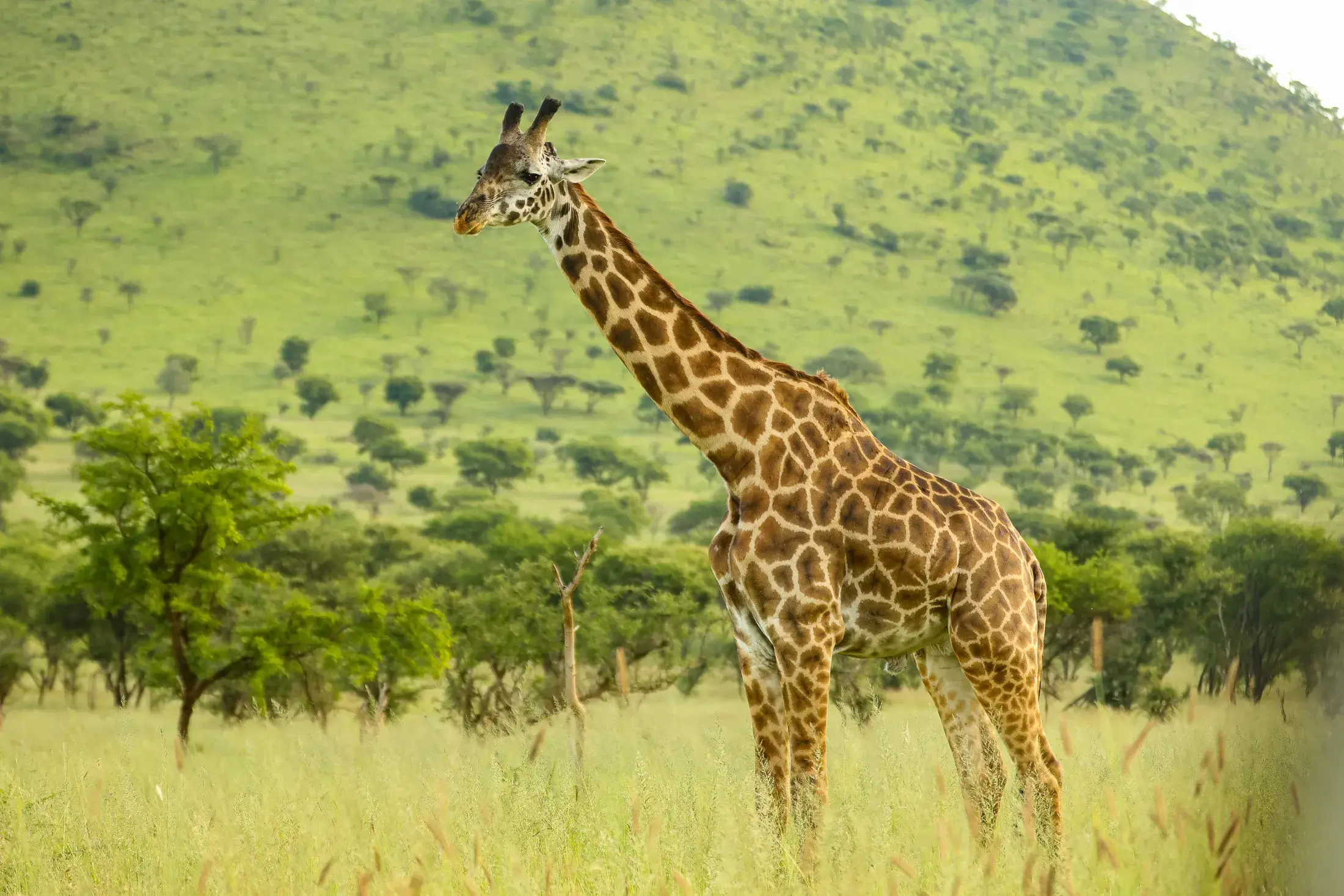
Giraffe

Giraffe

Africa's Tallest

Three giraffe species inhabit Tanzania: Maasai giraffe (most common), reticulated giraffe, and Rothschild's giraffe.
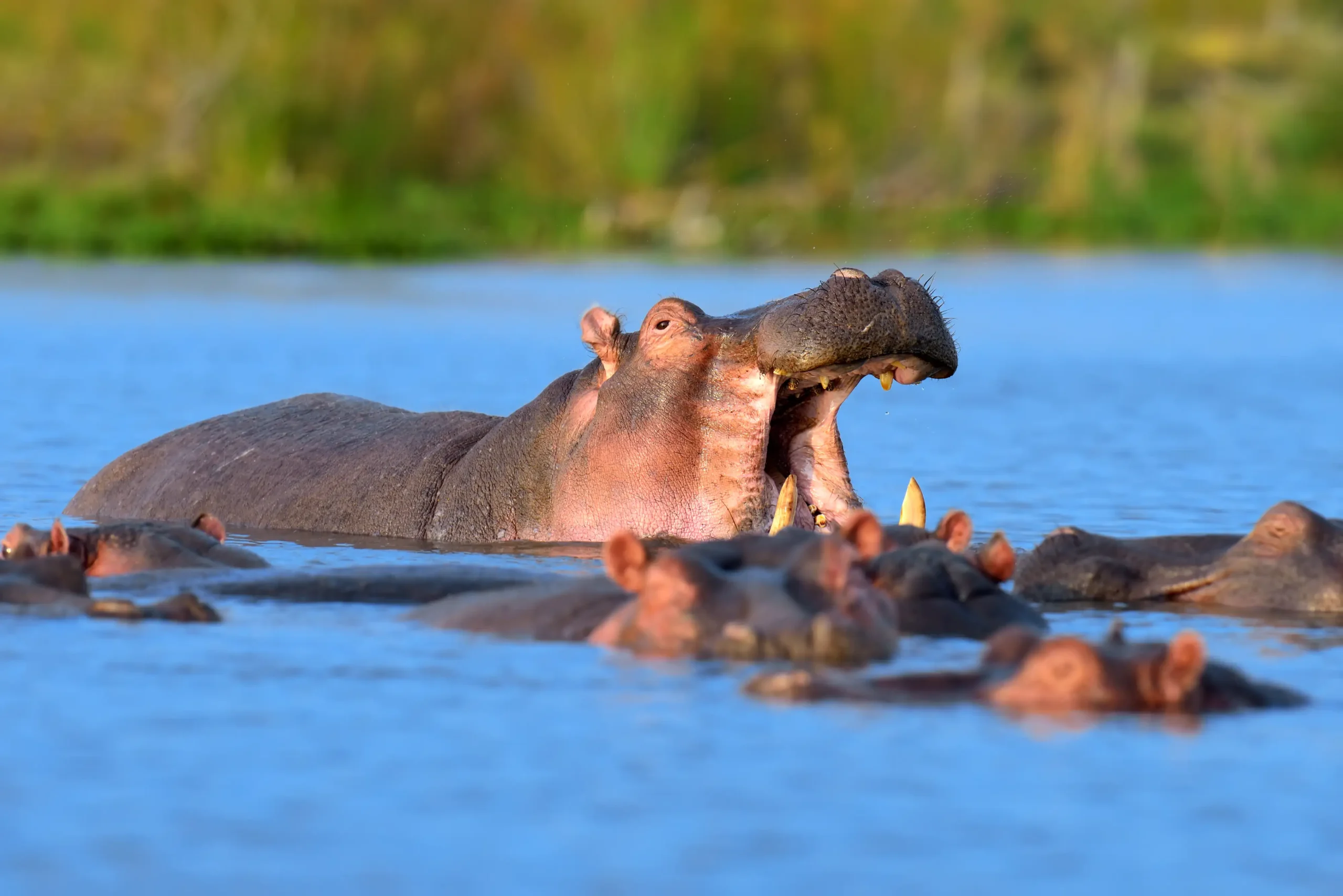
Hippopotamus

Hippopotamus

River Residents

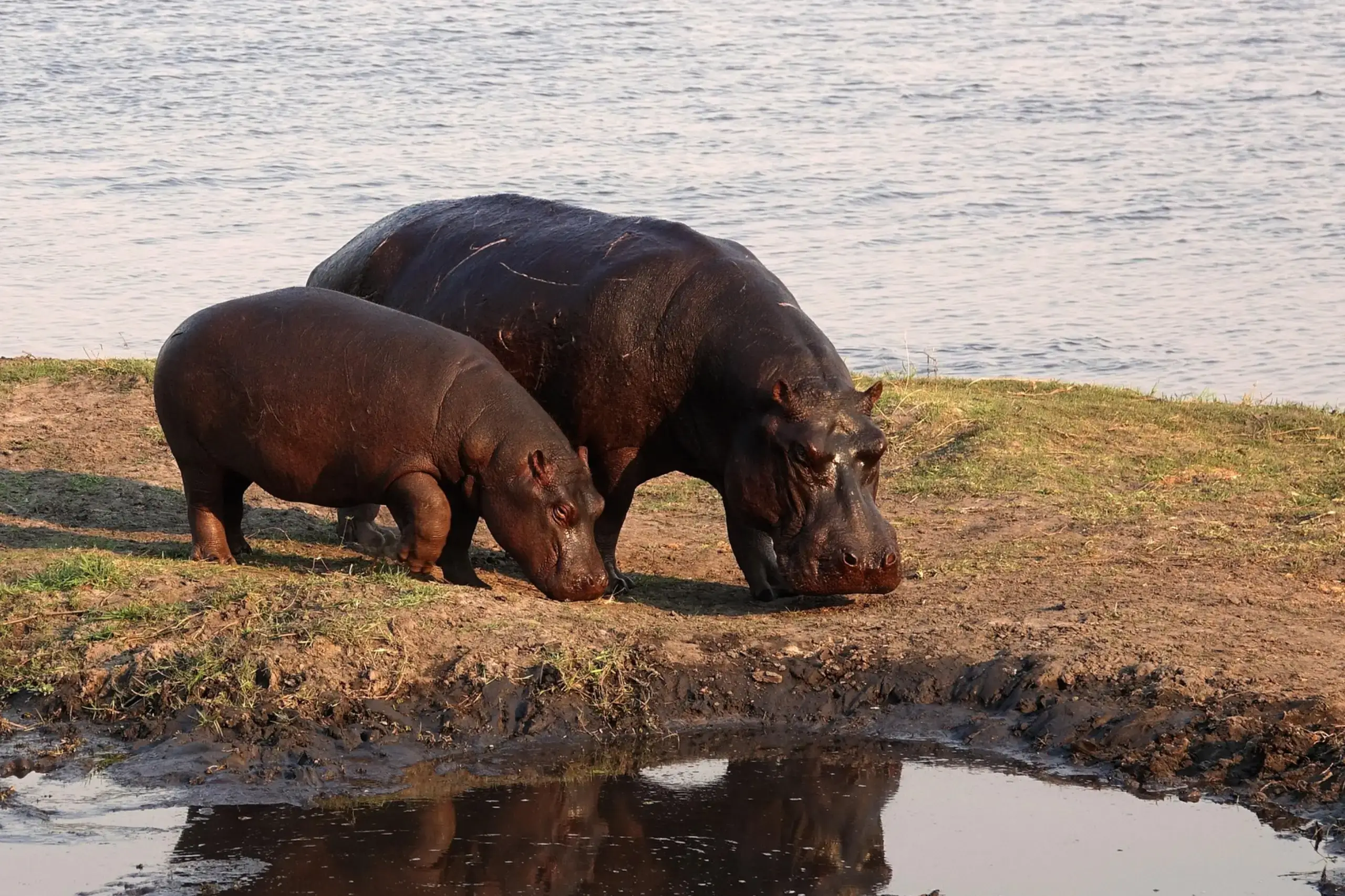
Found in rivers and pools across Tanzania, hippos spend days in water and emerge at night to graze. Despite their bulk, they're surprisingly dangerous.
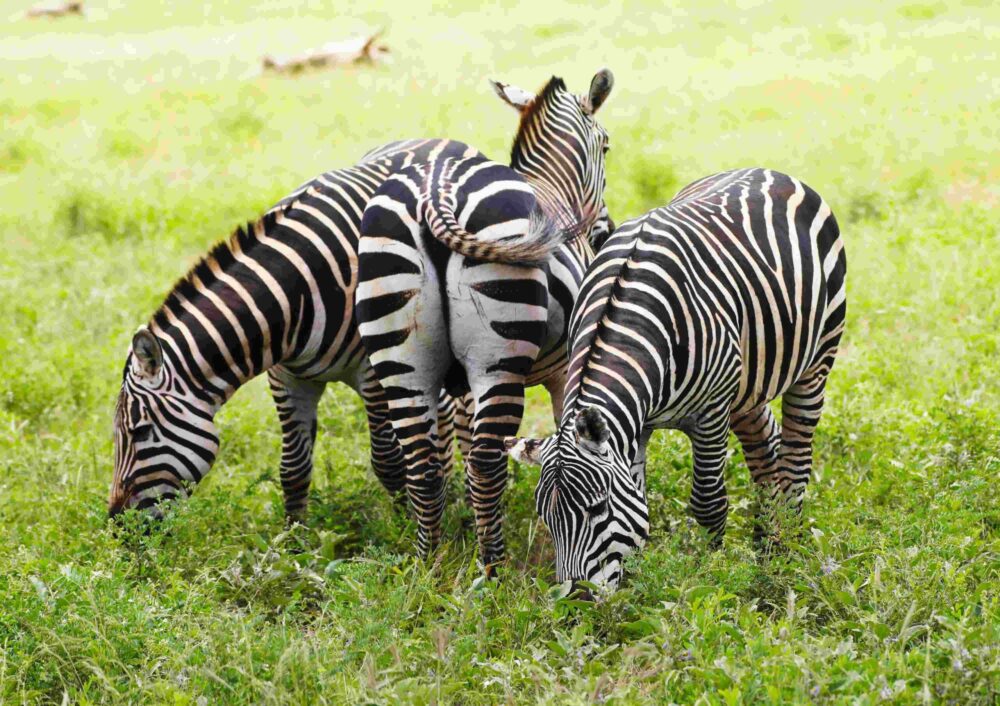
Zebra

Zebra

Striped Beauties

Over 250,000 zebras participate in the Great Migration alongside wildebeest. Each zebra has unique stripe patterns like human fingerprints.
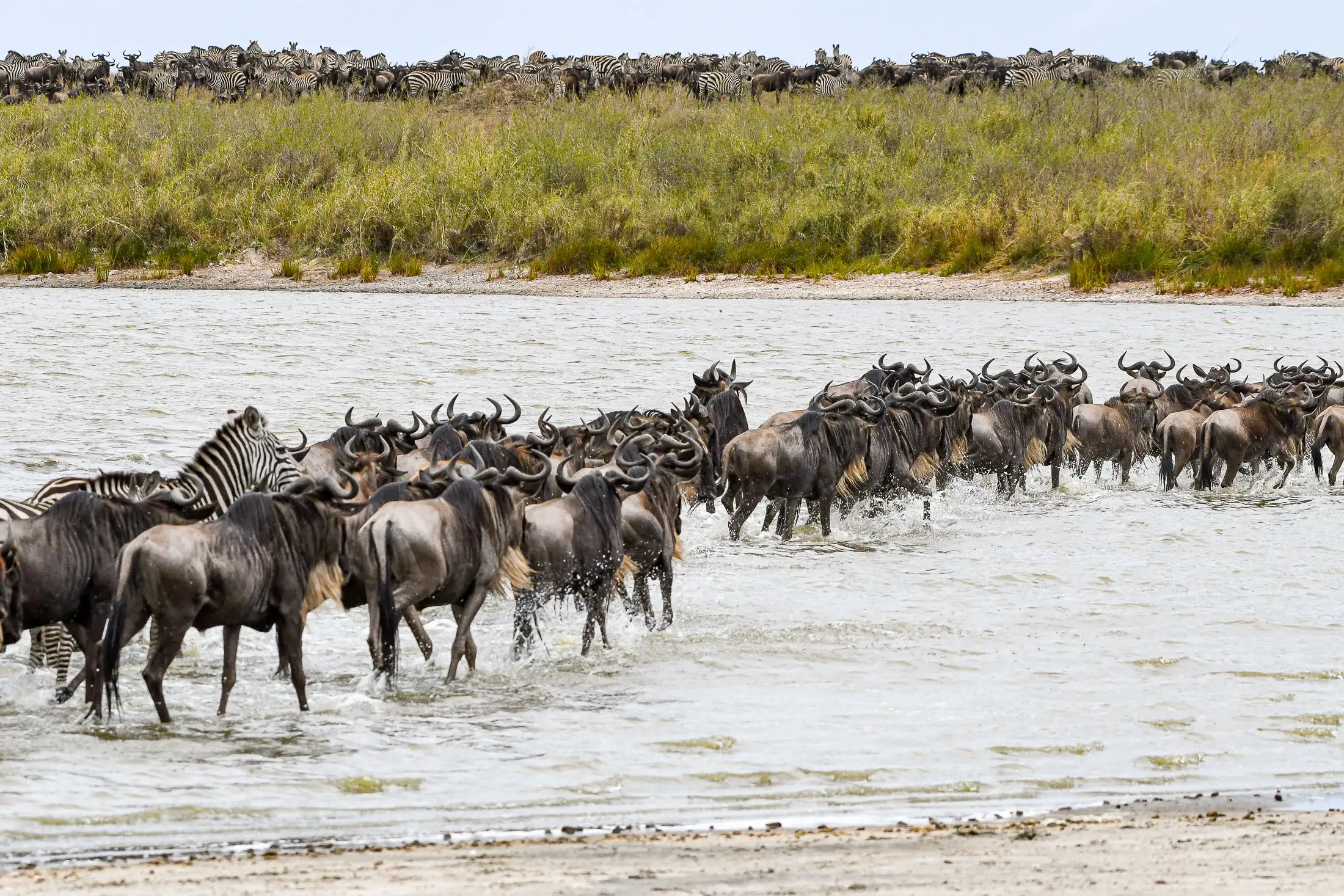
Wildebeest

Wildebeest

Migration Stars

Tanzania's 1.5 million wildebeest undertake nature's greatest terrestrial migration annually, covering 800 km in circular route through Serengeti ecosystem.
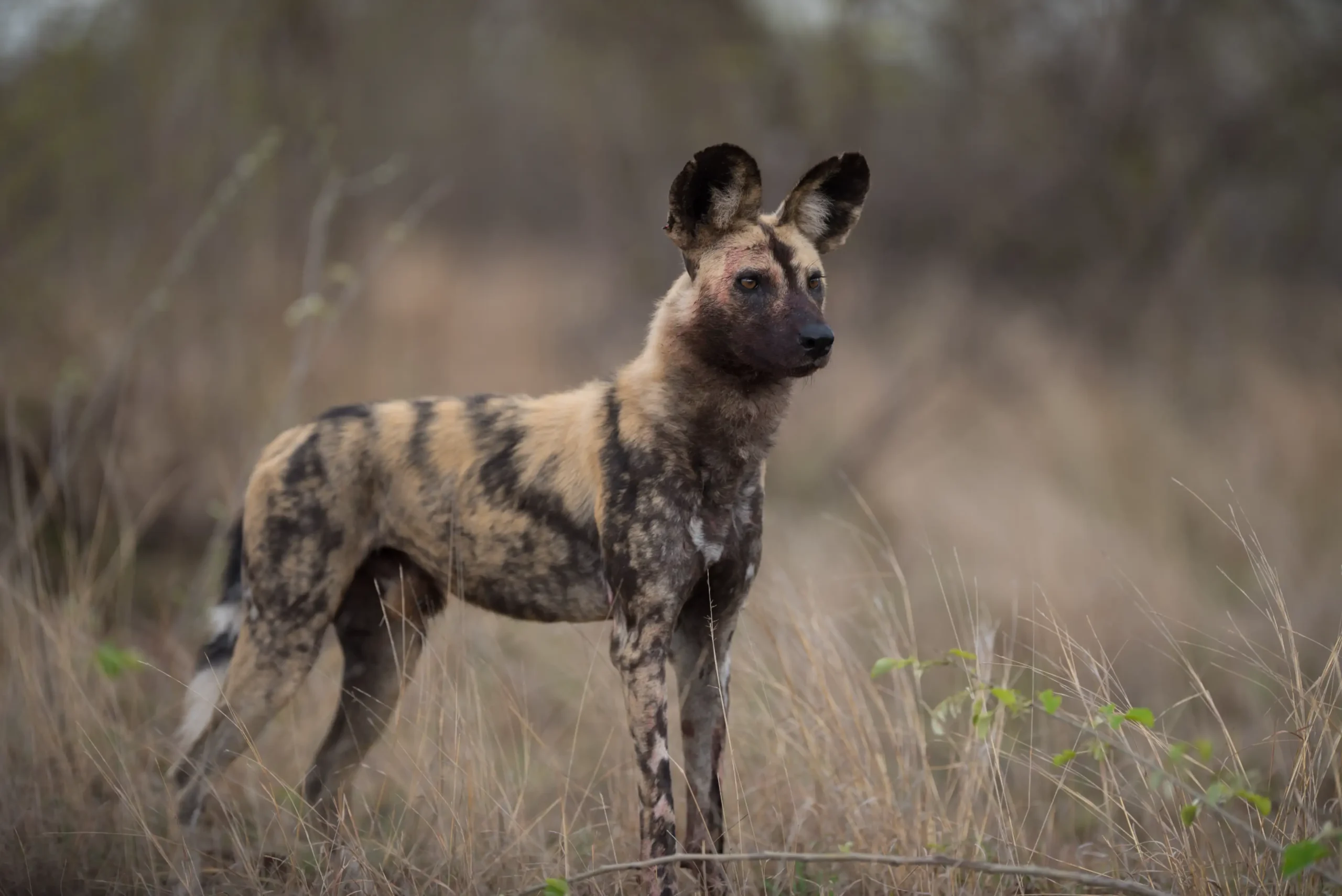
African Wild Dog

African Wild Dog

Critically Endangered

Ruaha National Park hosts one of Tanzania's few remaining wild dog populations. These endangered hunters have 80% hunt success rate - Africa's most efficient predators.
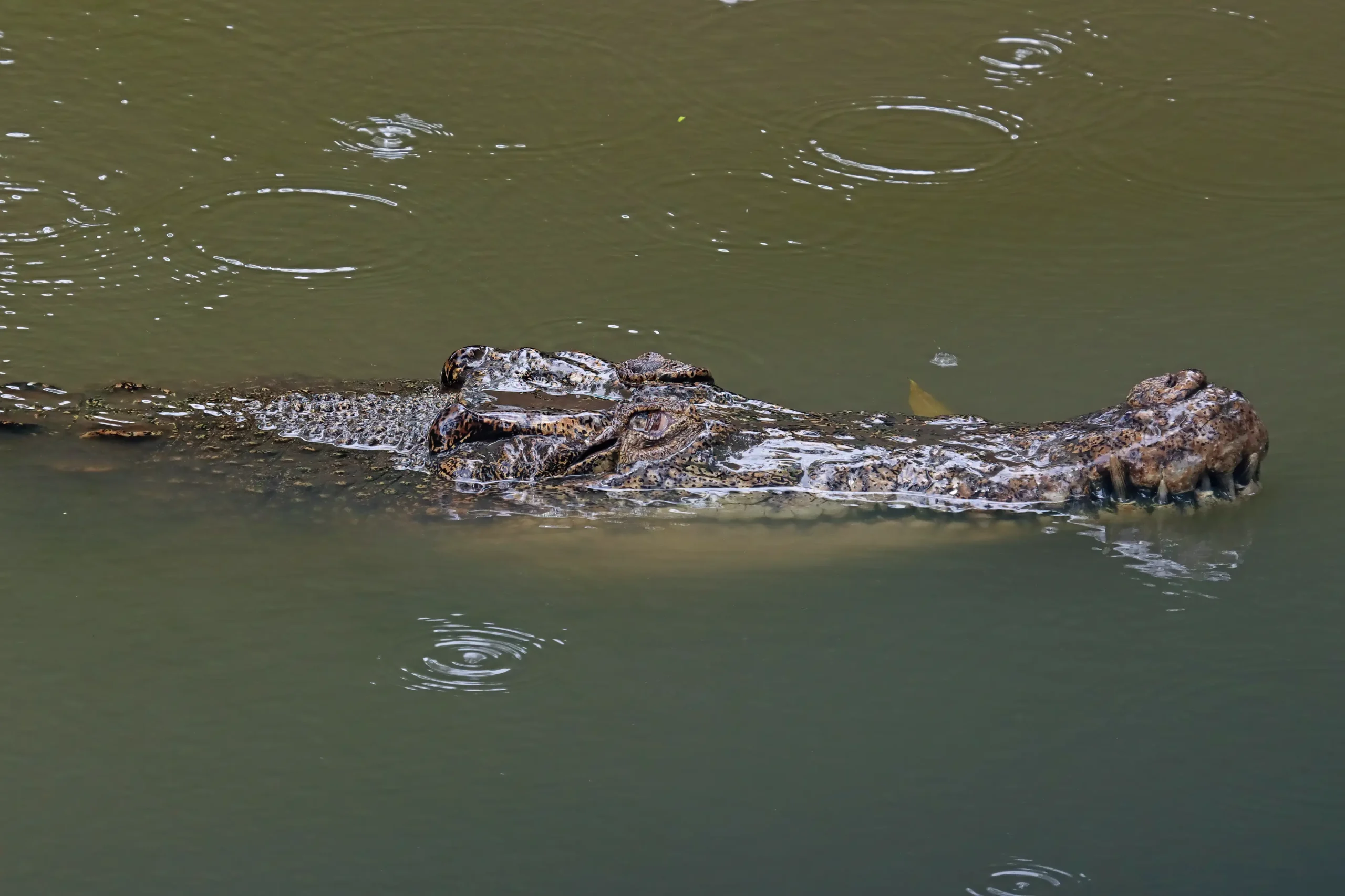
Nile Crocodile

Nile Crocodile

Mara River Ambushers

Giant crocodiles lying in Mara River create the migration's most dramatic scenes as wildebeest and zebras attempt dangerous crossings.
Types of Tanzania Safari Tours: Find Your Perfect Adventure

Exceptional Travel Expert offers diverse Tanzania safari tour styles to match every traveler’s preferences, budget, and adventure level. Here’s our comprehensive guide to safari types available:

Budget Camping Safaris

Experience authentic African bush camping where you sleep under canvas in designated campsites inside or near national parks, surrounded by the sounds of the wild.

What to Expect: Mobile tented camps with basic facilities, Shared bathroom facilities (most campsites), Sleeping bags and camping equipment provided, Meals cooked by safari chef over campfire, Authentic bush atmosphere and Close-to-nature experience.

Ideal For: Budget travelers, backpackers, students, adventure seekers, solo travelers joining groups, Price Range: $200-$300 per person per day Best Parks: Northern Circuit – all parks have public campsites

Mid-Range Lodge & Tented Camp Safaris

Stay in comfortable permanent lodges or semi-permanent tented camps offering private facilities, better meals, and more amenities while maintaining proximity to wildlife.

What to expect: You can expect comfortable, private en-suite rooms with hot showers and cozy beds covered with mosquito nets for a peaceful night’s rest. Many lodges offer restaurant-quality meals, relaxing lounges, and bar areas where you can unwind after a day of adventure. Some properties also feature swimming pools, plus access to electricity and Wi-Fi. Most accommodations are conveniently located just outside the park boundaries, giving you easy access to the wildlife while still enjoying comfort and privacy.

Ideal For: First-time safari visitors, families, couples, travelers seeking comfort without luxury pricing Price Range: $350-$600 per person per day Popular Lodges: Karatu lodges (Ngorongoro), Mto wa Mbu (Lake Manyara), lodges near Tarangire

Luxury Safari Lodge & Tented Camp Experience

Indulge in premium accommodations where luxury meets wilderness, featuring spacious suites, gourmet dining, infinity pools, and exclusive locations offering supreme comfort.

What to expect: You can expect very large rooms with nice furniture and a private deck where you can see wildlife. Some rooms have a small pool or a soaking tub for relaxing. You will enjoy tasty food with good drinks. Some places also offer a personal helper and spa services. These camps are very quiet and have only a few guests. Some of them are even inside the parks, either permanent or mobile camps, so you can stay close to nature.

Ideal For: Honeymooners, luxury travelers, special celebrations, photographers requiring prime locations Price Range: $600-$1,500+ per person per day Exclusive Camps: Singita, &Beyond, Four Seasons Safari Lodge, Sanctuary Lodges

Private Tanzania Safari Tours

Enjoy complete flexibility with a private vehicle, personal guide, and customized itinerary designed specifically for you, your family, or your group.

With a private safari, you get your own vehicle with no other passengers, which gives you full privacy and comfort. You can follow a flexible schedule, stop anytime you want, and enjoy a personal guide who focuses only on your interests. You can choose the activities you like, move at your own pace, and make special requests. It is perfect for families or couples who want a more private and relaxed experience.

Ideal For: Families, couples, small friend groups, photography enthusiasts, those with specific interests Price: Depends on group size—smaller groups pay more per person, groups of 4-6 get excellent value.

Group Joining Tanzania Safaris

Join scheduled departures with other travelers (maximum 6-7 passengers per vehicle), sharing costs while experiencing the same routes as private safaris.

Group safaris have many benefits. They are much cheaper per person, and you get to meet new people from around the world. The tours have fixed departure dates, which is very helpful for solo travelers. You still enjoy the same routes, lodges, and professional guides as private safaris, and most packages are all-inclusive.

However, there are some things to consider. Group safaris follow fixed schedules, so there is less flexibility. You will share the vehicle with other travelers and may need to follow the group’s preferences. Also, there are only a few dates to choose from.

Ideal For: Solo travelers, budget-conscious couples, social travelers who enjoy meeting new people Price Range: $200-$450 per person per day (30-40% cheaper than the private equivalent). See our group joining safaris.

Family Safari Tours

Specially designed Tanzania safari packages with family-friendly accommodations, child-appropriate activities, and guides experienced with children.

Family safaris are designed to be safe, fun, and easy for both parents and children. Lodges offer family rooms or interconnecting rooms, kids’ menus, and early meal times. Game drives are kept shorter with breaks, and there are many activities children enjoy, such as bush walks, nature lessons, and cultural visits. Many lodges also have swimming pools, child-safe vehicles, and friendly guides who know how to keep kids entertained. Most parks allow visitors of all ages, with free entry for children under 5 and a 50% discount for ages 5–15. Hot air balloon rides start from age 7.

Ideal For: Families with children 5-16 years, creating unforgettable memories together. Best Parks: Northern Circuit parks with excellent infrastructure. Explore our family safari packages.

Honeymoon Safari Tanzania

Romantic safari experiences designed for couples celebrating their marriage, featuring secluded locations, special touches, and intimate settings.

On a Honeymoon Safari in Tanzania, you can expect a peaceful and romantic experience designed just for couples. You can relax in private pools or outdoor showers, enjoy a warm dinner under the stars, and share champagne as you watch the sunset. Couples can enjoy soothing spa treatments and come back to a room decorated in a romantic way. You will also have private game drives, quiet and secluded places to stay, and special honeymoon surprises that make your trip unforgettable.

Ideal For: Newlyweds, couples celebrating anniversaries, romantic getaways Popular Combinations: Safari + Zanzibar beach (7-10 days total) Best Camps: Luxury intimate camps with 6-12 rooms maximum

10-Day Ultimate Tanzania Safari & Zanzibar Beach Holiday
from $3,700 to $5,600 Per Person

10-Day Ultimate Tanzania Safari & Zanzibar Beach Holiday

You Visit: Ngorongoro Crater, Serengeti National Park, Tarangire National Park +1 more
View Tour Details
Luxury Tanzania safari honeymoon couple enjoying private bush dinner in Serengeti National Park
from $4,440 to $6,720 Per Person

12-Day Ultimate Tanzania Safari & Zanzibar Beach Holiday

You Visit: Ngorongoro Crater, Serengeti National Park, Tarangire National Park +1 more
View Tour Details
13-Day Safari + Zanzibar Holiday Combination
from $4,888 to $7,215 Per Person

13-Day Tanzania Safari + Zanzibar Beach Holiday Combination

You Visit: Ngorongoro Crater, Serengeti National Park, Tarangire National Park +1 more
View Tour Details
5-Day Tanzania Honeymoon Safari , High-End Luxury safari
from $3,000 to $40,000 Per Person

5-Day Tanzania Honeymoon Safari – Luxury Experience

You Visit: Ngorongoro Crater, Serengeti National Park, Tarangire National Park
View Tour Details

Fly-In Safari Tanzania

Skip long road transfers with light aircraft flights between safari destinations, maximizing wildlife time while enjoying spectacular aerial views.

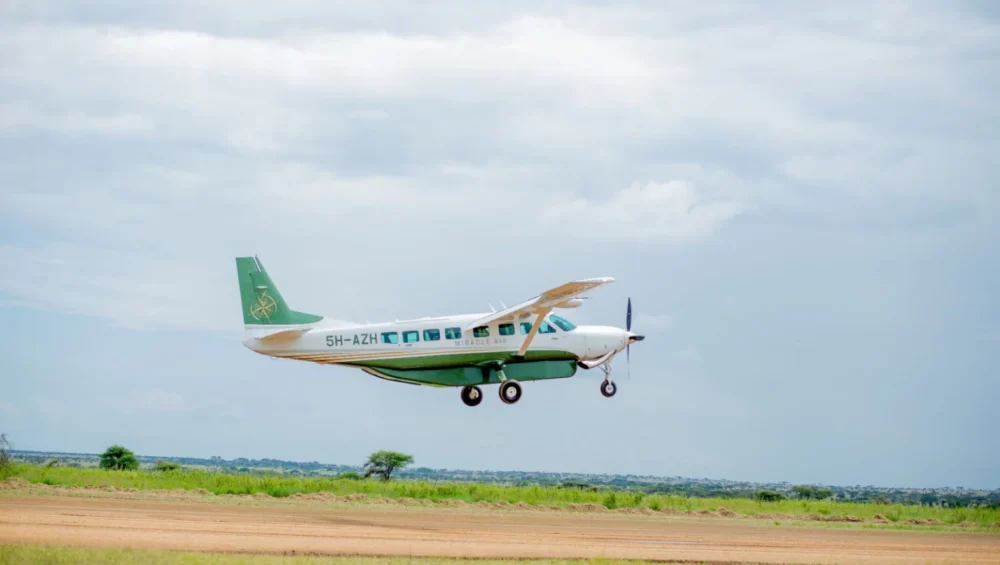
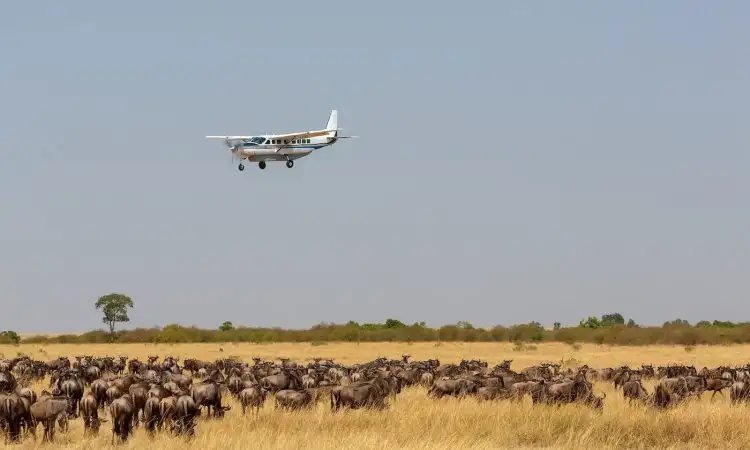
A fly-in safari helps you save 6–8 hours of driving by flying directly between parks. You get beautiful aerial views of the landscapes and can reach remote areas that are hard to access by road. This gives you more time for game drives and makes travel between parks more comfortable. However, fly-in safaris are more expensive, usually costing about $250–$400 per flight. You also need to follow luggage limits of around 15 kg in soft bags, and flights can be affected by weather, so having a flexible schedule is important.

Ideal For: Luxury travelers, those with limited time, travelers combining multiple circuits, honeymooners wanting maximum luxury Best Routes: Serengeti-Ruaha-Nyerere combinations, Western Circuit access

Walking Safari Tanzania

Experience the bush on foot with armed ranger guides, tracking animals by their signs, learning bushcraft, and engaging senses beyond vehicle-based viewing.

On a walking safari, you will go on a guided walk that usually lasts 2–4 hours. An armed ranger will always join for safety, and the group stays small, usually only 6–8 people. The walk focuses on things you might miss from a vehicle, like animal tracks, plants, insects, and birds. You get a very different view of the bush and a stronger, more exciting sensory experience as you hear, smell, and see nature up close.

Safety: Professional guides assess situations continuously and focus on herbivores and smaller wildlife rather than dangerous game Best Locations: Arusha National Park, Lake Manyara (some areas), Selous/Nyerere, Ruaha Ideal For: Adventure seekers, nature enthusiasts, and photographers wanting different perspectives.

Photographic Safari Tanzania

Specialized safaris for serious photographers featuring strategic timing, expert guides understanding photography needs, and camps in prime locations.

A photographic safari is designed to help you take the best wildlife photos. You leave early in the morning to catch the soft golden light and stay out later in the evening for beautiful sunset shots. You can spend as much time as you need at animal sightings and position the vehicle for the best angles. The guides understand lighting and composition, and you’ll have bean bags to keep your camera steady. There are fewer people in the vehicle, and guests often rotate the front seat so everyone gets a great view for taking photos.

Ideal For: Professional photographers, serious hobbyists, anyone wanting exceptional photos Best Time: January-February (calving), July-September (migration crossings)

Great Wildebeest Migration Safari

Witness nature’s greatest spectacle with safaris specifically designed around migration timing and locations, following the herds throughout the year.

The Wildebeest Migration in Tanzania follows a yearly cycle. From December to March, the herds gather in the Southern Serengeti for the calving season. In April and May, they start moving north, reaching the Western Corridor in June. From July to October, they stay in the Northern Serengeti, where the famous Mara River crossings happen. By November, the herds begin their journey back south. During this migration, you can see over 8,000 calves born each day in January and February, powerful and dramatic river crossings with crocodiles, large numbers of predators following the herds, and huge dust clouds created by millions of hooves. It’s a truly breathtaking, documentary-like wildlife experience.

Ideal For: Wildlife enthusiasts, photographers, those seeking Africa’s most dramatic wildlife spectacle Recommended Duration: Minimum 5 days to increase crossing chances. Explore our wildebeest migration safaris below.

Wildebeest crossing the Mara River during the Great Migration, Northern Serengeti, Tanzania
from $3,440 to $4,440 Per Person

8-Day Great Wildebeest Migration Safari: Witness the Mara River Crossing

You Visit: Ngorongoro Crater, Serengeti National Park, Tarangire National Park
View Tour Details
5-Day Ndutu Southern Serengeti Migration Safari: Calving Season (Dec–Apr)
from $2,300 to $2,775 Per Person

5-Day Ndutu Southern Serengeti Migration Safari: Calving Season (Dec–Apr)

You Visit: Ngorongoro Crater, Serengeti National Park
View Tour Details
Great Wildebeest migration crossing the Mara River during the Great Migration, Northern Serengeti, Tanzania.
from $2,940 to $3,500 Per Person

7-Day Great Wildebeest Migration Safari – Serengeti & Mara River crossings

You Visit: Ngorongoro Crater, Serengeti National Park, Tarangire National Park
View Tour Details

Hot Air Balloon Safari

Float silently above the Serengeti plains at sunrise, watching wildlife from a bird’s-eye perspective, followed by a champagne bush breakfast.

A hot air balloon safari begins before sunrise, with pickup around 5:30 AM. You enjoy a peaceful one-hour flight as the sun rises, while the pilot explains what you are seeing. From above, you can watch wildlife and the beautiful landscapes of the park. After landing, you are treated to a bush champagne breakfast, and you receive a flight certificate to remember the experience.

Cost: $550-$600 per person (added to safari package) Best Location: Central Serengeti (Seronera) Booking: Must reserve weeks/months ahead Ideal For: Special occasions, romantic experiences, unique perspectives, photographers. Browse our hot air balloon safari packages.

Tanzania National Parks: Detailed Park Guide

Serengeti National Park—Home of Great Wildebeest Migration

Size: 14,763 square kilometers Established: 1951 (Tanzania’s oldest national park) UNESCO World Heritage Site: Yes (1981)

Serengeti, meaning “endless plains” in Maasai language, stands as Africa’s most famous safari destination. This vast ecosystem hosts the planet’s largest terrestrial mammal migration and offers unmatched predator viewing throughout the year.

Serengeti National Park is famous for its incredible wildlife. It is home to more than 3,000 lions, the largest number in Africa, as well as over 1,000 leopards and more than 500 cheetahs. You can also find around 7,500 spotted hyenas, 1.5 million wildebeest, and about 250,000 zebras. The park is also rich in birdlife, with more than 500 species to see.

Different Regions Offer Unique Experiences:

Seronera (Central Serengeti): Year-round excellent game viewing, especially big cats. Dense acacia woodlands along the Seronera River attract wildlife constantly. Best for leopard sightings in Africa.

Southern Serengeti (Ndutu Area): December-March calving season brings 8,000 wildebeest births daily. Predators feast on vulnerable newborns, creating intense action.

Western Corridor: June-July migration herds pass through, attempting treacherous Grumeti River crossings where massive crocodiles wait.

Northern Serengeti: July-October hosts dramatic Mara River crossings as millions of animals brave crocodile-infested waters. The most spectacular wildlife drama on Earth.

The Serengeti is a place you can visit all year. From December to March, the southern plains are full of wildlife during the calving season. From June to October, the famous river crossings of the migration happen in the north. January and February are often considered the best months overall for seeing a wide range of animals.

Accommodation: 100+ options from budget campsites to ultra-luxury lodges and Getting There: 335 km from Arusha (6-7 hours drive), or 1 hour by flight.

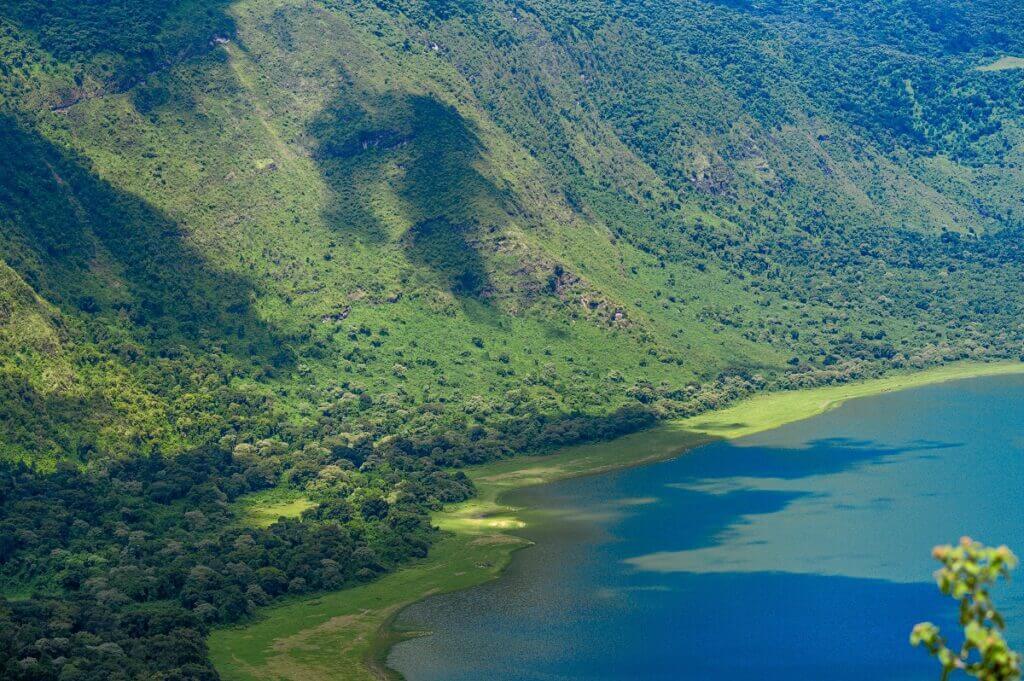
Ngorongoro Crater - World's Largest Intact Volcanic Caldera

Size: 260 square kilometers (crater floor) Crater Depth: 610 meters Established: 1959 UNESCO World Heritage Site: Yes (1979)

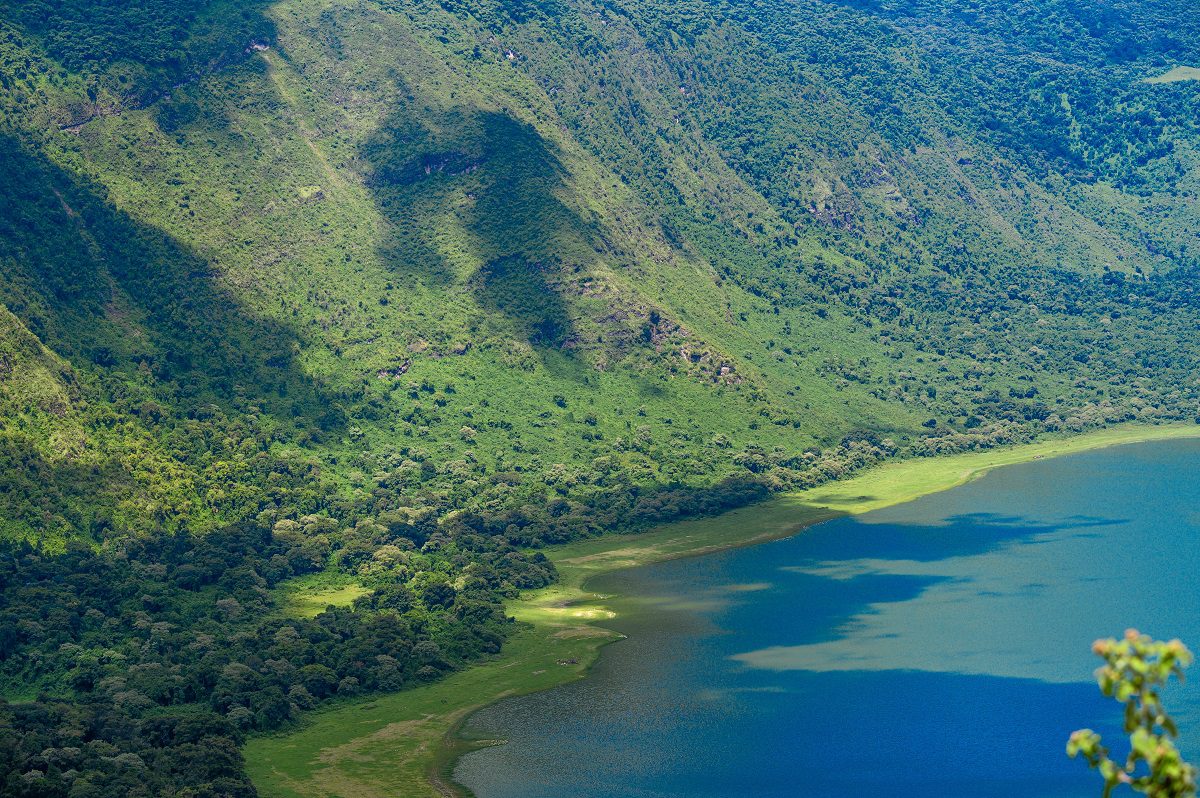
Formed 2-3 million years ago when a massive volcano collapsed, Ngorongoro Crater creates a natural amphitheater hosting Africa’s densest large mammal population. The crater floor provides year-round water and grazing, keeping wildlife resident rather than migratory.

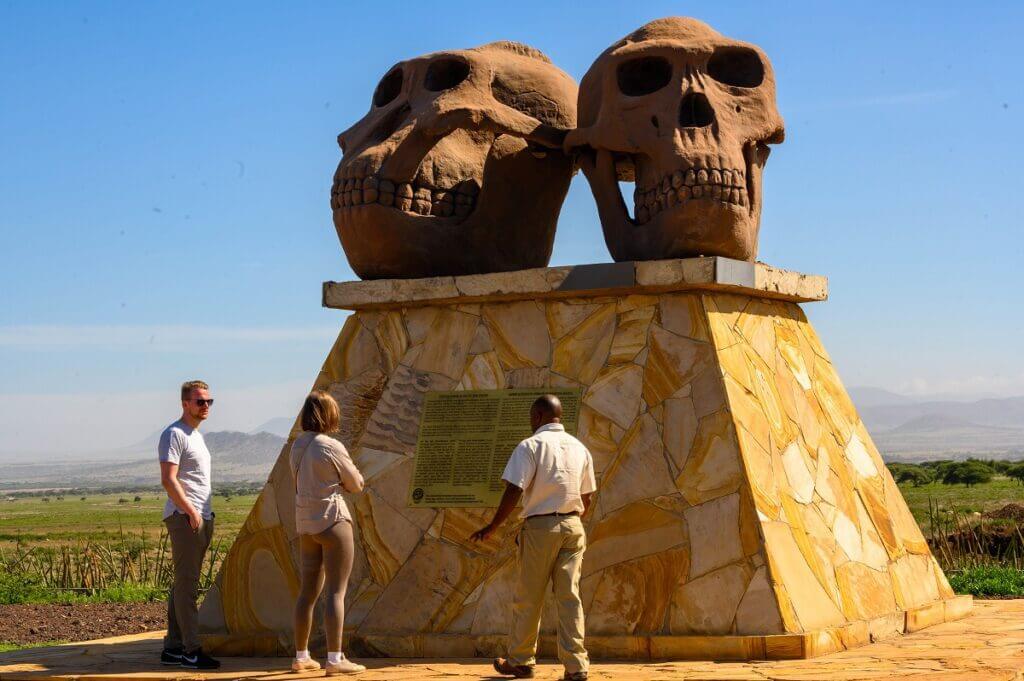
Ngorongoro is a very special place because you can often see all of the Big Five in a single day, thanks to its high number of predators and permanent water sources. The scenery is stunning, with beautiful views mixed with rich wildlife. The area also includes Olduvai Gorge, where some of the earliest human ancestors were discovered.

On the crater floor, more than 30,000 animals live, including 25–30 black rhinos, over 60 lions, more than 100 elephants (mostly males), and huge groups of flamingos around the soda lake. It is a self-contained ecosystem where most animals stay inside the crater instead of migrating. You can also see hippo pools from the crater rim, and the Maasai people live in the wider conservation area, sharing the land with wildlife.

Best Time to Visit: Year-round excellent, best June-October Limitation: 6-hour maximum crater floor stay (conservation measure) Getting There: 185 km from Arusha (3-4 hours’ drive)

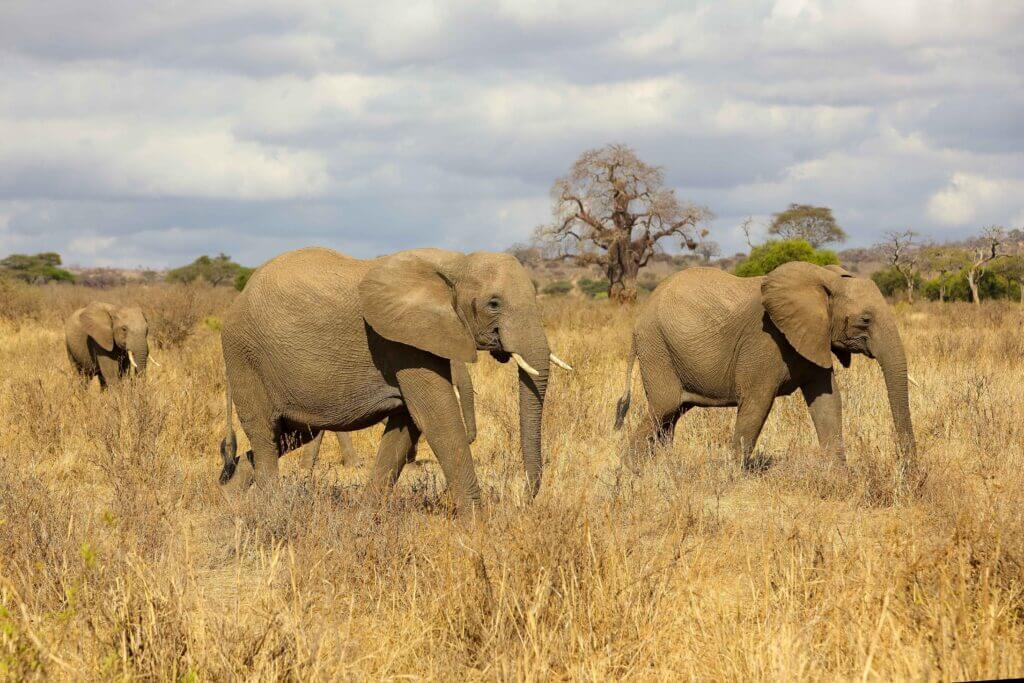
Tarangire National Park - Elephant Paradise

Size: 2,850 square kilometers Established: 1970 Famous For: Largest elephant population in northern Tanzania

Tarangire transforms seasonally, hosting massive elephant herds and diverse wildlife during dry season (June-October) when animals concentrate along the perennial Tarangire River. Ancient baobab trees dot the landscape, creating iconic African safari scenery.

Wildlife Highlights: Tarangire is known for its rich wildlife, especially its large elephant population. More than 3,000 elephants live here, forming the biggest herds in Tanzania. The park is also home to tree-climbing lions, greater kudu (which you won’t find in other northern parks), fringe-eared oryx, huge baobab trees that are over a thousand years old, and more than 550 bird species—making it the best birdwatching area in the country.

Best Time to Visit: The best time to visit Tarangire is from June to October, during the dry season, when huge elephant groups gather around the river. From November to May, the park turns green and lush, with fewer visitors and excellent birdwatching opportunities.

Unique Experiences: Tarangire also offers experiences you may not find in other parks. You can go on walking safaris, and with special permits, enjoy night game drives. The Silale Swamp attracts elephants and buffaloes throughout the year, and if you’re lucky, you might even spot a python climbing a tree.

Getting There: 120 km from Arusha (2 hours drive) Safari Duration: Usually combined with Serengeti/Ngorongoro (add 1-2 days)

Lake Manyara National Park - Tree-climbing lions

Size: 330 square kilometers (230 sq km is lake) Established: 1960 Famous For: Tree-climbing lions, flamingos

This compact park packs impressive biodiversity into a small area. The alkaline lake attracts thousands of flamingos, while dense groundwater forests provide unique habitat for tree-climbing lions.

Wildlife Highlights
Lake Manyara offers a mix of unique wildlife. You can see tree-climbing lions, which is very rare, along with large groups of flamingos that gather seasonally, sometimes more than 300,000. The park is also home to huge buffalo herds, big baboon troops, over 400 bird species, and elephants moving through a beautiful forest setting.

Unique Ecosystems
The park has several different habitats in one compact area. Near the entrance, you find a thick groundwater forest. As you move deeper, the landscape opens into acacia woodlands and grassy floodplains near the lake. The alkaline lake is famous for attracting flamingos, and there are even natural hot springs called Maji Moto along the shoreline.

Best Time to Visit
The best time to visit Lake Manyara is from June to October. From November to June, the flamingos are usually at their peak, making this a great time for birdwatching and photography.

Getting There: 125 km from Arusha (2 hours) Safari Duration: Half-day to full-day, usually combined with other parks.

Arusha National Park - Home of walking safari

Size: 137 square kilometers Established: 1960 Famous For: Mount Meru, walking safaris, diverse landscapes

Located just 40 minutes from Arusha city, this small but diverse park offers unique experiences, including walking safaris, canoeing, and mountain climbing.

Wildlife Highlights
Arusha National Park is home to many animals, including plenty of giraffes, blue monkeys, colobus monkeys, buffaloes, and warthogs. The park also has over 400 bird species, making it great for bird lovers. During certain seasons, flamingos gather around the Momella Lakes, adding beautiful color to the scenery.

Unique Features
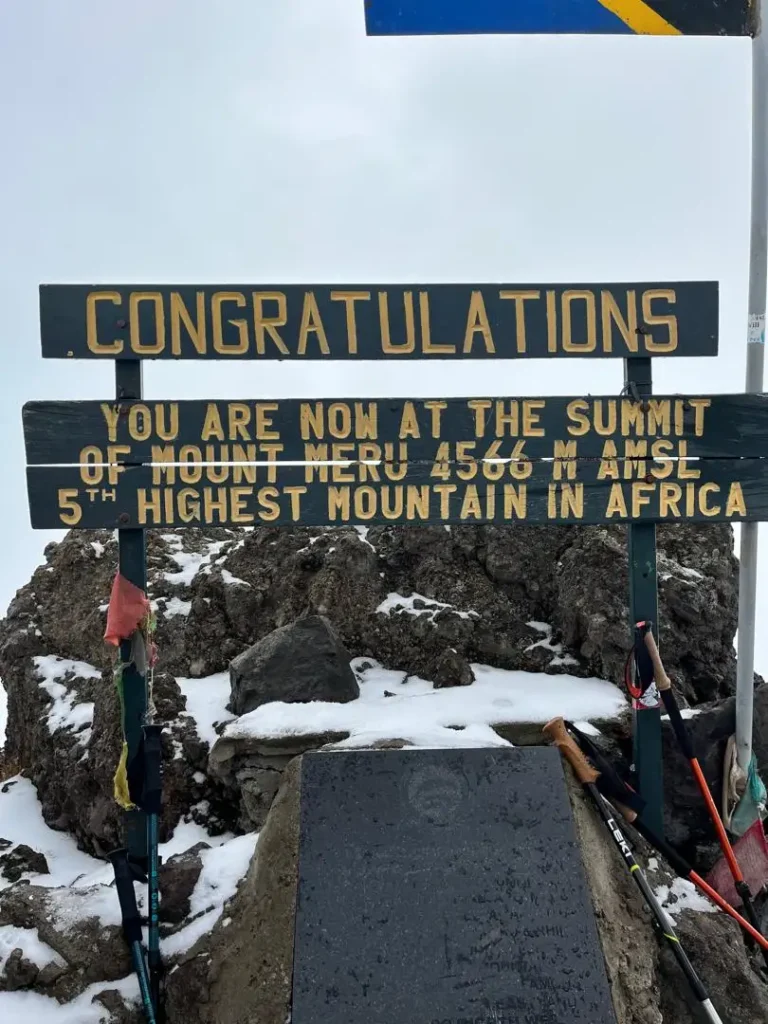
The park offers activities you won’t find in many other parks. Walking safaris are allowed and are safe because there are no lions or elephants inside the park. You can also enjoy canoe safaris on the Momella Lakes for a peaceful water experience. For adventure seekers, Mount Meru, Tanzania’s second-highest mountain at 4,566 meters, offers an exciting climb. The Ngurdoto Crater viewpoint also gives stunning views of the lush crater landscape.

Best Time to Visit: Year-round Ideal For: Day trips from Arusha, acclimatization before Kilimanjaro, walking safari enthusiasts Getting There: 40 km from Arusha (45 minutes’ drive)

Safari Packing List

What to Pack for Tanzania Safari

Complete Checklist for Your Adventure

👕

Clothing Essentials

  • 3-4 long-sleeve shirts (sun/insect protection)
  • 3-4 short-sleeve t-shirts
  • 2 pairs convertible safari pants/trousers
  • 1 pair shorts
  • 1 warm fleece jacket (cold mornings)
  • 1 waterproof rain jacket
  • 1 wide-brimmed safari hat
  • Swimsuit (most lodges have pools)
  • Comfortable walking shoes/hiking boots
  • Sandals for camp
  • 7 pairs underwear and socks
Why Neutral Colors? Bright colors may disturb wildlife; khaki, brown, green, and beige blend naturally. Avoid pure black (attracts tsetse flies).
📷

Photography Equipment

  • Camera body (DSLR or mirrorless recommended)
  • Telephoto lens (300mm minimum, 400-600mm ideal for wildlife)
  • Wide-angle lens (landscapes)
  • Extra batteries (charging limited in some camps)
  • Memory cards (32GB+ capacity, bring multiple)
  • Lens cleaning kit (dust inevitable)
  • Camera bag (weatherproof)
  • Binoculars 8x42 or 10x42 (essential for wildlife viewing)
💊

Health & Toiletries

Medications:

  • Malaria prophylaxis (consult doctor 4-6 weeks before)
  • Anti-diarrheal medication
  • Pain relievers (headache, muscle ache)
  • Prescription medications (bring extra)
  • Motion sickness tablets
  • Antihistamines

Toiletries:

  • Sunscreen SPF 50+ (equatorial sun is intense)
  • Insect repellent with 30%+ DEET
  • Lip balm with SPF
  • After-sun lotion
  • Personal hygiene items
  • Wet wipes/hand sanitizer
  • Toilet paper (public facilities may lack)
📄

Documents & Money

Essential Documents:

  • Passport (valid 6+ months beyond travel)
  • Tanzania visa (get at arrival or online)
  • Yellow fever vaccination certificate (if from endemic country)
  • Travel insurance documents
  • Flight tickets/itineraries
  • Hotel/safari confirmations
  • Copies of all documents (separate from originals)

Money:

  • US dollars (for tips, souvenirs) - bills 2006 or newer
  • Credit cards (Visa/Mastercard accepted in cities)
  • Small denominations for tips ($1, $5, $10, $20)
🎒

Miscellaneous Items

  • Daypack for game drives
  • Flashlight/headlamp (power outages common)
  • Power adapter (UK 3-pin plugs, 240V)
  • Power bank for charging devices
  • Reusable water bottle
  • Safari guidebook/wildlife app
  • Journal for memories
  • Ziploc bags (protect electronics from dust)
  • Dry bag (if visiting Zanzibar after)
⚠️

What NOT to Bring

  • Camouflage clothing (illegal in some areas)
  • Drones (permit required, complicated)
  • Large luggage (especially fly-in safaris: 15kg soft bag limit)
  • Excessive valuables
  • Single-use plastics (Tanzania banned plastic bags)

Tanzania Safari Safety, Health & Visa Information

Health Requirements & Vaccinations

Yellow Fever Vaccination: Required if arriving from yellow fever endemic country. Not required for travelers from Europe, US, Australia but recommended for travel to certain regions.

Recommended Vaccinations: Before your Tanzania safari, doctors recommend several vaccinations to ensure your health and safety. Essential immunizations include Hepatitis A and B, which protect against foodborne and bloodborne infections common in developing countries. Typhoid vaccination guards against contaminated food and water, while tetanus, diphtheria, and polio boosters ensure your routine immunizations remain current. If you plan rural adventures or close wildlife encounters, rabies vaccination provides important protection. During outbreak periods, meningitis vaccination may also be recommended by health authorities.

Malaria Prevention: Tanzania is malaria endemic, with particularly high risk in Serengeti, Tarangire, and all coastal areas including Zanzibar. We strongly recommend consulting a travel clinic 4-6 weeks before departure to discuss prophylaxis options. Three main medications are available: Malarone (Atovaquone-Proguanil) requires daily doses with minimal side effects, Doxycycline offers an affordable daily option though it increases sun sensitivity, and mefloquine (Lariam) provides weekly dosing but commonly causes side effects that some travelers find challenging.

Additional Precautions: Beyond medication, protect yourself from mosquito bites by using DEET insect repellent with 30% concentration or higher, especially during dawn and dusk when mosquitoes are most active. Wear long-sleeve shirts and pants during these peak biting times, sleep under the mosquito nets provided at all accommodations, and consider applying permethrin treatment to your clothing for extended protection throughout your safari.

Traveler’s Diarrhea: Stomach issues are common among travelers in developing countries, but simple precautions significantly reduce your risk. Always drink bottled or filtered water and never consume tap water, avoid ice in drinks as it’s often made from untreated water, peel fruits yourself to ensure cleanliness, and avoid raw vegetables at local restaurants where washing practices may be inconsistent. Pack anti-diarrheal medication in your safari bag for quick relief if symptoms develop despite precautions.

Travel Insurance: We strongly recommend comprehensive travel insurance covering medical emergencies, as Tanzania’s remote safari areas have limited medical facilities. Most critically, ensure your policy includes emergency evacuation coverage since flying doctor services cost $50,000 or more. Your insurance should also cover trip cancellation and interruption, lost or delayed luggage, and adventure activities, including safari game drives and any optional experiences like hot air balloon rides or walking safaris.

Visa Requirements

Who Needs Tanzania Visa: Most nationalities require visas to enter Tanzania. We recommend checking the official Tanzania Immigration website for your specific country’s requirements, as policies occasionally change.

Visa Options

Visa on Arrival remains the most popular option for many travelers, costing $50 for most nationalities though US citizens pay $100. You can obtain this visa at Kilimanjaro International Airport, Dar es Salaam’s Julius Nyerere Airport, or Zanzibar’s Abeid Amani Karume Airport. Processing typically takes 30-60 minutes depending on arrival volumes, and payment must be in US dollars cash using bills printed in 2006 or later, as older bills are often rejected.

E-Visa (Recommended) offers the most convenient option by allowing you to apply online at eservices.immigration.go.tz approximately 1-2 weeks before your travel dates. The cost matches visa on arrival pricing at $50 for most nationalities and $100 for US citizens. Processing takes 5-10 business days, after which you’ll receive confirmation to print and present at immigration, significantly reducing your airport wait time.

East Africa Tourist Visa provides excellent value for travelers visiting multiple countries, costing $100 and granting access to Kenya, Uganda, Rwanda, and Tanzania. This visa particularly benefits those combining Tanzania safaris with gorilla trekking in Rwanda or Uganda, or extending to Kenya’s Maasai Mara. You can apply online before departure or obtain it on arrival at any participating country’s airport.

Passport Requirements

Your passport must remain valid for at least 6 months beyond your entry date into Tanzania, contain a minimum of 3 blank pages for stamps and visas, and be in good condition as immigration officials may reject damaged or excessively worn

Safari Safety Tips

Wildlife Safety: Your safety during Tanzania safari game drives depends entirely on following basic wildlife protocols. Never exit your vehicle unless your guide explicitly permits it, as predators and other dangerous animals may be closer than they appear. Keep windows closed when near predators, especially lions and leopards who may investigate vehicles. Avoid sudden movements or loud noises that might startle animals, particularly elephants who can become aggressive when surprised.

Always respect minimum viewing distances, especially with elephants who have poor eyesight but excellent memories and may charge if they feel threatened. Never feed wild animals under any circumstances, as this dangerous practice habituates them to humans and creates serious problems. Most importantly, follow your guide’s instructions always and without question, as they possess years of experience reading animal behavior and assessing situations.

Safari Safety Tips

General Safety: Tanzania is generally safe for tourists, with safari areas experiencing very low crime rates compared to urban centers. Stick to established tourism areas where infrastructure and security are well-developed, avoid displaying expensive jewelry, cameras, or large amounts of cash unnecessarily, and use hotel safes for passports, extra cash, and valuables. Exercise increased caution in Arusha and Dar es Salaam city centers, where petty theft occasionally occurs; don’t walk alone at night even in seemingly safe areas, use only recommended taxi services or hotel-arranged transportation, and beware of safari booking scams by always booking with registered, licensed tour operators like Exceptional Travel Expert.

Night Safety: Most safari camps and lodges are unfenced, meaning wild animals roam freely through the grounds after dark. Always use the provided flashlight or request staff escort when moving between your room and main areas after sunset. Never walk alone at night in camps regardless of how safe they seem, as elephants, buffalo, and other dangerous animals frequent lodges seeking water and vegetation. Zip your tent completely closed before sleeping, even when hot, as curious animals may investigate open tents. Keep all food secured in provided containers or locked areas, as even small amounts attract animals ranging from monkeys to hyenas. Report any animal sightings near your accommodation to staff immediately so they can monitor the situation and alert other guests.

Road Safety: Tanzania drives on the left side of the road, which may require adjustment for visitors from right-driving countries. Safari roads can be extremely rough with long, bumpy drives over unpaved tracks, so prepare for dusty, bouncing conditions especially during dry season. Always wear seatbelts even on slow game drives, as sudden stops for animal crossings are common. Travel during daylight hours whenever possible, as driving after dark increases accident risk due to poor road conditions and limited lighting. Experienced drivers are essential for navigating Tanzania’s challenging roads, which is why we provide professional drivers with decades of experience on every safari.

Safari Safety Tips

Currency: Tanzania’s official currency is the Tanzanian Shilling (TZS), with exchange rates fluctuating around 1 USD equaling approximately 2,500 TZS. US dollars are widely accepted throughout tourism areas, making currency exchange less critical for safari travelers. Credit cards work in cities and major lodges but prove unreliable in remote areas where cash remains essential. Carry small denomination US bills for tips and minor purchases.

Tipping Guidelines: Tipping forms an important part of tourism industry income in Tanzania. Safari guides typically receive $20-$30 per person per day, reflecting their expertise and the quality of your wildlife experience. On camping safaris, tip your cook $10-$15 per person per day for preparing meals in challenging bush conditions. Lodge staff appreciate $5-$10 per room per night, distributed among porters, housekeepers, and waitstaff. At restaurants, add 10% gratuity if service charges aren’t already included in your bill. Airport and hotel porters expect $1-$2 per bag for their assistance.

Language: Swahili serves as Tanzania’s national language, spoken by virtually all Tanzanians regardless of their tribal background. English is widely spoken throughout tourism areas, safari lodges, and national parks, making communication easy for international visitors. Learning a few useful Swahili phrases enhances your experience and delights locals: Jambo means hello and works as a friendly greeting anywhere, Asante expresses thank you and shows appreciation, Hakuna matata translates to no problem and reflects Tanzania’s relaxed attitude, Pole pole means slowly and you’ll hear it often as Tanzanians encourage patience, and Karibu means welcome and you’ll hear it constantly as Tanzanians greet visitors warmly.

Electricity: Tanzania operates on 220-240V electrical system at 50Hz frequency, using UK-style 3-pin plugs identical to those in Britain, Kenya, and other former British colonies. Bring a universal adapter if your devices use different plug types, as adapters can be difficult to find in safari areas. Power supply can be unreliable, with lodges experiencing occasional outages especially during storms, so bring a fully charged power bank to keep cameras, phones, and other devices operational during game drives and power interruptions.

Internet & Phone: Remote national parks have limited or no mobile service, creating digital detox opportunities during your safari. Most lodges offer Wi-Fi in common areas, though connections may be slow and sometimes expensive, as internet reaches camps via satellite. Local SIM cards are available from providers including Vodacom (most reliable coverage), Airtel, and Tigo, providing affordable data and calling if you need consistent connectivity. WhatsApp works well for communication when internet is available, and many travelers find it the most reliable way to stay in touch with family and coordinate with tour operators.

Time Zone: Tanzania operates on East Africa Time (EAT), which is GMT+3 year-round. The country does not observe daylight saving time, maintaining consistent time throughout the year. This puts Tanzania 8 hours ahead of US Eastern Standard Time, 3 hours ahead of Western European Time, and 7 hours behind Australian Eastern Standard Time, helping you plan communications with home during your safari adventure.

Hikers trekking up Mount Kilimanjaro with porters carrying gear, showing the full mountain crew required for climbing
from $4,440 to $6,720 Per Person

14-Day Lemosho Route Kilimanjaro Climb and Luxury Tanzania Safari

You Visit: Ngorongoro Crater, Serengeti National Park, Tarangire National Park +1 more
View Tour Details
Hikers trekking up Mount Kilimanjaro with porters carrying gear, showing the full mountain crew required for climbing
from $4,440 to $6,720 Per Person

12 Day Machame Route Kilimanjaro Climb and Safari Package

You Visit: Ngorongoro Crater, Serengeti National Park, Tarangire National Park +1 more
View Tour Details
4-Day Mount Meru Climb Tanzania
from $999 to $1,225 Per Person

4-Day Mount Meru Climb Tanzania | Best Meru Trekking Package | Kilimanjaro Acclimatization

You Visit: Arusha National Park, Mount Meru
View Tour Details
4-day Mount Meru climb
from $769 to $898 Per Person

3-Day Mount Meru Climb Tanzania | Affordable Meru Trekking Tour

You Visit: Arusha National Park, Mount Meru
View Tour Details
: Mount Meru day hike from Arusha, trekking Mount Meru Arusha National Park, guided day hike Mount Meru Tanzania, Mount Meru Kilimanjaro acclimatization hike
Materuni waterfall and coffee tour day trip from Arusha
Chemka Hot Springs & Coffee Tour Day Trip from Arusha | Kikuletwa Natural Pool Experience
from $100 to $150 Per Person

Chemka Hot Springs & Coffee Tour Day Trip from Arusha | Kikuletwa Natural Pool Experience

You Visit: Chemka/Kikuletwa Hot Springs
View Tour Details
Tanzania safari costs
from $3,680 to $5,040 Per Person

9-Day Ultimate Tanzania Safari & Zanzibar Beach Holiday Combo

You Visit: Ngorongoro Crater, Serengeti National Park, Tarangire National Park +1 more
View Tour Details
10-Day Ultimate Tanzania Safari & Zanzibar Beach Holiday
from $3,700 to $5,600 Per Person

10-Day Ultimate Tanzania Safari & Zanzibar Beach Holiday

You Visit: Ngorongoro Crater, Serengeti National Park, Tarangire National Park +1 more
View Tour Details
Luxury Tanzania safari honeymoon couple enjoying private bush dinner in Serengeti National Park
from $4,440 to $6,720 Per Person

12-Day Ultimate Tanzania Safari & Zanzibar Beach Holiday

You Visit: Ngorongoro Crater, Serengeti National Park, Tarangire National Park +1 more
View Tour Details
13-Day Safari + Zanzibar Holiday Combination
from $4,888 to $7,215 Per Person

13-Day Tanzania Safari + Zanzibar Beach Holiday Combination

You Visit: Ngorongoro Crater, Serengeti National Park, Tarangire National Park +1 more
View Tour Details
An African Jackal on a 7-Day Selous and Ruaha Fly-in Safari
from $3,780 to $6,225 Per Person

7-Day Selous and Ruaha Fly-in Safari

You Visit: Nyerere National Park, Ruaha National Park
View Tour Details
6-Day Mikumi, Ruaha and Udzungwa Mountains by Train
from $1,280 to $1,862 Per Person

6-Day Safari to Ruaha, Mikumi and Udzungwa Mountains by Train

You Visit: Mikumi National Park, Ruaha National Park, Udzungwa Mountains National Park
View Tour Details
People in a boat at Rufik River on a 4-day safari to Nyerere National Park
from $980 to $1,100 Per Person

4-Day Safari to Nyerere and Mikumi National Park

You Visit: Mikumi National Park, Nyerere National Park
View Tour Details
3-Day Safari to Mikumi National Park from Dar es Salaam
from $545 to $655 Per Person

3-Day Safari to Mikumi National Park from Dar es Salaam

You Visit: Mikumi National Park
View Tour Details
2-Day Safari, Tarangire and Manyara National Park
from $790 to $1,725 Per Person

2-Day Safari, Tarangire and Manyara National Park

You Visit: Lake Manyara National Park, Tarangire National Park
View Tour Details
3-day Mount Meru climb
from $940 to $2,220 Per Person

2-Day Safari, Ngorongoro and Arusha National Park

You Visit: Arusha National Park, Ngorongoro Crater
View Tour Details
2-Day Safari, Ngorongoro and Tarangire National Park
from $900 to $2,181 Per Person

2-Day Safari, Ngorongoro and Tarangire

You Visit: Ngorongoro Crater, Tarangire National Park
View Tour Details
2-Day Safari, Ngorongoro and Lake National Park
from $900 to $2,181 Per Person

2-Day Safari, Ngorongoro Crater and Lake Manyara National Park

You Visit: Lake Manyara National Park, Ngorongoro Crater
View Tour Details
Wildebeest crossing the Mara River during the Great Migration, Northern Serengeti, Tanzania
from $3,440 to $4,440 Per Person

8-Day Great Wildebeest Migration Safari: Witness the Mara River Crossing

You Visit: Ngorongoro Crater, Serengeti National Park, Tarangire National Park
View Tour Details
5-Day Ndutu Southern Serengeti Migration Safari: Calving Season (Dec–Apr)
from $2,300 to $2,775 Per Person

5-Day Ndutu Southern Serengeti Migration Safari: Calving Season (Dec–Apr)

You Visit: Ngorongoro Crater, Serengeti National Park
View Tour Details
Explore Tanzania on a 6-day safari to Serengeti, Lake Eyasi, and Lake Natron with a traditional Maasai village visit.
from $2,580 to $2,700 Per Person

6-Day Safari Serengeti, Lake Eyasi, Natron and Maasai Village Visit

You Visit: Lake Eyasi, Lake Natron, Serengeti National Park
View Tour Details
3-Day Serengeti and Ngorongoro Luxury Safari
from $1,400 to $1,800 Per Person

3-Day Luxury Safari, Serengeti and Ngorongoro

You Visit: Ngorongoro Crater, Serengeti National Park
View Tour Details
4-Day Ultimate Tanzania Safari – Serengeti & Ngorongoro
from $1,960 to $2,220 Per Person

4-Day Ultimate Tanzania Safari – Serengeti and Ngorongoro

You Visit: Ngorongoro Crater, Serengeti National Park
View Tour Details
Hot air balloon safari Serengeti
from $2,810 to $3,830 Per Person

6-Day Serengeti Hot Air Balloon Safari with Bush Breakfast

You Visit: Ngorongoro Crater, Serengeti National Park, Tarangire National Park
View Tour Details
Trekkers ascending through dense rainforest near Umbwe Gate on Day 4 of the climb
from $1,448 to $2,044 Per Person

6-Day Kilimanjaro Climb – Umbwe Route

Route: Umbwe Route • 6 days
View Package Details
Golden sunset over Kikelewa Camp with mountain silhouettes in the background
from $1,448 to $2,043 Per Person

6-Day Kilimanjaro Climb – Rongai Route

Route: Rongai Route • 6 days
View Package Details
rekkers climbing toward Mawenzi Tarn with Mawenzi Peak in view
from $1,671 to $2,305 Per Person

7-Day Kilimanjaro Climb – Rongai Route

Route: Rongai Route • 7 days
View Package Details
Climbers trekking toward Kibo Hut on 5--Day Kilimanjaro Climb Marangu Route
from $1,220 to $1,592 Per Person

5-Day Kilimanjaro Climb – Marangu Route

Route: Marangu Route (Coca-Cola Route) • 5 days
View Package Details
Clear view of Mawenzi Peak from the Marangu Route near Horombo Camp
from $1,410 to $1,836 Per Person

6-Day Kilimanjaro Climb – Marangu Route

Route: Marangu Route (Coca-Cola Route) • 6 days
View Package Details
8-Day Kilimanjaro Climb, Lemosho Route. Sunrise at Stella Point
from $1,890 to $2,620 Per Person

8-Day Kilimanjaro Climb – Lemosho Route

Route: Lemosho Route • 8 days
View Package Details
6 day Kilimanjaro climb Machame route approaching Uhuru Peak
from $2,045 to $2,468 Per Person

6 Day Kilimanjaro Climb Machame Route 2026 From $2,045 PP

Route: Machame Route (Whiskey Route) • 6 days
View Package Details
7 Day Kilimanjaro climb Machame route
from $1,670 to $2,298 Per Person

7 Day Kilimanjaro climb Machame route

Route: Machame Route (Whiskey Route) • 7 days
View Package Details
5-Day Tanzania Honeymoon Safari , High-End Luxury safari
from $3,000 to $40,000 Per Person

5-Day Tanzania Honeymoon Safari – Luxury Experience

You Visit: Ngorongoro Crater, Serengeti National Park, Tarangire National Park
View Tour Details
Uhuru Peak summit view on 7-Day Kilimanjaro climb
from $1,672 to $2,307 Per Person

7-Day Kilimanjaro Climb – Lemosho Route

Route: Lemosho Route • 7 days
View Package Details
Tanzania family safari
from $2,940 to $3,500 Per Person

7-Day Unforgettable Tanzania Family Safari

You Visit: Arusha National Park, Ngorongoro Crater, Serengeti National Park +1 more
View Tour Details
7-Day Golf and Wildlife Safari Tanzania
from $3,885 to $4,702 Per Person

7-Day Exclusive Golf, Balloon Safari and Wildlife Safari

You Visit: Kilimanjaro Golf & Wildlife Estate, Serengeti National Park, Tarangire National Park
View Tour Details
Tanzania travel guide
from $2,150 to $2,750 Per Person

5-Day Ultimate Tanzania Safari, Serengeti and Ngorongoro

You Visit: Lake Manyara National Park, Ngorongoro Crater, Serengeti National Park +1 more
View Tour Details
Great Wildebeest migration crossing the Mara River during the Great Migration, Northern Serengeti, Tanzania.
from $2,940 to $3,500 Per Person

7-Day Great Wildebeest Migration Safari – Serengeti & Mara River crossings

You Visit: Ngorongoro Crater, Serengeti National Park, Tarangire National Park
View Tour Details

What to Expect on a Tanzania Safari

Every safari with Exceptional Travel Expert brings a new and exciting experience. Start your morning with a sunrise game drive across the plains of Serengeti, watch elephants walking through Tarangire, and see lions relaxing under acacia trees. Enjoy a picnic lunch in the bush, meet friendly local people, and finish your day by the campfire or in a comfortable luxury hotels, lodge and tented camps as the stars light up the sky.
Our Tanzania safaris are safe, enjoyable, and full of amazing moments, perfect for both first-time visitors and returning travelers.

Are you looking for a private safari for your dates? Speak to our Tanzania safari specialist to start planning your tailor-made holiday safari for your dates!

Send your inquiry now and our safari experts will reach out within 24 hours! – Let’s begin planning your Tanzania safari!

Maro Tanzania Safari Specialist
Maro | Tanzania Safari Specialist

Frequently Asked Questions About Tanzania Safaris

FAQ: GET ANSWERS

Tanzania safari prices range from $200 per person per day for budget camping safaris to $1,500+ per day for ultra-luxury experiences. Average mid-range safaris cost $350-$600 per day. Total costs depend on safari duration (typically 3-10 days), accommodation level, season, group size, and included activities. A 5-day mid-range safari typically costs $1,750-$3,000 per person total, including accommodations, meals, park fees, vehicle, and guide.

The dry season (June-October) offers peak wildlife viewing as animals concentrate near water sources, though this is also the busiest and most expensive period. For the Great Migration river crossings, visit July-September. To witness the calving season with thousands of newborn wildebeest, visit January-February in southern Serengeti. Budget travelers benefit from wet season discounts (March-May, November) while still enjoying good wildlife viewing. Tanzania is ultimately a year-round safari destination – each season offers unique advantages.

Yes, Tanzania safaris are very safe when following basic precautions and traveling with reputable operators like Exceptional Travel Expert. Tanzania welcomes over 1.5 million tourists annually with minimal safety incidents. Wildlife encounters are safe when you follow guide instructions and never exit vehicles without permission. Most safari lodges and camps employ security staff. Tanzania’s safari areas have very low crime rates. The greatest “danger” comes from not following basic wildlife safety rules – always listen to your guide.

Yellow fever vaccination is required only if you’re arriving from a yellow fever endemic country but recommended for all travelers. Doctors recommend hepatitis A, typhoid, and routine vaccinations (tetanus, etc.). Malaria prophylaxis is strongly advised as Tanzania’s safari regions are malaria zones. Consult a travel medicine clinic 4-6 weeks before departure for personalized recommendations based on your itinerary and medical history.

Tanzania safaris offer excellent chances to see Africa’s Big Five (lion, leopard, elephant, buffalo, rhino), plus wildebeest, zebras, giraffes, hippos, crocodiles, cheetahs, hyenas, wild dogs, and over 400 other animal species. Serengeti and Ngorongoro virtually guarantee Big Five sightings. Bird enthusiasts can spot 500+ species. Your exact sightings depend on parks visited, season, and luck, but Tanzania’s high wildlife density ensures spectacular viewing on any safari.

Swahili and English are spoken. You can get by with English, but learning some Swahili phrases is helpful.

We recommend minimum 5 days to experience Tanzania properly – visiting Serengeti, Ngorongoro Crater, and Tarangire. Three-day safaris work for tight schedules but feel rushed. Seven to ten days allow comprehensive exploration including multiple Serengeti regions, migration viewing, and relaxed pacing. Budget at least one full day for Serengeti (ideally 2-3 days) and one day for Ngorongoro Crater. Add extra days for specific experiences like extended migration viewing or reaching remote parks.

Absolutely! Tanzania safaris welcome families with children of all ages. Children under 5 enter national parks free; ages 5-15 receive 50% discounts on park fees. Choose family-friendly lodges with swimming pools, shorter game drives, and interconnecting rooms. Some activities have age restrictions: hot air balloons typically require minimum 7 years, walking safaris 12+ years. Our experienced guides make safaris entertaining and educational for children while ensuring safety and appropriate pacing.

Pack neutral-colored clothing (khaki, brown, green) as bright colors disturb wildlife. Bring long-sleeve shirts and pants for sun/insect protection, warm jacket for cool mornings, wide-brimmed hat, sunscreen SPF 50+, insect repellent, comfortable walking shoes, camera with telephoto lens (300mm minimum), binoculars, and any prescription medications. For fly-in safaris, pack only soft bags (15kg limit). Don’t forget passport, visa documents, yellow fever certificate, and travel insurance.

Standard safari packages include accommodations, three meals daily, all park entrance fees, a 4×4 safari vehicle with pop-up roof, a professional English-speaking guide, game drives as per itinerary, airport transfers, and bottled water. Exclusions typically include international flights, visas, travel insurance, tips for guides/staff, alcoholic beverages (except luxury packages), hot air balloon safaris ($599-$600), and personal expenses. Always confirm inclusions/exclusions with your operator before booking.

FAQ: GET ANSWERS

Yes! Solo travelers have two main options: book private safari (more expensive as costs aren’t shared) or join scheduled group departures where you share vehicle and costs with other travelers. Group joining safaris offer 30-40% savings versus private options and provide opportunities to meet fellow adventurers. We welcome solo travelers and can match you with departures that fit your schedule.

Both countries offer world-class safaris with the same Great Migration (Kenya’s Maasai Mara July-October, Tanzania’s Serengeti December-June). Tanzania generally offers better value with lower park fees, less crowded parks, and more wilderness. Tanzania’s Serengeti is 4x larger than Maasai Mara, and Ngorongoro Crater has no equivalent in Kenya. Kenya excels in luxury tented camps and easier accessibility. Many travelers visit both countries for comprehensive East African safari experience.

Yes, strongly recommended! Comprehensive travel insurance covering medical emergencies, evacuation (critical – flying doctor services cost $20,000-50,000), trip cancellation/interruption, lost luggage, and adventure activities provides essential protection. Tanzania has limited medical facilities in remote areas, making evacuation coverage crucial. Some safari operators require proof of insurance before departure.

Absolutely! This is one of Tanzania’s most popular combinations – wildlife safari followed by tropical beach relaxation. Daily flights connect Serengeti/Arusha to Zanzibar (1-1.5 hours). Most travelers spend 5-7 days on safari and then 3-5 days in Zanzibar. The combination offers a perfect balance of adventure and relaxation. We arrange seamless transfers and can book integrated packages covering both safari and beach.

Yes, you can go on a safari even if you have a disability. Many safari places are accessible by vehicles and places to stay that are easy to use. They make sure everyone can enjoy the safari, even if they have disabilities or find it hard to move.

Tanzania has amazing 22 national parks, more than 12 game reserves, Mount Kilimanjaro, Mount Meru, Mount Oldoinyo Lengai, Lake Eyasi, Lake Natron, Zanzibar Island. It’s a special place for a safari adventure!

You can book through travel companies or directly with lodges and camps. Make sure to read reviews and choose a trusted place.

The Great Wildebeest Migration is a massive movement of wildebest and zebra in from Serengeti to Maasai Mara in Kenya. It starts in the southern Serengeti in Tanzania around December and heads north Serengeti across to the Maasai Mara river in Kenya by July. Then, it goes back to the Serengeti by October. You can witness it from December to July in Tanzania and from July to October in Kenya.

You can use safari vehicles for game drives. Some places offer walking safaris or hot air balloon rides for a different experience.

Start Your Tanzania Adventure Today

Ready to explore Tanzania’s wildlife?
Share your travel dates, group size, and interests and our experts will create a safari made just for you.

Please let us customize your trip.

GET YOUR CUSTOM ITINERARY

Simple booking form
Scroll to Top