
Kilimanjaro Packing List: Complete Gear Guide for Climbing Mount Kilimanjaro
Kilimanjaro Packing List: Complete Gear Guide
Climbing Mount Kilimanjaro requires careful preparation and the right equipment to safely reach the summit at 5,895 meters (19,341 feet). This comprehensive Kilimanjaro packing list covers everything you need to bring for your trek, from essential clothing layers to technical gear, helping you prepare for all five climate zones you’ll encounter on Africa’s tallest mountain.
Download Your Free Kilimanjaro Packing Checklist
This comprehensive checklist includes everything on this page in an easy-to-print format you can use while packing. Simply check off items as you pack them to ensure nothing is forgotten.
Kilimanjaro's Five Climate Zones
Before diving into what to pack for Kilimanjaro, it’s crucial to understand why you need such varied gear. Your Kilimanjaro climb takes you through five distinct climate zones in just 6-9 days:
1. Rainforest Zone (800m - 2,800m / 2,600ft - 9,200ft)
- Warm and humid conditions (15-25°C / 59-77°F)
- High rainfall probability, especially in rainy seasons
- Dense vegetation and muddy trails
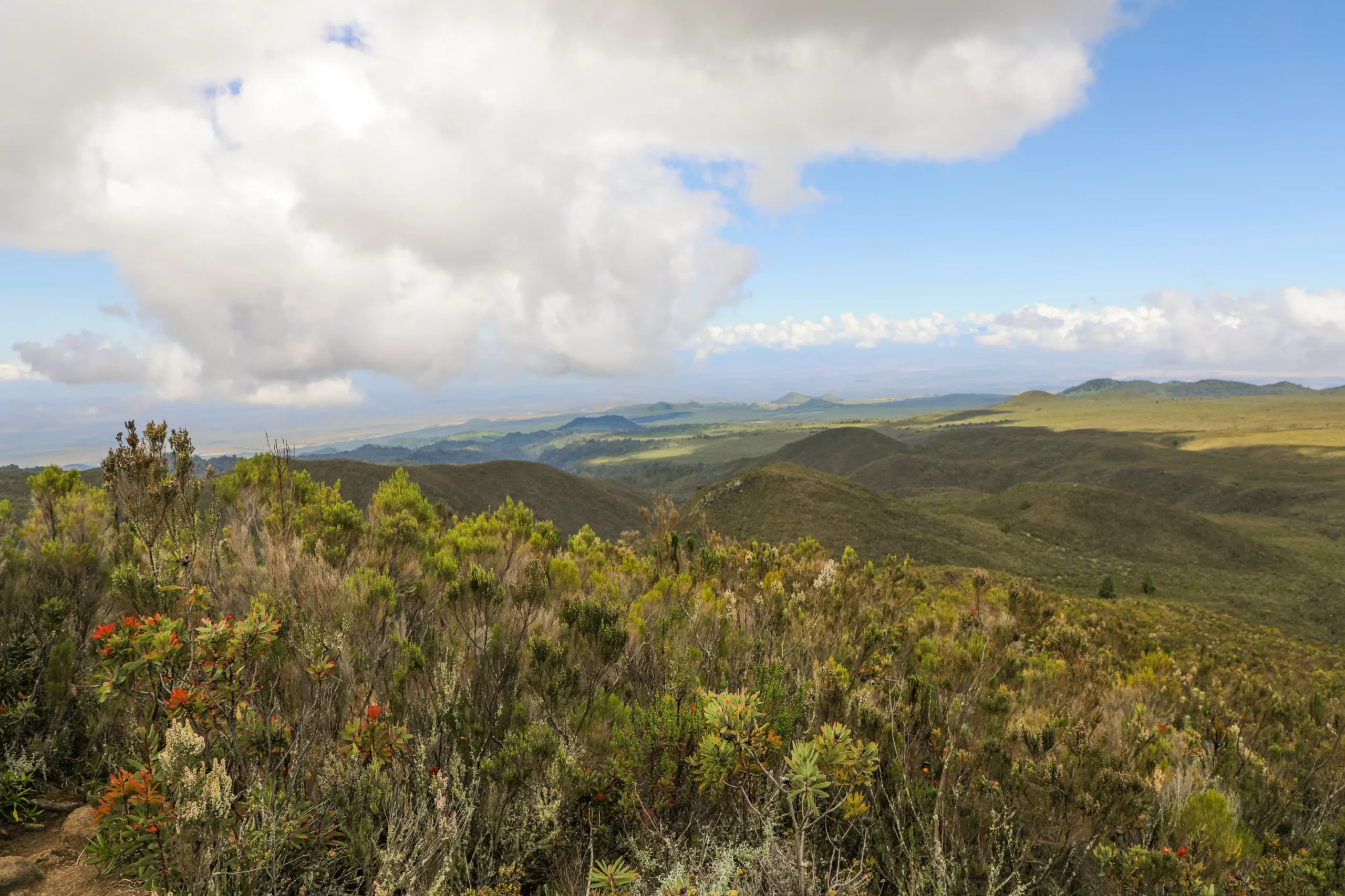
2. Moorland / Heath Zone (2,800m - 4,000m / 9,200ft - 13,000ft)
- Cooler temperatures (5-15°C / 41-59°F)
- Less rainfall, more sun exposure
- Low shrubs, heather, and grasslands
3. Alpine Desert Zone (4,000m - 5,000m / 13,000ft - 16,400ft)
- Dramatic temperature swings (-5 to 15°C / 23-59°F)
- Minimal rainfall, intense UV radiation
- Rocky, barren landscape with sparse vegetation
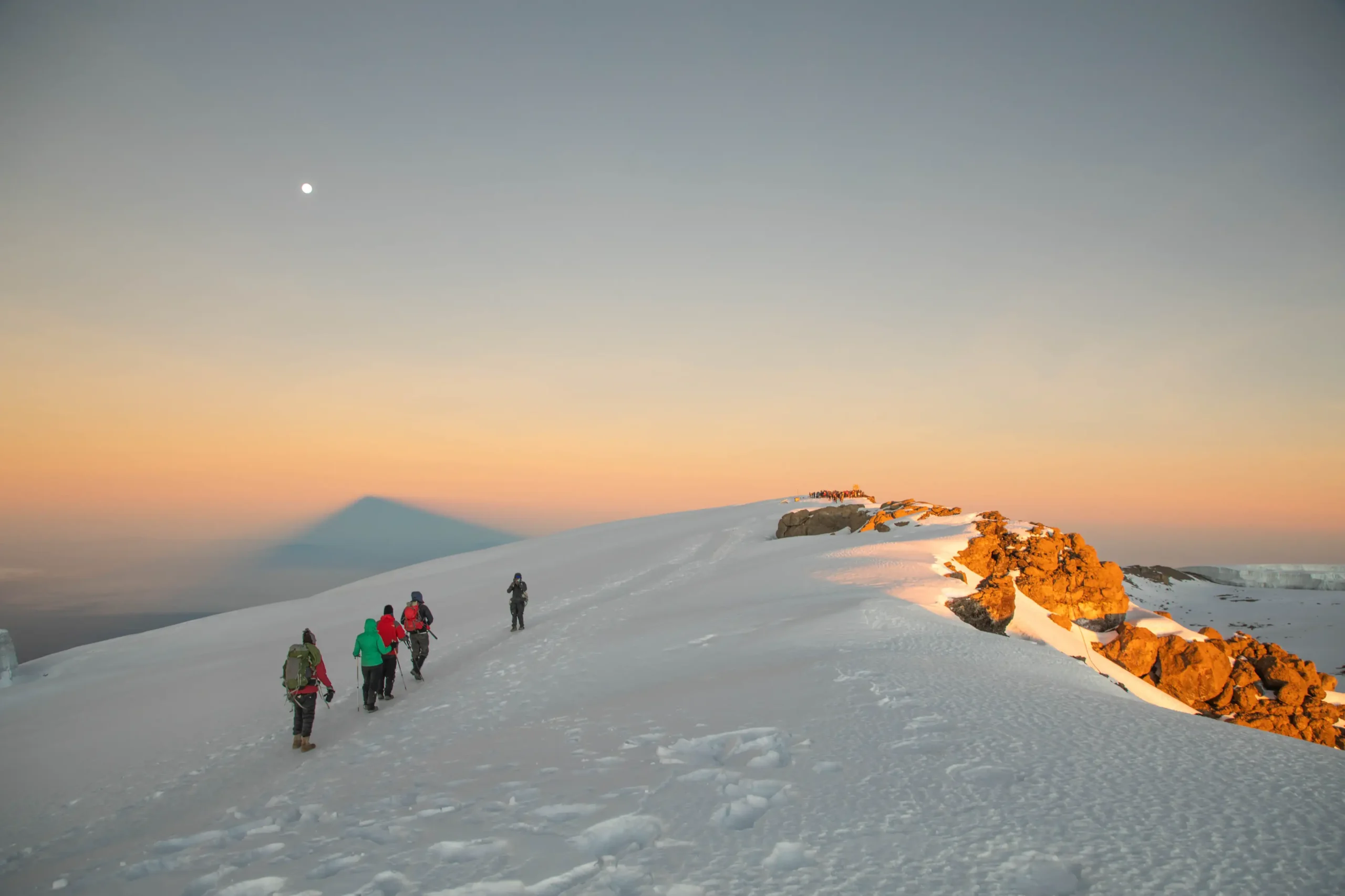
4. Arctic Zone / Summit (5,000m - 5,895m / 16,400ft - 19,341ft)
- Freezing temperatures (-20 to 5°C / -4 to 41°F at summit)
- Glaciers, ice, and snow year-round
- Extreme wind chill, especially on summit night
5. Descent Zone
- Rapid temperature increases as you descend
- Need for lighter layers and sun protection
This dramatic variety means you cannot pack for just one type of weather. Your Kilimanjaro gear list must prepare you for tropical rainforest heat and arctic summit cold, often on the same day.
Essential Kilimanjaro Clothing System: The Three-Layer Approach
The key to staying comfortable on Kilimanjaro is mastering the clothing layering system. You’ll add and remove layers multiple times each day as temperatures change and your activity level varies.
Layer 1: Base Layers (Moisture-Wicking Foundation)
What You Need: Upper Body Base Layers
- 2-3 long-sleeve lightweight base layer tops (merino wool or synthetic)
- 1-2 short-sleeve base layer tops for warmer sections
- Avoid cotton entirely – it retains moisture and will leave you cold
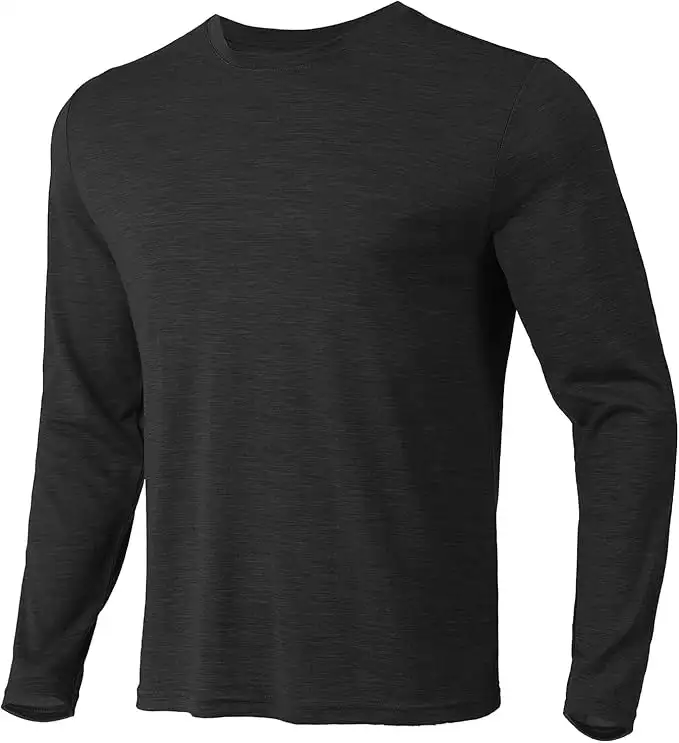

Why This Matters: Base layers sit directly against your skin and wick sweat away from your body. On Kilimanjaro, you’ll sweat during the day and need this moisture moved away from your body before temperatures drop at night. Quality base layers prevent hypothermia and keep you comfortable throughout your climb.
Recommended Materials: Merino wool, natural odor resistance, temperature regulation, soft on skin. Synthetic (polyester/nylon blends), faster drying, more durable, usually cheaper. Avoid, cotton (retains moisture), silk (not warm enough).
Budget Range: $30-$120 per piece depending on brand and material
Layer 2: Insulation Layers (Warmth Retention)
What You Need: Mid-Weight Insulation and Heavy-Weight Insulation:
- 2 mid-weight fleece jackets or sweaters (200-300 weight)
- 1 fleece or soft-shell pants for colder camps and summit night
- 1 down jacket or synthetic insulated jacket (required for summit) – Down jacket: 600-800+ fill power rating recommended and synthetic alternative: Primaloft or similar insulation
- 1 insulated vest (optional but useful for variable conditions)

Layer 3: Outer Shell Layers (Weather Protection)
What You Need: Waterproof/Windproof Shell:
- 1 waterproof rain jacket with hood
Must be fully waterproof (minimum 10,000mm hydrostatic head), should be breathable (Gore-Tex or similar membrane) and Pit zips recommended for ventilation.
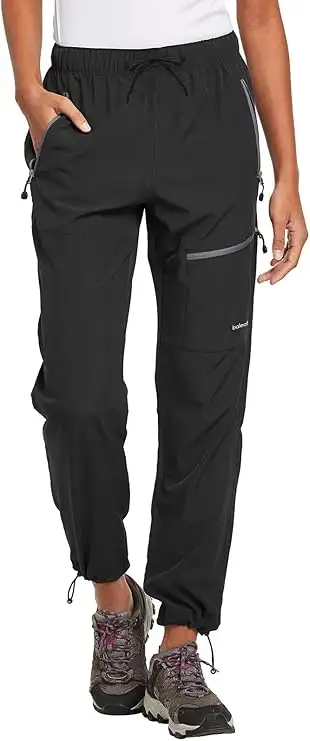
- 1 waterproof rain pants or shell pants
This should be full side zips make them easier to put on over boots and should be roomy enough to fit over insulation layers.
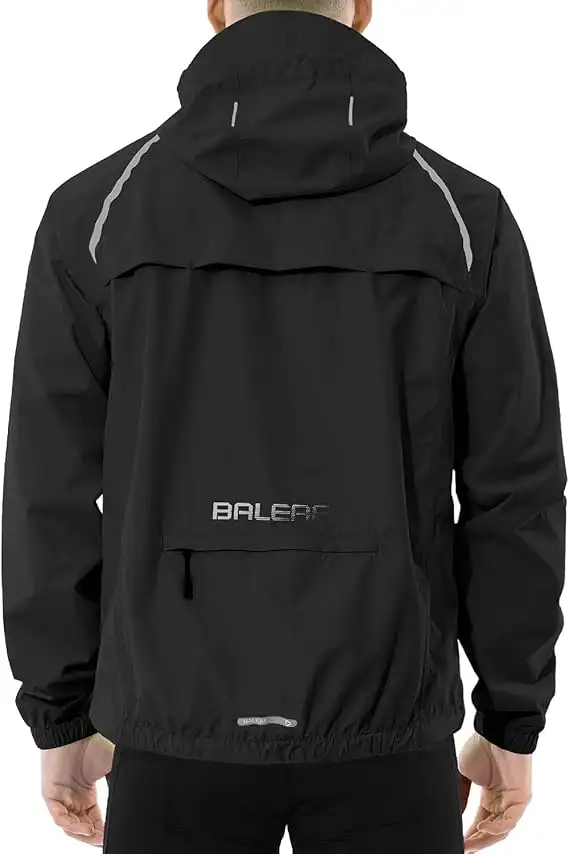
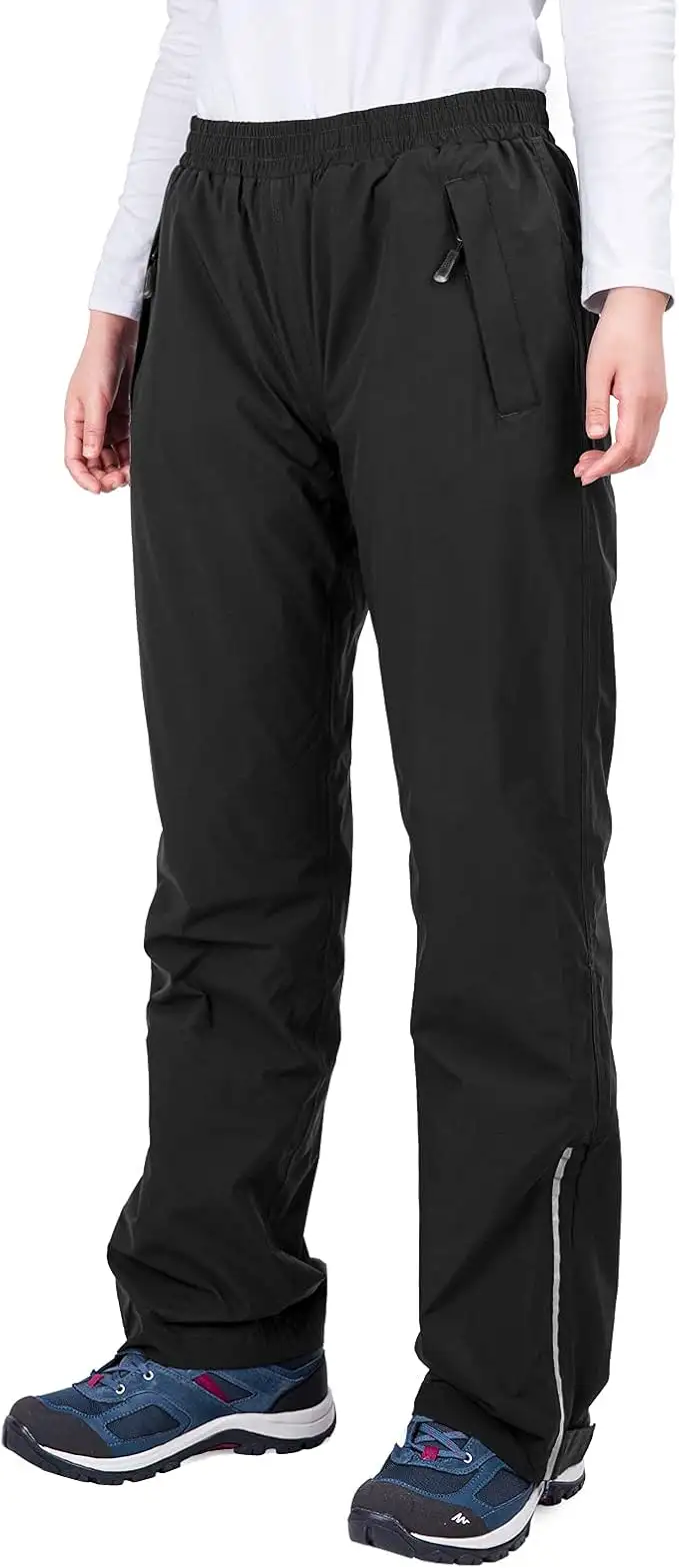
What to Look For: Choose a waterproof shell with a minimum 10,000mm waterproof rating (15,000mm+ ideal) and 10,000g/m²/24hr breathability, with all seams fully taped. Essential features include an adjustable hood that fits over a warm hat, pit zips for temperature regulation during active climbing, multiple accessible pockets, and durable YKK-quality zippers. Budget $100-$500 for a quality waterproof shell that will perform reliably in Kilimanjaro’s variable weather conditions.
Complete Kilimanjaro Clothing Checklist
Upper Body Clothing
Base Layers:
- ☐ 2-3 long-sleeve merino wool or synthetic base layers
- ☐ 1-2 short-sleeve base layer shirts
- ☐ 1-2 sports bras (for women) - must be comfortable for multi-day wear
Insulation:
- ☐ 2 mid-weight fleece jackets or sweaters
- ☐ 1 down jacket or heavy synthetic insulated jacket (essential)
- ☐ 1 insulated vest (optional)
Outer Shells:
- ☐ 1 waterproof rain jacket with hood
- ☐ 1 down jacket or heavy synthetic insulated jacket (essential)
- ☐ 1 insulated vest (optional)
Lower Body Clothing
Base Layers:
- ☐ 2 pairs thermal underwear / long underwear
- ☐ 4-5 pairs moisture-wicking underwear
Hiking Pants:
- ☐ 2 pairs quick-dry hiking pants or convertible pants
- ☐ 1 pair lightweight shorts (optional for warmer lower elevations)
- ☐ 1 pair fleece pants or insulated pants (for camp and summit night)
Outer Shells:
- ☐ 1 waterproof rain pants / shell pants with side zips
Extremities (Hands, Head, Feet)
Hand Protection:
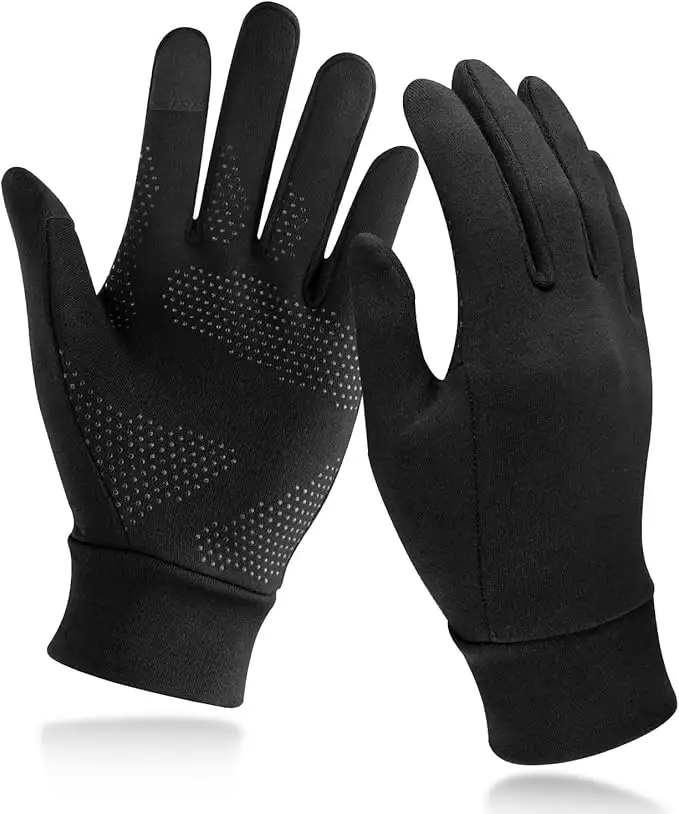
- ☐ 1 pair lightweight liner gloves (for daytime trekking)
- ☐ 1 pair mid-weight fleece or wool gloves
- ☐ 1 pair heavy-duty waterproof insulated gloves or mittens (for summit night)

Socks:
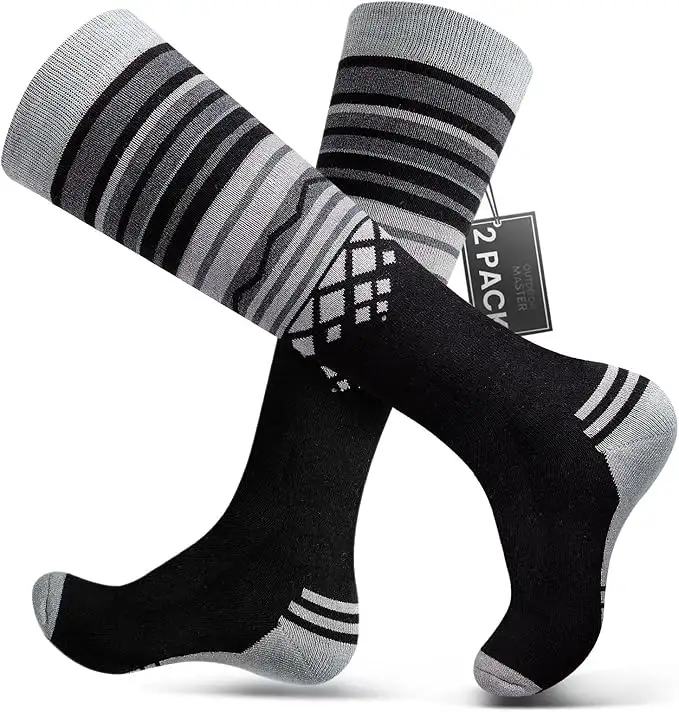
- ☐ 4-5 pairs merino wool or synthetic hiking socks (medium weight)
- ☐ 2-3 pairs thick wool socks for summit night and cold camps
- ☐ 1-2 pairs liner socks (optional but help prevent blisters)
- ☐ 2-3 pairs lightweight socks for sleeping

Accessories
Sun Protection:
- ☐ 1 pair high-quality sunglasses with UV protection (Category 3 or 4 for high altitude). Should have side protection or wrap-around style and consider bringing a spare pair or protective case
- ☐ High SPF sunscreen (30+ minimum, 50+ recommended)
- ☐ Lip balm with SPF (minimum SPF 30)
- ☐ 1 bandana or buff (multi-use: sweat band, dust mask, neck warmer)
- ☐ Hand warmers (chemical heat packs for summit night - optional)


Camp Clothing
Comfortable Clothing for Evening Camp:
- ☐ 1 pair comfortable pants or sweatpants (for wearing in tent/camp)
- ☐ 1-2 long-sleeve shirts for layering in camp
- ☐ 1 pair warm camp booties or thick socks (for inside tent)
- ☐ Underwear and sports bras (bring 5-7 pairs total)
- ☐ Hand warmers (chemical heat packs for summit night - optional)
Kilimanjaro Footwear: Your Most Important Gear Decision
Your boots will take you approximately 65-70 kilometers (40-43 miles) on your Kilimanjaro climb, covering every terrain from muddy rainforest trails to rocky alpine scree to snow and ice. Choosing the right footwear and breaking it in properly is perhaps the single most important equipment decision you’ll make.
Primary Hiking Boots
Requirements:
- ☐ 1 pair waterproof hiking boots (full-leather or synthetic waterproof construction)
- Must be fully broken in before your climb (wear for 50+ miles minimum)
- Good ankle support (high-top or mid-height design)
- Aggressive tread pattern for traction on loose scree
- Room for thick socks without cramping toes
- Waterproof membrane (Gore-Tex or equivalent)
Boot Selection Criteria:
Waterproofing: Essential. Your boots will encounter mud in the rainforest, stream crossings, and potentially snow near the summit. Non-waterproof boots will leave your feet cold, wet, and prone to blisters.
Ankle Support: High-cut boots provide better ankle support, crucial when carrying a daypack on uneven terrain and during the steep descent on loose scree after summit.
Fit: Your boots should fit comfortably with room for thick socks and slight toe wiggle. Your toes should not touch the front when going downhill (this causes black toenails). Try boots on at the end of the day when feet are naturally swollen.
Break-In Period: CRITICAL: Never wear new boots on Kilimanjaro. Break them in over at least 50 miles of hiking, including uphill and downhill sections similar to what you’ll encounter on the mountain. Blisters from new boots can end your summit attempt.
Recommended Brands
Camp Shoes / Secondary Footwear
What You Need
- ☐ 1 pair lightweight camp shoes, sandals, or running shoes
Purpose: After 5-8 hours of hiking each day, your feet need relief from heavy boots. Camp shoes allow your feet to breathe, dry out, and recover at each camp.
Options: Budget Range: $30-$100
- Lightweight trail runners: Comfortable, provide foot support, can be used for trekking if boots become uncomfortable
- Sport sandals with straps (Teva, Chaco): Lightweight, let feet breathe, easy to slip on
- Crocs or slip-on clogs: Very lightweight, easy to pack, comfortable for camp
- Lightweight hiking sandals: good compromise between support and breathability
Gaiters (Full lenght and Ankle gaiters)
What You Need
- ☐ 1 pair waterproof gaiters (covering from ankle to knee)
Technical Climbing Gear for Kilimanjaro
While Kilimanjaro is classified as a non-technical climb (no ropes, ice axes, or crampons needed on standard routes), several pieces of technical gear are essential or highly recommended for your safety and comfort.
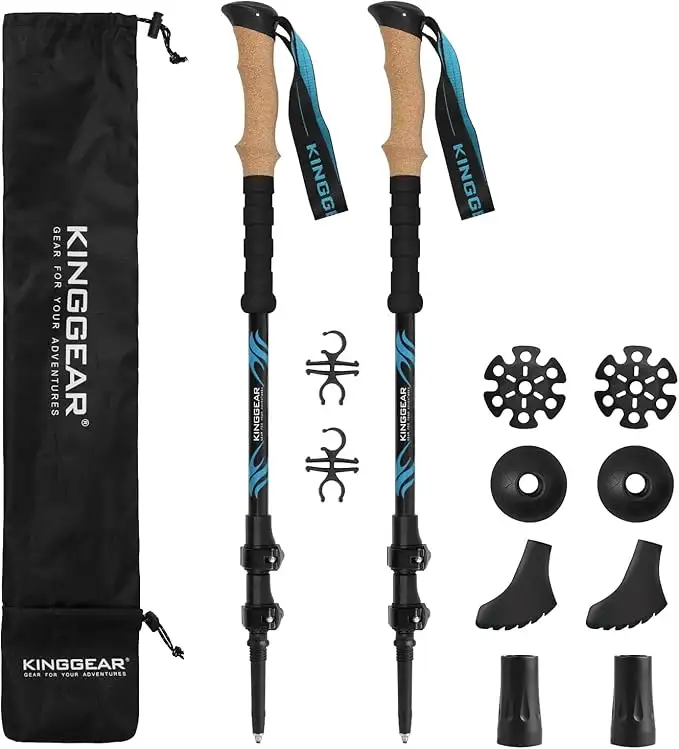
Trekking Poles
What You Need
- ☐ 1 pair adjustable trekking poles (highly recommended, borderline essential)
Features to Look For
Material Choices: Budget Range: $40-$200
- Aluminum poles: Durable, affordable, slightly heavier
- Carbon fiber poles: Lighter weight, more expensive, can break if impacted

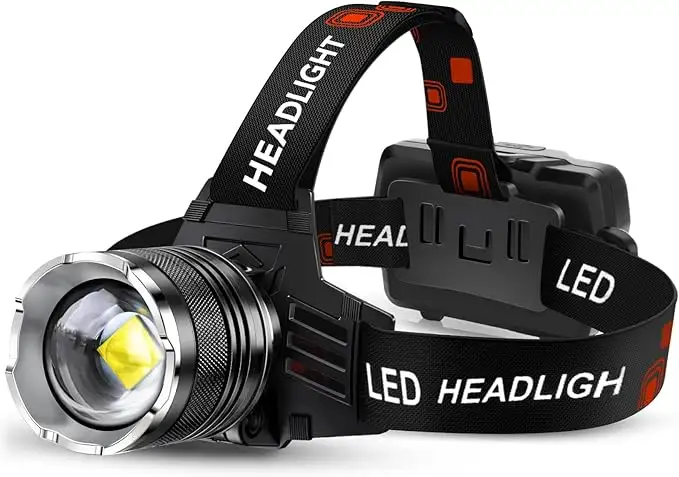
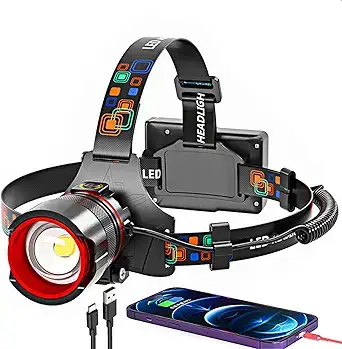
Headlamp / Head Torch
What You Need
- ☐ 1 LED headlamp with adjustable brightness
- ☐ Extra batteries (at least one full spare set, preferably two)
Features to Look For
Water Bottles and Hydration System
What You Need
- ☐ 2-3 wide-mouth water bottles (1-liter capacity each, minimum 3 liters total) OR
- ☐ 1 hydration bladder system (2-3 liter capacity) + 1 water bottle
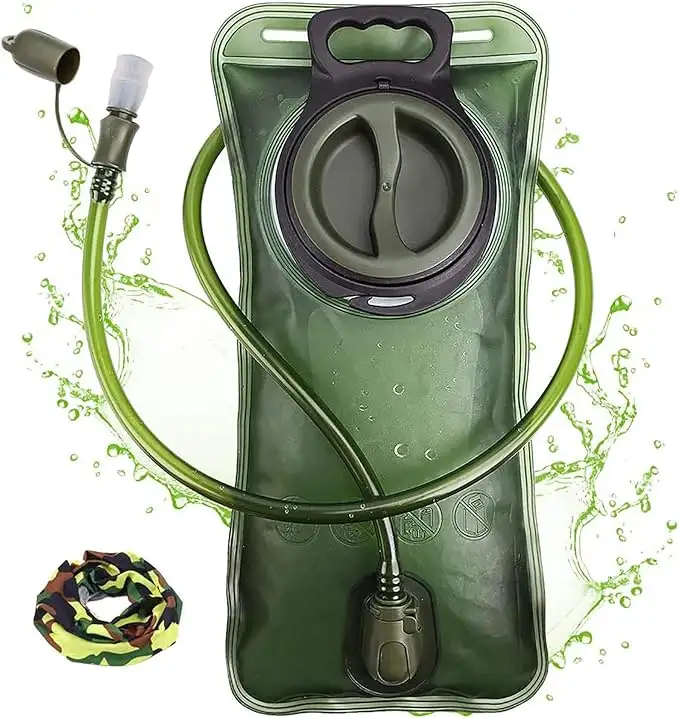

Why Hydration is Critical: Proper hydration is the single most important factor in preventing altitude sickness and maintaining energy on Kilimanjaro. You should drink 3-4 liters of water daily, even when you don’t feel thirsty. Dehydration increases your risk of Acute Mountain Sickness (AMS) and reduces your summit chances.
Water Bottles vs Hydration Bladders
Water bottles are generally recommended for Kilimanjaro because they’re easy to monitor, can be filled with hot water at night to warm your sleeping bag, don’t freeze as easily at altitude, and are simpler to refill at water stations, with wide-mouth and insulated options being especially useful near the summit. While hydration bladders offer convenient hands-free drinking during the day, their tubes typically freeze above 4,500 meters, making them useless for summit night, and they’re also harder to monitor and clean.
Best Approach: Many experienced climbers bring both: a hydration bladder for daytime trekking at lower elevations and insulated water bottles for higher camps and summit night. Budget Range: $15-$45 per bottle/bladder
Bags and Packs
Duffel Bag / Kit Bag
What You Need
- ☐ 1 large duffel bag (70-90 liters capacity, waterproof or water-resistant)
Purpose: This bag holds all your climbing gear, clothing, and sleeping equipment. Porters carry it between camps, so you never carry this weight yourself. It must not exceed 15kg (33 lbs) including the weight of the bag itself and your sleeping bag if you bring your own.
Requirements
Packing Strategy: Use stuff sacks or dry bags inside your duffel to organize gear by category (clothing, sleeping gear, camp items) and add extra waterproofing. This makes it easier to find items without unpacking everything at each camp. Budget Range: $40-$150


Daypack / Backpack
What You Need
- ☐ 1 daypack / backpack (25-35 liter capacity)
Purpose: You carry this pack yourself every day while trekking. It holds everything you need during the day: water, snacks, camera, extra layers, rain gear, sunscreen, first aid, and other essentials.
What to Pack in Your Daypack?
- Water (3 liters)
- Snacks and energy bars
- Extra insulation layer (fleece or light down)
- Rain jacket and rain pants
- Warm hat and gloves
- Sunscreen and lip balm
- Sunglasses
- Camera and phone
- Headlamp
- Personal first aid supplies
- Toilet paper and wet wipes
- Any required medications
Sleeping Equipment for Kilimanjaro
Quality sleep is crucial for recovery and acclimatization on Kilimanjaro. Poor sleep due to cold or discomfort reduces your summit chances and increases altitude sickness risk. Invest in good sleeping gear or rent high-quality equipment from your tour operator.
Sleeping Bag
What You Need
- ☐ 1 warm sleeping bag rated to -10°C to -15°C (14°F to 5°F) comfort rating
Why It Matters: Temperatures at high camps (Barafu, Crater Camp) regularly drop to -10°C to -15°C (14°F to 5°F) at night, sometimes colder with wind chill. A sleeping bag rated only to 0°C (32°F) will leave you miserably cold, unable to sleep, and at risk of hypothermia.
- Comfort rating: Temperature at which a typical person sleeps comfortably
- Limit rating: Lower temperature at which a typical person sleeps uncomfortably
- Extreme rating: Survival temperature (not relevant for Kilimanjaro)
Use the comfort rating when choosing your bag. If you tend to sleep cold, choose a bag rated 5°C (10°F) colder than the expected temperatures.
Down vs Synthetic Sleeping Bags
Down Sleeping Bags
Synthetic Sleeping Bags
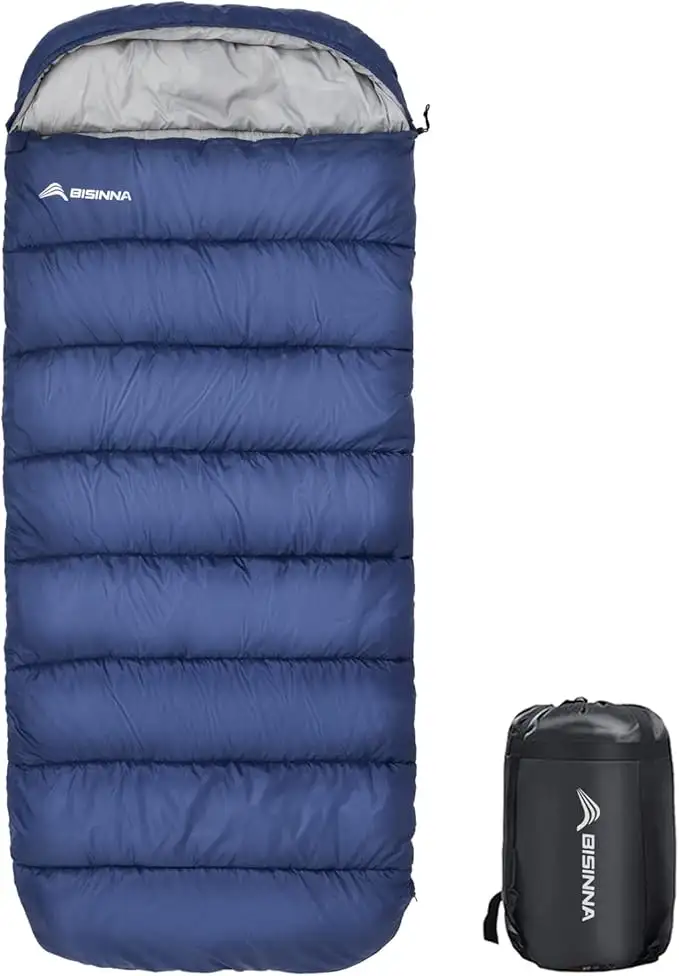
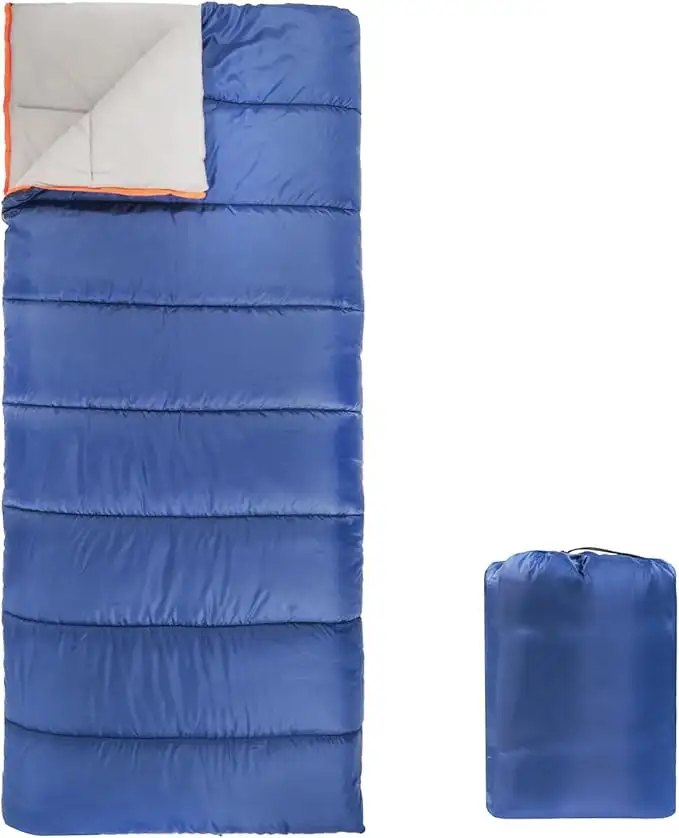
When choosing a sleeping bag for Kilimanjaro, look for essential features that will keep you warm and comfortable at high altitude. A hood with a drawstring seals in warmth around your head, while a draft tube along the zipper prevents cold air from sneaking in. A two-way zipper gives you the option to ventilate if you get too warm during the night, and a stuff sack helps compress and protect your bag during the trek. Quality sleeping bags suitable for Kilimanjaro typically range from $150 to $600 depending on the temperature rating and materials.
Sleeping Bag Liner
What You Need
- ☐ 1 sleeping bag liner (silk, fleece, or synthetic)
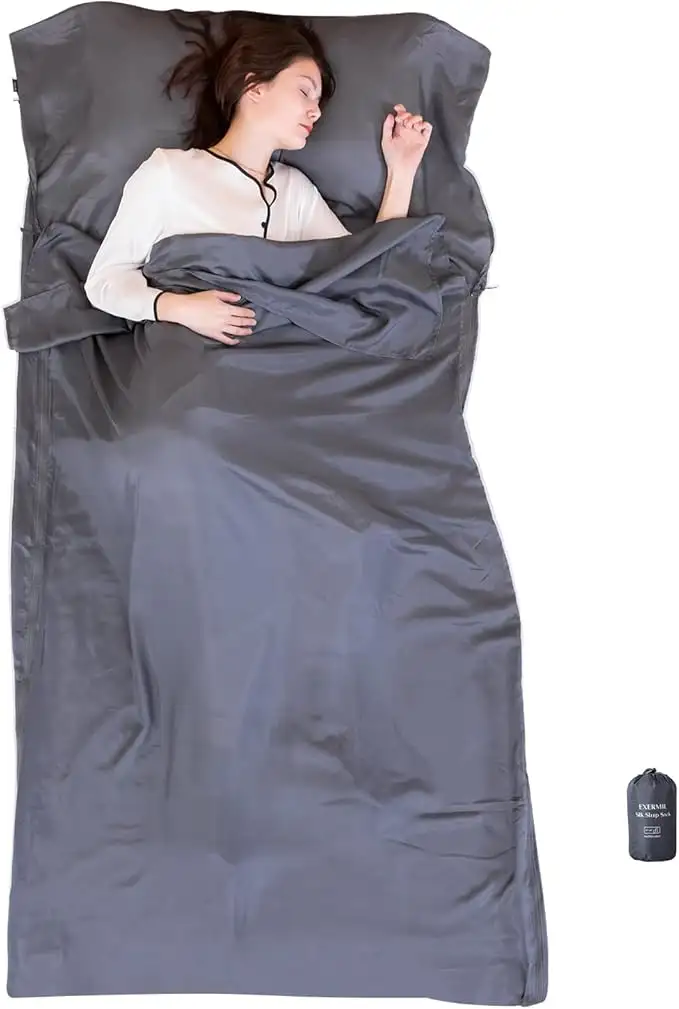
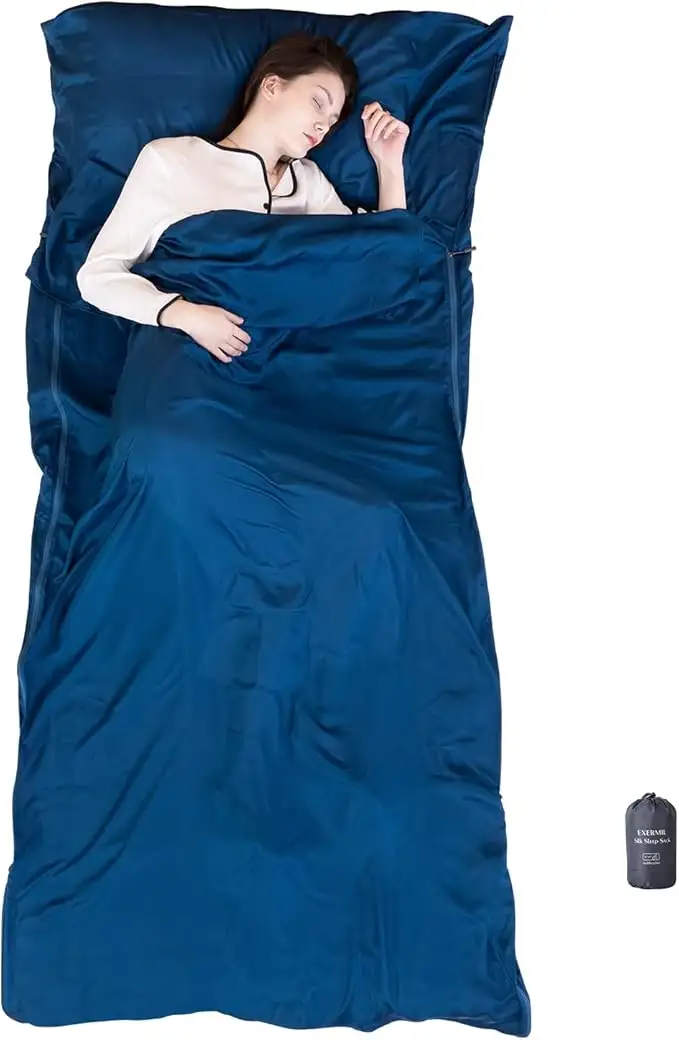
A sleeping bag liner serves several important purposes on your trek. It adds 5-10°C (9-18°F) of extra warmth to your sleeping bag, helping you stay comfortable in colder temperatures. Liners also keep your sleeping bag cleaner since they’re much easier to wash than the bag itself, and they provide a hygienic barrier if you’re using a rental sleeping bag. In warmer conditions at lower camps, you can even use the liner on its own without needing the full sleeping bag.
Foam Sleeping Pad / Sleeping Mat
What You Need
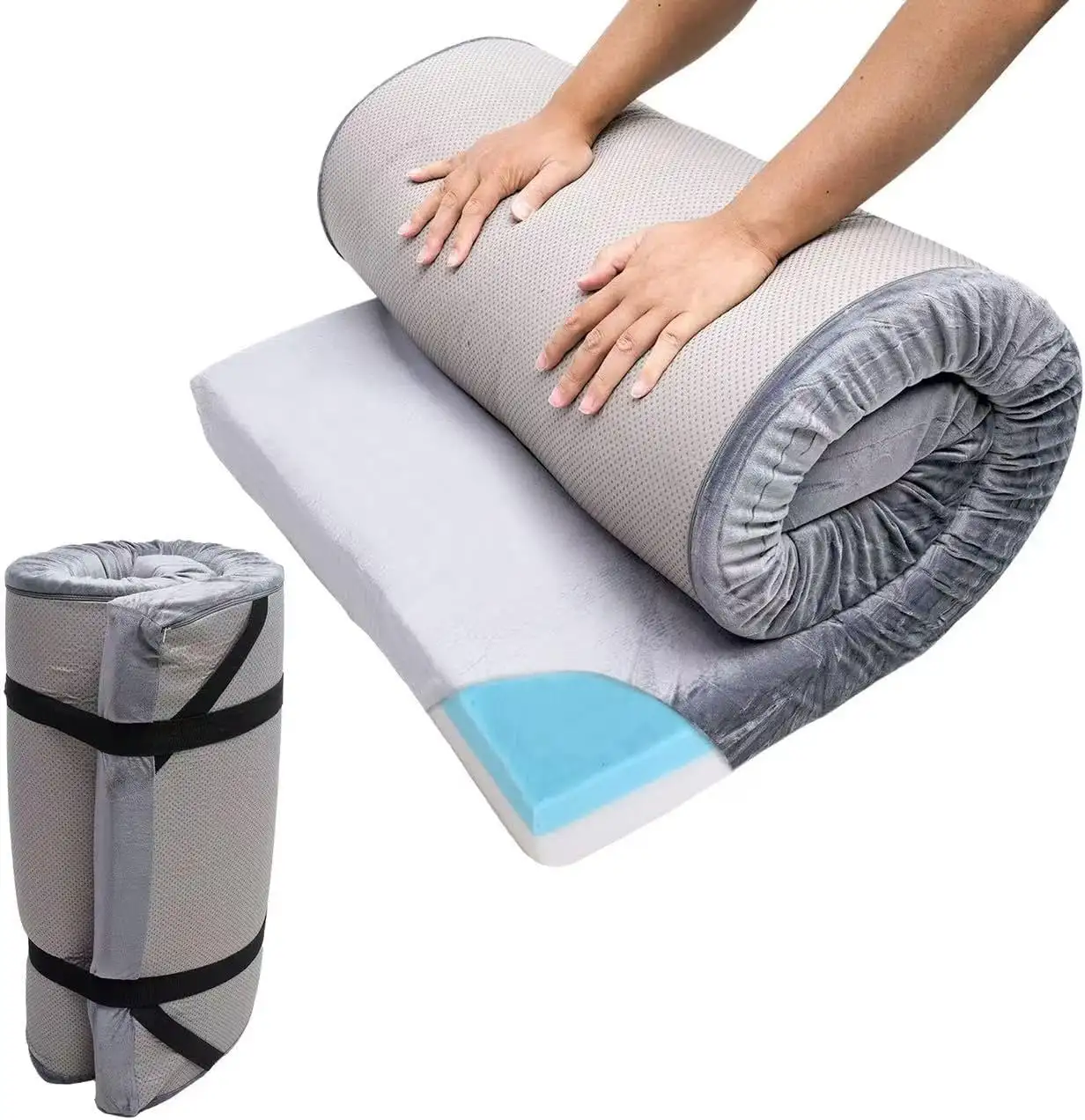
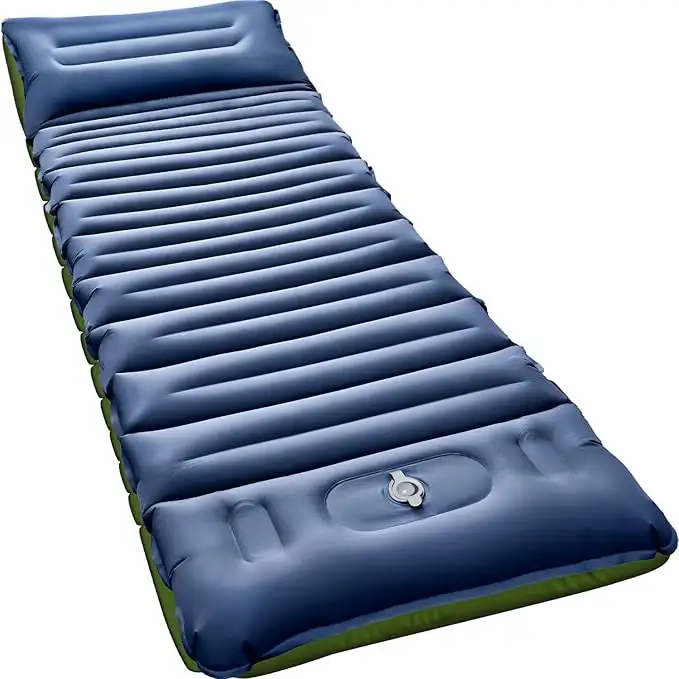
- ☐ 1 insulated sleeping pad (optional - most operators provide foam pads)
Important Note: Most Kilimanjaro tour operators provide basic foam sleeping pads as part of their package. These work adequately for most climbers. However, if you have back issues, sleep cold, or want maximum comfort, consider bringing your own inflatable insulated pad. You can rent insulated pads for $10-$20 for the climb.
Camp Pillow
What You Need
- ☐ 1 inflatable camp pillow (optional but recommended), budget range: $15-$40

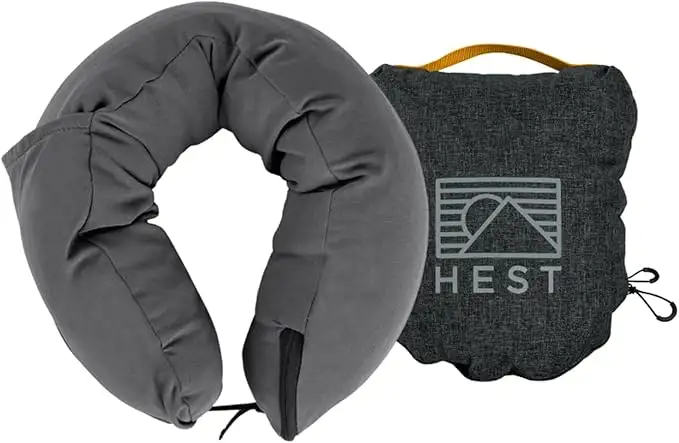
Why Bring One: Quality sleep improves acclimatization and recovery. A small inflatable pillow weighs almost nothing (2-4 oz) and packs down tiny but significantly improves sleep comfort.
Alternative: Stuff your down jacket or spare clothes into a stuff sack to create a makeshift pillow.
Personal Items and Toiletries for Kilimanjaro
Hygiene and Toiletries
There are no showers on Kilimanjaro during your climb. You’ll stay clean using wet wipes, hand sanitizer, and occasional washing with a small basin of water provided by your crew.
What You Need
- ☐ Toothbrush and toothpaste (small travel sizes)
- ☐ Biodegradable soap or body wash (small amount)
- ☐ Quick-dry towel or microfiber towel (small size)
- ☐ Wet wipes / baby wipes (2-3 packs) - essential for daily hygiene
- ☐ Hand sanitizer (2-3 small bottles or one larger bottle)
- ☐ Toilet paper (2 rolls, remove cardboard centers for easier packing)
- ☐ Feminine hygiene products if needed (bring more than you think necessary)
- ☐ Deodorant (optional - you won't smell great regardless)
- ☐ Hairbrush or comb (optional)
- ☐ Prescription medications in original bottles
- ☐ Personal first aid items (blister treatment, pain relievers, etc.)
Sun and Skin Protection
Essential Items
☐ High SPF sunscreen (SPF 50+ recommended, minimum SPF 30). Bring 2-3 small tubes or one larger tube. Reapply every 2 hours during the day and sun intensity increases dramatically at altitude
☐ Lip balm with SPF (SPF 30+ recommended). Bring 2-3 tubes (easy to lose). Lips burn easily at altitude
☐ After-sun lotion or aloe vera (optional but soothing)
Why This Matters: The equatorial sun combined with high altitude means UV radiation is 50-70% stronger on Kilimanjaro than at sea level. Severe sunburn is common among climbers who don’t take sun protection seriously. Sunburn increases dehydration and makes the climb miserable.
Sun and Skin Protection
While your guide carries a comprehensive medical kit, bring personal items for minor issues:
Recommended Personal First Aid Items
- ☐ Blister prevention and treatment (Compeed, moleskin, or similar)
- ☐ Pain reliever / anti-inflammatory (ibuprofen or acetaminophen)
- ☐ Anti-diarrheal medication (Imodium or similar)
- ☐ Wet wipes / baby wipes (2-3 packs) - essential for daily hygiene
- ☐ Antihistamine for allergies
- ☐ Toilet paper (2 rolls, remove cardboard centers for easier packing)
- ☐ Altitude sickness medication (Diamox) if prescribed by doctor
- ☐ Personal prescription medications (bring extras)
- ☐ Antibiotic ointment for cuts and scrapes
- ☐ Bandages and adhesive tape
- ☐ Antiseptic wipes
- ☐ Personal medications for existing conditions
Professional advice on Altitude Medication: Consult your doctor about Diamox (acetazolamide) for altitude sickness prevention. Many climbers take it prophylactically, starting 24 hours before ascent. It’s not mandatory but can significantly reduce AMS symptoms.
Electronics and Technology
Recommended Electronics
- ☐ Camera and extra memory cards. Point-and-shoot or smartphone cameras work well, also DSLRs are heavy but give best photos.
- ☐ Smartphone for photos and GPS tracking apps
- ☐ Portable power bank / battery pack (10,000+ mAh capacity)
- ☐ Universal power adapter for Tanzania (UK-style three-pin plug)
- ☐ Charging cables for all devices
- ☐ GPS watch (optional - useful for tracking elevation and distance)
Important Notes: Keep all your electronics in your carry-on luggage when traveling to Kilimanjaro. Remember that cold temperatures dramatically reduce battery life, so keep your devices warm, and charge everything fully before you start climbing since there’s no electricity available on the mountain. While some camps offer solar charging for a small fee ($5-$10), this service is unreliable, so it’s best not to depend on it.
Money and Documents
Essential Documents
- ☐ Passport (must be valid 6+ months beyond travel date)
- ☐ Photocopies of passport (keep separate from original)
- ☐ Tanzania visa (obtain on arrival or online before travel)
- ☐ Travel insurance documents with emergency contact numbers
- ☐ Flight tickets / itinerary
- ☐ Vaccination certificate (Yellow Fever if required)
- ☐ Hotel reservation confirmations
- ☐ Tour operator contact information and booking confirmations
- ☐ Tour operator contact information and booking confirmations
Money
- ☐ Cash for tips (new, crisp US dollars dated 2002 or later)
- ☐ Credit/debit cards for hotel and restaurant expenses
- ☐ Small bills for incidental expenses in Moshi/Arusha
Digital Backups: Take photos or scan all important documents and email them to yourself or store in cloud storage for emergency access.
Kilimanjaro Packing: What to Rent vs What to Buy
One of the most common questions from first-time Kilimanjaro climbers is whether to buy all new gear or rent equipment in Tanzania. The answer depends on your budget, future trekking plans, and quality expectations.
Strongly Recommend BUYING (Or Already Own)
You must bring your own clothing including all base layers, underwear, socks, hiking pants and shirts, gloves, hats, and any personal items. For footwear, bring hiking boots that are already broken in before the climb, along with camp shoes. Personal items like your daypack, headlamp, sunglasses, water bottles, and all toiletries must also be your own. These items need to fit you properly and be broken in (especially your boots), and they’re too personal to share or rent, as rental clothing is rarely available or hygienic on Kilimanjaro.
Consider RENTING in Tanzania
The best items to rent on Kilimanjaro include a sleeping bag ($30-$50), which saves you from an expensive purchase if you won’t camp in cold conditions again, as operators provide high-quality bags rated for -15°C or colder that are regularly cleaned and maintained. Trekking poles ($15-$25) are widely available in good quality, save luggage space, and are easy to use without prior experience.
Duffel bags ($10-$20) are often included free with tour packages and are sized correctly for porter weight limits. A down jacket ($30-$40) is worth renting if you won’t use it after the climb, since purchasing one costs $200-$400 and it takes up significant luggage space. Finally, gaiters ($5-$15) are inexpensive to rent and have limited future use for most climbers, making them ideal rental items.
Consider BUYING for Long-Term Value
If you plan future treks or cold-weather adventures, certain items are worth purchasing rather than renting. A quality sleeping bag lasts 10-15 years with proper care, making it a smart investment if you’ll camp or trek in cold climates again. Similarly, a down jacket offers excellent long-term value if you live in cold climates or plan other high-altitude treks.
Trekking poles are worthwhile if you’ll continue hiking after Kilimanjaro, as they’re useful for any mountain hiking, not just this climb. Finally, a quality duffel bag has excellent long-term utility if you travel frequently or plan other adventure trips.
Where to Rent Gear in Tanzania
Most reputable tour operators in Moshi and Arusha either include rental gear in their packages or offer it separately, and you’ll also find various rental shops along the main streets of both towns. When renting, always inspect all gear carefully before accepting it—test zippers on sleeping bags and jackets, ensure poles adjust and lock properly, and check that sleeping bag stuff sacks are included. Photograph any existing damage to avoid disputes later, and make sure you understand the return policies and damage fees before finalizing your rental.
Porter Weight Limits: What You Need to Know
Tanzania National Parks regulations strictly limit porter loads to protect worker welfare:
Maximum Porter Load: 20kg (44 lbs) including:
- Porter's personal gear (~5 kg)
- Food and equipment (~5 kg)
- Your duffel bag: Maximum 15 kg (33 lbs)
What's Included in Your 15kg Limit: Your 15kg duffel bag limit includes
- All clothing (layers, camp clothes, summit gear)
- Sleeping bag (if bringing your own)
- Sleeping pad (if bringing your own)
- Personal items and toiletries
- Snacks and extra food
- Camera and electronics (if not in daypack)
- The weight of the duffel bag itself
Most tour operators weigh duffel bags before starting the climb and may ask you to redistribute items if over limit. Bring a small luggage scale to weigh your bag at your hotel before departure to avoid surprises.
What Happens If You're Over Weight?
If your duffel bag is overweight, you’ll need to redistribute items into your daypack or leave excess items at your hotel. Some operators will charge extra for an additional porter, typically around $100-$150, but be aware that overweight bags may be refused by porters altogether, as weight limits are in place to protect their health and safety.
Packing for Different Kilimanjaro Routes
While the core packing list remains the same for all Kilimanjaro routes, certain routes have specific considerations:
Marangu Route (Hut Accommodation)
The Marangu Route offers unique considerations that allow you to pack lighter than other routes. Since accommodation is provided in huts rather than tents, you’ll sleep on bunk beds instead of the ground, making sleeping pads optional and allowing for more comfortable rest. The huts also provide wind protection, making them warmer than camping, and your gear is stored indoors, so you need less waterproofing.
For packing adjustments, you can bring a slightly lighter sleeping bag rated for -5°C instead of -15°C, and while a waterproof duffel is still recommended, it’s not as critical. Additionally, slippers or camp shoes become more useful since you’ll be spending more time indoors in the huts.
Lemosho & Machame Routes (Camping, Rainforest Start)
The Lemosho and Machame routes start with a heavy rainforest section during the first 1-2 days, where mud and moisture are common, though these routes offer excellent acclimatization with longer itineraries and more scenic variation through all climate zones. For packing adjustments, prioritize waterproofing with a quality rain jacket and pants, as these are essential for the wet conditions.
Gaiters are strongly recommended due to muddy trails, especially during the wet season, and bringing extra socks is useful since the rainforest sections are often wet. Camera protection is also important, as while these routes offer beautiful photo opportunities, you’ll need proper weather protection for your equipment.
Rongai Route (Northern Approach, Drier)
The Rongai Route approaches from the north and features a drier climate due to the rain shadow effect, with less vegetation and more exposed sun, making it a good choice during the rainy season since the northern side receives less rainfall. The route offers a gentler gradient but involves longer hiking days. For packing adjustments, extra sun protection is critical due to the more exposed terrain, and dust protection is useful for the dry, dusty trails. A buff or neck gaiter is helpful to protect against both dust and sun, though rain gear remains essential as weather can change quickly even on this drier route.
Rongai Route (Northern Approach, Drier)
The Rongai Route approaches from the north and features a drier climate due to the rain shadow effect, with less vegetation and more exposed sun, making it a good choice during the rainy season since the northern side receives less rainfall. The route offers a gentler gradient but involves longer hiking days. For packing adjustments, extra sun protection is critical due to the more exposed terrain, and dust protection is useful for the dry, dusty trails. A buff or neck gaiter is helpful to protect against both dust and sun, though rain gear remains essential as weather can change quickly even on this drier route.
Northern Circuit (Longest Route)
The Northern Circuit is the longest route, spending 8-9 days on the mountain with the best acclimatization due to its gradual ascent, and it takes you through the most remote sections with fewer climbers while circling the mountain through varied terrain.
For packing adjustments, bring more variety in clothing since you’ll experience all weather patterns, and pack extra socks and underwear as you’ll have a longer time between laundry opportunities. Bring more snacks to cover the additional days on the mountain, and consider entertainment options like a book, cards, or journal since you’ll have more evenings at camp. Extra batteries are also important as you’ll go longer without any charging opportunities.
Umbwe Route (Steepest and Most Direct)
The Umbwe Route is the steepest and most physically demanding route on Kilimanjaro, featuring a direct ascent with limited acclimatization time and challenging terrain with rocky, exposed sections, making it the most technical of the standard routes. For packing adjustments, prioritize your fitness over gear since the route’s difficulty matters more than equipment.
Strong, well-broken-in boots are essential for handling the steep, rocky terrain, and good trekking poles are critical for managing the steep descents. Altitude medication is also recommended due to the fast ascent, which significantly increases the risk of acute mountain sickness (AMS).
Common Kilimanjaro Packing Mistakes to Avoid
Mistake #1: Bringing New, Unbroken-In Boots
The Problem: New boots cause severe blisters within the first day. Blisters can end your climb before you reach high altitude.
The Solution: Break in boots over 50+ miles of hiking before your climb. Wear them on varied terrain with the socks you’ll use on Kilimanjaro. If boots hurt during training, they’ll be excruciating on the mountain.
Mistake #2: Packing Cotton Clothing
The Problem: Cotton retains moisture, dries slowly, and provides no insulation when wet. You’ll be cold, clammy, and miserable.
The Solution: Choose merino wool or synthetic materials exclusively. No cotton t-shirts, cotton underwear, or cotton socks. Check labels on all clothing.
Mistake #3: Under-Packing Socks
The Problem: Most first-timers bring only 3-4 pairs of socks. Fresh, dry socks are critical for foot health and morale.
The Solution: Bring 6-7 pairs of quality hiking socks. Fresh socks daily prevent blisters and are one of the best morale boosters on the mountain.
Mistake #4: Bringing Inadequate Sleeping Bag
The Problem: A sleeping bag rated only to 0°C (32°F) will leave you shivering at high camps where temperatures reach -10°C to -15°C (14°F to 5°F).
The Solution: Bring or rent a sleeping bag rated to -10°C to -15°C comfort rating. Don’t rely on limit ratings. If you sleep cold, go even warmer.
Mistake #5: Overpacking "Just in Case" Items
The Problem: Excessive gear means an overweight duffel bag, making porters’ jobs harder and potentially violating weight limits.
The Solution: Stick to essentials. Ask yourself: “Will I definitely use this?” If the answer isn’t yes, leave it at the hotel.
Mistake #6: Forgetting to Waterproof Electronics and Documents
The Problem: Rain, snow, or duffel bag condensation can destroy phones, cameras, and important documents.
The Solution: Double-bag all electronics and documents in zip-lock bags. Bring waterproof cases for camera and phone. Keep passport in a waterproof pouch.
Mistake #7: Not Bringing Enough Snacks
The Problem: Altitude kills appetite. Provided meals may not appeal to you when you’re exhausted and altitude-affected.
The Solution: Bring familiar, high-energy snacks you know you like. Energy bars, chocolate, nuts, and candy can make a huge difference.
Mistake #8: Leaving Essential Gear in Checked Luggage
The Problem: Airlines lose luggage. If your checked bag with all your gear doesn’t arrive, your climb is in serious jeopardy.
The Solution: Carry-on essentials: hiking boots, critical medications, headlamp, sunglasses, one set of base layers, and charging devices. If your checked bag is delayed, you can buy or rent most other items in Tanzania.
Mistake #9: Not Testing Gear Before Departure
The Problem: Discovering broken zippers, dead headlamp batteries, or leaking water bottles on the mountain is too late.
The Solution: Test ALL gear before packing. Inflate your sleeping pad, test your headlamp, check rain jacket zippers, fill water bottles and shake them to check for leaks.
Mistake #10: Bringing Valuables You Don't Need
The Problem: Expensive watches, jewelry, excessive cash, and non-essential electronics add unnecessary worry and theft risk.
The Solution: Leave expensive items at home. Bring only what’s necessary for the climb. Most items can be locked in hotel storage during your trek.
Final Pre-Departure Kilimanjaro Packing Checklist
Two Weeks Before Departure
- ☐ Lay out ALL gear and cross-reference with this packing list
- ☐ Test all equipment (headlamp, sleeping bag, rain gear zippers)
- ☐ Break in hiking boots if not already done (too late to buy new boots)
- ☐ Purchase any missing items
- ☐ Begin taking Diamox if prescribed (some doctors recommend starting early)
- ☐ Organize gear into stuff sacks by category
- ☐ Charge all electronics and power banks fully
One Week Before Departure
- ☐ Check passport validity (must be 6+ months)
- ☐ Print and organize all documents (flight tickets, insurance, tour operator details)
- ☐ Break in new socks if you bought any
- ☐ Pack snacks and energy bars
- ☐ Withdraw crisp, new US dollar bills for tips
- ☐ Confirm Tanzania visa arrangements
- ☐ Make photocopies of passport and important documents
- ☐ Transfer toiletries to travel-size containers
Three Days Before Departure
- ☐ Pack duffel bag and weigh it (must be under 15kg)
- ☐ Pack carry-on with essentials (boots, medications, one set clothes, electronics)
- ☐ Separate tip money into individual envelopes if doing tipping ceremony
- ☐ Charge all devices fully
- ☐ Test camera and bring extra memory cards
- ☐ Review itinerary and guide contact information
- ☐ Set up travel insurance emergency contacts in phone
Day of Departure
- ☐ Wear hiking boots on plane (saves luggage space, ensures you have them)
- ☐ Carry-on includes: medications, important documents, electronics, one change of clothes
- ☐ Double-check passport and tickets
- ☐ Confirm hotel pickup arrangements in Tanzania
- ☐ Keep tour operator phone number easily accessible
Frequently Asked Questions About Kilimanjaro Packing List
FAQ: GET ANSWERS
If buying everything new, expect to spend $500-$1,500 depending on quality choices. If you already own basics and rent key items (sleeping bag, trekking poles, down jacket), costs drop to $200-$400. Renting major items in Tanzania typically costs $100-$150 total.
Yes, both towns have outdoor shops selling trekking gear, though selection is limited and prices are often higher than home. Quality varies significantly. It’s better to arrive with all essential gear rather than relying on last-minute shopping in Tanzania.
A 70–90-liter duffel bag is ideal. This size accommodates all your gear while staying within the 15kg (33 lbs) weight limit. Larger bags tempt overpacking and add unnecessary weight.
No, renting a sleeping bag from your tour operator is often the best choice. Rental bags cost $30-$50 and are properly rated for cold summit temperatures. Only bring your own if you plan future cold-weather camping trips.
Water bottles are generally better for Kilimanjaro. Hydration bladder tubes freeze at higher elevations, making them useless for summit night. Wide-mouth water bottles are easier to fill, can be filled with hot water as bed warmers, and don’t freeze as easily.
Bring three types: lightweight liner gloves for daytime trekking, mid-weight fleece or wool gloves for camps, and heavy waterproof insulated gloves or mittens for summit night when temperatures can reach -20°C (-4°F).
Yes, most tour operators rent down jackets for $30-$40 for the entire climb. Rental jackets are typically rated for extreme cold and are regularly cleaned. This is a great option if you don’t own a down jacket and won’t use one after Kilimanjaro.
Gaiters are highly recommended for most routes, especially Machame and Lemosho which pass through muddy rainforest sections. They prevent mud, rain, rocks, and snow from entering your boots. Rental costs only $5-$15 for the entire climb.
Wear your hiking boots and one base layer. This saves luggage space and ensures you have critical items if checked luggage is delayed. Layer comfortably for the flight but prioritize having boots and one hiking outfit in case of luggage issues.
Bring 6-7 pairs of quality hiking socks. Fresh, dry socks daily are crucial for blister prevention and morale. This seems excessive but is one of the most appreciated items on the mountain. Include 2-3 thicker pairs for summit night and high camps.
Start Your Kilimanjaro Journey Prepared
Proper gear preparation is the foundation of a successful Kilimanjaro climb. With this comprehensive packing list, you’re equipped with the knowledge to pack efficiently, avoid common mistakes, and focus on what matters most: safely reaching the summit of Africa’s highest peak.
Planning Your Kilimanjaro Climb?
Our team is here to help. Reach out and we'll answer all your questions.
📧 info@exceptionaltravelexpert.com
💬 WhatsApp: +255 766 633 052
☎️ Call: +255 626 058 246
This Kilimanjaro packing list was last updated in December 2025 and reflects current best practices and porter welfare regulations. All information is based on our experience organizing many successful Kilimanjaro climbs and feedback from our guides and clients.