
Kilimanjaro Routes Comparison Guide: Choose Your Best Route to the Summit
Kilimanjaro Routes Comparison Guide: Choose Your Best Path to the Summit
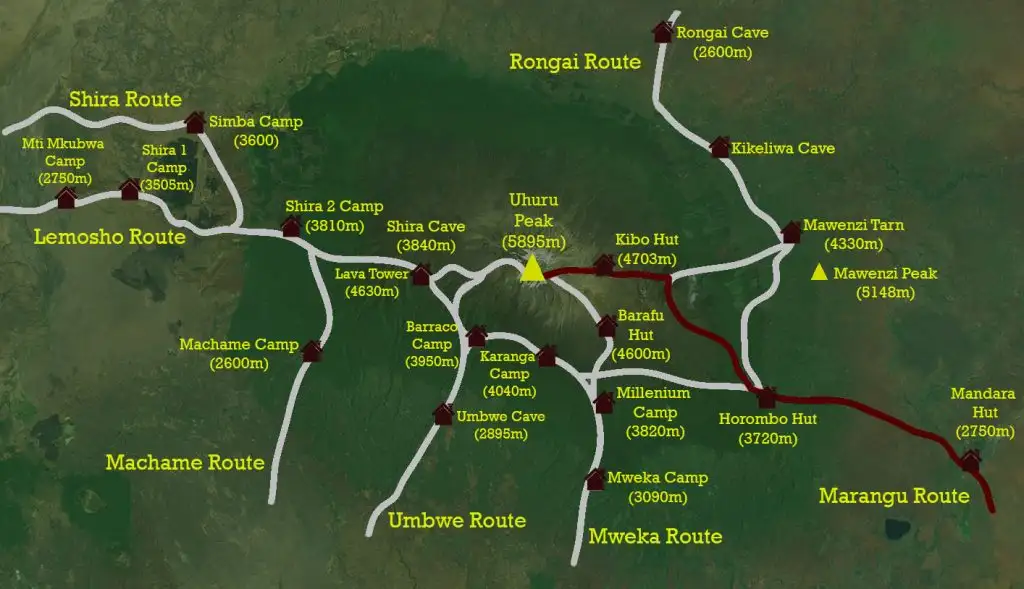
Selecting the right Kilimanjaro climbing route represents one of the most critical decisions in planning your trek to Africa’s highest peak. Each of the seven established routes to Mount Kilimanjaro offers distinct characteristics in terms of scenery, difficulty level, acclimatization profile, success rate, and overall trekking experience. Understanding these differences enables climbers to make informed choices aligned with their fitness levels, experience, budget, and summit objectives.
Download Your Free Kilimanjaro Packing Checklist
This comprehensive checklist includes everything on this page in an easy-to-print format you can use while packing. Simply check off items as you pack them to ensure nothing is forgotten.
Kilimanjaro Routes: The Foundation of Your Climb
Mount Kilimanjaro stands at 5,895 meters (19,341 feet) above sea level, making it the tallest free-standing mountain in the world. The mountain features three volcanic cones, Kibo, Mawenzi, and Shira, with Uhuru Peak at the summit of Kibo serving as the ultimate destination for all trekkers. The Kilimanjaro National Park Authority has established seven official ascent routes, each approaching the mountain from different directions and offering varying experiences.
The seven main Kilimanjaro routes include the Lemosho Route, Machame Route, Marangu Route, Rongai Route, Northern Circuit Route, Umbwe Route, and Shira Route. Additionally, the Mweka Route serves exclusively as a descent path. Most routes converge at higher elevations, with many joining together before the final summit push, yet the approach paths create dramatically different experiences during the initial days of trekking.
Kilimanjaro Route Success Rates: The Most Important Factor
Success rates on Mount Kilimanjaro vary significantly across routes, primarily influenced by the duration of the climb and the acclimatization profile offered by each path. The overall success rate across all Kilimanjaro routes and operators currently ranges between 65% and 75%, a substantial improvement from historical figures that hovered around 45% in the early 2000s. This improvement reflects better route design, increased awareness about acclimatization needs, and climbers making more informed choices about longer itineraries.
Route duration directly correlates with summit success rates. Five-day routes demonstrate the lowest success rates at approximately 27% to 30%, while 6-day Kilimanjaro climb itineraries improve to roughly 44% to 60%. 7-day Kilimanjaro climb routes show success rates between 64% and 70%, and 8-day Kilimanjaro climb routes achieve success rates of 85% to 92%. The longest routes, spanning nine days, reach success rates of 95% to 98%. These statistics underscore the fundamental principle that adequate acclimatization time dramatically increases the likelihood of reaching Uhuru Peak.
The Northern Circuit Route currently holds the distinction of having the highest success rate among all Kilimanjaro routes, with figures ranging from 95% to 98% when undertaken as a nine-day itinerary. The Lemosho Route follows closely, achieving success rates of 90% to 92% on eight-day itineraries and 85% on seven-day versions. The Machame Route demonstrates strong performance with success rates of approximately 90% for seven-day climbs and 85% for six-day options. Conversely, the Marangu Route, despite its reputation as the easiest route, shows the lowest success rates, typically between 42% and 65%, primarily due to shorter itineraries and less optimal acclimatization profiles.
Why Weather Matters for Your Kilimanjaro Climb
Weather conditions directly impact every aspect of your Kilimanjaro experience. Several factors influence the ideal climbing period, including temperature, trail conditions, crowd levels, and gear requirements, but weather, especially rainfall, has the greatest impact. Rain can make trails muddy and treacherous, cloud cover can obscure the spectacular views you’re climbing to see, and wet conditions combined with cold temperatures at higher altitudes can significantly increase the difficulty and danger of your ascent.
However, it’s important to remember that Mount Kilimanjaro, like other mountains, often creates its own weather, meaning you might encounter unexpected conditions regardless of when you climb. Even during the driest months, sudden weather changes can occur, so proper preparation with quality rain gear remains essential year-round.
Month-by-Month Breakdown: When to Climb Kilimanjaro
Kilimanjaro Climate & Climbing Seasons
Monthly Rainfall and Temperature Patterns Throughout the Year
Data Sources
January: The Best Period to Climb Kilimanjaro
January marks the beginning of one of the best periods to climb Kilimanjaro. Mid-January marks the start of one of Kilimanjaro’s drier periods, with weather that is typically mild and stable. This month offers excellent conditions for climbers seeking comfortable temperatures and clear skies.
Weather Conditions: The weather during this month is generally dry, clear, and warm, thus offering excellent visibility for climbers. Daytime temperatures in the lower zones range from 21 to 27°C (70 to 81°F), while nighttime temperatures at higher camps remain cold but manageable. Rainfall is minimal, averaging around 40 mm for the month.
Climbing Experience: Climbing Kilimanjaro in January is traditionally a great month to climb, though there are more people on the mountain. The post-holiday period sees continued traffic from New Year celebrations, but conditions remain favorable throughout the month. There is a high chance to witness snowfall above 14,000 ft, adding to the dramatic mountain scenery.
Summit Success Rates: January typically sees success rates between 75% and 80% across all routes, reflecting the favorable weather conditions and good visibility that help climbers reach Uhuru Peak.
January is best for first-time climbers who want optimal weather conditions, photographers seeking clear visibility, and those who want to combine their climb with a post-trek safari during Tanzania’s high season.
Booking Considerations: Due to the popularity of this month, particularly around New Year’s, booking 6-8 months in advance is recommended. Prices are at peak season rates, but the excellent conditions justify the premium for most climbers.
February: The Peak of Dry Season
February stands out as arguably the single best month to climb Kilimanjaro. February is the warmest month on Kilimanjaro, with mild daytime temperatures, minimal precipitation, and frequent clear skies. The combination of warm weather, dry conditions, and outstanding visibility makes this month highly sought after by experienced climbers and tour operators alike.
Weather Conditions: The weather is mostly warm and dry with less cloud cover, creating ideal trekking conditions. Temperatures are comfortably warm during the day, and rainfall is at its lowest point of the year, averaging just 30mm. The air is exceptionally dry, though this can create dusty trail conditions.
Climbing Experience: This month provides the most reliable weather of the entire year. January and February offer the clearest conditions, with minimal cloud cover obscuring views of the summit or surrounding landscape. The stable weather patterns mean you’re more likely to enjoy spectacular sunrise and sunset photography opportunities.
Summit Success Rates: February boasts some of the highest success rates of any month, typically ranging from 75-85%, as the excellent weather conditions and dry trails make the physical demands of the climb more manageable.
Challenges: Hot weather can make camps and paths dry and full of dust, so climbers should bring buffs or bandanas for dust protection. This is also the busiest month on popular routes like Machame and Marangu, so trails and campsites can feel crowded. Premium pricing applies throughout February.
Best For: Climbers who want the absolute best weather conditions, those on a tight schedule who can’t afford weather delays, and anyone seeking the highest possible success rate for their summit attempt.
March: Transition to Rainy Season
March represents a transitional period on Kilimanjaro, with conditions varying significantly between early and late in the month. March is a transitional month, or shoulder season, where conditions typically change from dry to wet in the middle of the month. The first half of March can still offer excellent climbing conditions, while the latter half sees increasing rainfall as the long rainy season approaches.
Weather Conditions: Early March continues the dry season with pleasant temperatures of 20-26°C (68-79°F) and low rainfall. However, late March sees the beginning of the rainy season, with conditions becoming increasingly wet. Afternoon clouds become more common, and the probability of rain increases significantly after mid-month.
Climbing Experience: The beginning of March is still a good time to climb Kilimanjaro, with many operators still running regular departures during the first two weeks. As the month progresses, you’ll notice more afternoon cloud buildup and occasional thunderstorms. The Mount Kilimanjaro Weather this month is unpredictable, with a higher likelihood of rain and snow compared to January or February.
Summit Success Rates: Success rates decline through March, starting around 70% in early March and dropping to 60-65% by month’s end as weather becomes less predictable.
Best For: Budget-conscious travelers who can travel in early March, experienced trekkers comfortable with some weather uncertainty, and those seeking fewer crowds than peak season while still getting reasonable conditions.
Important Tip: If you must climb in March, aim for the first two weeks and be prepared with high-quality rain gear. Consider routes on the northern side of the mountain, which tend to receive less rainfall.
April: The Wettest Month
April sits firmly in the middle of Kilimanjaro’s long rainy season and is universally recognized as the most challenging month to climb. April is one of the wettest months on Kilimanjaro, firmly within the long rainy season, with daily rainfall common. Most experienced guides and tour operators strongly discourage climbing during this period.
Weather Conditions: April is the worst month for a Kilimanjaro climb because of the likelihood of rain, thunder, and lightning, as well as harsh temperatures and winds at higher altitudes. Rainfall averages 400-600mm, making it the wettest month of the year. Higher elevations often see snow or sleet, and temperatures drop significantly with the precipitation.
Climbing Experience: With rain on the cards each and every day, not only do you risk thunder and lightning, but you risk getting wet and not drying out for the whole trip. Trails become extremely muddy and slippery, visibility is severely limited, and the combination of wet and cold conditions makes the trek physically and mentally exhausting. Climbers can enjoy some amazing views this month if the clouds clear, but with rain on the cards, challenging climbing conditions are due to rain.
Summit Success Rates: April sees the lowest success rates of any month, typically 40-50%, as the harsh weather conditions make it difficult for climbers to reach and maintain summit attempts safely.
Who Should Climb: April is best suited for experienced trekkers who welcome the challenge and don’t mind the weather. The mountain is virtually empty during this time, offering rare solitude for those who appreciate the unique beauty of a rain-soaked mountain.
Route Recommendation: If you must climb in April, hike along the Rongai route, which is located on the northern slopes of Kilimanjaro, near the Kenyan border, and is drier than other routes on the mountain. The northern side receives less precipitation during rainy seasons.
Critical Advice: Unless you’re an experienced mountaineer specifically seeking the challenge, it’s strongly recommended to avoid April entirely and reschedule your climb to a drier month.
May: Late Rainy Season Challenges
May continues the long rainy season, though conditions typically begin improving toward the end of the month. Rainfall typically continues through the end of May, but conditions are often more variable. This month remains quiet on the mountain, with only the most determined or schedule-constrained climbers attempting the ascent.
Weather Conditions: While still quite wet, May sees slightly less rain than April, with 300-400mm of precipitation. Showers tend to occur in the afternoon or at night, and it’s sometimes possible to move between camps without getting wet. Temperatures range from 18-24°C (64-75°F) in lower zones, but upper elevations remain cold with frequent snow.
Climbing Experience: Over the past few years May has been a little drier than normal, giving some climbers better conditions than expected. However, trails remain muddy, views are often obscured by clouds, and the wet conditions persist throughout most climbs. The Rongai Route, which starts from the northern side of the mountain, is often a great choice to climb Kilimanjaro in the month of May.
Summit Success Rates: May sees success rates of 45-55%, slightly better than April but still well below dry season averages. The improving weather toward month’s end offers better prospects for late May departures.
Benefits: The mountain remains quiet, offering a rare sense of solitude and a more personal trekking experience. Prices are significantly reduced, and you’ll have the trails largely to yourself. Snow covered mountain top serves as a major attraction for expert hikers or anyone seeking these conditions.
Best For: Budget travelers who can only climb during this period, experienced hikers who don’t mind wet conditions, and those who value solitude over optimal weather.
Planning Tip: If scheduling forces you to climb in May, target late May departures when conditions begin improving, use the Rongai route for drier conditions, and invest in the best waterproof gear available.
June: Dry Season Returns
June marks the beginning of Kilimanjaro’s long dry season and represents an excellent time to climb. June marks the start of the dry season, the Best Season to Climb Kilimanjaro, as the weather begins to dry up, attracting climbers with the promise of good trekking conditions. The transition from wet to dry conditions makes June an increasingly popular choice among climbers.
Weather Conditions: During June, the rain gradually decreases, and so do the temperatures. This month sees temperatures of 17-23°C (63-73°F), making it cooler than the January-March dry season. Rainfall drops to 30-50mm, with most days clear and dry. On the Mount Kilimanjaro Temperature scale, June might be a bit chillier, especially above 5,000m/16,400 feet, but the views are nothing short of breathtaking.
Climbing Experience: If you are considering climbing Kilimanjaro in June you will traditionally have dryer conditions, more people but not as much as other months like February, August and September. Early June can still see some residual moisture from the rainy season, but conditions improve rapidly as the month progresses. It can be freezing or below freezing from your second night on the mountain, depending on what route you climb up Kilimanjaro.
Summit Success Rates: June typically achieves success rates of 70-75%, reflecting the good weather and clear skies while acknowledging the colder temperatures that can challenge some climbers.
Best For: Those wanting to avoid peak season crowds while still enjoying dry conditions, climbers comfortable with cold weather, and anyone planning to combine their trek with the start of the Great Migration safari season.
What to Pack: Extra warm layers are essential for June climbs. Summit night temperatures can drop to -20°C (-4°F) or lower, so bring a quality four-season sleeping bag and warm summit gear.
Insider Tip: We like climbing Kilimanjaro in June, you will have fewer people than in July and August, making it an excellent compromise between good weather and manageable crowds.
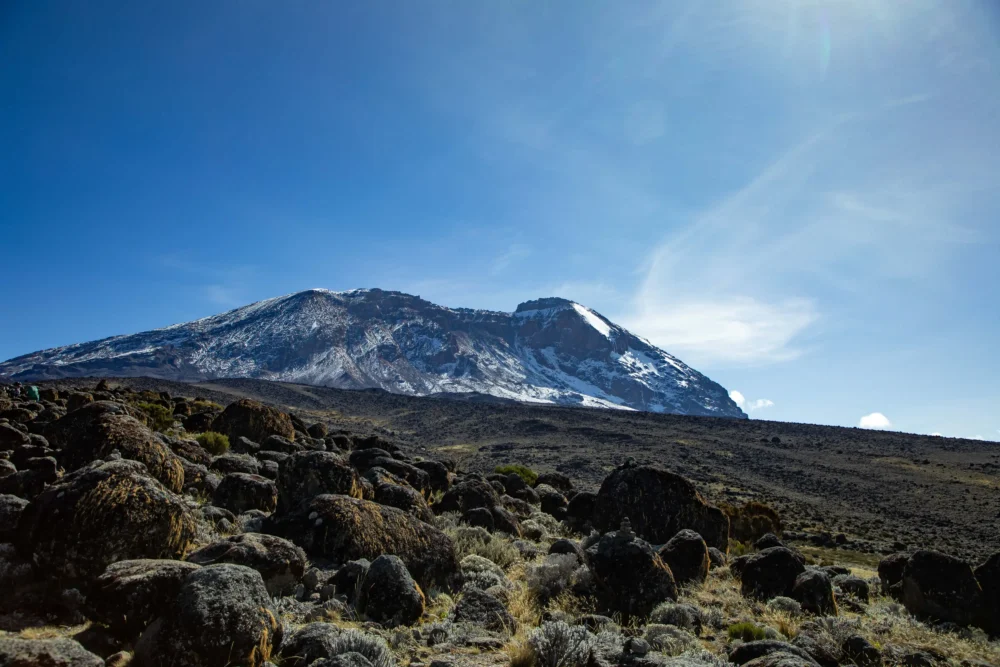
July: Peak Dry Season Begins
July represents one of the busiest months on Kilimanjaro, coinciding with Northern Hemisphere summer holidays. July/August the days on Kilimanjaro are dry and clear but the nights at the higher camps will be bitter cold. This month offers excellent weather conditions but comes with significant crowds and premium pricing.
Weather Conditions: July delivers consistently dry weather with clear skies and outstanding visibility. Temperatures remain cool, ranging from 17-23°C (63-73°F) during the day, but nighttime conditions at altitude are extremely cold. Rainfall is minimal at 20-50mm, making it one of the driest months of the year.
Climbing Experience: The summit chances during July and August are very high already, reflecting the stable weather patterns. However, popular routes can feel crowded, with multiple groups camping at each site. The cold conditions, particularly on summit night, can be challenging for those not properly prepared.
Summit Success Rates: July typically sees success rates of 75-80%, among the highest of any month. The excellent weather and clear conditions help climbers overcome the challenge of cold temperatures.
Crowds and Pricing: This is peak season, with trails at their busiest. Expect to encounter many other groups, and book at least 8-12 months in advance. Prices are at their highest during July.
Best For: Families taking advantage of school holidays, those with fixed summer vacation schedules, and anyone wanting to combine their Kilimanjaro climb with a safari during the spectacular Great Migration period in the Serengeti.
Important Consideration: While July offers excellent weather, the extreme cold at higher elevations means you must bring proper four-season equipment. Don’t underestimate how cold summit night can be.
August: Excellent Climbing Time with Peak Crowds
August shares July’s excellent conditions while adding even warmer temperatures, making it one of the most popular months on the mountain. August and even more so September is the peak climbing season on Kilimanjaro, with weather that is good with many clear days and warmer than in June/July.
Weather Conditions: August offers perhaps the best balance of dry conditions and relatively warm temperatures. Days are consistently clear and dry, rainfall remains minimal, and while nights at altitude are still cold, they’re slightly warmer than June or July. Visibility is exceptional throughout the month.
Climbing Experience: This month represents peak season on Kilimanjaro, with trails experiencing the highest traffic of the year. Popular routes like Machame and Marangu can feel crowded at camps and on trails. However, the excellent conditions and high success rates draw climbers from around the world.
Summit Success Rates: August achieves success rates of 75-80%, matching the best months of the year. The combination of good weather, clear skies, and slightly warmer temperatures than earlier in the dry season helps climbers reach the summit.
Practical Considerations: Due to the popularity of August, booking 8-12 months in advance is essential. Prices remain at peak levels, and accommodations in nearby towns like Moshi and Arusha fill up quickly. Consider less popular routes like Lemosho or Northern Circuit if you want to avoid the worst of the crowds.
Best For: Those who must travel during summer holidays, climbers seeking the best possible weather conditions, and anyone wanting warm daytime temperatures combined with dry trails.
September: Peak Season Continues
September maintains August’s excellent conditions while offering slightly better chances of securing permits and accommodations. The weather is good with many clear days and warmer than in June/July, making September a premium month for climbing.
Weather Conditions: September delivers consistently excellent weather with clear skies, dry trails, and comfortable daytime temperatures. The month sits at the end of the long dry season, so conditions remain stable and predictable throughout. Temperatures are pleasant, and rainfall is minimal.
Climbing Experience: While still busy, September can feel slightly less crowded than July and August as European schools resume and summer holidays end. The weather remains outstanding, and trail conditions are excellent throughout the month.
Summit Success Rates: September typically achieves success rates of 75-85%, among the highest of any month, as climbers benefit from warm daytime temperatures, dry conditions, and clear summit weather.
Transition Period: Late September can occasionally see the first hints of the short rainy season, particularly after mid-month, though this is uncommon. Most of September enjoys stable dry conditions.
Best For: Climbers with flexible schedules who want excellent conditions with marginally fewer crowds than July-August, and those seeking to maximize their summit success chances.
Booking Advice: While September remains popular, it’s sometimes possible to book with 4-6 months’ notice, especially for early or mid-September departures. Prices remain at peak season rates.
October: Shoulder Season Begins
October represents a transitional month as Kilimanjaro moves from the long dry season toward the short rains. The weather on Kilimanjaro becomes increasingly unstable and the number of climbers drops. Early October still offers excellent conditions, while late October can see more variable weather.
Weather Conditions: As in all tropical regions of the world, the wetter time of the year announces itself with afternoon clouds and occasional thunderstorms. Early October typically remains dry with clear mornings, while late October sees increasing cloud cover and occasional rain showers. Temperatures remain comfortable at 18-25°C (64-77°F).
Climbing Experience: October offers an excellent compromise for many climbers. For those looking to avoid crowds while still enjoying good climbing conditions, early October is an excellent time to consider. The first half of the month sees good weather with fewer people than peak season, while late October requires more flexibility with weather conditions.
Summit Success Rates: Success rates vary through October, starting around 75-80% in early October and declining to 65-70% by month’s end as weather becomes less predictable.
Best For: Budget-conscious travelers seeking lower shoulder-season prices, experienced climbers comfortable with some weather variability, and those who value fewer crowds over guaranteed perfect weather.
Planning Strategy: Target early October for the best balance of good weather and lower prices. Early October will offer you overall better weather and summit chances than late October. If you climb late October, be prepared with quality rain gear and flexible with your summit day timing.
November: Short Rainy Season Begins
November marks Kilimanjaro’s short rainy season, bringing increased precipitation and more challenging conditions. November is the small rainy season, and the rain lasts into mid-December. While not as wet as April, November still sees significant rainfall and is generally not recommended for climbing.
Weather Conditions: November experiences moderate to heavy rainfall, though less intense than the long rains of April-May. The second rainy season usually starts in late October and usually ends in the middle of December, but sometimes it may begin earlier and last longer. These are colder rains than the March-June period, though they aren’t truly cold by most Western standards.
Climbing Experience: The temperatures have dropped and the rain brings with it all the hazards, including muddy trails, reduced visibility, and increased difficulty. The mountain sees few climbers during November, offering solitude for those who don’t mind wet conditions.
Summit Success Rates: November typically sees success rates of 50-60%, significantly lower than dry season months. The variable weather and trail conditions make summiting more challenging.
Who Should Climb: Only climbers with schedule constraints who cannot travel during better months should consider November. If you must climb, use the Rongai route on the northern side, which receives less rainfall.
Advantages: Significantly lower prices, empty trails and campsites, and the unique beauty of the mountain during the wet season. For some experienced trekkers, these benefits outweigh the challenges.
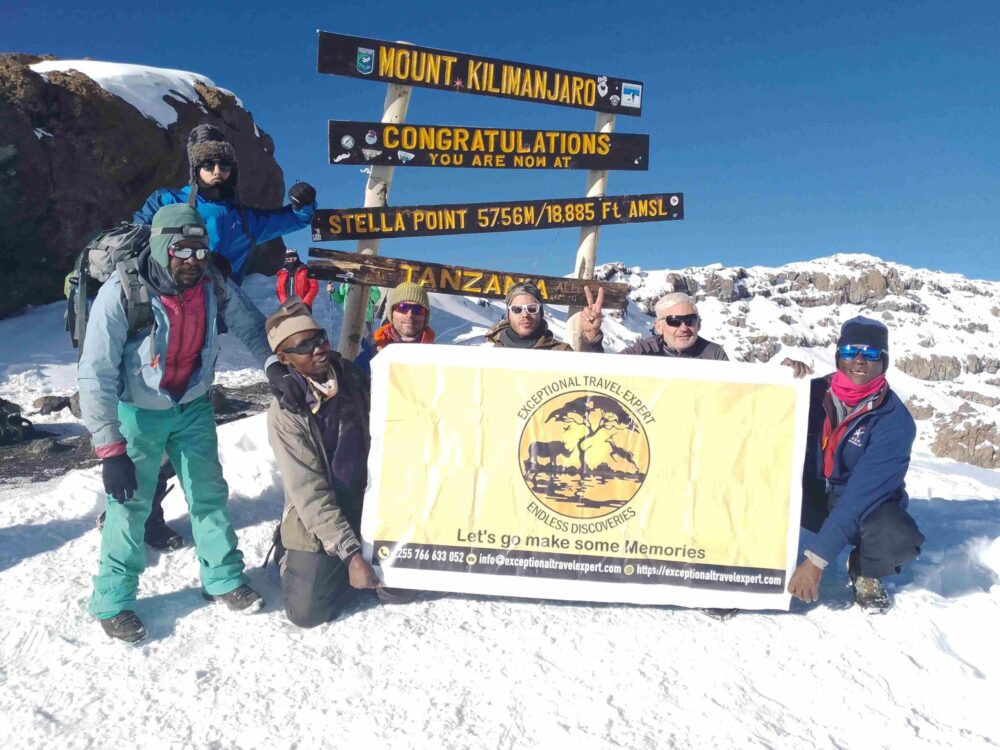

December: Holiday Season Returns
December is a month of contrasts on Kilimanjaro. The four to six week period around Christmas and New Year is the second peak climbing season on Kilimanjaro, due to the possibility for climbers to easily take time off from work and not necessarily due to the conditions.
Weather Conditions: The rain starts to clear up during the second half of December and approaching January the weather becomes increasingly dry and cool, though it is variable, so it is a bit of a gamble. Early December can still see residual rain from November, while late December transitions into the short dry season with improving conditions.
Climbing Experience: The holiday period brings crowds to the mountain despite less-than-optimal weather in early December. It is not a time I would choose but it isn’t the worst time either. Late December offers improving conditions as the dry season approaches, making it increasingly attractive for year-end climbs.
Summit Success Rates: Success rates vary significantly through December, ranging from 55-65% in early December to 70-75% by month’s end as conditions improve.
Practical Considerations: Holiday pricing applies throughout December, particularly around Christmas and New Year’s when demand peaks. Book well in advance if planning a holiday climb. Be prepared for variable weather, especially in early December.
Best For: Those with holiday vacation time who can’t travel during other periods, families seeking an adventurous holiday experience, and late December climbers who want to start the new year at the Roof of Africa.
Kilimanjaro Summit Success Rates and Weather Impact
The success rate for reaching the summit of Mount Kilimanjaro is around 60% and 80% across all tour operators, but this varies dramatically by month, route, and itinerary length. Weather plays a crucial role in these statistics.
During the dry seasons of January-March and June-October, success rates typically range from 70-85% on well-designed itineraries. The rainy seasons of April-May and November see success rates drop to 40-60% as weather conditions make the climb more challenging and potentially dangerous.
The marked improvement is attributable to climbers making more informed choices today, with longer itineraries and better routes becoming standard. Choosing the right month for your climb, combined with an appropriate route and sufficient acclimatization days, dramatically improves your chances of standing on Uhuru Peak.
Kilimanjaro Summit Success Rates and Weather Impact
Monthly Success Rates and Weather Difficulty Throughout the Year
Success rates vary by route, acclimatization time, and weather conditions
Data Sources
Special Considerations: Full Moon Climbs
Many climbers prefer to time their summit attempt with a full moon. When the peak of Kilimanjaro and magnificent glaciers are lit up by the full moon, the view is absolutely stunning. Beyond the aesthetic beauty, a practical reason for climbing at these times is that a bright moon along with a clear sky will improve your visibility throughout your hike, and most importantly, during the summit attempt.
To summit during a full moon, a 7-day climb should typically start 5 days prior to the full moon date, allowing you to reach the summit on the night of the full moon. Full moon climbs are extremely popular and book up quickly, so plan 8-12 months in advance if you want to experience this magical phenomenon.
Full Moon Summit Dates for Kilimanjaro
Plan Your Climb to Reach Uhuru Peak Under the Full Moon
🌕 Full Moon Climbing Benefits: Summit night typically begins around midnight. A full moon provides natural illumination, making the steep ascent to Uhuru Peak safer and more enjoyable. The moonlight creates stunning views of the glaciers and surrounding landscape.
📅 Planning Your Trek: Most Kilimanjaro routes take 5-9 days. To summit on a full moon, start your trek 5-7 days before the full moon date (depending on your chosen route). The summit window shows the optimal 3-day period around the full moon.
⭐ Best Full Moon Months: January-February and June-September offer the best combination of full moon summits and ideal weather conditions.
Data Sources
Route Selection by Season
Not all routes perform equally in all weather conditions. During the rainy seasons (April-May and November), the Rongai route, which starts on the northern side of the mountain, is generally drier than southern route options and offers the best chance of completing your climb successfully.
During dry seasons, routes like Machame, Lemosho, and the Northern Circuit offer spectacular scenery with excellent trail conditions. The Northern Circuit, being the longest route, provides the best acclimatization profile and consistently achieves success rates above 90% when done over 9 days.
Route Selection by Season Comparison
Choose the Best Route Based on Season and Weather Conditions
Dry Season (Jan-Feb, Jun-Sep): All routes are accessible with excellent conditions. Popular routes like Machame and Lemosho can be crowded. Consider Rongai or Northern Circuit for quieter experiences.
Rainy Season (Mar-May, Nov): Rongai Route on the north side receives less rainfall and remains more accessible. Western routes (Lemosho, Machame) face heavier precipitation. Only experienced climbers should attempt summit during these months.
Route Selection Tips: Longer routes (7-9 days) provide better acclimatization regardless of season. During rainy months, prioritize routes with good shelter facilities and drainage.
Data Sources
Making Your Decision: When is best months to climb Kilimanjaro?
While January, February, July, August, and September represent the statistically best months to climb Kilimanjaro, the ideal time for your climb depends on multiple factors beyond weather. Consider your schedule flexibility, budget constraints, preference for crowds or solitude, cold tolerance, and physical fitness level when choosing your climbing month.
For first-time climbers seeking optimal conditions, aim for January, February, or July-September. For budget-conscious travelers who don’t mind some weather uncertainty, consider June, early March, or early October. For experienced mountaineers seeking solitude and challenge, the shoulder seasons of late March or early November might appeal despite less favorable conditions.
The best time to climb Kilimanjaro routes is between June to October and December to Mid-March, but within these windows, consider your specific priorities. February offers the absolute best weather but maximum crowds and premium prices. June provides excellent conditions with fewer people. September balances great weather with slightly reduced crowds compared to July-August.
Ultimately, the best time to climb Kilimanjaro is when you’re physically prepared, mentally ready, and have selected a reputable operator who prioritizes your safety and success. With proper preparation and realistic expectations about the weather conditions you’ll encounter, Kilimanjaro can be successfully climbed in any dry season month, with each period offering its own unique advantages and challenges.
Expert Recommendations
Choose January or February if you want the warmest weather and don’t mind crowds or higher prices. Select June if you prefer fewer crowds while still getting dry conditions and don’t mind colder temperatures. Pick July, August, or September for reliable dry weather and high success rates, and are comfortable with busy trails. Consider early March or early October for budget-friendly shoulder season climbing with good weather potential. Avoid April, May, and November unless you’re an experienced mountaineer specifically seeking the challenge of wet-season climbing.
Whatever month you choose, ensure you select an appropriate route length (7-8 days minimum recommended), work with a reputable operator who prioritizes safety and ethical practices, train properly in the months leading up to your climb, and pack appropriate gear for the conditions you’ll encounter. With careful planning and the right timing, your Kilimanjaro adventure will be the experience of a lifetime.
Different seasons require different gear. Now that you know when to climb Kilimanjaro, discover what to bring with our detailed Kilimanjaro packing list.
Frequently Asked Questions About Best Time to Climb Kilimanjaro
February and September are arguably the two best overall months. February offers the warmest conditions with excellent weather and clear skies. September provides the perfect balance of dry season reliability with fewer crowds than July-August. If you want guaranteed good weather, choose July-August. If you prioritize warmth, choose January-February.
Yes, Kilimanjaro can be climbed every month of the year, and all routes remain open year-round. However, April and May (long rainy season) and November (short rainy season) are not recommended for most climbers due to heavy rainfall, poor trail conditions, and low success rates. Experienced trekkers comfortable with wet conditions can attempt these months for solitude and discounts.
April is the wettest month, receiving the heaviest rainfall of the year. Daily downpours are common, especially in the rainforest zone. May is the second wettest month. Both are part of the long rainy season and are generally avoided by most climbers.
August experiences the coldest summit temperatures, with nighttime summit temperatures dropping to -25°C (-13°F) or colder with wind chill. July and September are similarly cold. The coldest period overall is June through September, coinciding with the main dry season.
February offers the warmest climbing conditions, with summit temperatures around -5°C to -12°C (23°F to 10°F) at night – significantly warmer than the June-September period. January and December are also relatively warm months.
Kilimanjaro sees approximately 50,000-60,000 climbers annually. Crowds concentrate heavily in July-August (peak season) when the mountain can feel quite busy, especially on popular routes like Machame and Marangu. Shoulder seasons (June, September-October, January-February) offer good weather with moderate crowds. April-May and November see very few climbers.
Yes, considerably. Weekend starts (Friday-Sunday) are the most crowded as they align with work schedules. Mid-week starts (Tuesday-Thursday) see 25-35% fewer climbers, providing more space at campsites and on trails. If you have flexibility, always choose mid-week departure dates.
Climbing during a full moon can enhance your experience, particularly on summit night when natural moonlight illuminates your path. However, don’t choose a poor weather month just for the full moon – weather and conditions matter more than lunar phases. If possible, aim for full moon dates during optimal months (July-September, January-February).
Peak Season (July-August, late December-early January): Book 6-12 months in advance High Season (February, September): Book 3-6 months in advance Shoulder Season (June, October, early December): Book 2-4 months in advance Low Season (March, November): Book 1-3 months in advance (can sometimes book last minute)
Popular full moon dates and holiday periods require booking even further in advance (8-12 months).
Kilimanjaro’s high altitude and isolated position create localized weather that’s difficult to predict accurately more than 3-4 days in advance. General seasonal patterns are reliable (dry season vs rainy season), but day-to-day weather can change rapidly. Your guide monitors weather constantly and may adjust plans accordingly. This is why choosing statistically dry months is important – individual forecasts are unreliable, but seasonal patterns hold true.
Reputable operators build flexibility into itineraries and will adjust summit timing if necessary. However, if conditions are genuinely dangerous (severe storms, high winds), your guide may cancel or postpone the summit attempt for safety. Most operators don’t offer refunds for weather-related cancellations, which is why choosing optimal months matters. Travel insurance with trip interruption coverage is recommended.
Yes, though Ramadan affects support staff who are Muslim (the majority in Tanzania). Guides and porters who observe Ramadan will fast during daylight hours but remain professional and capable. Most maintain their duties effectively despite fasting. As a courtesy, avoid eating/drinking conspicuously in front of fasting crew during daylight. Ramadan dates shift yearly (based on lunar calendar), so check if your climb coincides.
Start Planning Your Kilimanjaro Climb Today
Now that you understand Kilimanjaro’s weather patterns, seasons, and optimal timing, you’re ready to choose your perfect climbing dates. Whether you prioritize guaranteed weather, warm conditions, fewer crowds, or budget savings, there’s an ideal month for your Kilimanjaro adventure. Our team is here to help. Reach out and we’ll answer all your questions.
Request Your Free Kilimanjaro Climb Proposal
This Kilimanjaro Routes Comparison Guide was last updated in March 2026. It reflects current route conditions, success rates, and trekking experiences, based on our 10+ years of experience organizing climbs on Mount Kilimanjaro.
What Our Travelers Say
Posted on Tripadvisor
 Ingrid
Verified
Great service Just returned from the most incredible week in Tanzania. From the moment Jackline answered my first email to the final goodbye with our guide, everything was flawless. Exceptional Travel Expert truly lives up to its name.Posted on Tripadvisor KatrinaHighly recommended! We did a combo trip, safari first with Shafi then straight into the Kili climb with Minja. Both were incredible in their own way. Shafi is so laid back and fun, Minja is focused and really gets you to the top. The coordination between everything by Exceptional Travel Expert was seamless. Jackline sorted all our booking questions before we flew out too, super helpful."Posted on Tripadvisor
 Francie10/10 Janeth helped us sort out all the logistics before our trip and was so thorough. She made sure we had the right gear list, knew what to expect, and even followed up a week before departure just to check everything was good. Little things like that make such a big difference. You can tell the whole team genuinely cares about your experience.Posted on Tripadvisor
 Nancy MExcellent tour This was my first time in Africa and I was a bit nervous about it all. Jamali picked us up and straight away I felt relaxed. He answered all our silly questions without making us feel silly at all. Every day was perfectly planned and we never had a dull moment. I've already talked about five of my friends to go through Exceptional Travel Expert and ask for Jamali specifically.Posted on Tripadvisor
 Sandra OAmazing experience Benson took us through the Serengeti and I genuinely felt like I had a friend showing me around, not just a guide. He reads the landscape like no one I've ever seen. Spotted a leopard in a tree that none of us would have noticed in a million years. The support team from Exceptional Travel Expert made sure everything ran perfectly in the background too.Posted on Tripadvisor
 Bill RInquiry and Booking with Exceptional Travel Expert Before I even booked, I had a million questions and Jackline answered every single one so fast and clearly. I was emailing at odd hours and she always got back to me quickly. She made the whole planning process feel easy and stress free. Such a warm and professional person. Really set the tone for what ended up being an amazing trip.Posted on Tripadvisor
 Bertha HReally great experience Jamali is something else. From day one you can tell this person really loves what they do. Super knowledgeable, funny, and always one step ahead. We saw the big five in three days and the whole time felt so smooth and well organized. The whole Exceptional Travel Expert team was fantastic but Jamali really stands out as a top guide, no question.Posted on Tripadvisor
 Niraj KExceptional Travel Expert – Seamless, Personalized, and Unforgettable Service Exceptional Travel Expert! From the very first consultation, the service was professional, attentive, and completely personalized. Every detail of the itinerary was thoughtfully planned, making the entire journey smooth and stress-free. Their knowledge of destinations, insider recommendations, and prompt communication truly set them apart. They went above and beyond to ensure a memorable experience, handling everything with care and expertise. I highly recommend their services to anyone seeking a seamless, well-organized, and unforgettable travel adventure.Posted on Tripadvisor
 Ushie PReally great experience Honestly, I wasn't sure what to expect before this trip but wow, Shafi completely blew me away. He knew exactly where to find the animals and was so patient explaining everything to us. Never felt rushed. The guy has a real gift for making you feel like you're the only people on safari. Would 100% book again through Exceptional Travel Expert.Posted on TripadvisorMaulidi A
Verified
truly a five star experience Our experience with Exceptional Travel Expert was simply amazing. From the moment we landed, we felt taken care of. The team helped us with airport transfers, hotel bookings, and even recommended places to visit in Arusha. The safari itself was unforgettable, so many animals, beautiful scenery, and friendly people everywhere. The guide made sure we were comfortable and enjoying every moment. Truly a five-star experience!
Are you looking for a private safari or Kilimanjaro climb for your dates? Speak to our Tanzania expert to start planning your tailor-made holiday trip for your dates!
Send your inquiry now and our safari experts will reach out within 24 hours! – Let’s begin planning your Tanzania safari or Kilimanjaro climb!
