
Climbing Kilimanjaro: A Complete Beginner’s Guide
Climbing Kilimanjaro 2025-2026: Routes, Cost & Complete Guide
Mount Kilimanjaro, rising 5,895 meters (19,341 feet) above sea level, is the tallest mountain in Africa and one of the most iconic trekking destinations in the world. Known as the “Roof of Africa,” it offers a rare chance to stand on the highest free-standing mountain on Earth without needing ropes, ice axes, or advanced climbing skills. Every year, thousands of people from across the globe take on this challenge, and with the right preparation, guides, and mindset, reaching Uhuru Peak is within your grasp.
This page is designed to give you a clear and practical understanding of what climbing Kilimanjaro involves, from choosing a route and understanding the cost to knowing the best time to go and how to prepare yourself physically and mentally.
Why People Climb Kilimanjaro
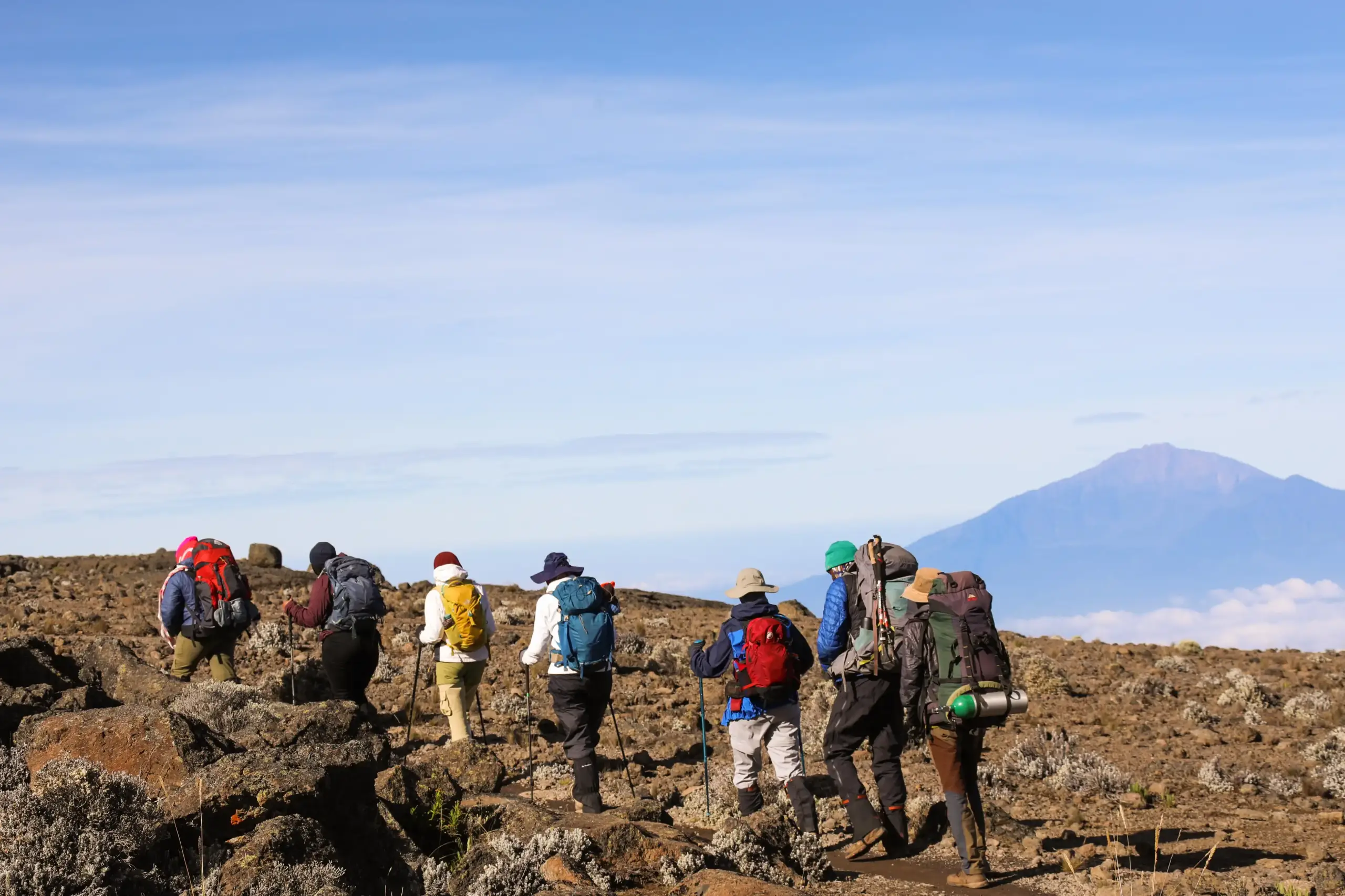
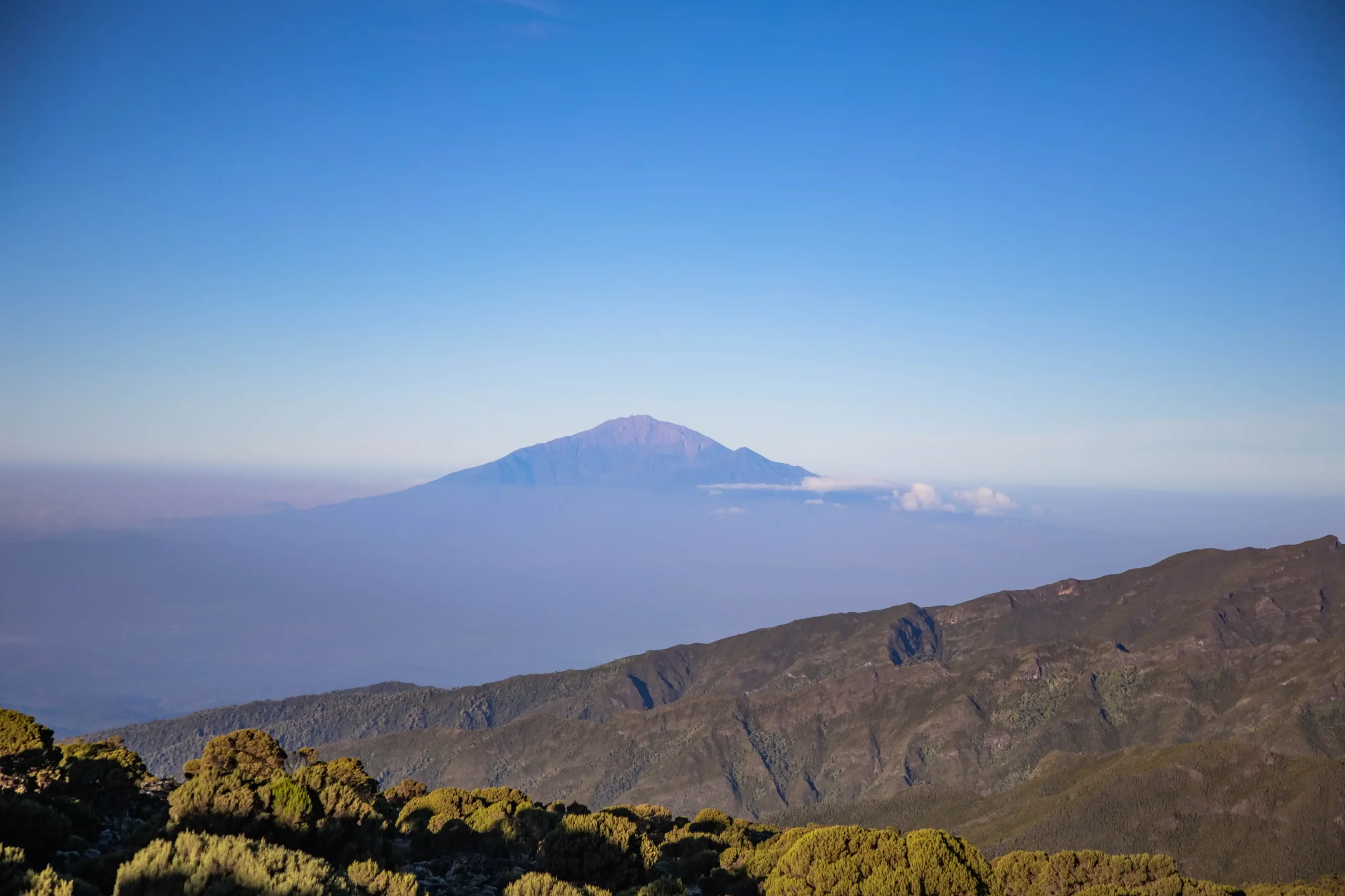
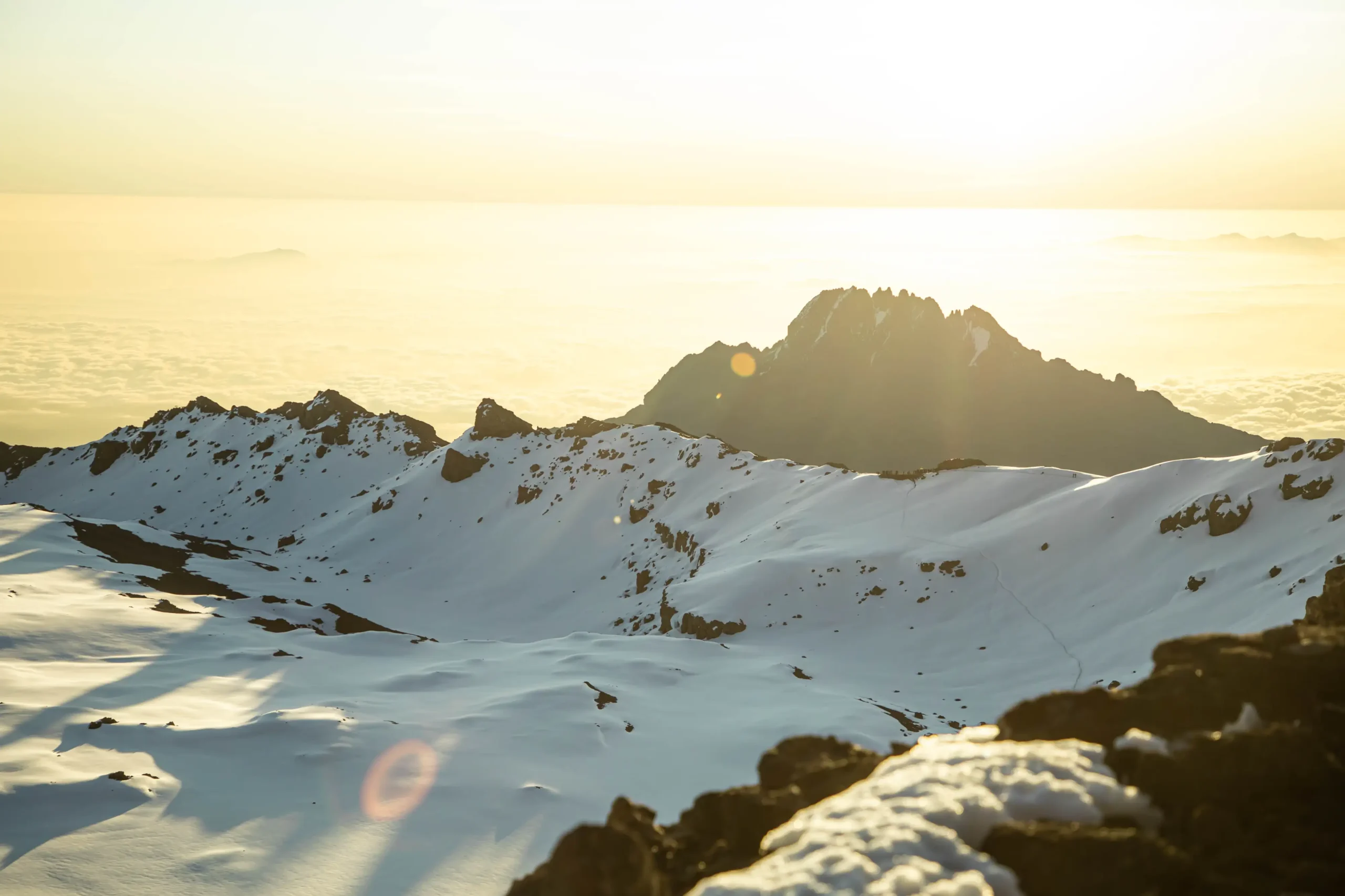
Climbing Kilimanjaro is not only about the summit but also about the journey. In the space of a week, you walk through five distinct climate zones, starting in lush rainforest and passing through moorlands, alpine deserts, and finally a world of glaciers and snow. Each day brings different scenery and challenges, and the gradual transformation of landscapes makes the trek truly unforgettable.
Mount Kilimanjaro is more than just Africa’s highest peak, it’s a journey of heart, strength, and unforgettable beauty. With no technical climbing needed, it’s a great challenge for anyone ready to walk through forests, open plains, and snowy routes toward the Uhuru Peak.
Many guests climb Kilimanjaro to celebrate a special life moment, enjoy nature with loved ones, or simply feel proud of reaching the highest and tallest mountain in Africa. Every step is guided with care, and every summit story is one to remember forever.
Kilimanjaro Climbing Routes
Climbing Kilimanjaro is a once-in-a-lifetime adventure, and choosing the right route for your climb is one of the most important decisions you will make. Each route has its own length, level of difficulty, scenery, and chances of reaching the summit. Below is a detailed look at all the official routes to the top of Africa.
Machame Route (6-7 Days)
The Machame Route, often called the “Whiskey Route,” is the most popular route up Kilimanjaro. It takes about 6 to 7 days and offers an excellent balance of scenery, acclimatization, and summit success rates. Climbers begin in lush rainforest, cross through moorlands, and eventually reach the alpine desert before tackling the summit. The route is physically demanding with some steep sections, but it rewards climbers with incredible landscapes and a strong chance of success. This is a favorite choice for those who want both adventure and beauty.
Lemosho Route (7–8 Days)
The Lemosho Route is widely considered one of the best ways to climb Kilimanjaro. It is slightly longer, taking 7 to 8 days, which gives climbers more time to acclimatize. Starting on the western side of the mountain, it is less crowded at the beginning and passes through pristine forest and remote valleys before joining the Machame route higher up. Its combination of lower traffic, excellent acclimatization, and high summit success rates makes Lemosho a top recommendation, especially for first-time climbers who want the best chance of success.
Marangu Route (5–6 Days)
Known as the “Coca-Cola Route,” Marangu is the only route that provides hut accommodation instead of tents. It is one of the shortest climbs, taking 5 to 6 days, which attracts many climbers looking for a quicker and cheaper option. The path is straightforward and less physically demanding compared to others, but its short duration makes acclimatization harder, leading to lower summit success rates. Marangu is best for those who prefer the comfort of huts and don’t want to camp, but it is also the busiest route on the mountain.
Rongai Route (6–7 Days)
The Rongai Route approaches Kilimanjaro from the northern side, near the Kenyan border. It is one of the least crowded paths and is often chosen during the rainy season because the north receives less rainfall. Taking 6 to 7 days, the route is not as steep as others, making it a good option for climbers who prefer a gradual ascent. Although the scenery is not as varied as Machame or Lemosho, the solitude and good acclimatization opportunities make Rongai a solid choice for those seeking a quieter climb.
Umbwe Route (6 Days)
The Umbwe Route is the steepest and most direct way to the summit. Taking only 6 days, it is considered the most difficult path on Kilimanjaro and is recommended only for very experienced climbers who are confident in their fitness and acclimatization ability. The steep ascent means less time to adjust to altitude, resulting in lower success rates. However, for climbers seeking a true challenge and adventure, Umbwe offers a thrilling but tough climb.
Northern Circuit Route (9 Days)
The Northern Circuit is the newest and longest official route on Kilimanjaro. It takes about 9 days, giving climbers the best possible acclimatization and the highest success rates of all routes. Starting on the western side, it follows the Lemosho path before circling around the northern slopes, far from the crowds. The views are stunning, and the pace is slow and steady, making it ideal for those who want a more relaxed climb with a very strong chance of reaching the summit. This route is perfect for those with the time and budget for a longer adventure.
| Route | Days | Difficulty | Success Rate | Why Choose It |
|---|---|---|---|---|
| Machame 7 Days | 7 | Moderate–Challenging | High 75–85% | Most popular, good acclimatization, beautiful landscapes |
| Lemosho 7–8 Days | 7–8 | Moderate–Challenging | Very High 80–90% | Best acclimatization, quieter, higher summit success |
| Marangu 5–6 Days | 5–6 | Moderate | Medium 40–50% | Only route with huts, shorter and more budget-friendly |
| Rongai 6–7 Days | 6–7 | Moderate | High 65–75% | Less crowded, approaches from the north |
| Northern Circuit 9 Days | 9 | Moderate | Highest 90–95% | Longest route, best acclimatization, scenic and quiet |
| Umbwe 6 Days | 6 | Very Difficult | Low 30–50% | Shortest, steepest, only for very experienced climbers |
How Difficult Is It to Climb Kilimanjaro?
Many people wonder if climbing Mount Kilimanjaro is too hard, especially for those without previous trekking experience. The good news is that Kilimanjaro is one of the few high mountains in the world that beginners can climb without technical skills.
Can Beginners Climb Kilimanjaro?
Yes, beginners can successfully climb Kilimanjaro. The challenge is not in the hiking itself but in adjusting to the high altitude. The best way to improve your chances of reaching the summit is by choosing a longer route of 7–8 days, which allows your body to acclimatize more gradually. Partnering with a trusted tour operator and carefully following your guides’ advice will further increase your likelihood of standing at the top of Africa.
What to Know Before Climbing Kilimanjaro
Best Time to Climb Mount Kilimanjaro
The best times to climb Kilimanjaro are from late December to early March and mid-June to late October. These months usually bring the most favorable weather, clear skies, moderate temperatures, and the least amount of rain.
Climbing during the rainy seasons (April–May and November) is still possible, but trekkers should be prepared for afternoon showers and slippery trails. That said, the rain often comes later in the day, giving climbers several clear hours each morning to hike. Some days may even be completely dry. To help you compare, here’s a simple breakdown of high season vs. low season climbs:
| Season | Months | Weather | Pros | Cons |
|---|---|---|---|---|
| High Season | Late Dec – Mar, Jun – Oct | Stable, clear skies, best trekking conditions | Higher summit success, beautiful views, dry trails | More crowded, higher prices |
| Low Season | Apr – May, Nov | Rainy afternoons, muddy trails, cloudier skies | Fewer climbers, quieter camps, discounted prices | Wet conditions, lower visibility, tougher trekking |
How Much Does It Cost to Climb Kilimanjaro?
As of 2025, the average price for a safe and comfortable 7-day group climb is about $2,900 per person. Shorter treks of 5–6 days, or climbs booked in the low season, typically cost between $2,300 and $2,500. Roughly 35% of this cost comes from park fees, which are set by Kilimanjaro National Park and apply to every climber.
Be cautious of tour operators charging far below these rates. Extremely cheap climbs often come at the expense of porters, who may be underpaid, poorly equipped, or inadequately fed. Choosing such operators not only risks the well-being of the crew but can also compromise your safety and overall experience. A fair price ensures proper treatment of staff, better services, and a higher chance of reaching the summit successfully. Here’s a breakdown of the main expenses included in your Kilimanjaro climb:
| Expense Item | Approximate Cost (USD) | Notes |
|---|---|---|
| Park Fees (Entry, Camping & Rescue) | $800 – $1,200 | Fixed fees charged by Kilimanjaro National Park; non-negotiable |
| Guides & Porters (Wages & Support) | $300 – $600 | Covers fair wages, equipment, and crew support |
| Food & Equipment | $250 – $500 | Includes meals, tents, cooking gear, and supplies during the trek |
| Transport (Airport Transfers & Park Gate) | $100 – $200 | Roundtrip transfers to/from your hotel and Kilimanjaro gates |
| Accommodation (Before & After Trek) | $100 – $300 | Usually 2–3 nights in Moshi or Arusha hotels |
| Operator Fee (Logistics & Services) | $400 – $1,000 | Covers planning, permits, and overall expedition management |
| Total Average Cost (7 Days) | $2,300 – $4,500 | Varies by route, group size, and service quality |
If you see prices significantly lower than this, it’s a red flag. Many budget operators cut costs by underpaying porters, skipping proper meals, or compromising safety standards.
Fair pricing ensures that porters are treated well, climbers receive quality food and equipment, and you have professional guides for a safe journey.
How to Train for a Kilimanjaro Climb
Climbing Kilimanjaro doesn’t require advanced mountaineering skills, but a moderate level of fitness is essential. Ideally, you should be comfortable running about 5 km (3 miles) and capable of hiking 10 km (6+ miles) in one day without much strain. Building endurance through activities like hiking, running, cycling, or swimming will help prepare your body for long trekking days on the mountain.
For a step-by-step approach, many climbers follow a Kilimanjaro training plan, which focuses on improving stamina, strength, and mental readiness.
| Weeks | Cardio | Hiking Practice | Strength Training | Extra Focus |
|---|---|---|---|---|
| 1–4 | Jog or brisk walk 3–4 times per week (30–45 mins) | 1 hike per week (6–8 km / 4–5 mi) | 2 sessions per week (legs, core, back) | Stretching or yoga after workouts |
| 5–8 | 4 sessions per week (run, cycle, swim – 45–60 mins) | 1 hike per week (10–12 km / 6–7 mi) with light backpack | 2–3 sessions per week (squats, lunges, step-ups, planks) | Add stair or hill workouts |
| 9–12 | 4–5 sessions per week (mix endurance + short intense workouts) | 1 full-day hike per week (15–20 km / 9–12 mi) with weighted backpack | 2 sessions per week | Practice “pole pole” (slow, steady walking) |
| Final Week | Light cardio only | No long hikes | Gentle bodyweight or stretching | Focus on rest, hydration, and recovery |
Altitude Sickness on Kilimanjaro
The main challenge on Kilimanjaro is not the trek itself, but the altitude. Acute Mountain Sickness (AMS) is the biggest risk, caused by ascending too quickly without proper acclimatization. In rare but severe cases, it can develop into high-altitude pulmonary edema (HAPE) or cerebral edema (HACE), which can be life-threatening. On average, Kilimanjaro records around ten fatalities per year, often linked to altitude-related issues.
The good news is that AMS can usually be prevented with the right approach. The safest way to climb is by choosing a 7–9 day route, walking at a slow and steady pace, and drinking plenty of water. Just as important is traveling with a professional outfitter. Make sure your guides are certified Wilderness First Responders (WFR), trained in high-altitude care, and equipped to handle emergencies or organize evacuations if needed.
How to Stay Safe at High Altitude
Altitude acclimatization is very important when climbing Mount Kilimanjaro. As you go higher, the air gets thinner, and your body needs time to adjust. To prepare, walk slowly, drink plenty of water, and get enough rest. Adding extra days to your climb also helps your body adapt better. Listen to your guide, pay attention to how you feel, and never push too hard. These simple tips will keep you safe and make your Kilimanjaro adventure more enjoyable.
| Key Factor | What It Means | Why It Helps |
|---|---|---|
| Choose a Longer Route | Pick a 7–9 day climb (Lemosho, Northern Circuit, Machame 7 days) | Extra days give your body more time to adjust to high altitude |
| Walk Slowly (Pole Pole) | Maintain a slow, steady pace | Reduces fatigue and lowers the risk of Acute Mountain Sickness (AMS) |
| Stay Hydrated | Drink 3–4 liters of water per day | Helps your body adapt and prevents dehydration-related headaches |
| Climb High, Sleep Low | Some itineraries include acclimatization hikes | Improves oxygen adjustment and reduces AMS symptoms |
| Listen to Your Guides | Follow advice on rest, pace, and health checks | Guides are trained to recognize and respond to altitude sickness |
| Avoid Alcohol & Smoking | Skip substances that affect oxygen absorption | Keeps your lungs and circulation working at their best |
What to Pack for a Kilimanjaro Climb
Climbing Kilimanjaro means preparing for a journey across five very different climate zones, starting in lush rainforest, moving through moorland and alpine desert, and finally reaching the icy summit. Temperatures can shift dramatically, from warm 20°C (68°F) at the base to freezing lows of -15°C (5°F) at night near the top. Weather conditions are also highly changeable: sunshine, rain, and strong winds can all appear in a single day.
To stay safe and comfortable, having the right gear is essential. Climbers need layered clothing to adapt to the changing climate, sturdy and well-broken-in hiking boots, a warm sleeping bag rated for sub-zero temperatures, reliable trekking poles for stability, and other key personal essentials. Being properly equipped not only improves comfort but also plays a big role in your chances of reaching the summit successfully.
Kilimanjaro Climbing Routes & Itineraries
- $2,045 (USD) P/P
- 6D 5N
- 2 Person
- Trekking
- $2,307 (USD) P/P
- 7D 6N
- 2 Person
- Trekking

- $2,305 (USD) P/P
- 7D 6N
- 2 Person
- Trekking
- $1,836 (USD) P/P
- 6D 5N
- 2 Person
- Trekking
- $1,592 (USD) P/P
- 5D 4N
- 2 Person
- Trekking
- $2,300 (USD) P/P
- 7D 6N
- 2 Person
- Trekking
- $2,305 (USD) P/P
- 6D 5N
- 2 Person
- Trekking
- $2,620 (USD) P/P
- 8D 7N
- 2 Person
- Trekking
- $2,044 (USD) P/P
- 6D 5N
- 2 Person
- Trekking
Planning to climb Mount Kilimanjaro on your preferred dates? Speak with our Kilimanjaro trekking specialist to design a tailor-made climb that fits your schedule, pace, and summit goals.
Send your inquiry today, and our Kilimanjaro trekking experts will reach out within 24 hours to help you plan a personalized, safe, and unforgettable summit experience.

Mount Kilimanjaro Climb FAQs – Trekking Tips & Planning Guide
Planning to climb Mount Kilimanjaro? These are the most common questions our guests ask, answered with clarity, warmth, and expert insight to help you prepare for the summit of a lifetime.
FAQ: GET ANSWERS
Kilimanjaro is a non-technical trek, but altitude and endurance make it challenging. Most fit trekkers can summit with proper preparation.
The best months are January–March and June–October, offering dry weather, clear skies, and higher summit success rates.
The Northern Circuit and Lemosho routes offer the best acclimatization and highest summit success—up to 95%.
Most climbs take 6–9 days depending on the route. Longer treks improve acclimatization and comfort.
Expect to pay $2,300–$4,500 for a 7-day climb. Prices vary by route, group size, and operator quality.
Yes. Kilimanjaro National Park requires all climbers to be accompanied by licensed guides and support staff.
Altitude sickness (AMS) is caused by rapid ascent. Choose a longer route, walk slowly, stay hydrated, and follow your guide’s advice.
Yes. Many first-time trekkers summit successfully with proper training, pacing, and support.
Moderate fitness is enough. A 12-week training plan with cardio, hiking, and strength workouts is recommended.
Essential gear includes layered clothing, waterproof outerwear, hiking boots, trekking poles, hydration system, and a warm sleeping bag.
FAQ: GET ANSWERS
“Pole pole” means “slowly” in Swahili. A slow, steady pace helps your body adjust to altitude and reduces fatigue.
Yes, with a reputable operator. Guides monitor your health, and emergency protocols are in place for altitude-related issues.
The Lemosho and Machame routes offer amazing views through rainforest, moorland, and alpine desert zones.
Yes. Insurance should cover high-altitude trekking, medical evacuation, and trip cancellation.
Weather varies by altitude. Expect warm days at lower elevations and freezing temperatures near the summit.
No. Solo trekking is not allowed. All climbers must be part of a guided expedition.
The minimum age is 10 years. There’s no strict upper limit, but climbers should be in good health and physically prepared.
Most climbs begin in Moshi or Arusha, with transfers to park gates like Machame, Lemosho, or Rongai.
Operators serve hot meals with carbs, protein, and vegetables. Special diets can be accommodated with advance notice.
Your guide will assess your condition and arrange a safe descent. Reaching the summit is a goal, but safety always comes first.
Planning to climb Mount Kilimanjaro?
Just share your travel dates, fitness level, and preferences, and we’ll create a personalized Kilimanjaro trekking plan for you within 3 hours. Even if it’s your first hike or you’re an experienced climber, we’ll make sure your Kilimanjaro adventure is perfectly tailored for you.