
Ultimate Guide to Climbing Mount Meru, Tanzania, 2026
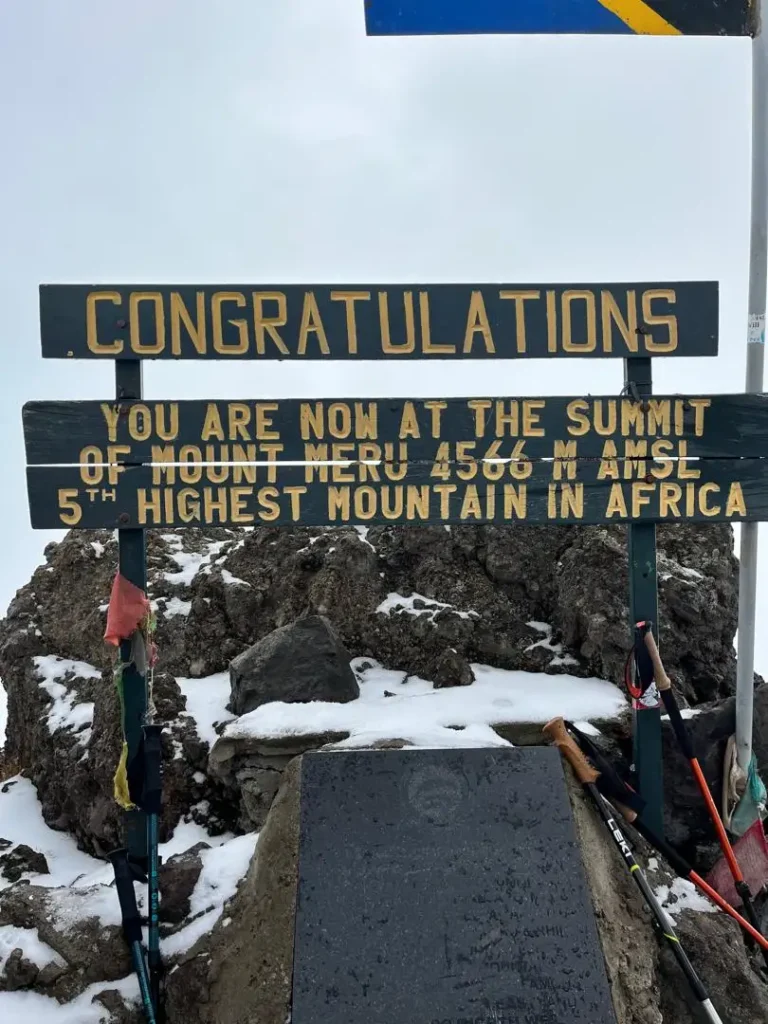
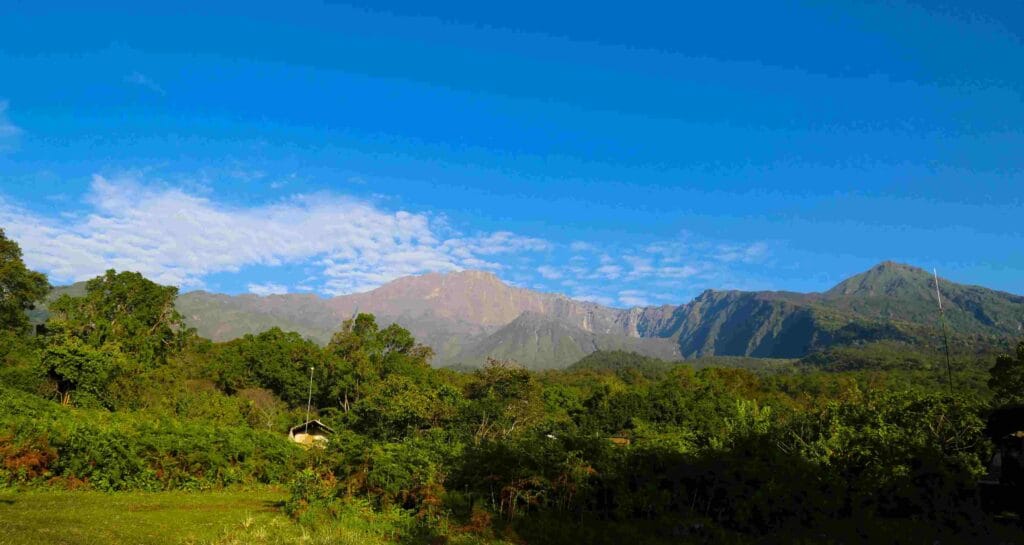
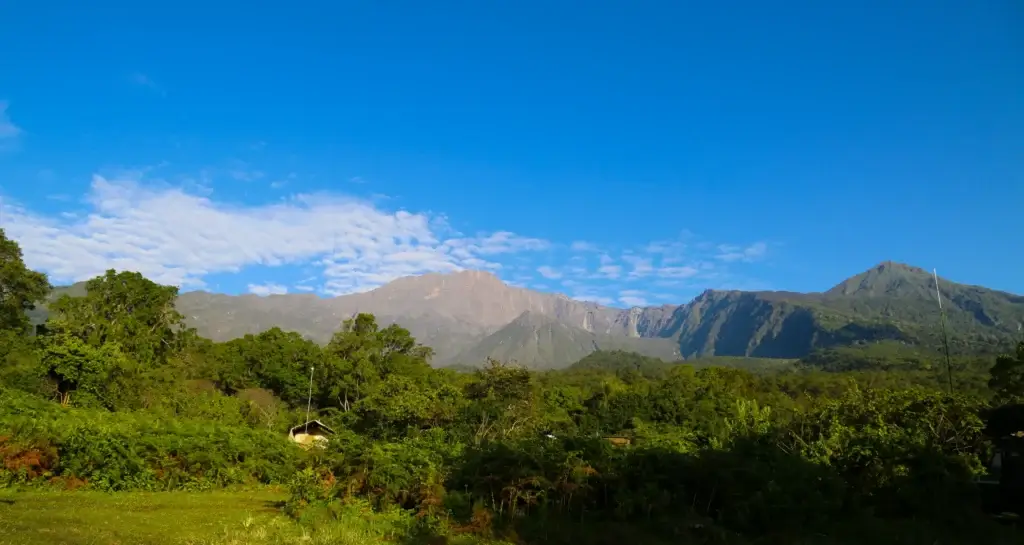
Mount Meru stands as an impressive 4,566 meters (14,980 feet) above the East African savannah, making it Tanzania’s second-highest mountain and the fifth-highest peak in Africa. Located just 70 kilometers (43 miles) from Mount Kilimanjaro within the Arusha National Park, Mount Meru offers an extraordinary climbing experience that combines challenging trekking with exceptional wildlife encounters.
While Mount Kilimanjaro often captures the spotlight, climbing Mount Meru provides an equally rewarding adventure with its own unique character. This dormant stratovolcano features a dramatic horseshoe-shaped crater formed by a massive volcanic explosion approximately 7,800 years ago, creating one of Africa’s most spectacular mountain landscapes.
If you’re planning a Mount Meru guided climb, seeking an affordable Mount Meru trek, or looking for the perfect Mount Meru climbing package combined with safari adventures, this comprehensive guide covers everything you need to know about ascending Tanzania’s magnificent second peak.
Why Climb Mount Meru?
Perfect Kilimanjaro Acclimatization Trek
Mount Meru climbing is widely recognized as the ideal preparation for Kilimanjaro expeditions. The altitude gain helps your body adapt to high elevations, significantly reducing the risk of altitude sickness when you tackle Africa’s highest peak. Many experienced climbers choose to climb Mount Meru first to maximize their Kilimanjaro summit success rate. Our Mount Meru acclimatization programs have helped hundreds of climbers achieve better results on Kilimanjaro, with success rates improving by 15-20% compared to those who skip this crucial preparation step.
The Mount Meru trekking experience provides the perfect testing ground for your gear, fitness level, and mental preparation. You’ll experience high-altitude conditions up to 4,566 meters, allowing your body to produce more red blood cells and adapt to lower oxygen levels, essential physiological changes for conquering Kilimanjaro’s 5,895-meter summit.
Unparalleled Wildlife Experience
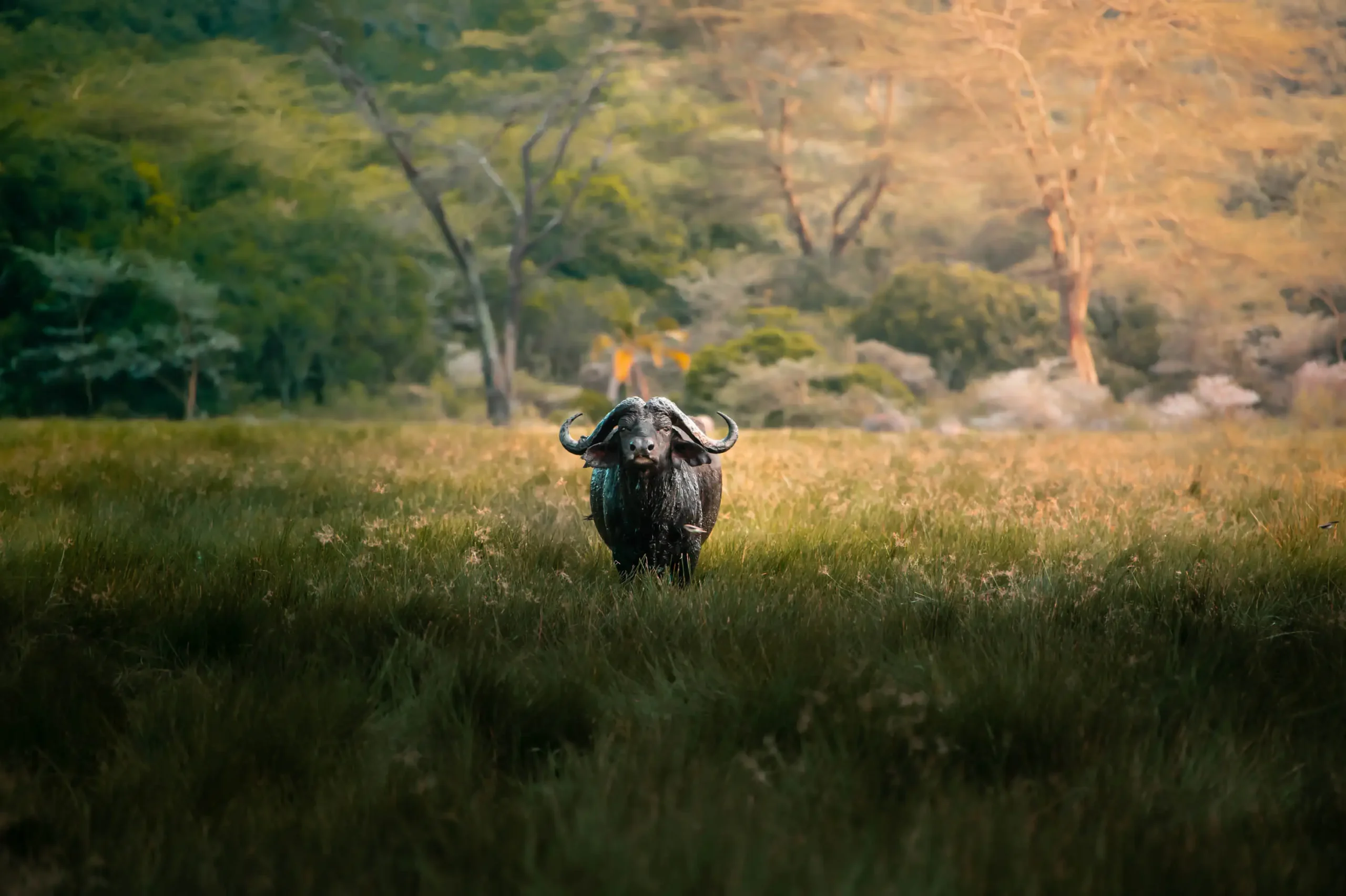
Unlike Kilimanjaro, Mount Meru is located within Arusha National Park, home to abundant wildlife that you’ll encounter throughout your Mount Meru hiking adventure. This unique combination of Tanzania mountain climbing and wildlife viewing makes Mount Meru one of the most diverse trekking experiences in East Africa.
Wildlife commonly spotted during Mount Meru expeditions includes: Buffalo, giraffes, and zebras on lower slopes, Elephants, leopards, and hyenas (rarely spotted), Kilimanjaro colobus monkeys and blue monkeys, Harvey’s red duiker and bushbuck, Over 400 bird species including turacos and trogons, Flamingos and hippos in park lakes
An armed park ranger accompanies all Mount Meru climbing groups through wildlife zones, ensuring your safety while providing fascinating insights into the park’s ecosystem. These professional rangers are trained in wildlife behavior and create safe passage through areas where buffalo and elephants roam freely.
Less Crowded Than Kilimanjaro
Experience the tranquility of an uncrowded mountain adventure. While Kilimanjaro can feel like a conveyor belt of trekkers, Mount Meru offers a more intimate and peaceful climbing experience. On average, Mount Meru receives only 10-15% of Kilimanjaro’s trekking traffic, meaning you’ll have space to connect with nature and enjoy the mountain at your own pace. This makes Mount Meru guided climbs ideal for those seeking authentic wilderness experiences without the crowds.
Panoramic views of Mount Kilimanjaro
Reaching Socialist Peak at sunrise offers panoramic views of Mount Kilimanjaro, the ash cone, the dramatic crescent-shaped crater, and the vast African savannah stretching to the horizon. This sunrise spectacle is considered one of Tanzania’s most breathtaking natural experiences. The summit provides unobstructed 360-degree views, making it a photographer’s paradise and a highlight of any Mount Meru trekking adventure.
High Summit Success Rate & Excellent Value for Money
Mount Meru boasts an impressive 90-95% summit success rate, compared to Kilimanjaro’s 65-70% average. Beyond better odds of reaching the peak, Mount Meru trek packages typically cost 40-60% less than Kilimanjaro expeditions while delivering equally spectacular mountain experiences. For budget-conscious adventurers seeking affordable climbing options without compromising safety or quality, Mount Meru represents outstanding value in African mountain expeditions.
Mount Meru Climbing Routes & Itineraries
The Momella Route: Your Path to Socialist Peak
Mount Meru has one primary climbing route: the Momella Route, which begins at Momella Gate (1,500m/4,921ft) on the eastern side of the mountain. This well-maintained trail ascends along the northern side of the volcanic crater to reach Socialist Peak, the mountain’s highest point. The Momella Route Mount Meru trek is considered one of East Africa’s most scenic mountain trails, passing through diverse ecological zones from tropical rainforest to alpine desert.
Important Note: We strongly recommend the 4-day Mount Meru climbing itinerary for better acclimatization, higher success rates, and a more enjoyable experience. The 3-day option should only be chosen by fit, experienced high-altitude trekkers.
4-Day Mount Meru Climb Tanzania | Best Meru Trekking Package | Kilimanjaro Acclimatization
3-Day Mount Meru Climb Tanzania | Affordable Meru Trekking Tour
Mount Meru Day Hike to Miriakamba Hut | Arusha National Park Trekking Adventure
Mount Meru Difficulty: What to Expect
Fitness Requirements for Mount Meru Climbing
Mount Meru is classified as a moderately difficult trek suitable for climbers with good physical fitness. Understanding Mount Meru’s difficulty levels helps you prepare appropriately for this Tanzania mountain climbing adventure.
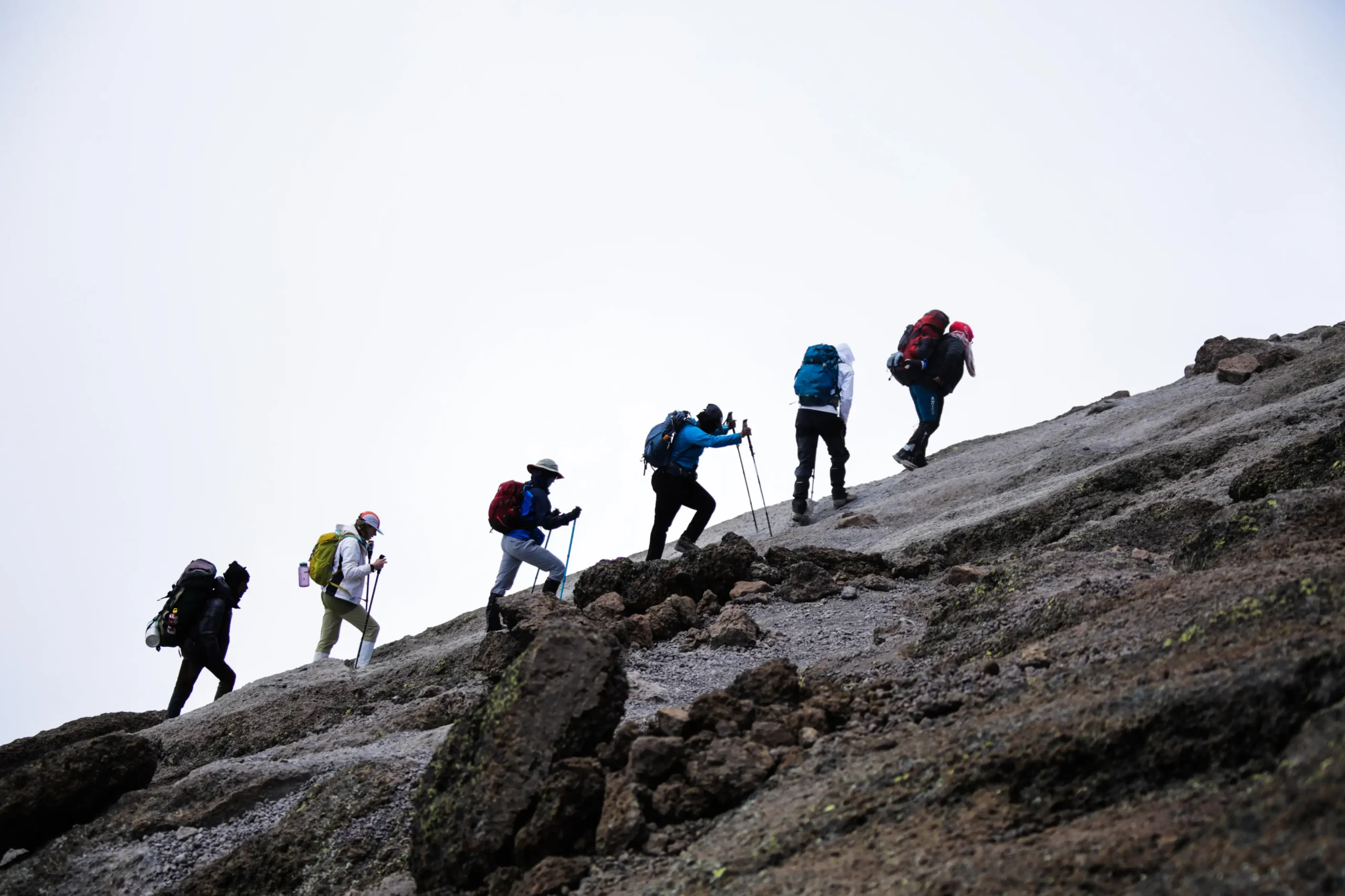
Key challenges of Mount Meru climbing include steep ascent, particularly from Saddle Hut to the summit, with 1,000 meters of vertical gain in just 5 kilometers; altitude reaching 4,566 meters, which requires proper acclimatization; long summit days lasting 12-15 hours of continuous trekking on the 4-day itinerary; technical sections with narrow ridges requiring rope assistance, though no mountaineering skills are needed; rapid elevation gain with a faster ascent profile than most Kilimanjaro routes; summit night trekking in darkness on rocky, exposed terrain; and weather variations with temperature ranges from 25°C (77°F) at the base to -10°C (14°F) at the summit.
Physical Demands: Ability to hike 6-8 hours daily with light daypack, Strong cardiovascular endurance, Good leg strength for steep climbs, Mental determination for summit night and Comfort with basic scrambling and exposure
Who Can Climb Mount Meru?
Mount Meru guided climbs are accessible to beginners with good cardiovascular fitness who choose the 4-day itinerary, experienced hikers seeking a new challenge, those preparing for Kilimanjaro ascents, adventure travelers aged 16-70 with proper preparation, solo travelers joining group expeditions, families with teenage children aged 16 and above, and corporate groups looking for team-building adventures. The mountain welcomes climbers of various experience levels as long as they have adequate fitness and determination.
Mount Meru is not recommended for people with serious heart or lung conditions, those with a history of uncontrolled altitude sickness, anyone unable to walk 6 or more hours daily, pregnant women, or children under 16 years old . These restrictions ensure the safety and well-being of all participants on the mountain.
Mount Meru Fitness Requirements
Recommended Training Program (8-12 weeks before your climb)
Cardiovascular training should be done 4-5 days per week and include long-distance hiking with elevation gain, stair climbing with a weighted backpack, running or cycling for endurance, and swimming for overall conditioning. Building your aerobic capacity is crucial for the sustained effort required during your Mount Meru trek.
Strength training is essential 2-3 days per week, focusing on leg exercises like squats, lunges, and step-ups. Don’t forget core strengthening through planks and sit-ups, upper body conditioning for effective trekking pole use, and balance and stability exercises to prepare for uneven terrain.
Practice Hikes should progressively build up to 8-hour outings that include elevation gains of 1,000 meters or more. Always practice with a loaded backpack weighing 5-7 kilograms to simulate actual trekking conditions, and use these hikes to test all your gear before departure.
Mental preparation is equally important as physical training. Spend time visualizing your summit success, practice positive self-talk to overcome challenging moments, learn about altitude acclimatization processes, and set realistic expectations for your Mount Meru climbing experience.
Altitude Considerations on Mount Meru
While altitude sickness is less common on Mount Meru than Kilimanjaro due to the lower summit elevation, proper Mount Meru acclimatization remains crucial for success.
Altitude Zones on Mount Meru: 1,500-2,500m: Minimal altitude effects, 2,500-3,500m: Mild symptoms possible (headache, fatigue) and 3,500-4,566m: Increased risk of Acute Mountain Sickness (AMS)
Common altitude symptoms to monitor include headache and nausea, dizziness and fatigue, shortness of breath, sleep disturbances, loss of appetite, and rapid heartbeat. These symptoms can range from mild to severe, and it’s crucial to communicate any discomfort to your guide immediately for proper assessment and treatment.
Our altitude management strategy includes daily health checks by WFR-certified guides who monitor your condition twice daily, implementing the “climb high, sleep low” strategy on Day 2 for optimal acclimatization, having oxygen available for emergencies, maintaining flexible pacing to match each climber’s acclimatization needs, and following immediate descent protocols if altitude sickness symptoms become concerning. This comprehensive approach ensures your safety throughout the climb.
The 4-day Mount Meru itinerary provides significantly better acclimatization than the 3-day option, reducing altitude-related risks and improving your Mount Meru summit success rate by 15-20%.
Mount Meru Accommodation: Mountain Huts
Unlike camping treks, Mount Meru features permanent mountain huts offering basic but comfortable shelter. This unique feature sets Mount Meru trekking apart from most African mountain expeditions and eliminates the need for heavy camping equipment.
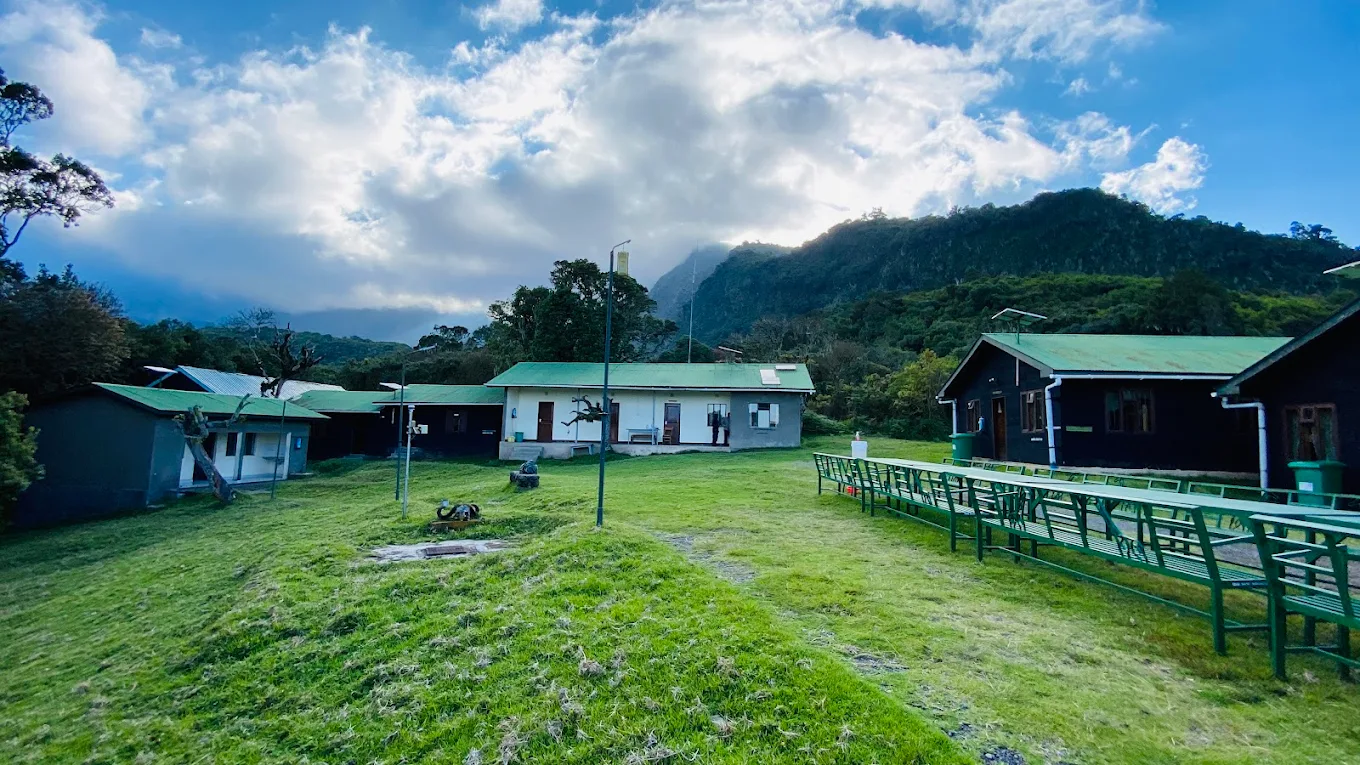
Miriakamba Hut (2,514m / 8,248ft)
Unlike camping treks, Mount Meru features permanent mountain huts offering basic but comfortable shelter. This unique feature sets Mount Meru trekking apart from most African mountain expeditions and eliminates the need for heavy camping equipment.
Miriakamba Hut (2,514m / 8,248ft)
- Dormitory-style bunk beds with mattresses (bring sleeping bag)
- Separate rooms accommodating 4-10 people each
- Dining area with tables and benches
- Flush toilets and running water (cold)
- Solar lighting in common areas
- Stunning forest setting with frequent monkey visits
- Park ranger station nearby
Capacity: Approximately 60 people total
Condition: Well-maintained and regularly serviced
Atmosphere: Peaceful forest location with bird songs
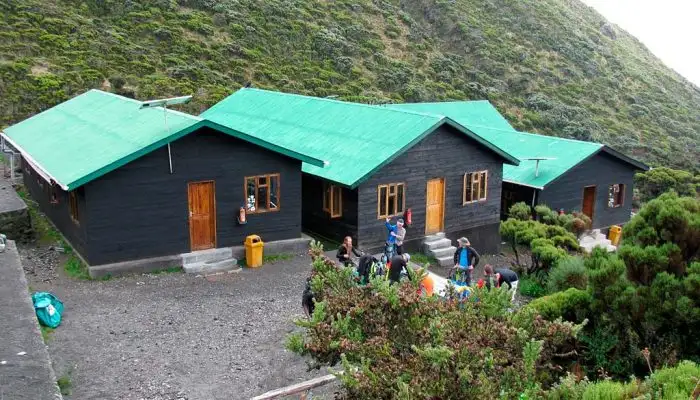
Saddle Hut (3,570m / 11,712ft)
- Similar dormitory-style accommodation
- Bunk beds with mattresses (sleeping bag required)
- Basic dining area
- Flush toilets and running water (cold)
- More exposed location with dramatic crater views
- Solar panels for limited lighting
- Starting point for summit attempts
- Park ranger station nearby
Capacity: Approximately 48 people total
Condition: Basic but adequate for high altitude
Views: Spectacular panoramas of the crater and ash cone
Temperature: Can drop to -5°C (23°F) at night
What to Bring for Hut Accommodation
Essential items to bring for hut accommodation include a sleeping bag rated to -10°C (14°F) since huts provide mattresses only, a sleeping bag liner for extra warmth and hygiene, a headlamp with extra batteries for navigating in darkness, personal toiletries and a quick-dry towel, earplugs for dormitory sleeping where snoring is common, and a book or entertainment for downtime at the huts. Consider bringing an inflatable pillow for comfort, as huts don’t provide pillows; pack flip-flops or camp shoes for use inside the huts; use stuff sacks to organize gear in the limited space available; charge devices at Miriakamba Hut, where limited solar power is available,available; and don’t expect privacy,available; as you’ll be embracing the communal dormitory experience with fellow climbers.
Mountain hut etiquette includes removing your boots before entering sleeping areas to keep dormitories clean, keeping noise levels low in dormitories, especially before summit attempts when others are resting, respecting others’ rest by being considerate with headlamp use and conversations, cleaning up after yourself in common areas, and not smoking inside the huts at any time. Following these simple guidelines ensures a pleasant experience for everyone sharing the mountain huts.
Best Time to Climb Mount Meru
Choosing the best time for Mount Meru climbing significantly impacts your experience, summit success, and overall enjoyment. Mount Meru weather patterns vary considerably throughout the year.
January - February (Peak Season)
- Weather: Warmest and driest period of the year
- Temperature: 15-25°C (59-77°F) at lower elevations, -5 to 5°C (23-41°F) at summit
- Visibility: Crystal-clear skies for stunning Kilimanjaro views
- Trail Conditions: Dry, excellent footing
- Crowds: Moderate to busy
- Wildlife: Very active animal sightings
- Vegetation: Lush and green from short rains
- Best For: Photographers wanting clear Kilimanjaro shots
- Pricing: High season rates apply
June - October
June – October represents the peak season for Mount Meru climbing, offering cool and dry weather with excellent Mount Meru trekking conditions. Temperatures range from 10-20°C (50-68°F) at lower elevations to -10 to 0°C (14-32°F) at the summit, with generally clear visibility, though occasional afternoon clouds may appear. Trail conditions remain dry and stable throughout this period, making it the busiest time for Mount Meru climbing expeditions.
Wildlife viewing is optimal in Arusha National Park during these months, though the vegetation becomes drier with golden grasslands dominating the landscape. This season is best for travelers combining Mount Meru with Kilimanjaro climbs and safari adventures, though high season rates apply.
September - October
September – October serves as an excellent shoulder season for Mount Meru trek adventures, with weather transitioning from dry to short rains. Budget travelers seeking affordable Mount Meru climbs benefit from fewer crowds, generally good weather, and lower prices, though occasional afternoon showers may present minor challenges. December falls between the short rains and dry season, offering beautiful landscapes and moderate crowds for holiday season climbers, though variable conditions should be expected.
March - May
March – May marks the long rains season and is not recommended for Mount Meru climbing, with heavy precipitation creating poor visibility, slippery trails, muddy conditions, and leeches on the path. This period sees very few climbers and offers the lowest Mount Meru tour prices of the year, but success rates are significantly reduced due to challenging conditions, making it suitable only for very experienced trekkers on tight budgets. November brings short rains with brief afternoon showers and unpredictable conditions, but the green landscapes and fewer crowds attract some climbers who can secure shoulder season rates while still maintaining good summit success rates with proper preparation.
Month-by-Month Guide for Mount Meru Climbing
| Month | Conditions | Success Rate | Crowds | Value |
|---|---|---|---|---|
| January | Excellent | 95% | Moderate | Good |
| February | Excellent | 95% | Moderate | Good |
| March | Poor | 70% | Low | Excellent |
| April | Poor | 65% | Very Low | Excellent |
| May | Fair | 75% | Low | Very Good |
| June | Excellent | 93% | High | Good |
| July | Excellent | 93% | High | Good |
| August | Excellent | 95% | Very High | Fair |
| September | Very Good | 92% | High | Good |
| October | Good | 90% | Moderate | Very Good |
| November | Fair | 85% | Low | Very Good |
| December | Good | 90% | Moderate | Good |
Our recommendation: for the clearest Mount Kilimanjaro views from Meru’s summit, plan your Mount Meru climbing adventure during January-February, when visibility reaches its annual peak. These months offer the best photographic opportunities and most spectacular sunrise experiences.
How to Book Mount Meru During Peak Season
Peak season Mount Meru climbing during June-October and January-February requires advance booking, with group climbs needing 2-3 months, private climbs 1-2 months, combination packages 3-4 months, and holiday periods 4-6 months ahead. Low season climbing offers excellent value with 10-20% savings on Mount Meru tour prices, more availability and flexibility, quieter trails and huts, plus personalized guide attention.

Connect with our local experts for personalized travel planning
Mount Meru Climbing Costs: Transparent Pricing
Mount Meru Climbing Cost Overview
Mount Meru climbing costs range from $800 to $2,200 per person depending on group size, itinerary length, and service quality. Budget group climbs start at $800-$1,000 for 3 days and $1,000-$1,200 for 4 days, while mid-range private tours cost $1,200-$1,500 for 3 days and $1,400-$1,700 for 4 days based on two climbers.
Premium and Combination Packages
Premium Mount Meru 4-day expeditions with luxury accommodations range from $1,800-$2,200 per person. Combination packages offer excellent value, with Mount Meru plus Kilimanjaro priced at $3,500-$5,000 and Mount Meru plus Safari at $2,500-$3,500 per person.
What Affects Mount Meru Climbing Costs?
Group size—solo travelers pay the highest per-person cost, while groups of seven or more enjoy the best rates. Itinerary length: The 4-day itinerary costs more than the 3-day route but offers a higher success rate and better acclimatization. Seasons – prices vary by season, with peak periods from June to October and January to February at standard rates, while the low season from March to May and November offers 10-20% discounts.
Our Commitment to Quality and Fair Practices
We offer budget-friendly Mount Meru packages without compromising safety, ethics, or quality. All our prices include fair wages, comprehensive insurance, and high-quality services.
Additional Expenses Before Your Climb : Plan for pre-climb expenses including a Tanzania visa at $50-$100, travel insurance at $50-$150, and gear rental if needed at $50-$120. On-Mountain Additional Costs: Budget for on-mountain expenses such as crew tips at $80-$120 (recommended), personal snacks at $10-$20, and extra drinks at $5-$10.
Post-Climb Budget Considerations
After your climb, expect post-climb expenses including a celebration dinner at $15-$30, souvenirs at $20-$50, and extra hotel nights at $40-$150 per night if extending your stay. Complete Mount Meru Climbing Budget: Plan for $1,200-$1,800 total for a complete Mount Meru climbing experience including all expenses from pre-climb preparations to post-climb celebrations
Essential Packing List for Mount Meru
Mount Meru Gear Requirements
Proper equipment is essential for a successful and enjoyable Mount Meru trekking experience. You’ll encounter multiple climate zones from tropical forest (25°C/77°F) to alpine conditions (-10°C/14°F).
Essential Clothing Layers for Mount Meru
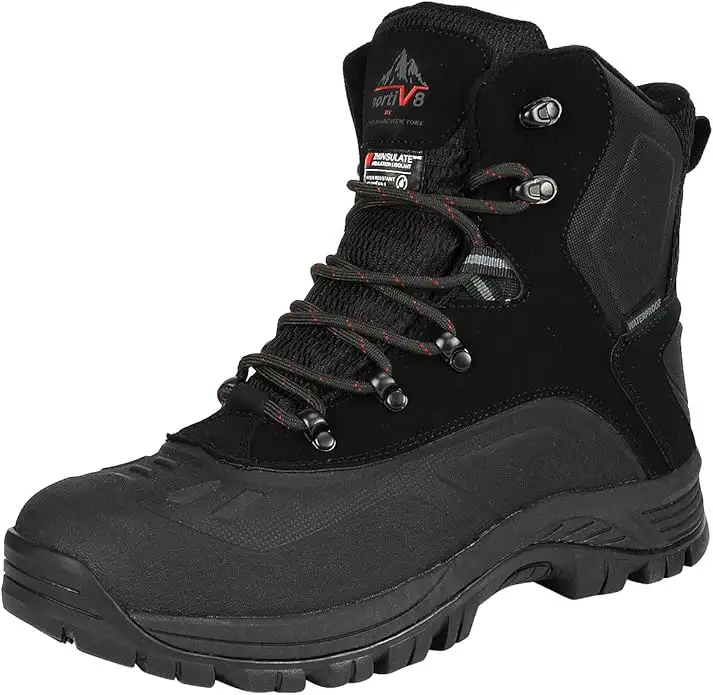
Your primary hiking boots must be sturdy, waterproof with ankle support, broken in through 3-4 long hikes before your trip, and insulated for cold summit night with good traction for rocky steep terrain. Bring comfortable camp shoes like sandals or flip-flops for wearing in huts and around camp, plus essential gaiters for summit night to keep scree and dust out while adding warmth and weather protection.
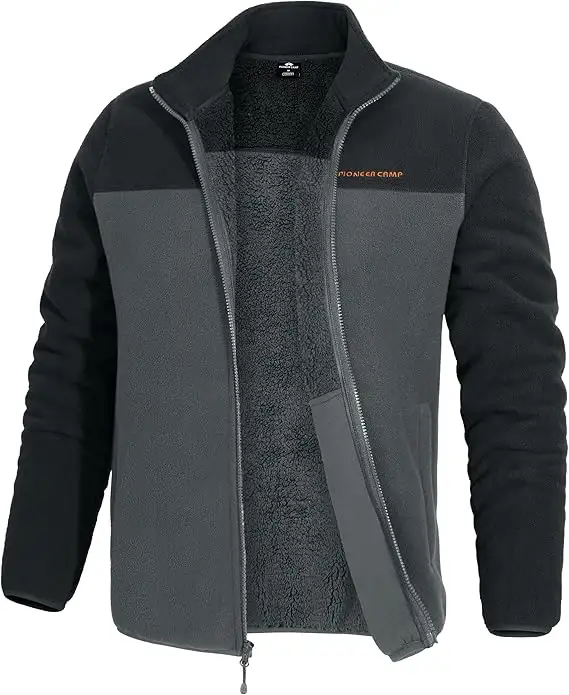
Footwear Requirements for Mount Meru
Proper layering is crucial for Mount Meru climbing success. Your base layer should include 2-3 moisture-wicking thermal underwear sets, 2-3 long-sleeve technical shirts in synthetic or merino wool, 3-4 pairs of hiking socks, and appropriate undergarments. The mid layer provides insulation with a fleece jacket (200-weight minimum), an insulated jacket, softshell pants, insulated pants for summit night, and lightweight hiking pants. Your outer layer offers weather protection with a waterproof windproof jacket (Gore-Tex or equivalent), waterproof pants, and a heavyweight insulated down jacket rated to at least -10°C.
Sleeping and Trekking Equipment
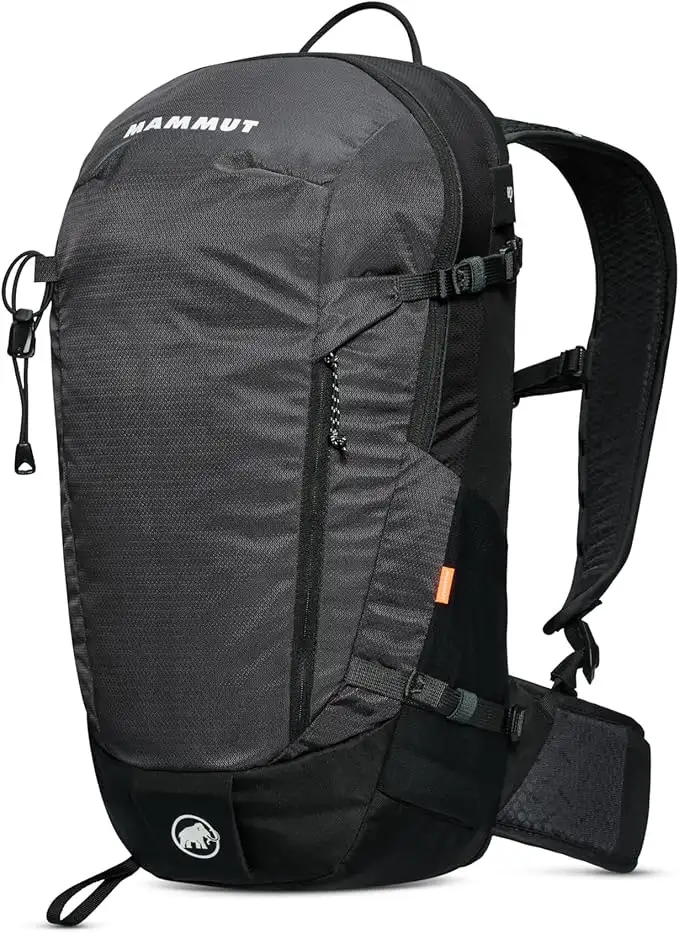
Essential equipment includes a sleeping bag rated to -10°C minimum, sleeping bag liner for added warmth and hygiene, and an inflatable camping pillow since huts don’t provide them. Your trekking equipment should include two trekking poles (highly recommended for summit night), a headlamp with lithium batteries, water bottles or hydration bladder with 3-liter minimum capacity, a 30-40 liter daypack, dry bags for organizing gear, and stuff sacks for compression.
Personal Hygiene and First Aid Essentials
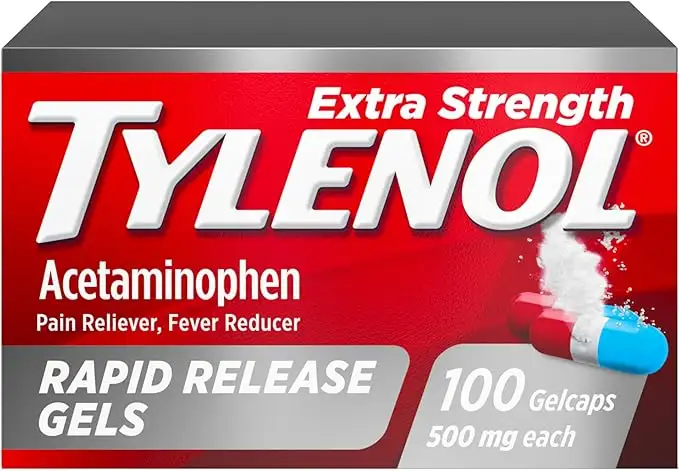
Pack biodegradable soap, quick-dry towel, hand sanitizer, wet wipes, your own toilet paper, toothbrush and toothpaste, and personal medications. Your first aid kit must include altitude sickness medication like Diamox (consult your doctor), pain relievers, anti-diarrheal medication, antihistamines, bandages and blister treatment, and all prescription medications.
Electronics and Important Documents
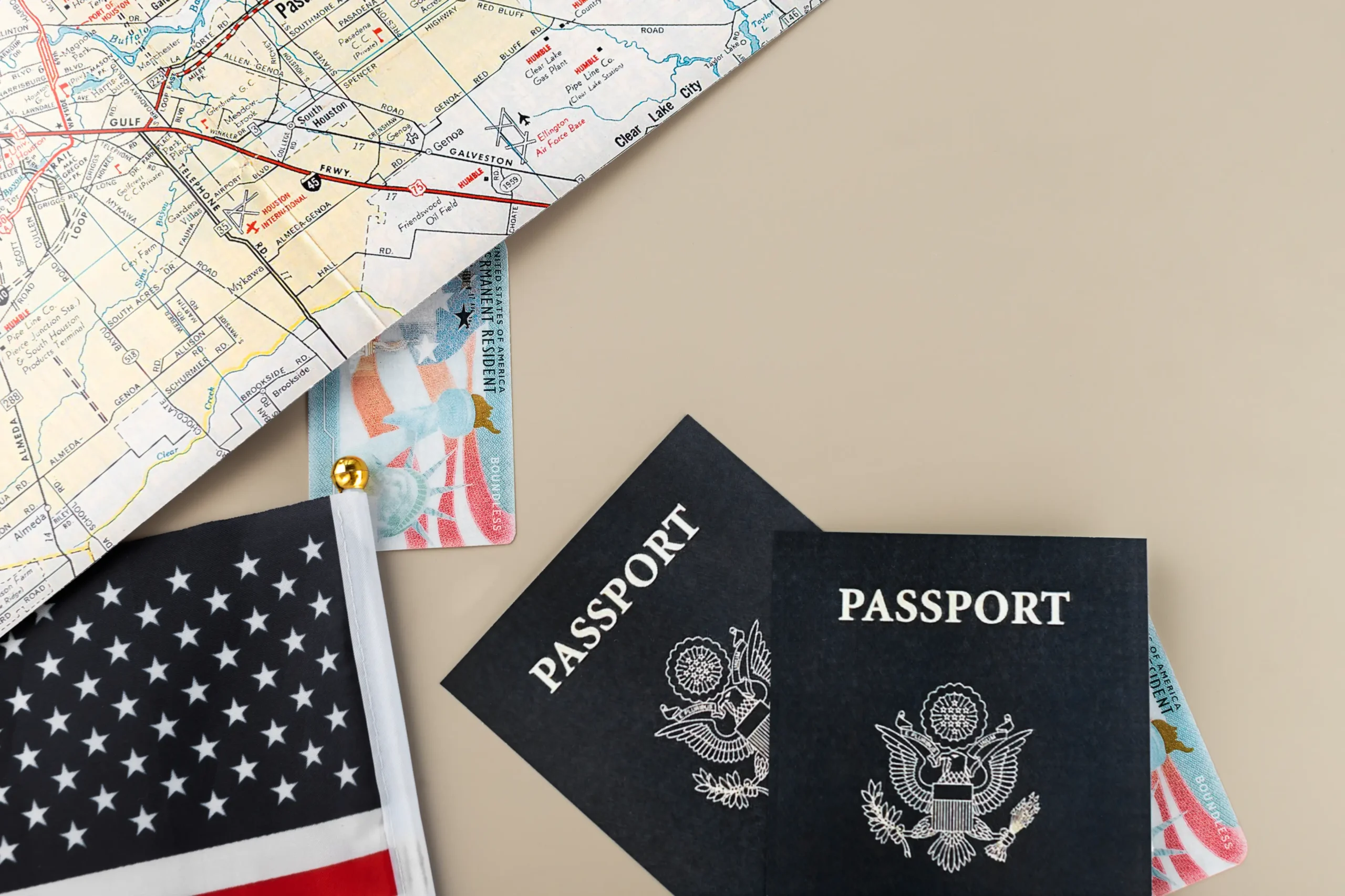
Bring a camera with extra batteries, phone with offline maps, power bank (10,000mAh+), charging cables, and ziplock bags for electronics protection. Essential documents include your passport (required for park entry), travel insurance documentation, yellow fever certificate if applicable, emergency contact information, and booking confirmation copies.
What to Leave at Home
Avoid bringing cotton clothing that doesn’t dry and loses warmth when wet, heavy jeans, excessive toiletries, valuables or jewelry, hair styling tools, laptops or tablets unless necessary, and excessive changes of clothes that add unnecessary weight.
Affordable Mount Meru Gear Rental Services
We offer affordable Mount Meru gear rental from our Arusha equipment store with premium brand equipment including sleeping bags (-15°C rating) at $30 for 4 days, trekking poles at $15 for 4 days, down jackets at $25 for 4 days, waterproof jackets at $20 for 4 days, waterproof pants at $15 for 4 days, gaiters at $10 for 4 days, daypacks at $15 for 4 days, and headlamps at $10 for 4 days.
Simple Gear Rental Process
Our rental process is straightforward: request your gear list during booking, reserve items in advance, pick up equipment at our Arusha office or hotel, complete a gear check during pre-climb briefing, and return equipment after your climb. All rental gear comes from premium brands like North Face, Mountain Hardwear, and Black Diamond, maintained to the highest standards for your safety and comfort.
Planning to climb Mount Meru on your preferred dates? Speak with our travel specialist to design a tailor-made climb that fits your schedule, pace, and summit goals.
Send your inquiry today, and our travel expert will reach out within 24 hours to help you plan a personalized, safe, and unforgettable summit experience.

Frequently Asked Questions About Mount Meru
Planning to climb Mount Meru? These are the most common questions our guests ask, answered with clarity, warmth, and expert insight to help you prepare for the summit of a lifetime.
FAQ: GET ANSWERS
Mount Meru is generally considered less challenging overall due to lower altitude (4,566m vs 5,895m), but certain sections are steeper and more technical. The summit night ridge walk requires ropes and can feel more exposed. However, Kilimanjaro’s extreme altitude and longer duration make it physiologically more demanding. Most climbers find Mount Meru a perfect warm-up for Kilimanjaro.
Yes! Mount Meru is suitable for beginners with good fitness levels. No technical climbing experience is required, though the steep sections and altitude require proper preparation and determination. The 4-day itinerary with 90-95% success rate makes it very achievable for first-time high-altitude trekkers. We recommend 8-12 weeks of cardiovascular training before your climb.
Yes, guides and armed rangers are mandatory for Mount Meru climbing. All climbers must be accompanied by licensed guides and armed park rangers through Arusha National Park. Independent/unsupported climbing is not permitted due to wildlife and safety regulations.
Summit success rates on Mount Meru are approximately 90-95% for the 4-day itinerary and 75-80% for the 3-day trek. Our company’s success rates are slightly higher (92-97% for 4-day) due to proper acclimatization protocols, experienced guides, and comprehensive safety measures. Success rates after completing Mount Meru acclimatization before Kilimanjaro reach 96%+.
Recommended tipping guidelines for Mount Meru:
- Mountain Guide: $50-70 total
- Armed Park Ranger: $30-40 total
- Mountain Cook: $30-40 total
- Porters: $20-30 each total (typically 3-5 porters)
- Total: $80-120 per climber recommended Tips are collected on the final day and distributed by the lead guide. Tipping is voluntary but customary and greatly appreciated.
Common sightings include colobus monkeys (almost guaranteed), buffalo, giraffes, warthogs, bushbuck, and numerous bird species including turacos and trogons. Elephants and leopards are present but rarely spotted. The armed ranger ensures safe passage through all wildlife zones. Wildlife is most abundant on Day 1 through the montane forest.
January-February and June-October offer the best conditions with dry weather and clear views. January-February provides the clearest Kilimanjaro views from the summit and warmest temperatures. July-August offers excellent weather but busier trails. Avoid March-May (long rains) when trails are muddy and slippery.
Solo travelers can absolutely climb Mount Meru! You can either book a private trek (just you and our team) or join a scheduled group departure to share costs with other climbers. However, you cannot climb independently—all climbers must have licensed guides and armed rangers. Joining group climbs is an excellent way for solo travelers to meet people and save money.
You should be able to hike 6-8 hours per day with a light daypack (5-7kg). Good cardiovascular fitness is more important than technical skills. If you can comfortably walk uphill for 2-3 hours and complete a 15km hike, you have a baseline. Train for 8-12 weeks with progressively longer hikes including elevation gain. Most people with moderate fitness succeed on the 4-day itinerary.
FAQ: GET ANSWERS
Temperatures vary dramatically by elevation:
- Momella Gate (1,500m): 20-25°C (68-77°F) daytime
- Miriakamba Hut (2,514m): 15-20°C (59-68°F) daytime, 5-10°C (41-50°F) night
- Saddle Hut (3,570m): 5-15°C (41-59°F) daytime, -5 to 5°C (23-41°F) night
- Summit (4,566m): -10 to 5°C (14-41°F) Summit attempts occur in early morning (coldest time), so prepare for -10°C with wind chill. Bring layers!
Mild altitude symptoms (headache, slight nausea) affect 40-50% of climbers, but serious altitude sickness is less common than on Kilimanjaro due to lower elevation. The 4-day itinerary with proper acclimatization reduces risks significantly. Our WFR-certified guides monitor all climbers twice daily and carry oxygen for emergencies. Stay hydrated (3-4 liters daily), ascend slowly, and communicate any symptoms immediately.
Minimum age for Mount Meru is typically 12 years old due to physical demands and altitude. Teenagers 12-18 can climb with parental consent and must demonstrate adequate fitness. We’ve successfully guided many families with teenage children. For younger children (under 12), we recommend shorter day hikes in Arusha National Park instead of summit attempts.
Limited charging available at Miriakamba Hut via solar panels (unreliable). No charging at Saddle Hut. Bring fully charged devices and power banks (10,000mAh+ recommended). Conserve battery by using airplane mode, reducing screen brightness, and limiting photo/video. Headlamps need fresh batteries before summit night. Consider bringing solar chargers for extended stays.
Sporadic cell coverage in some areas. Vodacom and Airtel work best. Service usually available at Momella Gate and Miriakamba Hut (weak signal). No reliable service at Saddle Hut or summit. All our expeditions carry satellite phones for emergencies. Don’t rely on cell service for communication—inform family of limited connectivity before departure.
Leave unnecessary valuables at your hotel in Arusha. Bring only essentials (passport copy, some cash, phone, camera). Hotels offer safe deposit boxes. During the trek, keep valuables in waterproof bags inside your daypack. Mountain huts are secure, but don’t leave items unattended. Porters carry duffel bags separately—keep valuables with you in your daypack.
The minimum age is 10 years. There’s no strict upper limit, but climbers should be in good health and physically prepared.
Yes, but basic. Miriakamba Hut: Flush toilets with running water. Saddle Hut: Pit latrines (long-drop toilets). Along the trail: Limited facilities, bushes/rocks in emergencies. Bring toilet paper, hand sanitizer, and wet wipes. Some climbers rent portable toilet tents for added comfort and privacy. Public toilets at Momella Gate.
Operators serve hot meals with carbs, protein, and vegetables. Special diets can be accommodated with advance notice.
Your guide will assess your condition and arrange a safe descent. Reaching the summit is a goal, but safety always comes first.
Socialist Peak is the official name of Mount Meru’s summit at 4,566 meters (14,980 feet). The name dates back to Tanzania’s socialist period under President Julius Nyerere (1961-1985). It’s the highest point on the mountain’s crater rim and offers spectacular 360-degree views including Mount Kilimanjaro, the Meru ash cone, and the dramatic horseshoe-shaped crater.
Planning to climb Mount Meru?
Just share your travel dates, fitness level, and preferences, and we’ll create a personalized Mount Meru trekking plan for you within 3 hours. Even if it’s your first hike or you’re an experienced climber, we’ll make sure your Mount Meru adventure is perfectly tailored for you.