
Hot Air Balloon Safari Tanzania: The Complete Guide 2026
Hot Air Balloon Safari in Tanzania: The Complete Guide (2026/2027)
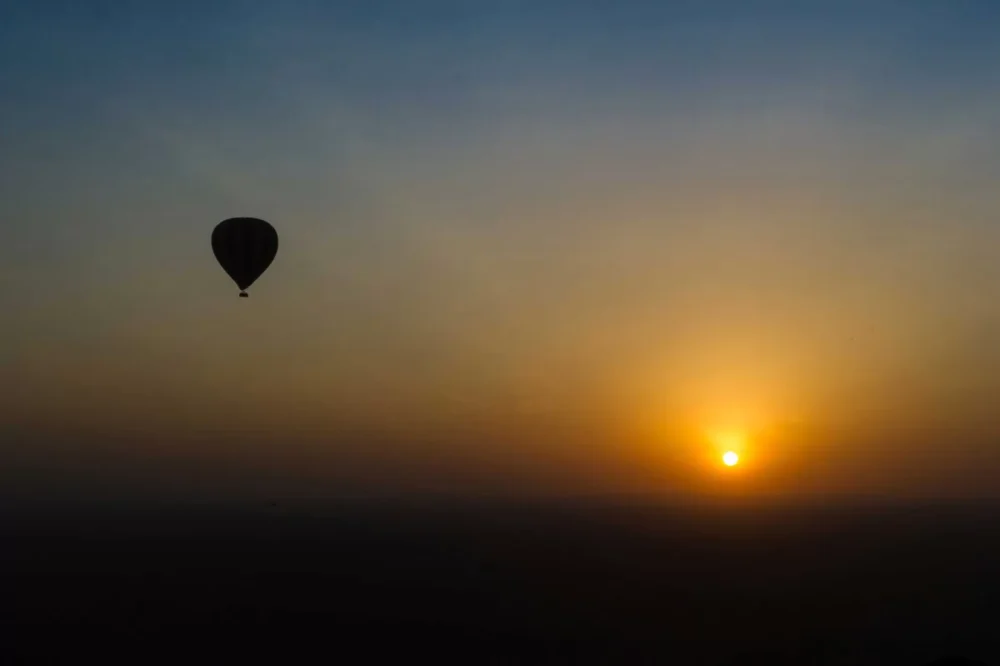
There are few experiences on earth that compare to drifting silently above the African savanna at sunrise. A hot air balloon safari in Tanzania lifts you above the endless Serengeti plains, the towering baobabs of Tarangire, or the wild rivers of Ruaha, offering a perspective on wildlife and wilderness that no game drive can match. As the first golden light breaks across the horizon and herds of wildebeest stretch to every side below you, it becomes clear: this is one of Africa’s truly unforgettable bucket-list moments.
This guide covers everything you need to know about planning a balloon safari in Tanzania, from the best locations and what to expect on the flight to up-to-date 2026/2027 pricing, wildlife highlights, and expert tips for booking the perfect experience.
Where to Do a Hot Air Balloon Safari in Tanzania
Tanzania offers balloon safaris across four distinct national parks and ecosystems, each with its own character and wildlife highlights.
Serengeti National Park — The Classic Choice
The Serengeti is the most iconic and most popular location for balloon safaris in Tanzania, and for good reason. The Serengeti National Park’s plains are breathtaking from the air, with wildlife spread across the landscape in every direction. Launch sites are spread across the park, Central Serengeti near Seronera, the Western Corridor, and Northern Serengeti near the Mara River, allowing you to fly over whichever zone hosts the most wildlife during your visit.
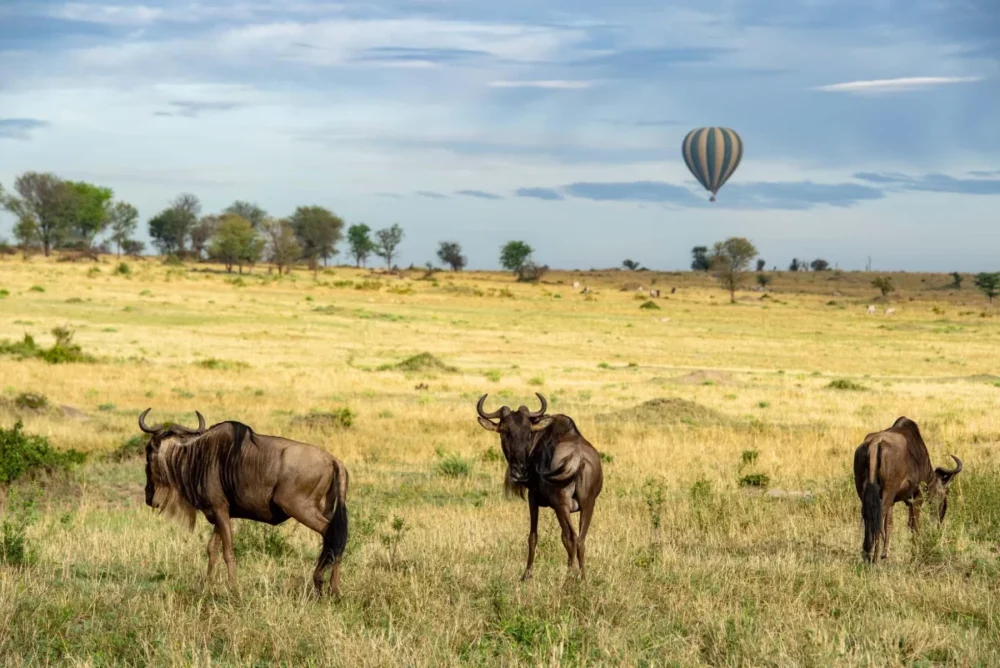
The Serengeti is the only place in Tanzania where you can witness the Great Wildebeest Migration from the air. Watching a million-strong column of wildebeest and zebra snaking across the plains from a balloon basket is a sight that stays with you for life. Flights cost approximately $599 per person (2025 rates) and last 50 to 70 minutes.
Best time: Year-round, with highlights from December to March (calving season in Southern Serengeti/Ndutu), July to October (river crossings in the North), and June to November (dry season for clearest skies).
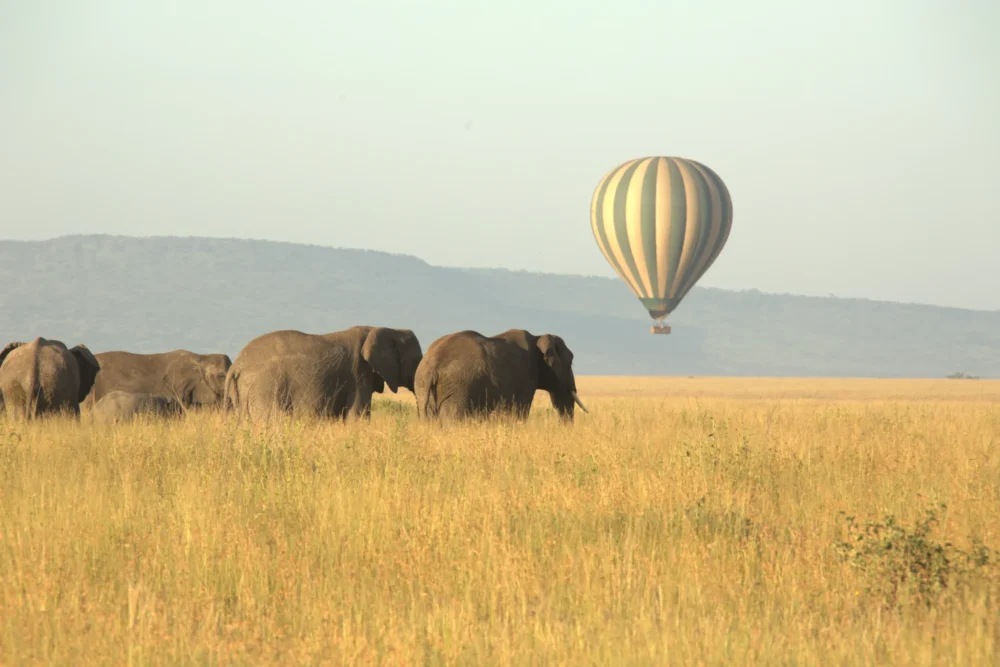
Tarangire National Park — Elephants & Ancient Baobabs
Tarangire is one of Tanzania’s most underrated balloon safari destinations. Famous for its enormous elephant herds, sometimes numbering in the hundreds, and its ancient, gnarled baobab trees that dot the landscape like something from a storybook, Tarangire looks truly extraordinary from the air. Flights here are slightly less expensive than the Serengeti, typically priced around $549–$599 per person, and the experience tends to be more intimate with fewer visitors in the park.
Between June and October, Tarangire sees its own mini-migration as animals flood in from the surrounding dry regions, with over 200,000 animals entering the park. Seeing this convergence of wildlife, elephants, buffalo, zebra, wildebeest, and diverse predators, from a balloon makes for a genuinely remarkable morning.
Ruaha National Park — Off the Beaten Track
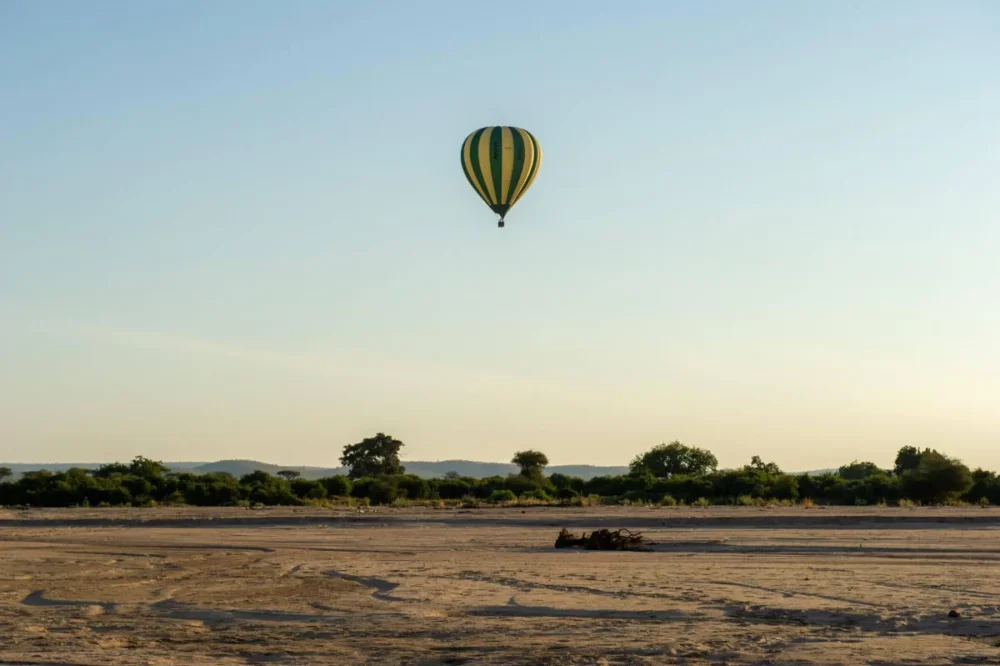
For travelers seeking a more exclusive balloon experience, Ruaha National Park in south-central Tanzania is a superb alternative. Ruaha is one of Tanzania’s largest parks and sees far fewer visitors than the Northern Circuit, making your balloon flight feel truly private. Flies follow the Ruaha River valley, a permanent water source that draws extraordinary concentrations of elephants, buffaloes, lions, and hippos.
The landscape here is dramatic, a mix of miombo woodland, rocky escarpments, and riverine forest, which makes for stunning aerial photography. The flight culminates with a classic bush breakfast served in ‘Out of Africa’ style with bone china and white linen. Balloon flights in Ruaha are operated by specialist companies and should be booked well in advance.

Nyerere National Park — Southern Circuit Skies
Nyerere National Park (formerly Selous Game Reserve) in southern Tanzania is another excellent option for balloon safaris, particularly for travellers combining a southern circuit itinerary. The Rufiji River and its vast floodplain make for spectacular aerial scenery, with large concentrations of hippos, crocodiles, and diverse birdlife visible from above.
Best Time for a Hot Air Balloon Safari in Tanzania
Balloon safaris operate year-round in Tanzania, but the experience varies by season and location. Here is a month-by-month overview:
| Month(s) | Best Location | Wildlife / Conditions | Notes |
|---|---|---|---|
| Jan – Mar | Southern Serengeti / Ndutu | Wildebeest calving season — up to 500,000 calves born | Peak season; book months ahead |
| Apr – May | Tarangire, Ruaha | Long rains; less ideal for Serengeti; lush green landscapes | Fewer crowds, lower prices available |
| Jun – Jul | Central & Western Serengeti | Migration herds moving north; excellent predator activity | Dry season begins; ideal weather |
| Aug – Oct | Northern Serengeti / Mara | River crossings; peak migration drama | Best for dramatic Migration viewing |
| Nov – Dec | Serengeti, Tarangire | Short rains arrive mid-Nov; spectacular storms and skies | Scenic but some early rain |
The dry season (June to October) consistently offers the clearest skies and most comfortable flying conditions across all locations. Winds are lightest at dawn year-round, which is why all balloon flights depart before sunrise.
What to Expect on a Hot Air Balloon Safari in Tanzania
A Tanzania balloon safari is more than a flight, it’s a full morning experience that unfolds in several memorable stages:
Pre-Dawn Pick-Up (04:30–05:00)
Your adventure begins with an early wake-up call at your lodge or tented camp. A transfer vehicle collects you before dawn and drives you to the launch site, often passing nocturnal wildlife along the way. Hot drinks. tea, coffee, or hot chocolate. and light snacks are typically provided on arrival at the launch site.
Safety Briefing & Inflation (05:30–06:00)
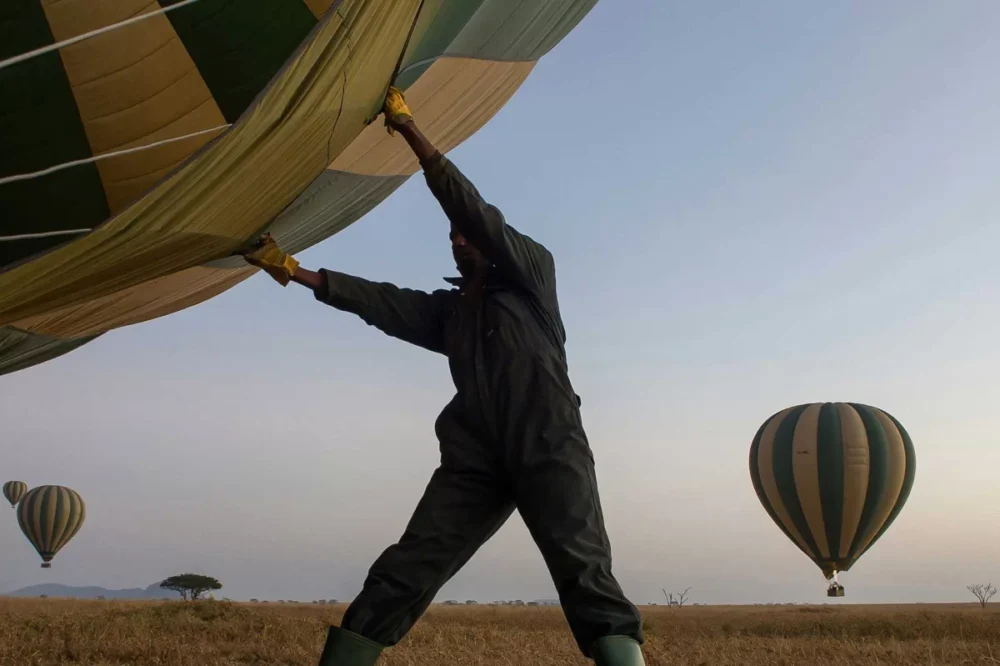
At the launch site, you’ll meet your pilot and crew for a thorough safety briefing. You’ll learn the correct body position for landing, how to hold on to the ropes, and what to expect during the flight. While the briefing takes place, the ground crew inflates the balloon, a spectacular sight in itself as the enormous envelope fills with hot air and slowly rises from the ground.
The Flight — 50 to 90 Minutes Aloft
As the balloon lifts off the ground, the Serengeti opens up beneath you in a way you simply can’t experience from a game drive vehicle. You drift quietly through the air, sometimes skimming just above the treetops, sometimes rising higher to take in the full landscape below. Your pilot will point out wildlife as you float along and make sure you get the best views possible. The only sound you’ll hear is the occasional roar of the burner, everything else is pure silence.
From up here, you’ll see things that no safari vehicle can show you. Huge herds spread across the plains as far as the eye can see, lions moving through the grass, rivers winding through the woodland, and the true size of this incredible wilderness laid out all around you.
Landing & Champagne Celebration
After 50 to 90 minutes in the air, the pilot brings the balloon in for a gentle landing, sometimes in the middle of the open plains. The crew welcomes you back to earth with a glass of champagne (or sparkling wine) in the traditional balloon safari toast. Each guest receives a personalized flight certificate commemorating the experience.

The Bush Breakfast
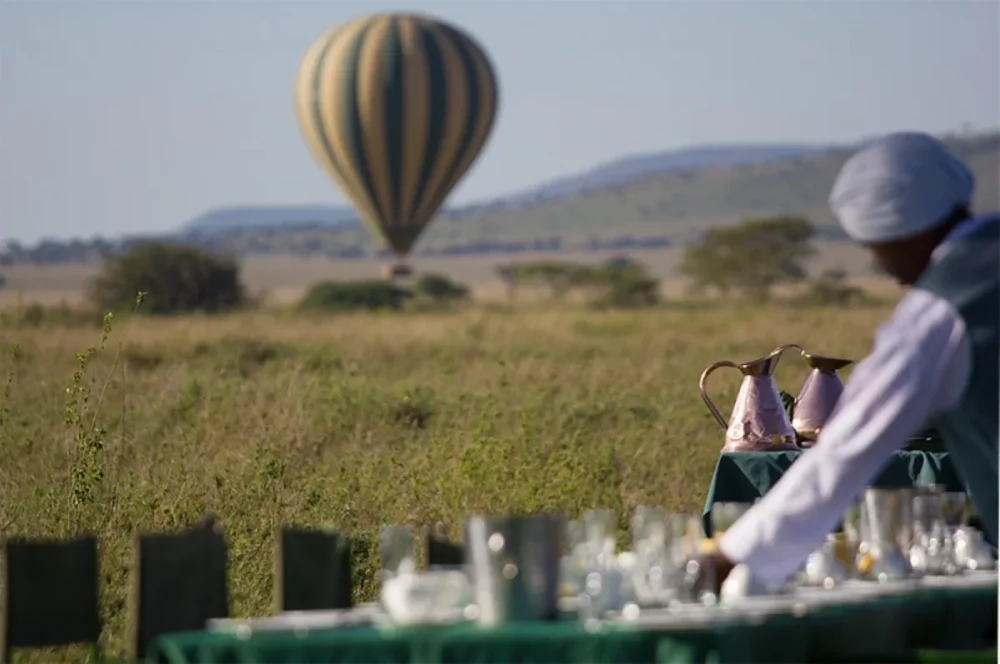
After you land, a full breakfast is served right there in the bush. Tables are set up in a beautiful spot with proper linen, glassware, and a choice of hot and cold food. You sit and eat surrounded by the African wilderness, often with wildlife visible not far away. It is a truly special way to end the morning and a meal you will not forget in a hurry.
Wildlife You Can See on a Balloon Safari in Tanzania
From up in the air, you get to see wildlife in a completely different way. You can spot animals in huge numbers and see how they move across the landscape, something you just cannot do from a vehicle. Here are some of the best wildlife sightings you can expect on a Tanzania balloon safari:
- Wildebeest & Zebra Herds: See the Great Migration as a continuous river of animals stretching to the horizon, a perspective impossible from a vehicle.
- Elephants: In Tarangire especially, large family groups of 50–300 elephants moving through the landscape are a mesmerising sight from above.
- Lions & Cheetahs: Predators are often visible from the air, especially at dawn when they are most active. Pilots are expert at spotting them from altitude.
- Giraffes: The gentle movement of giraffes across the savanna is especially beautiful when seen from balloon height.
- Buffalo Herds: Massive buffalo aggregations of hundreds of animals are a dramatic sight from above.
- Hippos: From the air, hippo pods in rivers and waterholes are clearly visible in numbers that surprise even experienced safari-goers.
- Birds: Over 500 bird species in the Serengeti, including raptors, secretary birds, crowned cranes, and vultures, become highly visible from balloon height.
- Big Five: Lion, leopard, elephant, buffalo, and rhino are all potentially visible from balloon flights across Tanzania’s parks.









How Much Does a Hot Air Balloon Safari in Tanzania Cost? (2026/2027 Prices)
Balloon safaris in Tanzania are a premium experience and priced accordingly. Here is a transparent breakdown of current costs by location:
| Location | Price Per Person | Duration | Typical Inclusions |
|---|---|---|---|
| Serengeti National Park | $599 USD | 50–70 minutes | Transfer, flight, champagne, bush breakfast, certificate, park fees |
| Tarangire National Park | $549–$599 USD | 60 minutes | Transfer, flight, champagne, bush breakfast, certificate |
| Ruaha National Park | $450–$550 USD | ~60 minutes | Transfer, flight, champagne, full English bush breakfast, certificate |
| Nyerere (Selous) NP | $400–$500 USD | ~60 minutes | Transfer, flight, champagne, bush breakfast |
Prices include the TANAPA ballooning concession fee (approx. $40) in the Serengeti. Some balloon operators offer group discounts, early bird pricing, or package deals when booking a balloon alongside a broader Tanzania safari itinerary. Always confirm what is included before booking.
What's Included in a Tanzania Balloon Safari?
Most balloon safari packages in Tanzania include the following:
- Pre-dawn vehicle transfer from your lodge to the launch site
- Hot drinks (tea, coffee, hot chocolate) and light snacks on arrival
- Full safety briefing from your licensed pilot
- 50–90-minute hot air balloon flight
- Champagne or sparkling wine toast on landing
- Full bush breakfast at a scenic location
- Official balloon flight certificate
- Return vehicle transfer to your lodge or next destination
- TANAPA concession fee (Serengeti) or equivalent park flying fee
What is typically NOT included: travel insurance, gratuities for pilot and crew, personal equipment, add-on photography packages (some operators offer professional aerial photography separately).
Are Hot Air Balloon Safaris in Tanzania Safe?
Tanzania’s balloon safari operators maintain strong safety records and work with licensed, experienced pilots. The country’s main balloon operators have been running flights for 25–35 years without major incidents. To ensure you fly with a reputable company, ask the following questions before booking:
- Is the pilot licensed by the Tanzania Civil Aviation Authority (TCAA)?
- How many hours of flight experience does the pilot have?
- When was the balloon’s last airworthiness inspection?
- What is the maximum passenger capacity per basket?
- What weather conditions cause flights to be cancelled?
Well-established operators include Serengeti Balloon Safaris (operating since 1989), Adventures Aloft, and Miracle Experience — all of which have long safety track records and consistently positive traveller reviews.
Balloon safaris are not recommended for pregnant women, children under 7 years of age, or individuals with significant mobility limitations, heart conditions, or vertigo.
Tips for Getting the Most from Your Tanzania Balloon Safari
Booking Tips
- Book as early as possible, popular time slots, especially during the Great Migration (July–October) and calving season (January–March), sell out months in advance.
- Book through your safari operator or directly with the balloon company.
- Confirm your booking 48 hours before your flight date to ensure the slot is reserved.
What to Wear
- Dress in warm layers, temperatures at altitude can be 10°C cooler than on the ground.
- Wear closed-toe shoes suitable for walking on uneven ground.
- Avoid loose scarves or hats that could be blown off at altitude.
- Neutral or earth colours are ideal (not essential, but blend with the environment).
Photography Tips
- Use a camera with a fast shutter speed to capture moving wildlife, balloon movement creates slight vibration.
- A telephoto zoom lens (70–300mm) is ideal for wildlife from altitude; a wide-angle lens captures landscape panoramas.
- Protect your camera from dust, especially at lower altitudes.
- Charge batteries the night before, cold temperatures reduce battery life.
- Shoot in RAW format for maximum flexibility in processing aerial images.
General Tips
- Eat only a very light snack before the flight, a full stomach and balloon movement don’t mix well for some people.
- Bring binoculars, they significantly enhance wildlife spotting from altitude.
- Keep your camera and belongings inside the basket at all times, don’t hang bags over the edge.
- Respect the silence of the experience, fellow passengers will appreciate quiet during wildlife sightings.
Frequently Asked Questions — Hot Air Balloon Safari Tanzania
How much does a hot air balloon safari in Tanzania cost?
Balloon safari prices in Tanzania range from approximately $450 to $599 USD per person depending on the location. The Serengeti is the most expensive at $599 per person, while Nyerere parks offer flights from $450 per person. Prices generally include transfers, the flight, champagne, bush breakfast, and a flight certificate.
When is the best time for a balloon safari in Tanzania?
Balloon safaris operate year-round in Tanzania. The best time for the Serengeti is during the Great Migration (July–October for the famous river crossings, December–March for calving season). For Tarangire, the dry season (June–October) is optimal when wildlife concentrations are highest. Skies are generally clearest during the dry season across all locations.
How long does a balloon safari last in Tanzania?
The balloon flight itself lasts 50 to 90 minutes depending on wind conditions and the landing site. The full experience, including pre-dawn transfer, safety briefing, inflation, flight, landing, champagne toast, and bush breakfast, takes approximately 3 to 4 hours in total. Most guests are back at their lodge by mid-morning, leaving the rest of the day free for game drives.
Is a hot air balloon safari in Tanzania worth the cost?
Almost everyone who does it says it is absolutely worth it. Seeing Tanzania’s landscapes and wildlife from the air is something you simply cannot experience any other way. Just keep in mind that it is more of a big picture experience than a close-up wildlife encounter. The champagne breakfast and the whole feeling of the morning make it even more special.
Can children go on a balloon safari in Tanzania?
Most operators such as Serengeti Balloon Safaris set a minimum age of 7 years for balloon flights in Tanzania. Children must be old enough to follow safety instructions, hold on firmly during landing, and climb in and out of the basket independently. There is no maximum age, though all passengers should be reasonably fit and mobile.
What wildlife can I see on a balloon safari in Tanzania?
The wildlife you see depends on your location and season. In the Serengeti, you may see wildebeest, zebra, elephants, lions, cheetahs, giraffes, buffalo, hippos, and a vast array of birds. During the Great Migration, the sight of enormous herds from above is the headline attraction. In Tarangire, large elephant herds and baobab trees are the stars. Ruaha offers excellent views of elephant and lion activity along the river systems.
Do I need to book in advance?
Yes, advance booking is strongly recommended, especially during peak seasons (July–October and December–March). Popular time slots can sell out three to six months ahead. Even in the shoulder season, balloon capacity is limited, so booking at least a few weeks in advance is advisable.
What is the difference between a Serengeti balloon safari and Masai Mara?
Both offer spectacular balloon experiences over East Africa’s most famous wildlife areas, and both can include Great Migration viewing at the right time of year. The Serengeti is generally more affordable ($599 vs. $500–$650+ in Kenya) and offers more diverse location options across one of the world’s largest protected ecosystems. The Masai Mara is a more compact reserve and many travellers combine both on a cross-border itinerary.
What happens if the flight is cancelled due to weather?
Reputable balloon operators have strict weather minimums and will cancel flights if wind speed, visibility, or cloud cover makes flying unsafe. In the event of a cancellation, most operators will either reschedule your flight or offer a full refund. Always confirm the cancellation policy in writing at the time of booking.
Ready to Book Your Tanzania Balloon Safari?
A hot air balloon safari in Tanzania is one of Africa's most extraordinary experiences and one that sells out faster than almost any other activity on the continent. Whether you choose to float above the Serengeti's endless plains during the Great Migration, drift over Tarangire's ancient elephants and baobabs, or discover the wild solitude of Ruaha from the sky, the experience will stay with you long after you return home.
📧 info@exceptionaltravelexpert.com
💬 WhatsApp: +255 766 633 052
☎️ Call: +255 626 058 246
Disclaimer: Some images on this page are the property of Serengeti Balloon Safaris. All rights belong to their respective owners.