
Serengeti National Park Guide: Safari Tips & Migration 2026
Home of Wildebeest Migration & The Big Five
Plan Your Ultimate Serengeti Safari Adventure
Serengeti National Park is Tanzania’s most famous wildlife destination and home to the greatest animal migration on Earth. This complete guide covers everything you need to know about visiting Serengeti, from the best times to see the wildebeest migration to safari costs, wildlife viewing, and practical planning tips.

What Is Serengeti National Park?
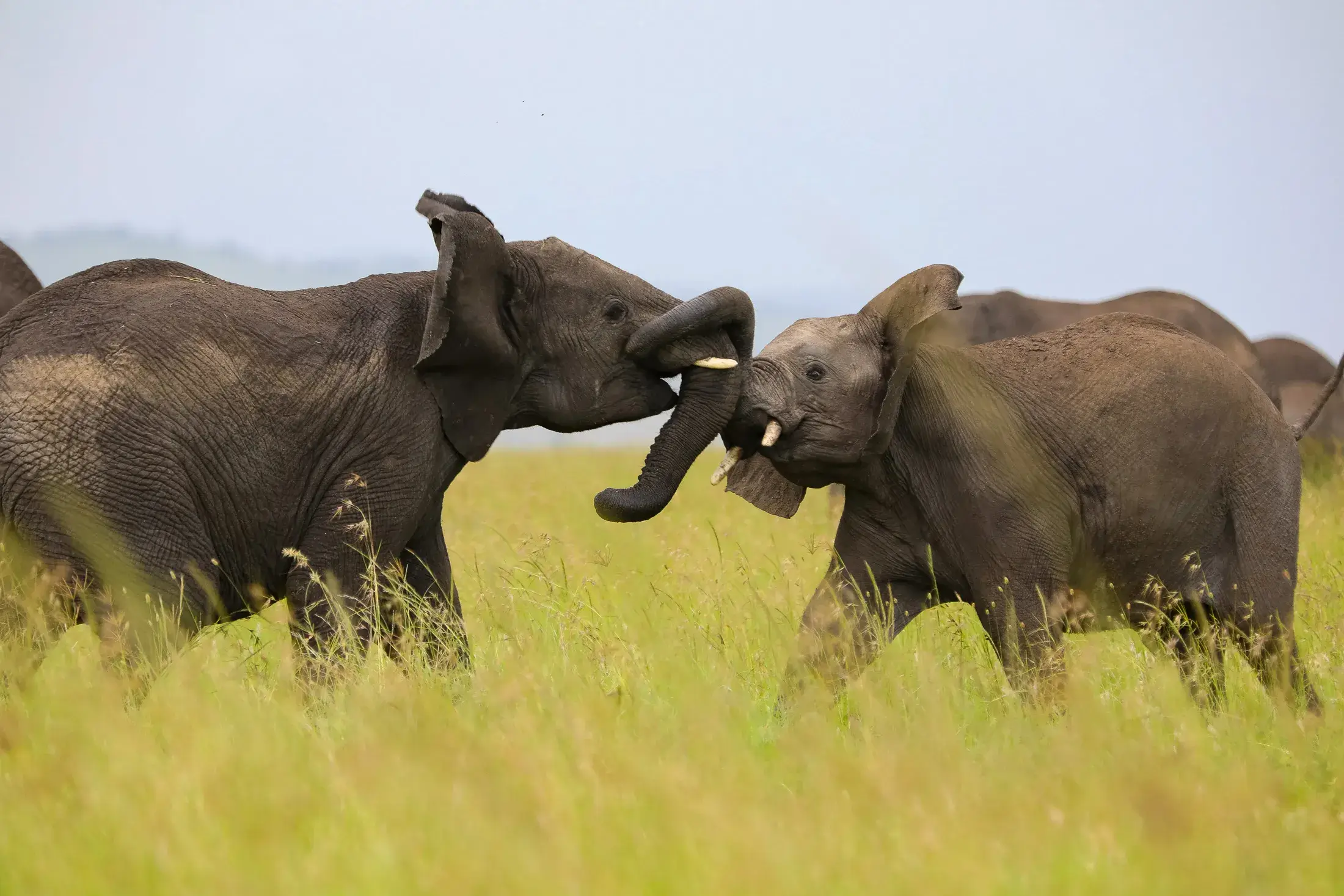
Serengeti National Park is one of Tanzania’s most famous safari destinations, covering 14,750 sq km in the northern part of the country near the Masai Mara in Kenya. The name comes from the Maasai word “Siringet,” meaning “endless plains.” Established in 1951, it is the oldest national park in Tanzania and has been a UNESCO World Heritage Site since 1981. The Serengeti is home to more than 70 mammal species and over 500 bird species, making it one of the best wildlife areas in Africa. The park has also won 6–7 major international travel awards, including repeated titles as Africa’s Leading National Park and the World’s Best Safari Destination, which shows its global importance and unmatched safari experience.
Why Visit Serengeti National Park?
Serengeti National Park is one of the best safari destinations in Africa and a top reason why many travelers visit Tanzania. The park is world-famous for its amazing wildlife, beautiful landscapes, and the Great Wildebeest Migration. It offers excellent wildlife viewing all year, making it one of the most rewarding places to visit in East Africa. Here are the reasons why you should visit Serengeti
The Great Wildebeest Migration
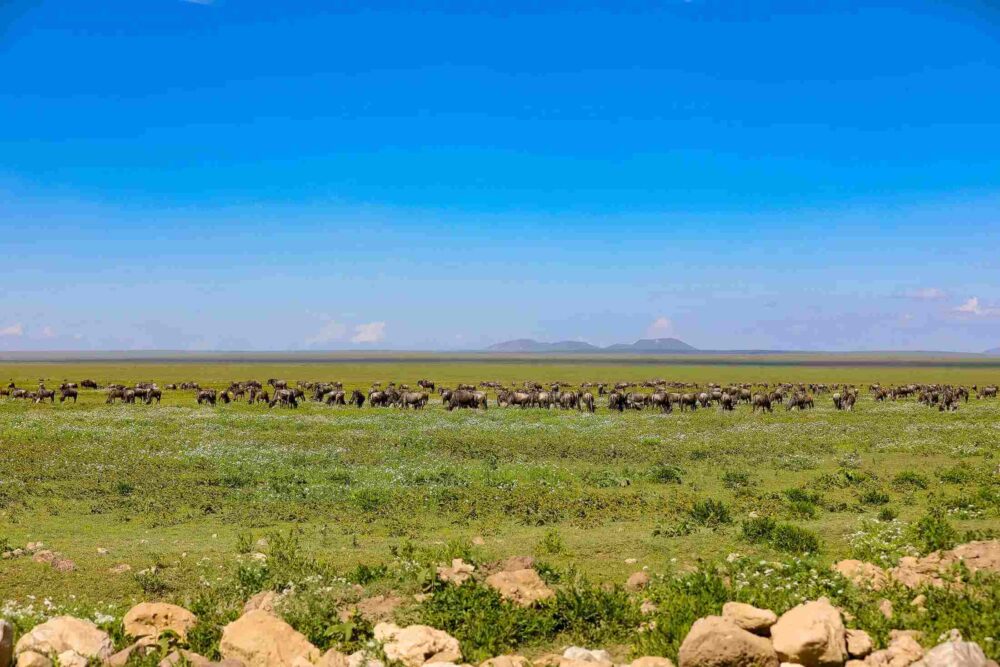
The Great Wildebeest Migration is the main attraction in Serengeti. This natural event happens all year as millions of wildebeest, zebras, and gazelles move across the plains looking for fresh grass.
The most dramatic moments happen at the Mara River and Grumeti River, where the animals cross strong waters filled with crocodiles. These river crossings are some of the most famous safari scenes in the world. Learn more about the Best Time to See the Great Migration in Tanzania & Kenya (Complete 2025/2026 Guide)
Big Cats and Predators
Serengeti National Park is famous for its big cats and predators, offering some of the best sightings in Africa. The park is home to over 3,000 lions, making it one of the largest lion populations on the continent. You can also find more than 1,000 leopards, especially in the Seronera Valley, where they are often seen resting on tree branches.
The southern plains are known for large numbers of cheetahs, while the park also supports over 7,500 hyenas and many wild dogs. This rich predator population makes Serengeti one of the top destinations for big cat and wildlife lovers.
The Big Five Animals
Serengeti National Park is one of the best places in Africa to see the Big Five animals. Lions and leopards are commonly seen across the park, especially in areas like Seronera Valley. Elephants are mostly found in the northern part of Serengeti, moving in family herds, while buffalo are often spotted in large groups near water sources.
Rhinos are rare but can still be found mainly in the northern region close to the Kenya border. Besides the Big Five, Serengeti is also home to many other popular animals, including giraffes, zebras, hippos, crocodiles, jackals, different antelope species, and over 500 bird species. This amazing mix of wildlife makes Serengeti one of the most rewarding safari destinations in the world.
Beautiful Nature and Wide Open Plains
Serengeti National Park is famous for its stunning landscapes, with endless golden grasslands, scattered acacia trees, and beautiful rocky kopjes rising from the plains. These wide, open horizons create some of the most iconic views in Africa, especially during sunrise and sunset when the sky glows with warm colors.
The park’s unique scenery makes Serengeti one of the best destinations for photography, peaceful nature viewing, and capturing the classic African safari experience.
Best Time to Visit Serengeti National Park
Serengeti is truly a year-round safari destination, but choosing when to visit depends entirely on what you hope to experience during your Tanzania safari.
June to October (Dry Season – Peak Safari Season)
The dry winter months from June through October represent peak safari season in Serengeti, and for good reason. This period delivers cool, comfortable weather with clear blue skies stretching endlessly over the golden plains. Wildlife viewing reaches its absolute peak during these months because animals concentrate around permanent water sources, making sightings predictable and frequent.
If witnessing the dramatic Mara River crossings is on your bucket list, plan your Serengeti safari between July and September when massive wildebeest herds gather in the northern Serengeti near the Kenyan border. Keep in mind that this prime wildlife viewing window comes with higher safari prices and increased tourist numbers, especially around popular crossing points.
January to March (Green Season Calving Period) - southern Serengeti plains
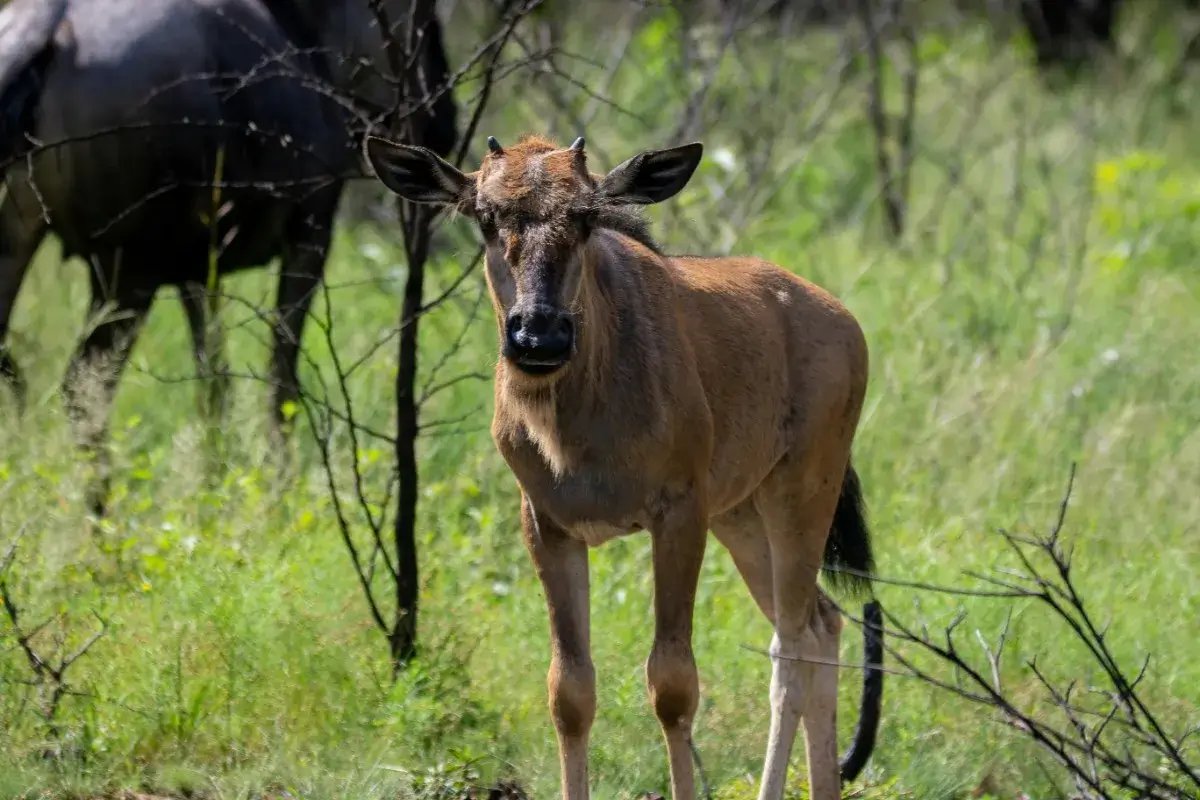
The calving season from January through March transforms the southern Serengeti plains into a wildlife nursery unlike anywhere else on Earth. During February alone, over 500,000 wildebeest calves are born on the short grass plains around Ndutu, creating an incredible spectacle of new life.
This concentration of vulnerable young animals attracts predators in extraordinary numbers. Lions, cheetahs, leopards, and hyenas converge on the calving grounds, offering photographers and wildlife enthusiasts some of the best predator action of the entire year. The landscape during this green season blooms with vibrant colors following the rains, creating stunning photographic opportunities. Best of all, you’ll encounter fewer crowds and enjoy significantly lower accommodation prices compared to peak season.
April to May (Wet Season – Budget Safari Season)
The long rains arrive in April and May, creating what locals call the “emerald season.” While heavy afternoon downpours can make some roads challenging and cause certain seasonal camps to close temporarily, this period offers incredible value for budget-conscious travelers. Safari lodges and camps drop their rates to the lowest levels of the year, sometimes offering discounts of 30-40% compared to peak season.
The wet season rewards visitors with dramatic storm clouds, lush vegetation, and fewer safari vehicles on game drives. The wildebeest migration herds begin their northward journey during these months, creating opportunities to witness the herds on the move. Photographers particularly appreciate the dramatic lighting and the way the landscape transforms into a verdant paradise.
November to December (Short Rains Season) - southern Serengeti plains
The short rains period from November through December marks the migration’s return journey to the southern Serengeti plains. Brief afternoon showers refresh the landscape without disrupting safari activities too severely. The wildebeest herds begin moving back south toward their calving grounds, following the fresh grass that springs up after the rains.
This shoulder season offers excellent value, with accommodation prices sitting comfortably between budget low season and premium peak season rates. You’ll experience good wildlife viewing without the crowds, making it an ideal time for travelers seeking a balance between affordability and optimal safari conditions.
Serengeti Safari Costs: Budget to Luxury
Understanding Serengeti safari costs is essential for planning your dream Tanzania safari. Prices vary mostly depending on your chosen accommodation style, safari duration, and when you travel. Let me break down what you can realistically expect to budget for your Serengeti experience.
Budget Safari Options
Budget-conscious travelers can experience an authentic Serengeti safari for approximately $200 to $400 per person per day. This price range typically includes basic camping facilities or simple lodges, shared safari vehicles with other travelers, and three meals daily. For a comprehensive five-day budget safari exploring Serengeti’s diverse regions, expect to invest between $1,000 and $2,000 per person. While accommodations are luxury midrange, you’ll still experience the same incredible wildlife and landscapes as luxury travelers.
Mid-Range Safari Experience cost
Mid-range safaris, priced between $400 and $700 per person daily, offer the sweet spot for many travelers seeking comfort without breaking the bank. Your safari package at this level includes stays at comfortable tented camps with proper beds and en-suite bathrooms, private or small group safari vehicles (usually 4-6 people maximum), and experienced guides. A five-day mid-range Serengeti safari typically costs $2,000 to $3,500 per person, delivering excellent value with quality accommodations and personalized service.
Luxury Serengeti Safari cost
Luxury safari experiences in Serengeti range from $700 to over $1,500 per person per day, offering world-class accommodations and exclusive experiences. Premium lodges feature gourmet dining, swimming pools, spa treatments, and beautifully appointed suites with private decks overlooking the plains. You’ll enjoy private safari vehicles with your dedicated guide, meaning you control the pace and focus of each game drive. All activities, premium beverages, and personalized service are included. A five-day luxury Serengeti safari ranges from $3,500 to $7,500 per person, creating memories that justify the investment.
Additional Safari Expenses to Consider
Beyond the base safari package cost, budget for several additional expenses. Serengeti National Park entrance fees currently stand at $83 per adult per 24-hour period, including all applicable taxes. If your accommodation is located inside the park boundaries, add concession fees of $71 per adult per day. The unforgettable hot air balloon safari experience costs between $600 and $700 per person but offers perspectives you simply cannot get from the ground. Tipping your safari guide is customary, with $30 to $50 per day being appropriate depending on service quality. Tanzania visa fees range from $50 to $100 depending on your nationality.
Smart Money-Saving Strategies
You can significantly reduce Serengeti safari costs without sacrificing experience quality. Consider traveling during the low season months of April and May when accommodation rates drop by 30-40% and you’ll encounter fewer tourists on game drives. Joining small group safaris instead of booking private vehicles can cut costs nearly in half while still providing excellent wildlife viewing. The optimal safari length balancing cost and experience is three to four days, giving you sufficient time to explore without excessive expense. Finally, booking directly with Tanzania-based safari operators rather than international agencies often saves hundreds of dollars by eliminating middleman commissions.
How to Get to Serengeti National Park
Flying to Serengeti (The Fastest Route)
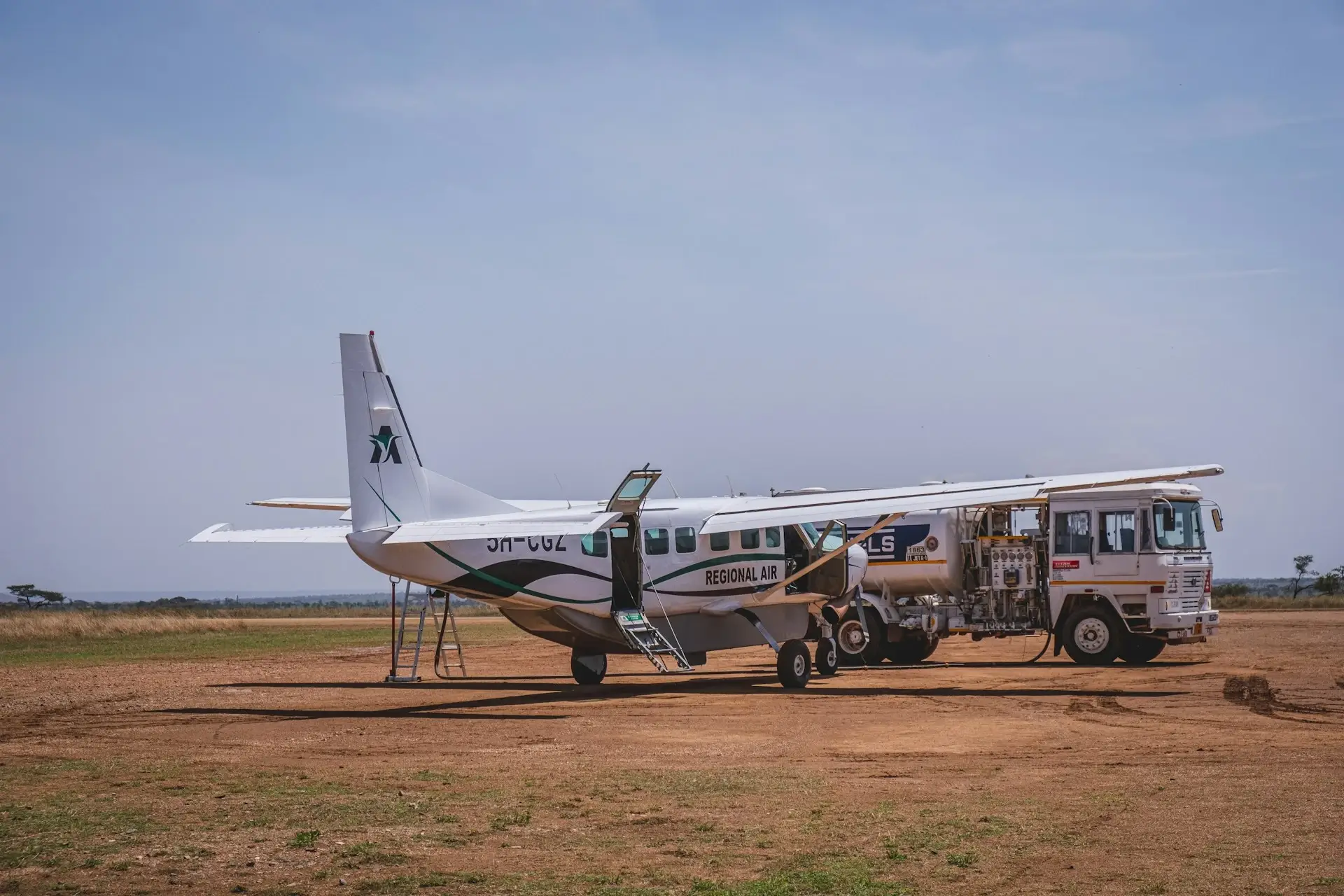
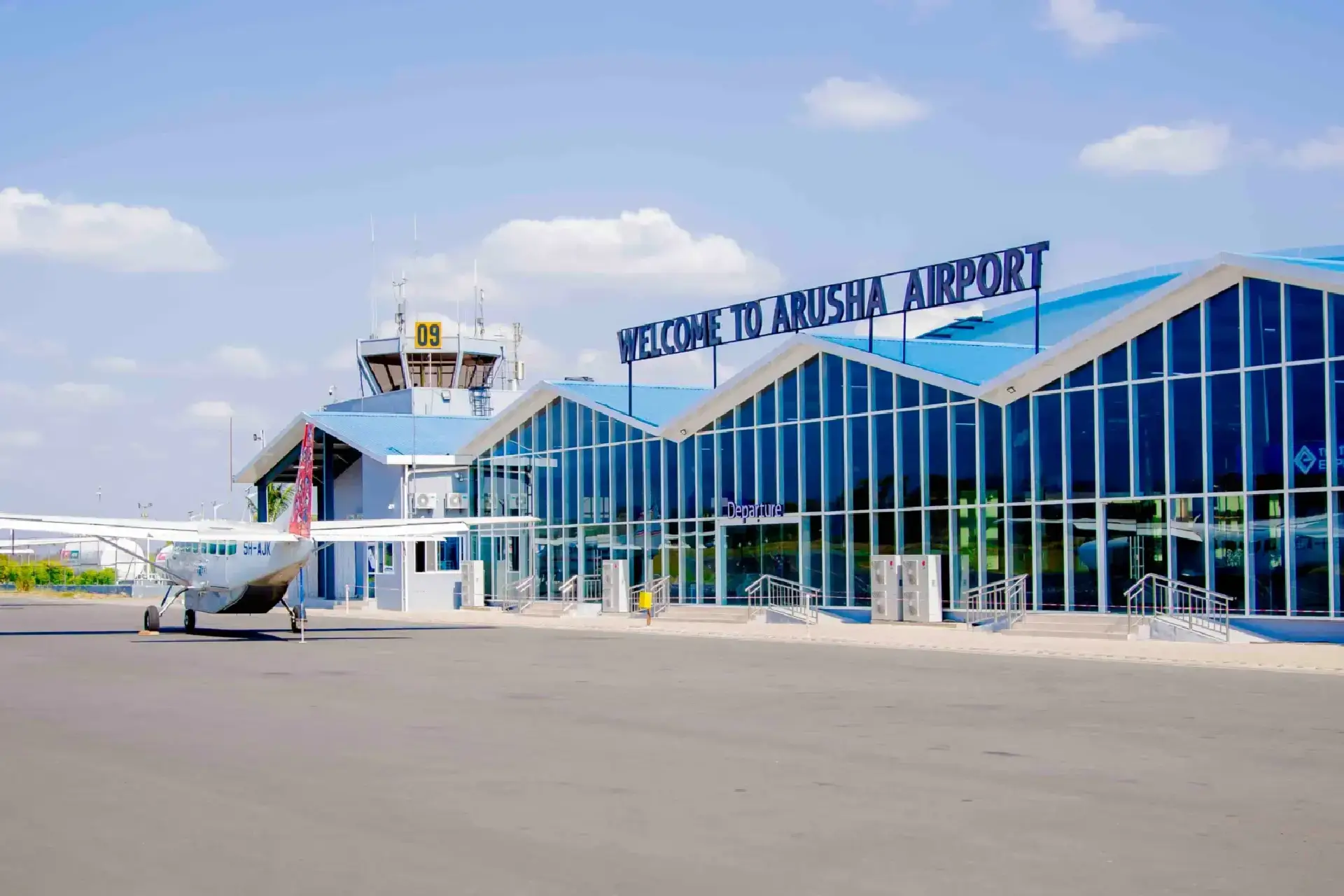
Flying directly to Serengeti represents the quickest and most convenient option for reaching this remote wilderness. Daily scheduled flights depart from both Kilimanjaro International Airport (JRO) and Arusha Airport (ARK), landing at several airstrips strategically positioned throughout Serengeti. Seronera Airstrip in central Serengeti handles the most traffic, while Kogatende, Lobo, Grumeti, and Ndutu airstrips serve specific regions depending on your safari itinerary.
The flight duration typically ranges from one to two hours, transforming what would be a full day’s drive into a quick and scenic journey. Light aircraft offer stunning aerial perspectives of the Tanzanian landscape, including views of Mount Kilimanjaro on clear days, the Ngorongoro Highlands, and your first glimpses of Serengeti’s vast plains. Expect to pay between $200 and $400 per person for one-way flights, though prices fluctuate based on season and booking timing. Most safari packages bundle flight costs into the overall price.
Driving to Serengeti (The Budget-Friendly Overland Route)
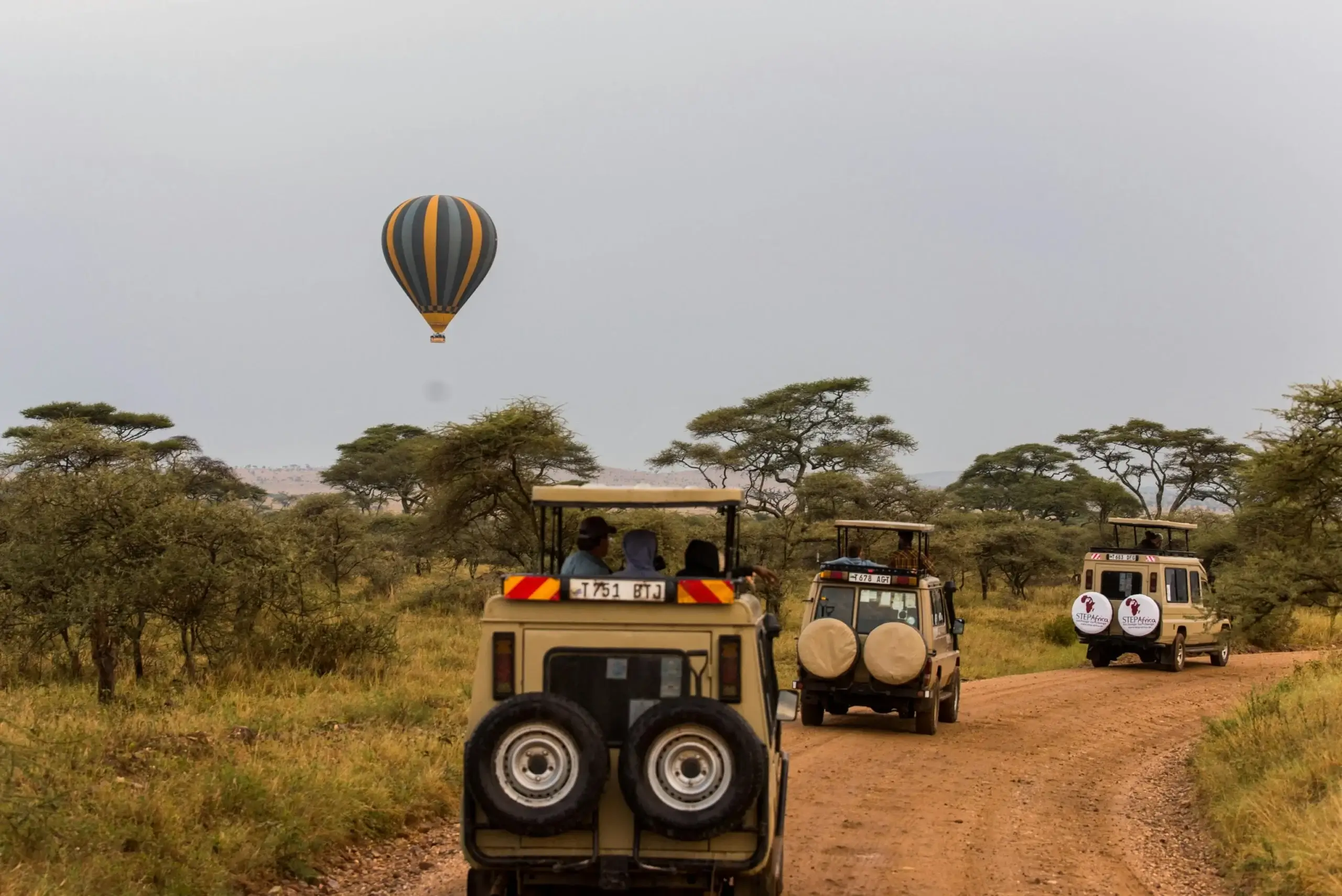
Overland safaris from Arusha to Serengeti take seven to eight hours, passing through some of Tanzania’s most spectacular landscapes. The standard route travels through the Ngorongoro Conservation Area, ascending the dramatic crater highlands before descending onto the Serengeti plains through Naabi Hill Gate. This journey, while long, offers continuous wildlife viewing opportunities and chances to stop at cultural sites and scenic viewpoints.
Most multi-day safaris combine Serengeti with other northern circuit destinations, creating a comprehensive Tanzania wildlife experience. Popular combinations include Lake Manyara National Park, known for tree-climbing lions, Tarangire National Park, famous for enormous elephant herds and ancient baobab trees; and the Ngorongoro Crater, a UNESCO World Heritage Site with incredible wildlife density. The overland route costs significantly less than flying, making it ideal for budget travelers who view the journey as part of the adventure.

Serengeti Entry Gates and Access Points
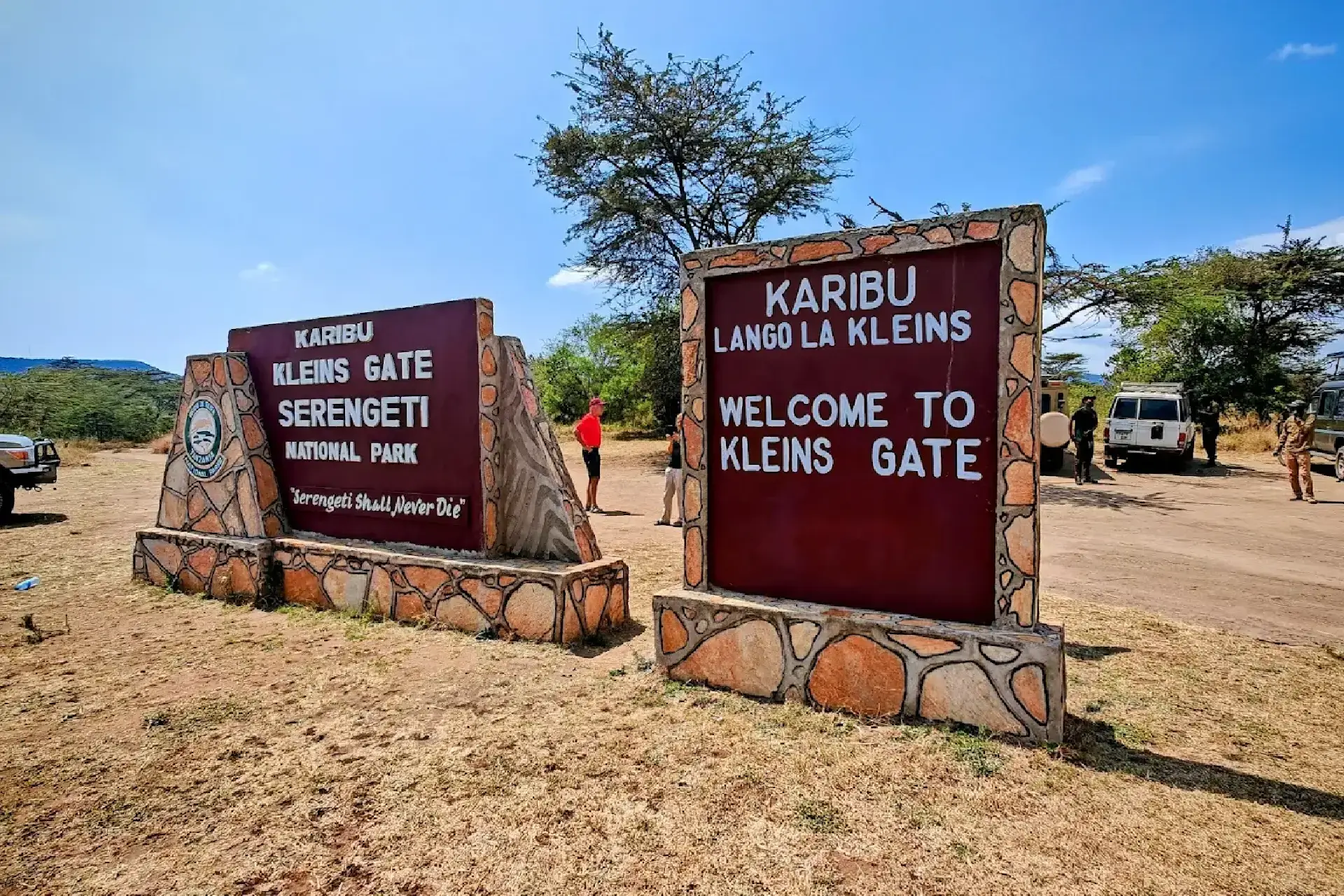
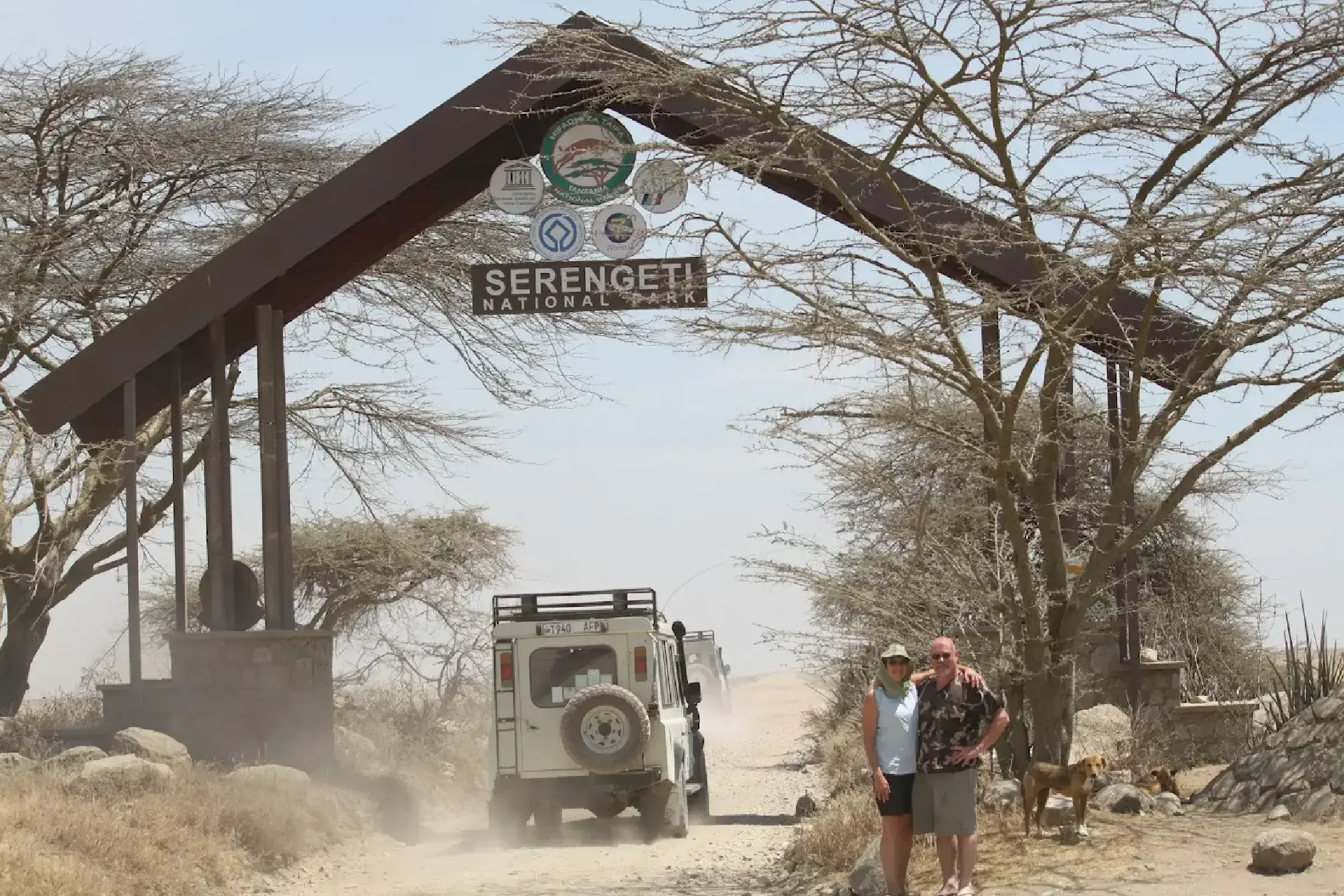
Serengeti National Park maintains several entry gates serving different regions and travel routes. Naabi Hill Gate serves as the main southern entrance for travelers arriving from Arusha via the Ngorongoro Conservation Area. Ndabaka Gate on the western side provides access from Lake Victoria and western Tanzania. Klein’s Gate in the north facilitates entry from Kenya’s Masai Mara and serves lodges in northern Serengeti.
All park gates operate from 6:00 AM until 6:00 PM daily. Safari operators recommend arriving before 3:00 PM to ensure you reach your accommodation before darkness falls, as driving after sunset within the park is prohibited except on designated roads. Gate staff process park entry fees and provide basic orientation information about current wildlife movements and road conditions.
Where to Stay in Serengeti
Luxury Safari Lodges
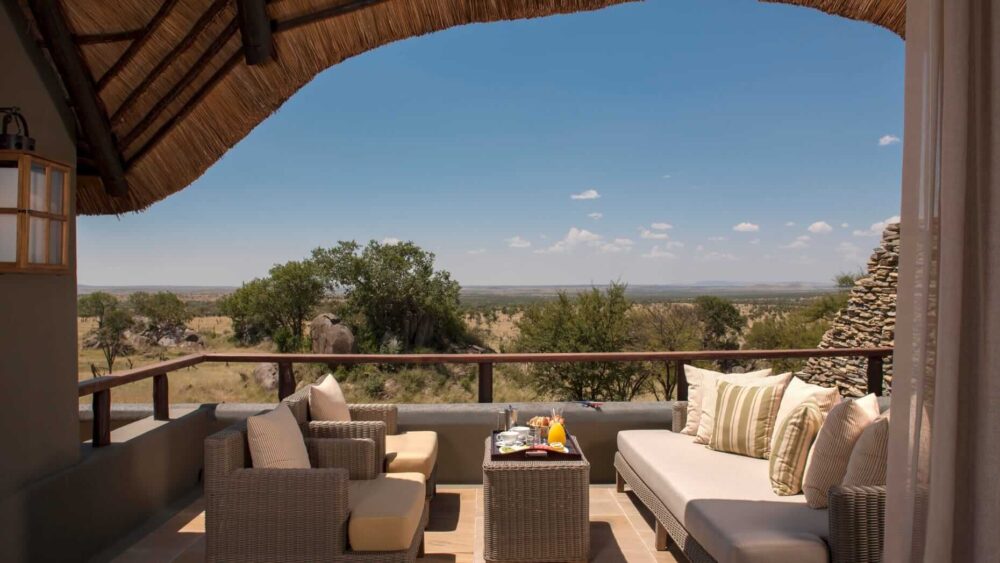
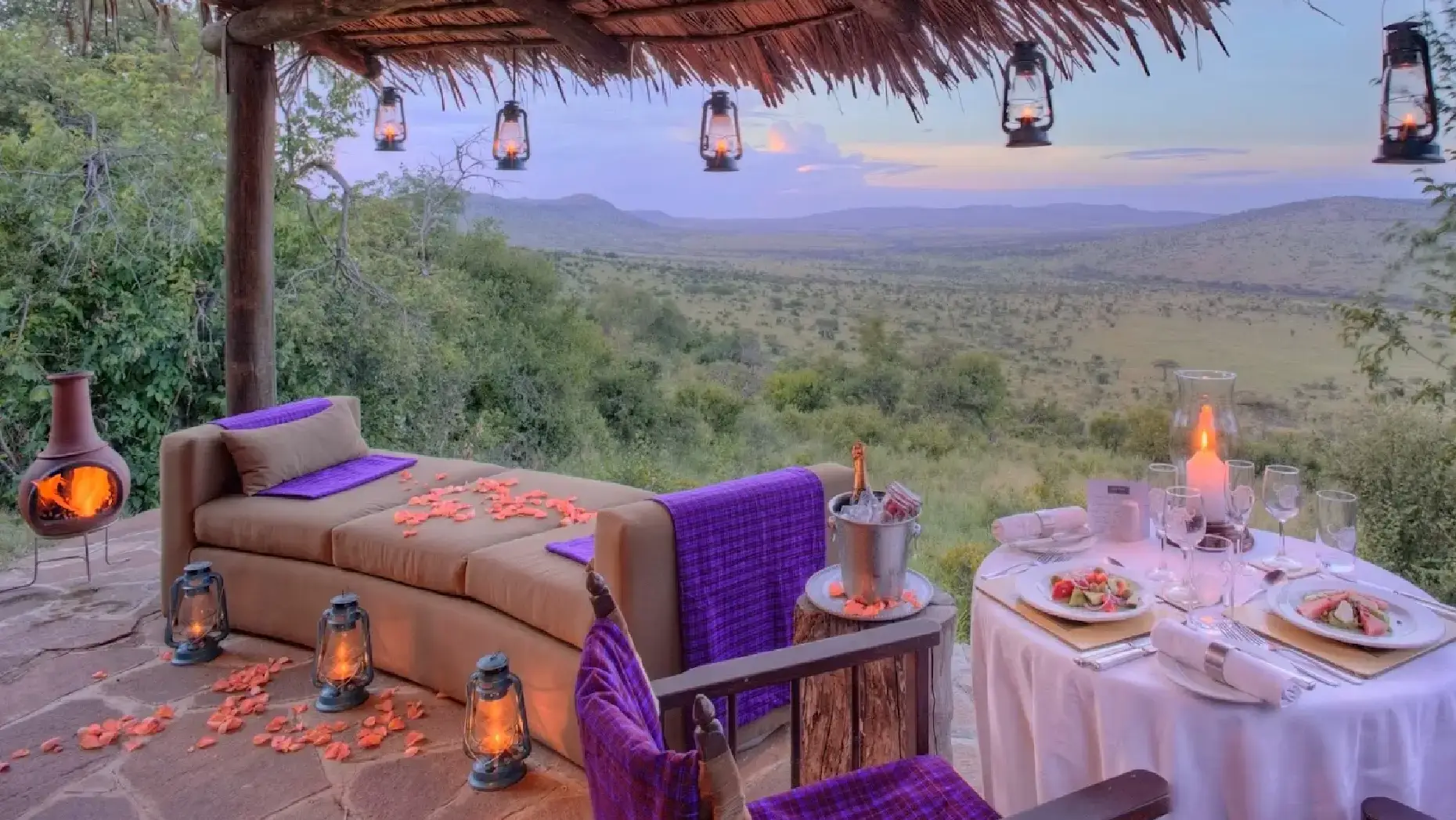
Luxury accommodations in Serengeti deliver world-class comfort amid one of Earth’s most spectacular wilderness areas. Properties like, Serengeti Explorer, Four Seasons Safari Lodge Serengeti set the standard with infinity pools overlooking waterholes, gourmet restaurants, spa facilities, and lavishly appointed suites featuring private decks where elephants and giraffes might wander past during breakfast. Serengeti Serena Safari Lodge captivates with its Maasai-inspired architecture perched on a hill with panoramic views, while &Beyond Klein’s Camp in the remote northern Serengeti offers intimate exclusivity with just ten cottage suites.
Expect to invest $600 to $1500+ or more per person nightly at luxury lodges, but this price includes exceptional service, fine dining, premium beverages, and often additional activities like bush walks or cultural visits. The level of comfort, attention to detail, and exclusive wildlife viewing opportunities justify the premium pricing for many travelers seeking a once-in-a-lifetime safari experience.
Tented Safari Camps
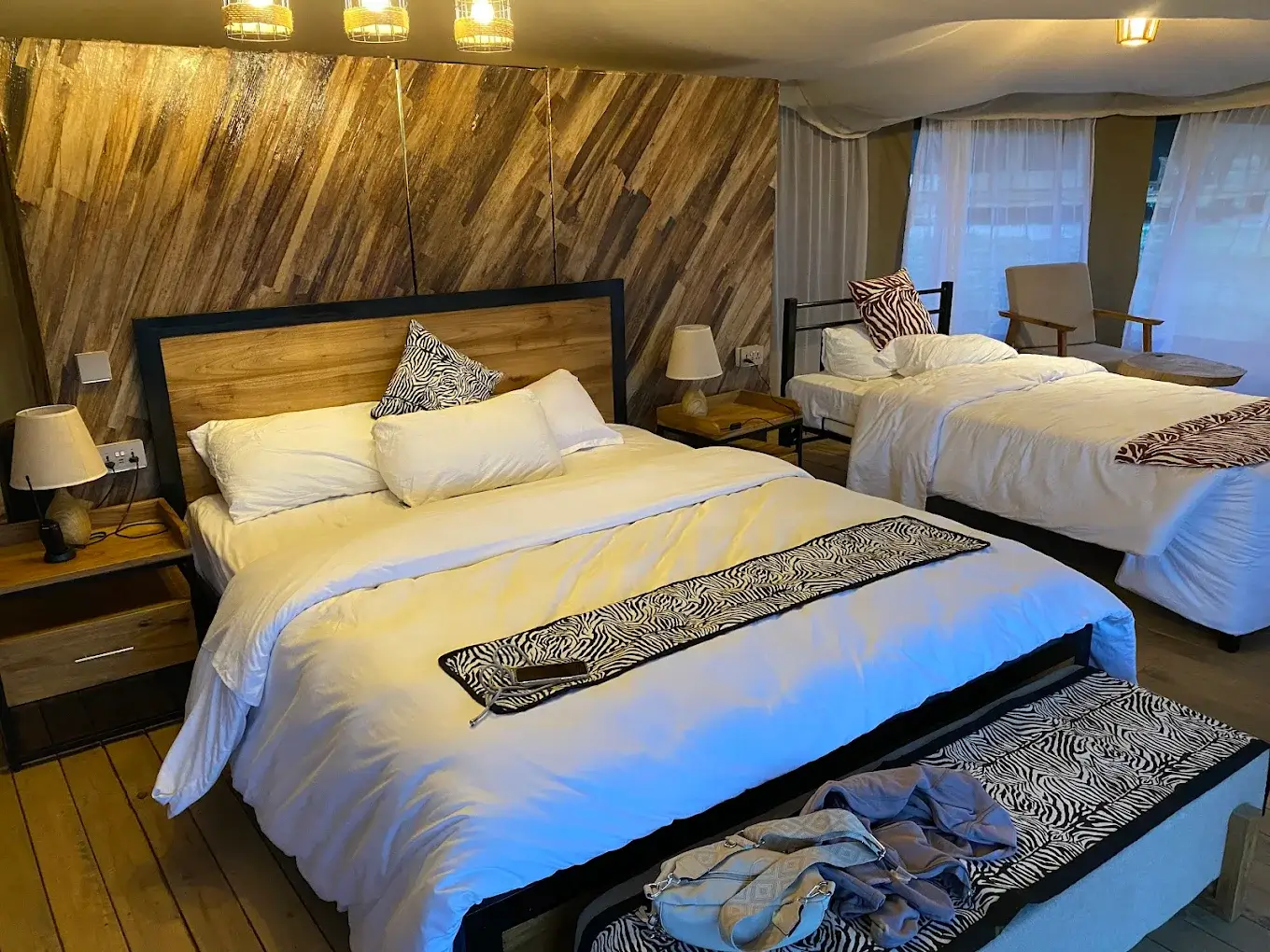
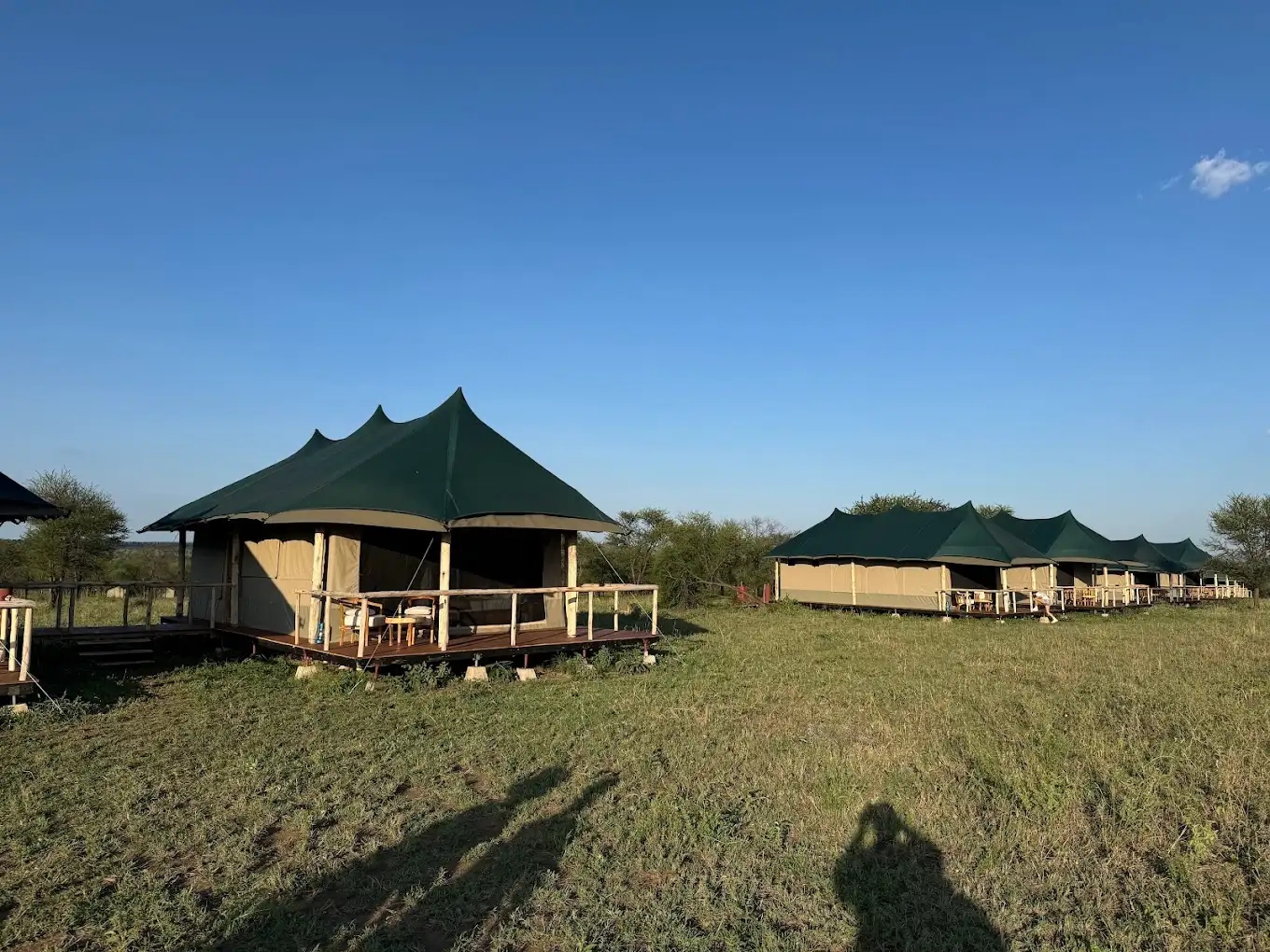
Tented camps represent the quintessential Serengeti accommodation, blending authentic safari atmosphere with surprising comfort. Mobile tented camps follow the wildebeest migration seasonally, positioning you perfectly for witnessing river crossings or calving season depending on the time of year. These temporary camps dismantle and relocate several times annually, ensuring guests stay near peak wildlife action.
Permanent tented camps offer fixed locations in prime wildlife areas, featuring spacious canvas tents on raised platforms with en-suite bathrooms, comfortable beds, and verandas overlooking the plains. Despite the “tent” designation, many provide hotel-level amenities, including hot showers, flush toilets, and even electricity during certain hours. Nightly rates range from $150 to $400 per person, positioning tented camps in the mid-range category that appeals to travelers wanting comfort without luxury price tags. Examples of midrange luxury tented camps are Moyo Tented Camp, Tanzania Bush Camps, Serengeti Heritage Luxury Tented Camp, and many others.
Budget Camping Options
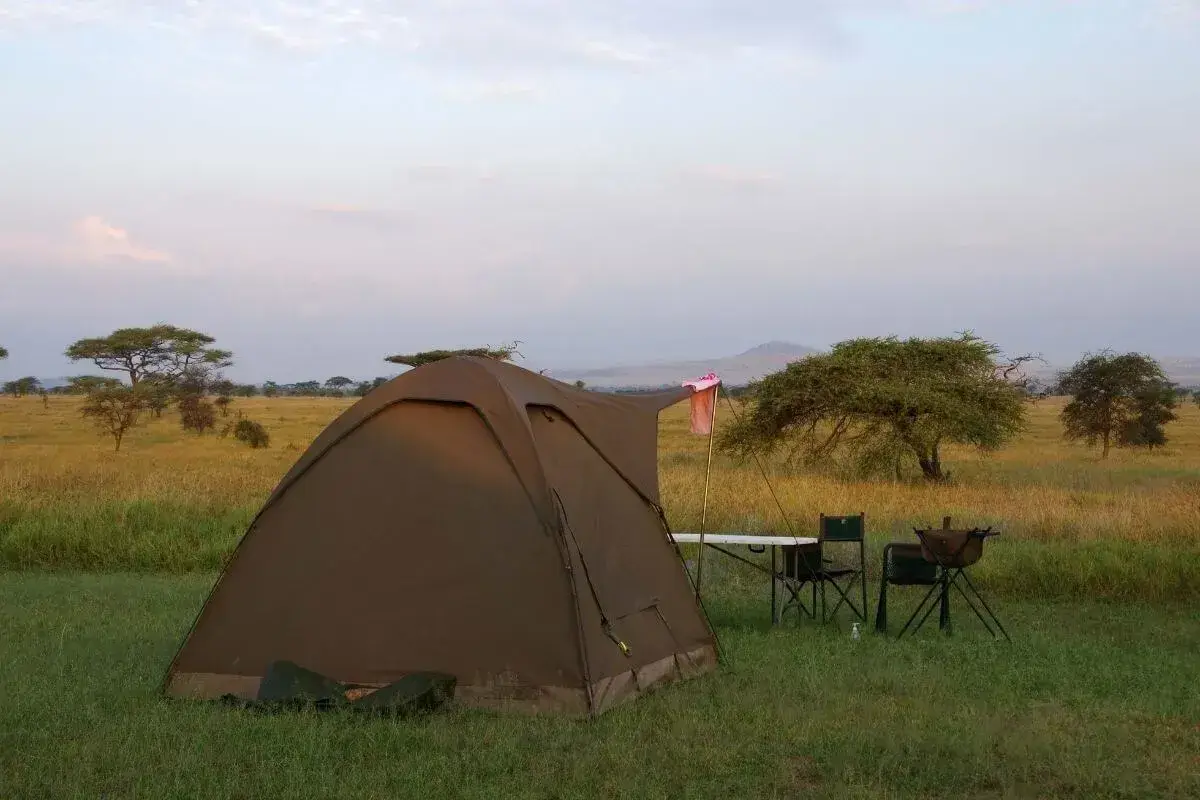
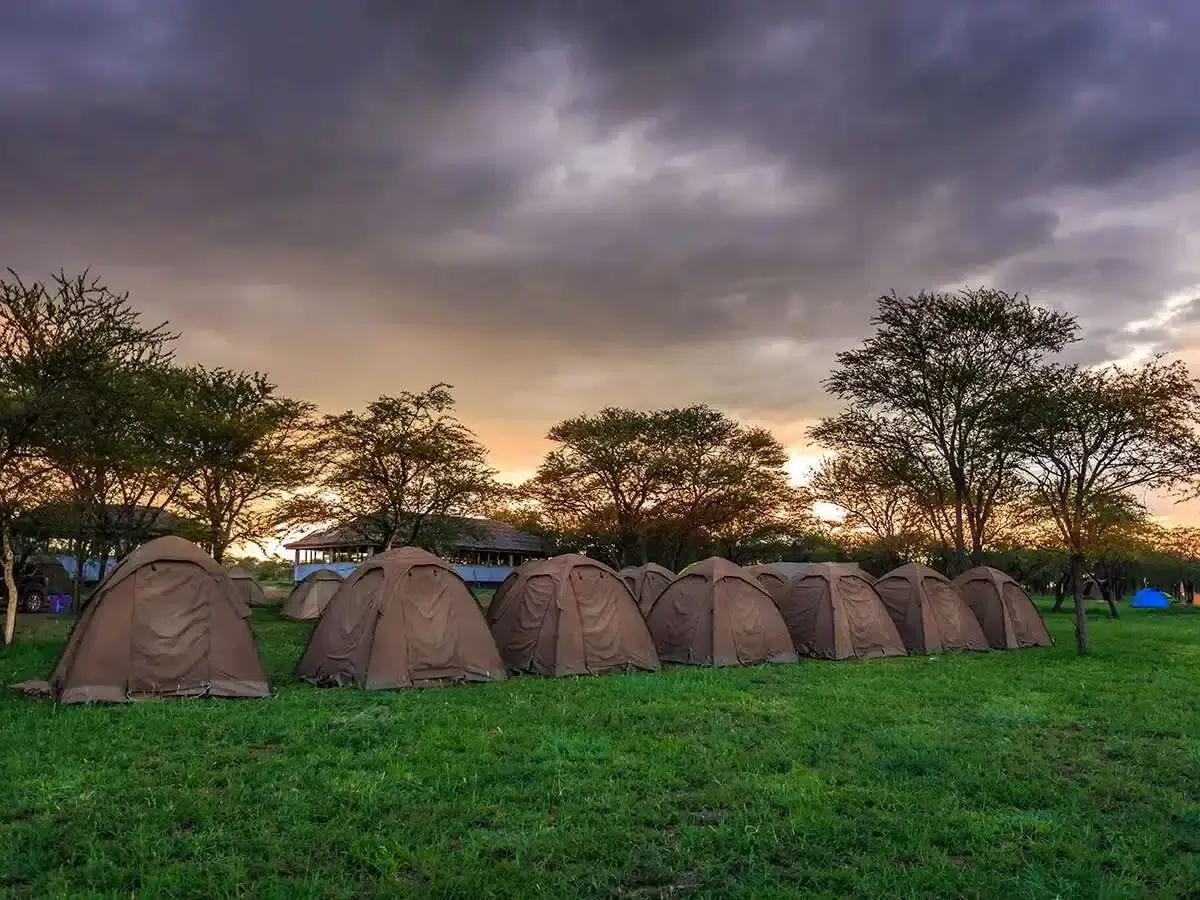
Public campsites scattered throughout Serengeti offer the most affordable accommodation for adventurous travelers on tight budgets. These designated camping areas provide basic facilities, pit latrines, cold water taps, and cleared spaces for pitching tents, without any frills. What budget camping lacks in comfort, it compensates with authenticity and incredibly close encounters with nature. Falling asleep to hyena calls and waking to bird songs creates memories no luxury lodge can replicate.
Expect to pay $50 to $100 per person per night for budget camping, though this usually includes support from your safari operator, who provides tents, sleeping bags, camp chairs, and cooking equipment. Your guide and camp staff handle all setup, meal preparation, and camp management, allowing you to focus purely on the wildlife experience.
Best Serengeti Regions for Accommodation
Central Serengeti the Seronera Valley
Central Serengeti, particularly the Seronera Valley, offers year-round wildlife viewing and serves as the geographic heart of the park. Centrally located lodges and camps provide excellent access to all park regions, making this area ideal for first-time visitors or shorter safaris.
Northern Serengeti near Kogatende
Northern Serengeti near Kogatende delivers the best positioning for witnessing Mara River crossings between July and October, when the migration concentrates in this region. Accommodations here tend toward the exclusive and expensive but reward guests with front-row seats to nature’s greatest spectacle.
The Southern Serengeti and the Ndutu area
The Southern Serengeti and the Ndutu area excel during calving season from January through March, when hundreds of thousands of wildebeest give birth on the short grass plains. Properties in this region capitalize on seasonal movements, with some operating only during peak migration months.
The Western Corridor along the Grumeti River
The Western Corridor along the Grumeti River provides excellent wildlife viewing from May through July, including dramatic but less crowded river crossings compared to the northern Mara River. This region sees fewer tourists despite offering equally spectacular wildlife experiences.
What to Pack for Your Serengeti Safari
Important Packing Restrictions
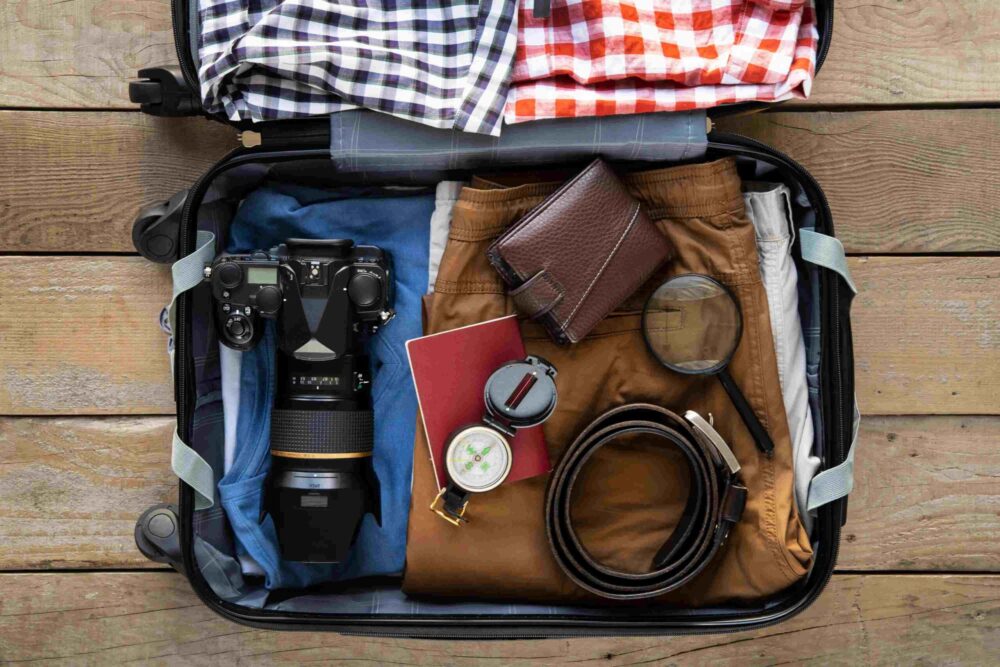
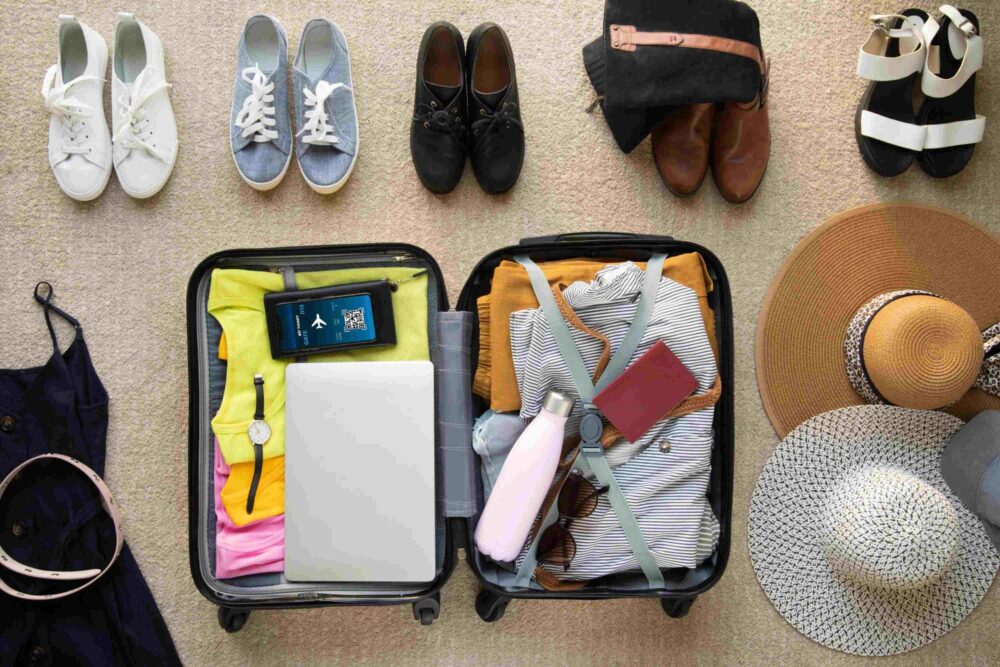
Remember that small aircraft servicing Serengeti impose strict luggage weight limits, typically 15 kilograms (33 pounds) per person in soft-sided bags only. Hard-shell suitcases simply won’t fit in the small cargo holds of bush planes. Distribute your belongings into soft duffel bags or safari bags, and pack conservatively. Most camps offer laundry services, so you need fewer clothing changes than expected. This weight limit represents total luggage including camera equipment, so plan accordingly and ship heavy items separately or leave them in Arusha at your tour operator’s office.
Essential Safari Clothing
Packing the right clothing can make or break your Serengeti safari experience. Neutral-colored clothing in shades of khaki, beige, olive green, and tan works best for safari, helping you blend into the environment without startling wildlife. Bright colors like red, orange, or white can disturb animals and attract unwanted insect attention.
Long-sleeved shirts and long pants serve dual purposes, protecting your skin from intense equatorial sun and providing a barrier against mosquitoes during dawn and dusk when they’re most active. While daytime temperatures can reach 30°C (86°F), early morning game drives starting before sunrise can be surprisingly chilly. Pack a light fleece jacket or windbreaker for those crisp dawn drives when you’re sitting still in an open vehicle watching the sunrise over the plains.
Comfortable closed-toe walking shoes or hiking boots are essential, even though you’ll spend most of your time sitting in vehicles. Many lodges and camps include short nature walks, and you’ll need sturdy footwear for uneven terrain around accommodations. A wide-brimmed hat protects your face and neck from the relentless sun, while quality sunglasses reduce glare when scanning horizons for wildlife. One critical clothing note: camouflage patterns are illegal in Tanzania for civilians, so leave any military-style camo clothing at home regardless of how practical it might seem for safari.
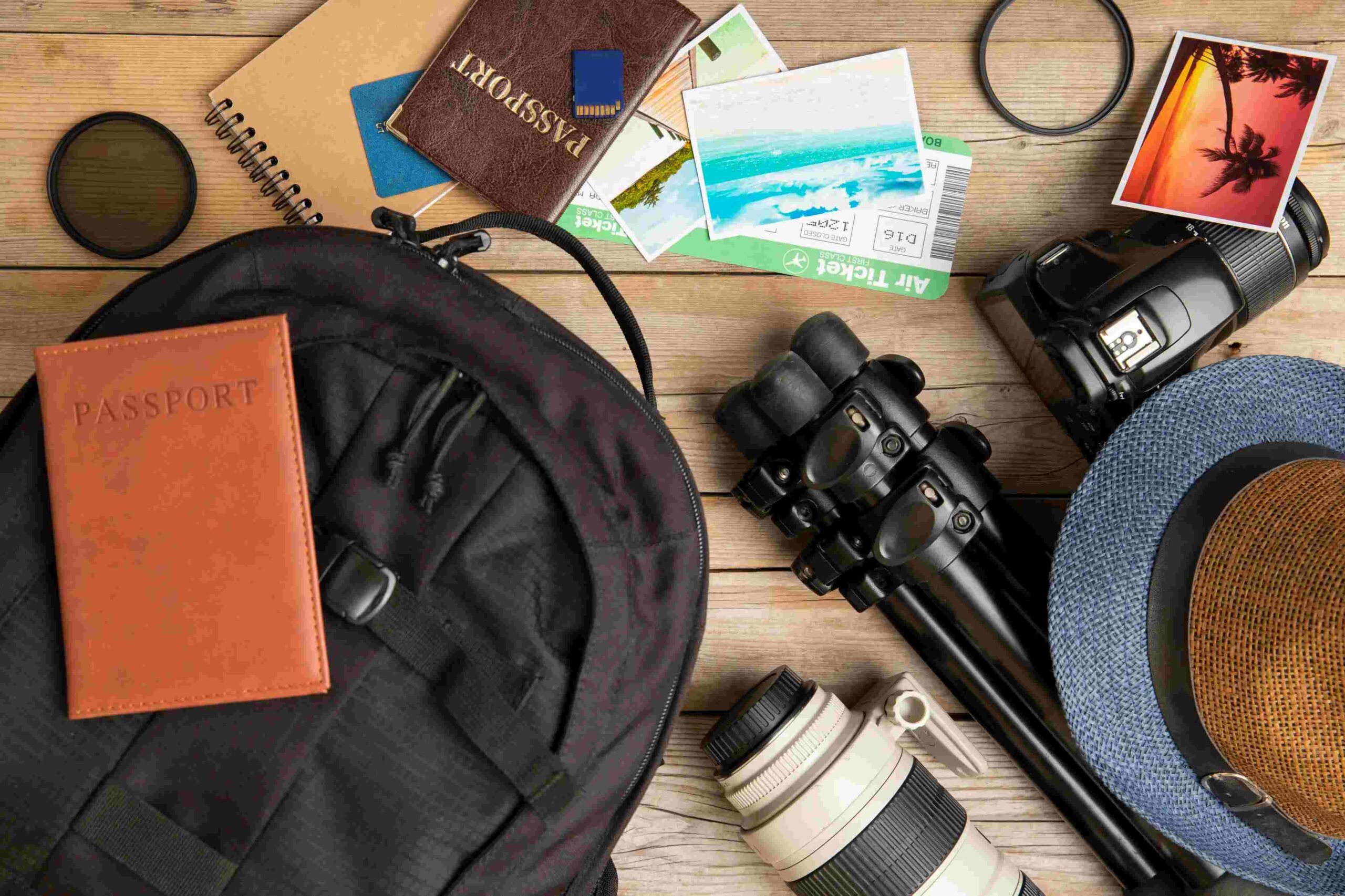
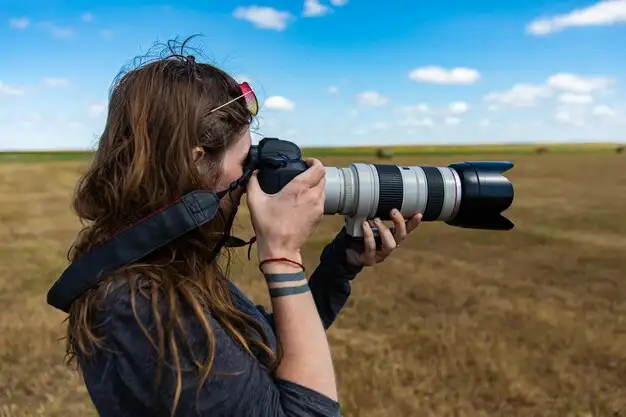
Camera Gear and Wildlife Viewing Equipment
Packing the right clothing can make or break your Serengeti safari experience. Neutral-colored clothing in shades of khaki, beige, olive green, and tan works best for safari, helping you blend into the environment without startling wildlife. Bright colors like red, orange, or white can disturb animals and attract unwanted insect attention.
Long-sleeved shirts and long pants serve dual purposes, protecting your skin from intense equatorial sun and providing a barrier against mosquitoes during dawn and dusk when they’re most active. While daytime temperatures can reach 30°C (86°F), early morning game drives starting before sunrise can be surprisingly chilly. Pack a light fleece jacket or windbreaker for those crisp dawn drives when you’re sitting still in an open vehicle watching the sunrise over the plains.
Comfortable closed-toe walking shoes or hiking boots are essential, even though you’ll spend most of your time sitting in vehicles. Many lodges and camps include short nature walks, and you’ll need sturdy footwear for uneven terrain around accommodations. A wide-brimmed hat protects your face and neck from the relentless sun, while quality sunglasses reduce glare when scanning horizons for wildlife. One critical clothing note: camouflage patterns are illegal in Tanzania for civilians, so leave any military-style camo clothing at home regardless of how practical it might seem for safari.
Health, Safety, and Medical Supplies
Sunscreen with SPF 30 or higher is absolutely non-negotiable at Serengeti’s proximity to the equator. Apply generously and reapply every few hours, especially on your neck, ears, and arms that receive sun exposure through open vehicle roofs. Insect repellent containing DEET helps prevent mosquito bites that could transmit malaria or other diseases.
Pack any prescription medications in their original containers with copies of prescriptions, bringing more than you think necessary in case of travel delays. Anti-malarial medication is strongly recommended, consult your doctor about appropriate prophylaxis at least four weeks before departure. A basic first aid kit with bandages, antiseptic wipes, pain relievers, anti-diarrheal medication, and any personal medical supplies covers most minor safari ailments.


Travel Documents and Money
Your passport must have at least six months validity beyond your planned return date, this is strictly enforced. Obtain your Tanzania visa in advance or upon arrival (depending on nationality), and carry printed copies of your visa, vaccination certificates, and travel insurance policy. Yellow fever vaccination certificates are required if you’re arriving from certain countries or have recently visited yellow fever zones.
Print your complete safari itinerary, including accommodation confirmations, park permits, and emergency contact numbers for your safari operator. While most Serengeti camps accept credit cards, carry some US dollars for tips (guides appreciate $10-20 per day), curio purchases, and airport needs. Small denominations work best since change can be difficult in rural areas.
Serengeti Safari Activities
Game Drives – The Heart of Every Safari
Morning and afternoon game drives form the foundation of every Serengeti safari experience. Most of us tour operators schedule drives twice daily, departing before sunrise around 6:00 AM when animals are most active and again in late afternoon around 3:30 PM, continuing until sunset. Early morning drives offer the best chances of witnessing predators hunting, as nocturnal hunters make final kills before dawn and diurnal predators begin their day.
Full-day game drives with picnic lunches packed by your lodge allow exploration of remote Serengeti regions too distant for half-day excursions. These extended drives let you follow interesting wildlife situations as they develop, perhaps tracking a pride of lions on a hunt or observing a cheetah mother teaching cubs to stalk prey. Your guide selects picnic spots at designated areas, often scenic kopjes or under acacia trees, where you can stretch your legs and enjoy lunch while scanning the horizon for wildlife.
Hot Air Balloon Safaris Over the Serengeti
Floating silently above the Serengeti plains at sunrise creates one of Africa’s most magical safari experiences. Hot air balloon safaris typically begin with predawn pickup from your lodge, arriving at the launch site as crews inflate massive colorful balloons against the lightening sky. As the sun rises, your balloon lifts off, drifting peacefully over the endless plains for approximately one hour.
From your aerial vantage point, the Serengeti reveals patterns invisible from ground level, herds of wildebeest stretching to the horizon, lone elephants wandering through acacia woodlands, hippos wallowing in river bends. The silence is remarkable; only the occasional burst of the propane burners interrupts the quiet as you drift with the wind. Upon landing, your pilot and support crew have already arranged a champagne bush breakfast at a scenic location, complete with white tablecloths, hot coffee, and a celebratory toast to your flight. While costing $599 to $700 per person, many travelers consider this their most memorable safari moment.
Guided Walking Safaris in the Bush
We offer walking safaris with armed park rangers, providing completely different perspectives on Serengeti ecology. On foot, your awareness heightens dramatically, every sound, scent, and movement takes on significance. Your guide teaches you to identify animal tracks, interpret signs of recent wildlife activity, and understand the intricate relationships between Serengeti’s plants and animals.
Walking safaris focus on smaller details often overlooked during vehicle-based game drives: colorful beetles, medicinal plants used by local tribes, bird calls, animal dung revealing diet and health, and the delicate balance of the ecosystem supporting the famous megafauna. These walks typically last two to three hours, staying relatively close to camp for safety reasons. While you won’t approach dangerous game closely, the combination of mild adrenaline and deep nature connection makes walking safaris profoundly memorable.
Cultural Visits to Maasai Villages
Many safari itineraries incorporate visits to Maasai villages (bomas) located near Serengeti National Park boundaries. The Maasai, traditional pastoralists whose ancestors have lived alongside Serengeti wildlife for centuries, welcome visitors interested in learning about their culture. Village visits typically include demonstrations of traditional jumping dances, explanations of Maasai housing construction and daily life, and opportunities to purchase authentic beaded jewelry and craftwork directly from artisans.
These cultural experiences provide important context for understanding the relationship between Serengeti’s conservation success and local communities. Responsible tour operators ensure village visits benefit local Maasai families directly, with entry fees supporting community projects. Approach these visits with respect and genuine curiosity rather than as tourist spectacles, and you’ll gain valuable insights into cultures that have coexisted with East African wildlife far longer than modern conservation efforts.
Night Game Drives
Serengeti offer night game drives, revealing Serengeti’s nocturnal wildlife invisible during standard daylight activities. After sunset, when most visitors have returned to their lodges, specially permitted vehicles equipped with powerful spotlights venture into the darkness searching for creatures that emerge only after dark.
Night drives regularly encounter leopards hunting under cover of darkness, serval cats stalking rodents in grasslands, genets prowling trees for roosting birds, bush babies leaping between branches with enormous eyes reflecting your spotlight, and spotted hyenas on their way to harass lion kills. The Serengeti transforms completely at night, sounds intensify, predators rule, and prey animals remain hypervigilant. These drives typically last two to three hours and require advance booking as they’re not available at all accommodations due to park regulations.
Planning Your Serengeti Safari
How Many Days Do You Need in Serengeti?
Deciding how long to spend in Serengeti National Park depends on your budget, available time, and safari goals. A minimum three-day safari gives you enough time to explore the main wildlife areas around central Serengeti and experience morning and afternoon game drives in different regions. However, most safari experts recommend spending four to five days in Serengeti for thorough exploration that covers multiple ecosystems and dramatically increases your chances of witnessing exceptional wildlife moments like predator hunts or large herds on the move.
If you’re visiting specifically to follow the Great Wildebeest Migration or want to experience both the northern Mara River crossings and southern calving grounds, consider an ideal six to seven-day safari that allows you to see multiple Serengeti regions without feeling rushed. Longer safaris also provide flexibility for unexpected wildlife encounters—when you discover a leopard with a fresh kill or a cheetah family teaching cubs to hunt, you’ll appreciate having extra time to observe these rare moments without worrying about tight itinerary schedules.
Serengeti Safari Itinerary
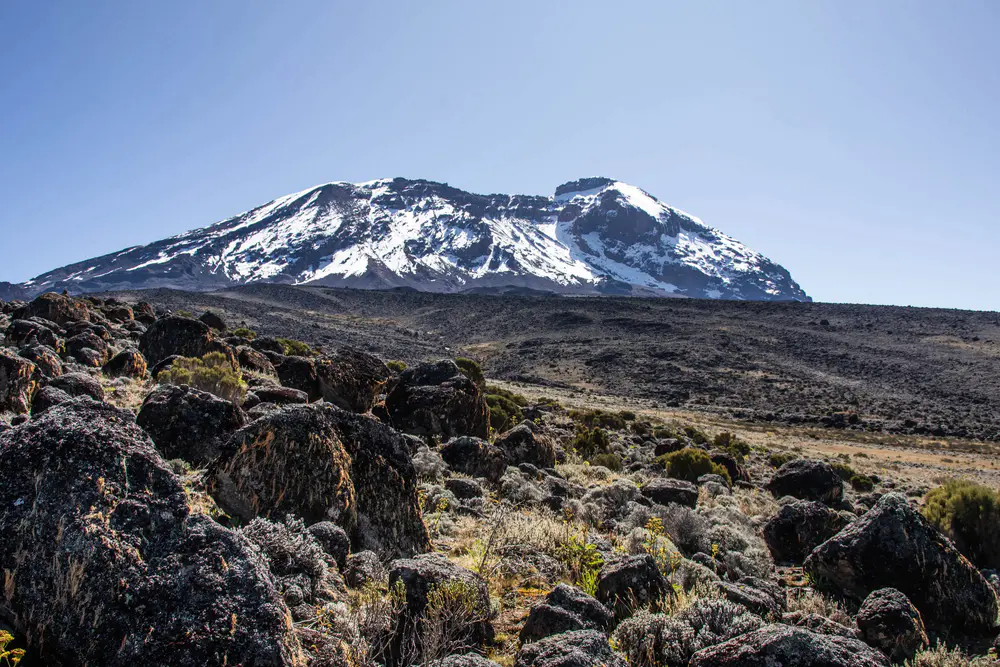
7-Day Mara River Crossing Serengeti Migration Safari
10-Day Women Only Kilimanjaro Climb Lemosho Route + Safari Extension

11-Day Women-Only Tanzania Safari The Great Migration + Zanzibar
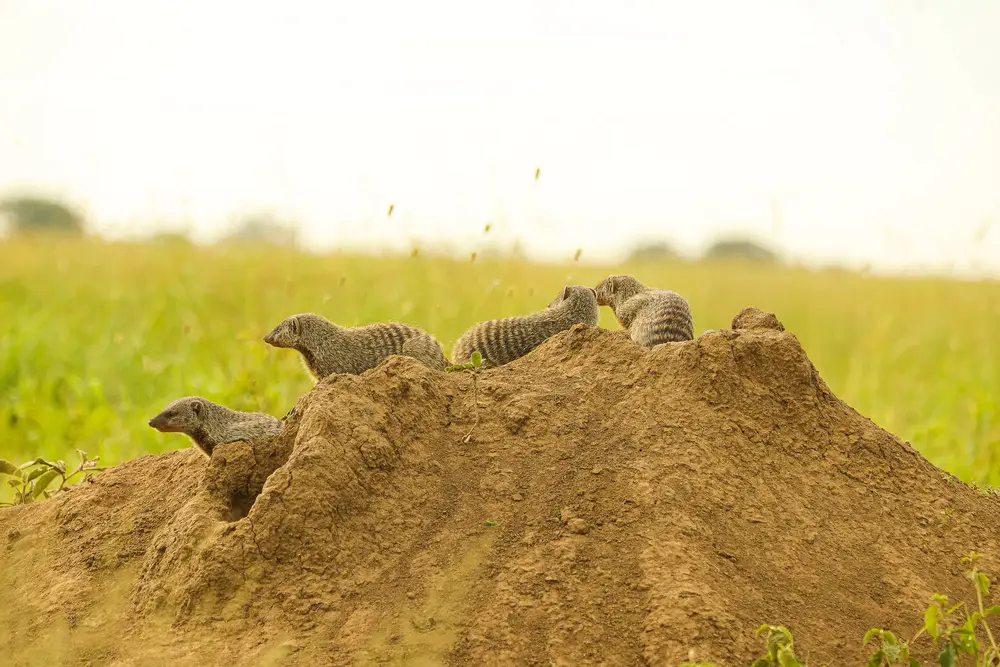
5-Day Tanzania Family Safari – Fly-in Serengeti, Ngorongoro & Tarangire
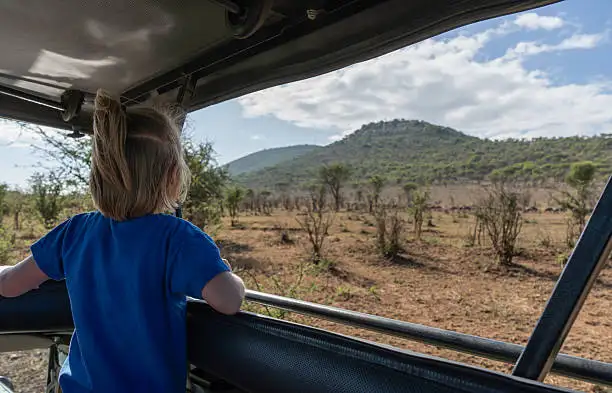
7-Day Tanzania Family Safari Package – Serengeti, Ngorongoro & Tarangire
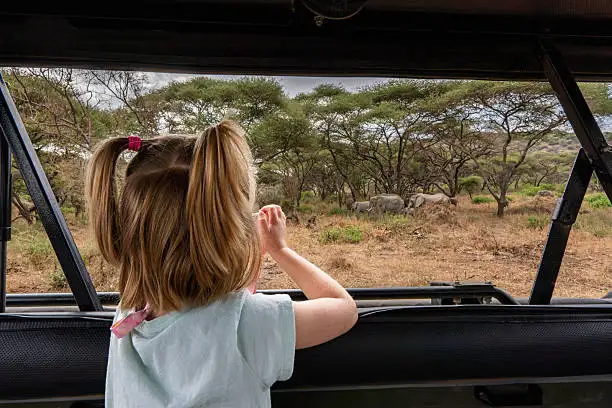
8-Day Tanzania Family Safari Package in Serengeti, Ngorongoro & Tarangire
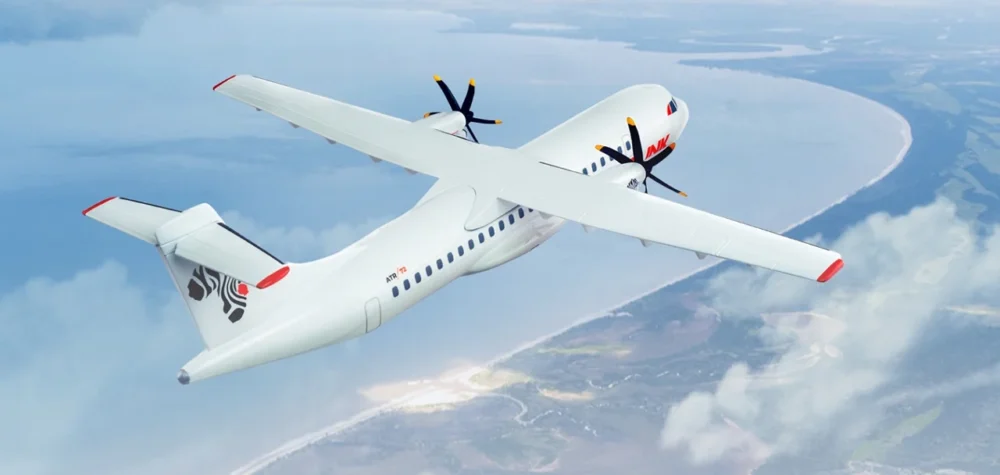
3-Day Tanzania Fly-In Safari: Serengeti & Hot Air Balloon Safari
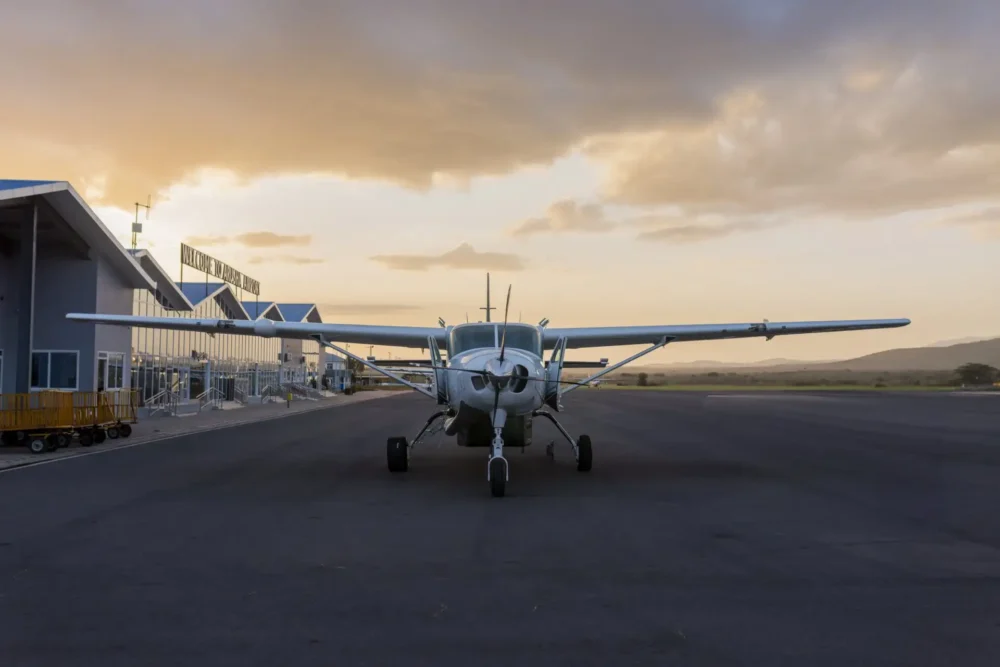
4-Day Tanzania Fly-In Safari from Zanzibar to Serengeti & Ngorongoro
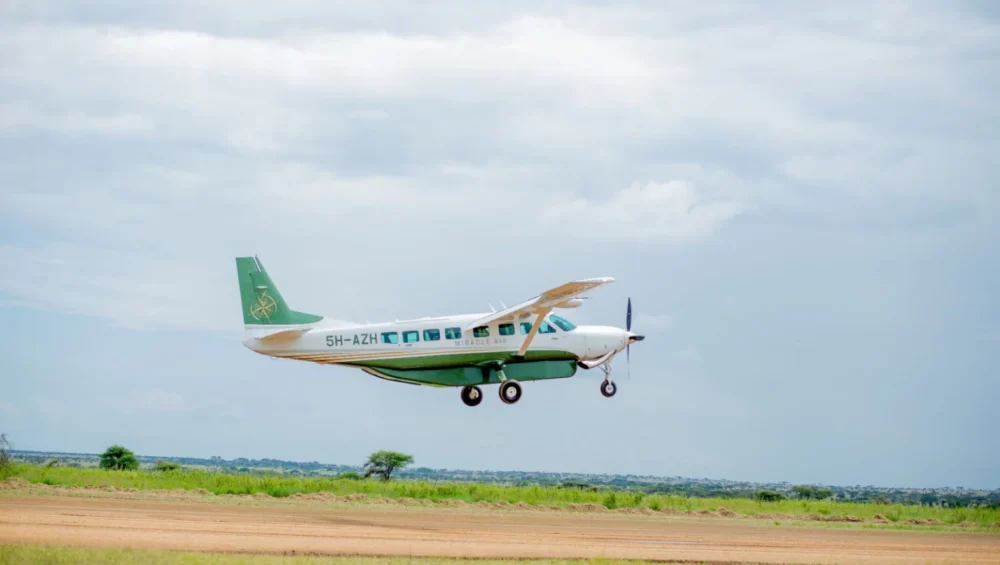
8-Day Tanzania Fly-In Safari: Great Migration, Hot Air Balloon & Mara River Crossing
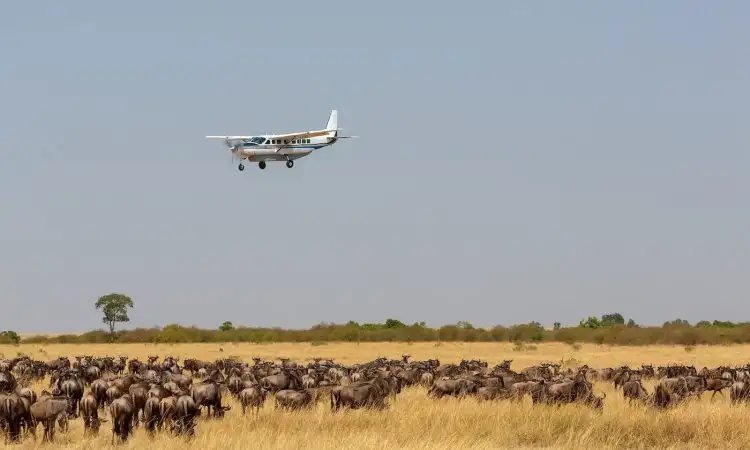
6-Day Tanzania Fly-In Safari | Fly In, Drive Out Luxury Safari
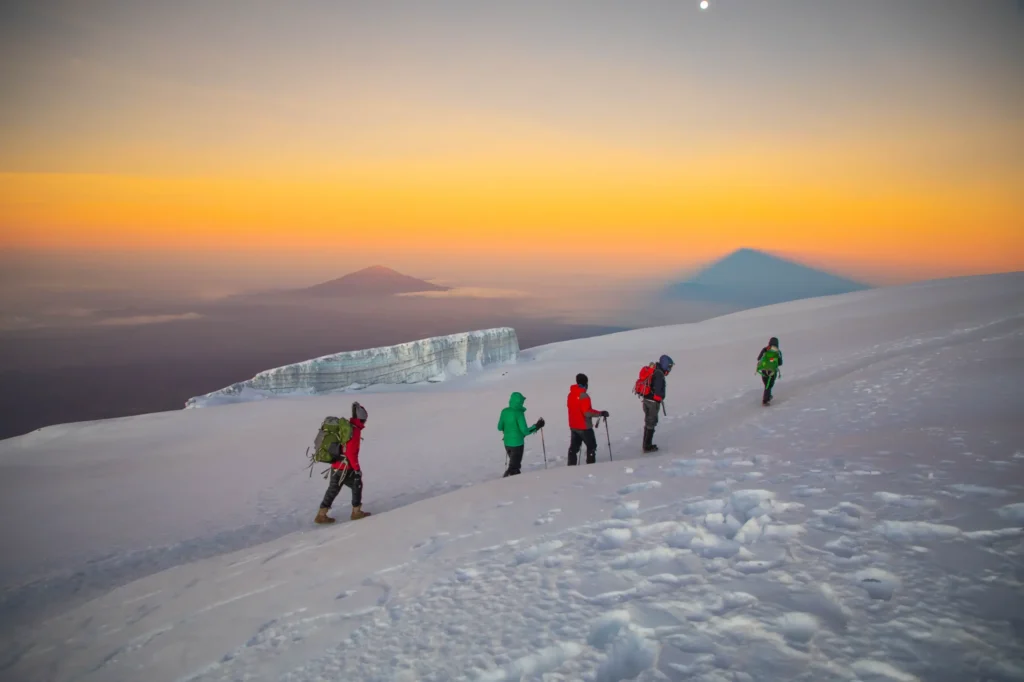
14-Day Lemosho Route Kilimanjaro Climb and Luxury Tanzania Safari
12 Day Machame Route Kilimanjaro Climb and Safari Package
Essential InformationImportant Serengeti Rules and Tips
Park Rules
- Stay in your vehicle unless at designated areas
- Don't feed animals
- Respect speed limits (50 km/h, 25 km/h in some areas)
- No loud music or radios
- Camping only at designated sites
- No off-road driving (only guides can go off-road in certain areas)
Safari Tips
- Book 6-12 months ahead for peak season
- Morning game drives offer best wildlife viewing
- Be patient—great sightings require time
- Trust your guide's expertise
- Bring extra camera batteries (limited charging)
- Stay hydrated
Health Precautions
- Malaria prophylaxis recommended
- Drink only bottled or purified water
- Use sunscreen and insect repellent daily
- Consult your doctor about yellow fever vaccination
Need Expert Guidance?
Our safari consultants are here to help you plan the perfect Serengeti safari. Get personalized advice tailored to your interests, budget and schedule.
Request Free ConsultationAre you looking for a private safari for your dates? Speak to our Tanzania safari specialist to start planning your tailor-made holiday safari for your dates!
Send your inquiry now and our safari experts will reach out within 24 hours! – Let’s begin planning your Tanzania safari!

Frequently Asked Questions
FAQ: GET ANSWERS
Budget safaris start around $200-$400 per person per day, while mid-range costs $400-$700, and luxury safaris run $700-$1,500+ per day. A typical 5-day safari ranges from $1,000 (budget) to $7,500 (luxury).
The migration happens year-round in different areas. July-September is best for dramatic Mara River crossings in northern Serengeti. January-March offers calving season with baby animals in southern Serengeti.
Yes, Serengeti has all Big Five animals. Lions, leopards, elephants, and buffalo are commonly seen. Black rhinos are rare but present, mainly in northern Serengeti near the Masai Mara border.
Both are excellent. Serengeti is much larger (14,750 sq km vs 1,510 sq km) with fewer tourists and more space for wildlife. Masai Mara has higher concentration during migration peak but can be crowded. Many safaris visit both.
A minimum of 3 days is recommended, but 4-5 days is ideal for experiencing different regions and maximizing wildlife sightings. Longer stays (6-7 days) allow you to follow the migration and enjoy a more relaxed pace.
Wear neutral colors (khaki, beige, olive), long-sleeved shirts and pants, comfortable shoes, and a wide-brimmed hat. Bring layers for cool mornings and warm afternoons. Avoid bright colors and camouflage patterns.
Yes, malaria is present in Tanzania. Consult your doctor about appropriate malaria prophylaxis before traveling. Also use insect repellent and sleep under mosquito nets provided at camps.
Absolutely! Tanzania safaris welcome families with children of all ages. Children under 5 enter national parks free; ages 5-15 receive 50% discounts on park fees. Choose family-friendly lodges with swimming pools, shorter game drives, and interconnecting rooms. Some activities have age restrictions: hot air balloons typically require minimum 7 years, walking safaris 12+ years. Our experienced guides make safaris entertaining and educational for children while ensuring safety and appropriate pacing.
Pack neutral-colored clothing (khaki, brown, green) as bright colors disturb wildlife. Bring long-sleeve shirts and pants for sun/insect protection, warm jacket for cool mornings, wide-brimmed hat, sunscreen SPF 50+, insect repellent, comfortable walking shoes, camera with telephoto lens (300mm minimum), binoculars, and any prescription medications. For fly-in safaris, pack only soft bags (15kg limit). Don’t forget passport, visa documents, yellow fever certificate, and travel insurance.
How much does a Serengeti safari cost?
Standard safari packages include accommodations, three meals daily, all park entrance fees, a 4×4 safari vehicle with pop-up roof, a professional English-speaking guide, game drives as per itinerary, airport transfers, and bottled water. Exclusions typically include international flights, visas, travel insurance, tips for guides/staff, alcoholic beverages (except luxury packages), hot air balloon safaris ($599-$600), and personal expenses. Always confirm inclusions/exclusions with your operator before booking.
FAQ: GET ANSWERS
Yes! Solo travelers have two main options: book private safari (more expensive as costs aren’t shared) or join scheduled group departures where you share vehicle and costs with other travelers. Group joining safaris offer 30-40% savings versus private options and provide opportunities to meet fellow adventurers. We welcome solo travelers and can match you with departures that fit your schedule.
Both countries offer world-class safaris with the same Great Migration (Kenya’s Maasai Mara July-October, Tanzania’s Serengeti December-June). Tanzania generally offers better value with lower park fees, less crowded parks, and more wilderness. Tanzania’s Serengeti is 4x larger than Maasai Mara, and Ngorongoro Crater has no equivalent in Kenya. Kenya excels in luxury tented camps and easier accessibility. Many travelers visit both countries for comprehensive East African safari experience.
Yes, strongly recommended! Comprehensive travel insurance covering medical emergencies, evacuation (critical – flying doctor services cost $20,000-50,000), trip cancellation/interruption, lost luggage, and adventure activities provides essential protection. Tanzania has limited medical facilities in remote areas, making evacuation coverage crucial. Some safari operators require proof of insurance before departure.
Absolutely! This is one of Tanzania’s most popular combinations – wildlife safari followed by tropical beach relaxation. Daily flights connect Serengeti/Arusha to Zanzibar (1-1.5 hours). Most travelers spend 5-7 days on safari and then 3-5 days in Zanzibar. The combination offers a perfect balance of adventure and relaxation. We arrange seamless transfers and can book integrated packages covering both safari and beach.
Yes, you can go on a safari even if you have a disability. Many safari places are accessible by vehicles and places to stay that are easy to use. They make sure everyone can enjoy the safari, even if they have disabilities or find it hard to move.
Tanzania has amazing 22 national parks, more than 12 game reserves, Mount Kilimanjaro, Mount Meru, Mount Oldoinyo Lengai, Lake Eyasi, Lake Natron, Zanzibar Island. It’s a special place for a safari adventure!
You can book through travel companies or directly with lodges and camps. Make sure to read reviews and choose a trusted place.
The Great Wildebeest Migration is a massive movement of wildebest and zebra in from Serengeti to Maasai Mara in Kenya. It starts in the southern Serengeti in Tanzania around December and heads north Serengeti across to the Maasai Mara river in Kenya by July. Then, it goes back to the Serengeti by October. You can witness it from December to July in Tanzania and from July to October in Kenya.
You can use safari vehicles for game drives. Some places offer walking safaris or hot air balloon rides for a different experience.
Start Planning Your Serengeti Safari
Serengeti National Park offers an unforgettable African safari experience with incredible wildlife, and the world’s greatest animal migration.
Book your Serengeti safari 6-12 months in advance, especially for peak migration season. Work with reputable local tour operators who know the park intimately and can position you in the right place at the right time for extraordinary wildlife encounters.
The endless plains of Serengeti are waiting to amaze you.