
Travel Blog
Tanzania Safari Cost 2026: Budget Guide ($200-$1500/Day)
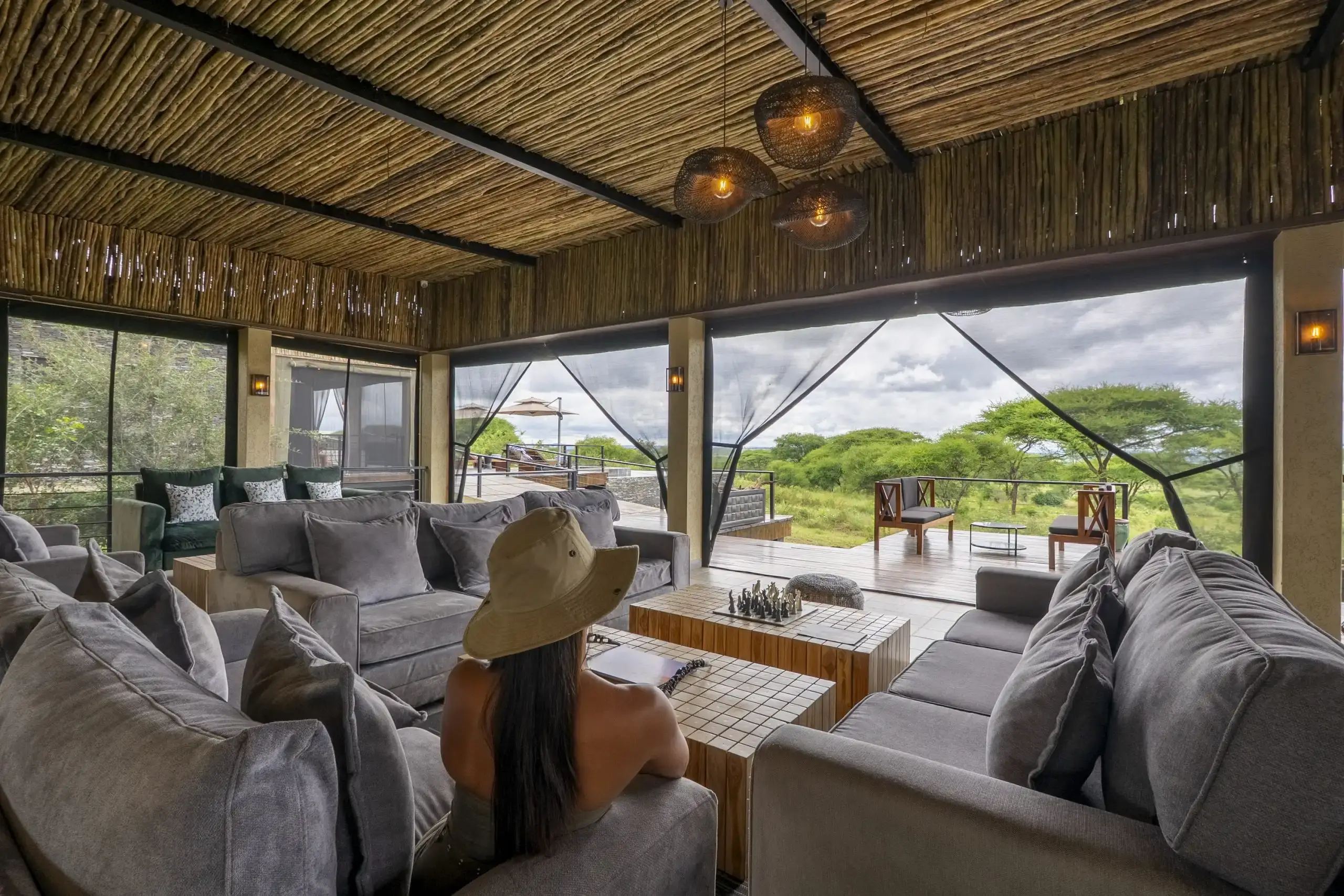
How Much Does a Tanzania Safari Cost Per Person? (Complete Budget Guide)
Planning a safari adventure in Tanzania but unsure about the costs? You’re not alone. Understanding how much a Tanzania safari costs is crucial for planning your dream African adventure. Tanzania safari pricing can vary dramatically. from budget-friendly camping expeditions at $200 per day to ultra-luxury lodge experiences exceeding $1,500 per day.
Wondering how much a Tanzania safari costs per person? The average cost of a Tanzania safari ranges from $200 to $1,500+ per person per day, making it essential to understand what factors influence these prices. Whether you’re searching for a cheap Tanzania safari option or planning a luxury experience, this comprehensive Tanzania safari cost breakdown will help you budget effectively and find the best value for your money.
This 2025 Tanzania Safari Price Guide covers everything you need to know: average safari prices per person per day, the best budget, mid-range, and luxury options, detailed cost breakdowns, and proven money-saving strategies to help you plan your dream trip without breaking the bank.
Quick Tanzania Safari Cost Overview
Average Tanzania Safari Cost: $200–$1,500+ per person per day Most Popular Choice: Mid-range safaris at $400-$800/day Budget-Friendly Option: Group camping safaris at $200-$300/day Best Value Season: Low season (March-May) with 30-40% savings.
Tanzania Safari Cost Per Person Per Day
2026 Pricing • Complete Pricing Table
| Safari Type | Cost Per Person/Day | Accommodation Type | Vehicle | Ideal For |
|---|---|---|---|---|
| Budget | $200–$400 | Camping / Shared facilities | Shared 4x4 | Adventurous travelers, backpackers |
| Mid-range | $400–$800 | Lodges / Tented camps | Shared/Private 4x4 | Comfort seekers, couples |
| Luxury | $800–$1,500+ | Luxury lodges / Private camps | Private 4x4 | Exclusive experience, honeymoons |
← Swipe to see all columns →
What You'll Pay: Tanzania Safari Cost Per Day Explained
The Tanzania safari price per day varies significantly based on your travel style. Here’s a detailed breakdown of what influences the cost of a safari in Tanzania per person:
Budget Safaris ($200-400 per day)
If you’re planning a Tanzania safari on a budget, camping safaris offer the most affordable entry point. Budget safari Tanzania camping experiences provide authentic adventures with basic amenities, shared facilities, and group arrangements.
What's Included in Budget Safaris
Complete breakdown of inclusions
| Category | What's Included |
|---|---|
| Accommodation | Basic camping tents with sleeping bags |
| Bathroom Facilities | Shared bathroom facilities (sometimes basic pit latrines) |
| Meals | Simple but nutritious meals (breakfast, lunch, dinner) |
| Vehicle | Shared 4x4 safari vehicle (typically 6-7 people) |
| Guide | Professional licensed guide |
| Park Fees | All park entrance fees |
| Camping Fees | Camping fees at public campsites |
← Swipe to see all content →
What to Expect: Many travelers ask, “How much is a cheap Tanzania safari?” The answer is typically $200-$300 per person per day when joining group departures. While accommodations are simple, these safaris include all essentials and deliver authentic wildlife experiences. You’ll wake up to the sounds of nature, share stories around campfires, and enjoy the same incredible game drives as luxury travelers, just with more basic overnight accommodations.
Best For: Solo travelers, students, adventurous couples, anyone prioritizing a lower budget over luxury amenities.
Mid-Range Safaris ($400-800 per day)
The average Tanzania safari package prices fall in this category, offering excellent value with comfortable accommodations and enhanced services. This is the sweet spot where most travelers find the perfect balance of comfort and value for their money.
What's Included in Mid-Range Safaris
Complete amenities and services breakdown
| CATEGORY | WHAT'S INCLUDED |
|---|---|
| Accommodation | Comfortable tented camps or lodges with en-suite bathrooms |
| Bathroom Facilities | Hot showers and flushing toilets |
| Meals | Quality meals with varied menus |
| Group Size | Smaller group sizes (4-6 people per vehicle) |
| Guide | More experienced guides with extensive wildlife knowledge |
| Location | Better located accommodations near park gates |
| Amenities | Some lodges include swimming pools and bars |
← Swipe to see all information →
What to Expect: Mid-range safaris provide significantly more comfort than budget options without luxury price tags. Accommodations are clean, comfortable, and often beautifully situated with stunning views. Meals are diverse and well-prepared, and you’ll have private space to relax after game drives.
Best For: First-time safari travelers, families, couples seeking comfort, travelers wanting good value without compromising on quality.
Luxury Safaris ($800-1,500+ per day)
Premium experiences with exclusive lodges, exceptional cuisine, private guides, and unique activities justify higher Tanzania safari costs. Luxury safaris deliver unmatched service, exclusive access, and unforgettable experiences.
What's Included in Luxury Safaris
Premium Services & Amenities
| CATEGORY | LUXURY SAFARI INCLUSIONS |
|---|---|
| Accommodation | Exclusive lodges or private mobile camps |
| Suites | Spacious suites with premium furnishings |
| Meals | Gourmet meals prepared by professional chefs |
| Beverages | Premium alcoholic beverages included |
| Vehicle & Guides | Private safari vehicles with personal guides |
| Activities | Specialized activities (bush walks, night drives, hot air balloons) |
| Wellness | Spa treatments and wellness facilities |
| Laundry | Laundry services |
| Photography | Professional photography assistance |
← Swipe to see all information →
What to Expect: Luxury safaris offer personalized itineraries, exceptional service ratios (often one staff member per guest), and exclusive locations away from crowds. You’ll enjoy private game drives on your schedule, sleep in beautifully appointed suites, and experience Tanzania’s wilderness in ultimate comfort.
Best For: Honeymoons, special anniversaries, families with kids, travelers seeking exclusive experiences, photography enthusiasts, and those who prefer privacy and personalized service. Learn about our safaris.
Tanzania Safari Cost for 2 People: Couple's Pricing Guide
One of the most common questions is, “How much does a Tanzania safari cost for 2 people?” Here’s a realistic budget breakdown for couples:
3-4 Day Safari for Couples
Budget-Friendly Adventure ($1,200 – $3,200 total)
At $300-400 per person per day, budget safaris offer camping accommodations, shared vehicles, and basic meals. Consider visiting Tarangire and Lake Manyara or Ngorongoro Crater. For the best rates, book during the low season when parks are less crowded and prices drop.
Mid-Range Comfort ($2,400 – $6,400 total)
Mid-range safaris run $400-800 per person per day and include lodge or tented camp stays, comfortable vehicles, and quality meals. A popular combination is Tarangire and Ngorongoro Crater, making this ideal for first-time safari couples seeking a balance of comfort and value.
Luxury Experience ($4,800 – $12,000+ total)
Luxury safaris start at $800-1,500+ per person per day and feature exclusive lodges, private guides, and gourmet meals. The Serengeti and Ngorongoro with premium locations create unforgettable experiences perfect for honeymoons and special occasions.
7 Day Safari for 2 People
For week-long adventures exploring Tanzania’s Northern Circuit (Tarangire, Serengeti, and Ngorongoro), expect total costs of $2,800-5,600 for budget ($1,400-2,800 per person), $5,600-11,200 for mid-range ($2,800-5,600 per person), or $11,200-21,000+ for luxury ($5,600-10,500+ per person). The extended itinerary allows for better lodges at mid-range levels and exclusive properties for luxury travelers.
Couples Advantage: Traveling as a pair means you’ll share vehicle costs on private safaris, making per-person pricing more affordable than solo travel. Private vehicle rental typically runs $150-300 per day, and when split between two people, this significantly reduces individual costs.
Serengeti Safari Cost 2026: Complete Breakdown
Before planning your Serengeti safari, it’s important to understand the park fees. The entrance fee is $83 per person per day, with an additional vehicle fee of $40-50 per entry. If you’re camping, expect to pay $30-60 per person per night at public campsites. Conservation fees are already included in the entrance price.
Daily Safari Costs in the Serengeti
Budget Safaris ($250-400 per person per day)
Budget safaris include the $83 park fee, budget camping ($50-80), meals ($30-40), your guide and vehicle ($70-100), plus transport and fuel costs ($17-97). This option allows you to experience the Serengeti’s incredible wildlife while keeping costs manageable.
Mid-Range Safaris ($500-900 per person per day)
Mid-range experiences offer tented camps or lodges ($200-400), quality meals ($50-70), and professional guides ($100-150), plus the park fee and better vehicle options ($220-250). This tier provides significantly more comfort without reaching luxury pricing.
Luxury Safaris ($1,000-2,000+ per person per day)
Luxury safaris feature premium lodges ($500-1,200+), gourmet meals ($100-150), private guides ($200-300), and top-tier vehicles ($230-300+), in addition to park fees. These safaris deliver exceptional comfort and personalized service throughout your journey.
Serengeti Great Migration Safari Cost
The Serengeti Great Migration ranks among Africa’s most spectacular wildlife events, with millions of wildebeest, zebras, and gazelles crossing the plains. This natural wonder comes with premium pricing, particularly during peak season from June to October when accommodations increase by 30-50%. The best migration camps run $800-2,500 per person per night, bringing a complete 7-day migration safari to $4,000-15,000+ per person.
Smart Timing Saves Money: Consider visiting during shoulder migration months like November or May. You’ll still witness impressive animal movements while enjoying prices that are 20-30% lower than peak season rates.
What Influences Your Tanzania Safari Price
Understanding what drives Tanzania safari costs helps you make informed decisions and find the best value for your budget.
Park Selection Matters
Tanzania safari prices vary greatly depending on which parks you visit. Each destination has different entrance fees, accommodation options, and levels of exclusivity. The Serengeti charges the highest daily fee at $83 per person, reflecting its world-class status and incredible wildlife diversity. Ngorongoro Crater charges $71 per person plus a $295 vehicle crater service fee. However, parks like Tarangire and Lake Manyara offer excellent wildlife viewing at more affordable rates. More affordable options include Tarangire and Lake Manyara at $49 per person per day and Arusha National Park at $59.
Rather than trying to visit every park, focusing on 2-3 iconic destinations like the Serengeti, Ngorongoro, and Tarangire often provides better value. You’ll spend less time driving between destinations and more time viewing wildlife.
Travel Season Timing/When You Travel
When you travel, it dramatically impacts your Tanzania safari cost per day. High season (June-October and December-January) brings prices 20-50% higher than low season but guarantees excellent game drives, dry weather, and the wildebeest migration. Book 6-12 months in advance during these peak months.
Shoulder season (November and February-March) offers moderate pricing, about 10-20% lower than peak, with good weather, fewer crowds, and excellent wildlife viewing. February is particularly special for calving season.
Low season (March-May) delivers the biggest savings at 30-40% lower rates. While you may experience afternoon rains, wildlife remains abundant, and landscapes turn lush and green. This season is ideal for budget travelers, photographers, and anyone seeking privacy. Learn more about when is the best time to visit Tanzania in this article; it might be helpful.
Money-Saving Insight: Travelers seeking a cheap Tanzania safari or more privacy find exceptional value during low season. Wildlife remains abundant (animals don’t disappear!), and lodges offer substantial discounts.
Group Size and Safari Style
Your travel arrangements significantly influence Tanzania safari package prices. For instance, group safaris with shared departures cost $200-600 per person per day, saving you $150-300 compared to private safaris. You’ll travel with 4-7 people per vehicle on fixed itineraries with scheduled game drive times. This works well for solo travelers, budget-conscious couples, and social travelers.
Private safaris run $350-1,500+ per person per day but offer complete flexibility, personalized itineraries, and your own dedicated guide.
Cost-Sharing Strategy: Couples or small groups (3-4 people) who book private safaris share vehicle costs, making per-person rates more reasonable while maintaining privacy and flexibility.
Safari Length and Value
The length of your safari affects your total budget, but longer safaris often provide better per-day value.
Shorter 3-4 day safaris cost $600-6,000 total and work well for limited-time or first-time visitors exploring Tarangire and Ngorongoro or Lake Manyara. However, the per-day value is higher since setup costs are spread over fewer days.
Mid-length 5-6 day safaris ($1,000-9,000 total) cover the Northern Circuit core parks and provide better value with more wildlife diversity. Week-long 7-10 day safaris ($1,400-15,000+ total) offer the best per-day value, allowing you to explore multiple Serengeti regions and experience more diverse wildlife viewing opportunities.
Accommodation Standards
The standard of the accommodation you decide to choose to sleep dramatically affects your Tanzania safari price. Budget camping ($30-80 per person per night) keeps daily rates at $200-400 with shared bathrooms and basic amenities. Mid-range lodges and tented camps ($150-400 per night) feature en-suite bathrooms, comfortable beds, and quality meals, bringing daily rates to $400-800. Luxury properties ($500-1,500+ per night) offer spacious suites, gourmet dining, and premium service, with daily rates reaching $800-2,000 or more.
Additional Costs Beyond Your Safari Package
While your Tanzania safari all-inclusive price covers most essentials, several extra expenses require budgeting. Understanding these helps you set realistic expectations and avoid surprises.
International Flights to Tanzania
International flights vary significantly by departure location. Travelers from the USA typically pay $800-2,500 per person, while European flights run $400-1,200. Middle Eastern departures cost $300-800, and Asian flights range from $600-1,800.
For northern circuit safaris, fly into Kilimanjaro International Airport (JRO). Julius Nyerere International Airport in Dar es Salaam (DAR) serves the southern circuit, while Zanzibar International (ZNZ) works well for combined beach and safari trips. Book 2-4 months ahead for the best rates, and consider traveling during low season (March-May) when flights drop 20-30%. Connecting through Doha, Dubai, or Addis Ababa often provides competitive pricing.
Tip: Booking flights early or during low-season months (March–May) can help reduce overall Tanzania safari travel costs.
Tanzania Visa and Travel Insurance
Tanzania’s tourist visa costs $50-100 depending on your nationality. Apply online at immigration.go.tz about two weeks before departure, though you can also obtain it upon arrival. The single-entry visa remains valid for 90 days.
Travel insurance ($50-200 for 1-2 weeks) is essential. Ensure your policy specifically covers safari activities, as many standard plans exclude game drives and adventure activities. Look for coverage that includes medical emergencies, evacuation, trip cancellation, and lost luggage. World Nomads, SafetyWing, and Allianz offer policies with adventure sports coverage suitable for safaris.
Pre- and Post-Safari Accommodation
Most travelers need lodging before or after their safari. In Arusha, the safari capital, budget options run $30-70 per night, mid-range hotels cost $100-250, and luxury lodges start at $300-600+. Moshi near Kilimanjaro offers similar options at slightly lower rates: $25-60 for budget, $80-200 for mid-range, and $250-500+ for luxury.
If you’re adding a Zanzibar beach extension, Stone Town accommodation ranges from $40-80 for budget stays to $400-800+ for luxury properties. Consider booking near Kilimanjaro International Airport for early morning safari departures, and note that many operators include one night of pre-safari accommodation in their packages.
Tipping Guidelines for Tanzania Safari
Tipping is customary in Tanzania, and staff often depend on gratuities as a significant portion of their income. For your safari guide or driver, budget $20-50 per day per group (not per person)—that’s $140-350 total for a week-long safari, or $50-75 daily for exceptional service.
Lodge and camp staff typically receive $10-20 per person per day through a collective tip box that the manager distributes among all staff. On camping safaris, the chef receives $5-10 per day per group. Overall, budget $100-200 per person for a 7-day safari, or $200-400 per couple. Luxury safaris warrant higher tips of $250-500 per person given the elevated service levels.
Bring small US dollar bills ($5, $10, and $20) and plan to tip at the end of your safari. Use sealed envelopes with names for individual tips, as credit cards aren’t accepted for gratuities.
Optional Activities and Extras
Hot air balloon safaris over the Serengeti cost $599 per person across all operators and include a one-hour dawn flight with champagne breakfast. Book weeks in advance during high season. Cultural village visits to Maasai communities or Mto wa Mbu run $20-50 per person for 2-4 hour experiences.
Walking safaris in Arusha National Park or designated Tarangire zones cost $30-100 per person, while night game drives in private conservancies or Lake Manyara run $40-100. Many travelers add a Zanzibar beach extension at $100-500+ per night for accommodations, typically staying 3-5 nights and adding $500-3,000+ to the total trip cost.
Budget an additional $200-800 per person for optional activities depending on your interests.
Smart Money-Saving Strategies for Your Tanzania Safari
A Tanzania safari doesn’t have to drain your savings. After helping many travelers plan their dream Tanzania safari adventures, I’ve learned that with smart planning and a few insider tricks, you can experience incredible wildlife encounters while keeping your budget intact. Let me share the strategies that actually work, and below are proven Tanzania safari cost-saving tips:
Travel During Low Season and Save 30-40%
Here’s one of the best-kept secrets in safari planning: visiting during Tanzania’s green season (March-May) can slash your costs by up to 40% without sacrificing the wildlife experience.
I’ll be honest, when most people hear “rainy season,” they picture being stuck in a tent during torrential downpours. The reality? You’ll typically get an hour or two of afternoon rain, which often creates the most dramatic photography lighting you’ll ever see. The rest of your day is clear for incredible game drives.
What makes low season special: The wildlife doesn’t disappear during low season, they actually thrive. This is when many animals give birth, which means intense predator action as lions, cheetahs, and hyenas take advantage of vulnerable young prey.
A few things to know: Yes, some roads get muddy, but that’s why we use proper 4×4 vehicles with experienced drivers. The afternoon rains are usually short and predictable. we plan around them. And while there are fewer tourists to meet, many travelers actually prefer the solitude and exclusive feeling of having entire areas of the park to themselves.
Pro tip from experience: Ngorongoro Crater and Tarangire remain absolutely spectacular year-round. Even during the wettest months, these parks deliver world-class wildlife viewing at a fraction of peak season prices.
Join Group Safaris and Cut Costs in Half
One of the smartest moves budget-conscious travelers make is joining a Tanzania safari group significantly reduces costs while maintaining quality rather than booking a private one. The savings are substantial, typically $150-$300 per person per day and the experience is often richer than you’d expect.
Let’s talk real numbers: A private safari for two people typically runs $600-$1,000 per person daily. That same experience in a small group of six people? You’re looking at $300-$600 per person per day. For a week-long safari, that’s saving $1,400-$2,800 per person without compromising on the quality of your guides, vehicles, or wildlife viewing.
Why group safaris work so well: You’re sharing the cost of the vehicle, fuel, guide, and some operational expenses across more people. But you’re still getting the same professional, licensed guide who knows where to find leopards in trees and when the wildebeest will cross the river. Your safari vehicle still has that pop-up roof for unobstructed photography. And you still visit the same incredible parks at the same perfect times.
There’s another benefit I’ve noticed over the years, the camaraderie. I’ve seen solo travelers from different countries become lifelong friends after sharing a safari vehicle for a week. There’s something about witnessing a cheetah chase together or watching a sunset over the Serengeti that bonds people quickly.
My recommendation: Look for small group safaris with 4-6 people maximum rather than larger groups of 7-8. You’ll have better window seats, more space for camera gear, and your guide can accommodate everyone’s interests more easily. It’s the sweet spot between affordability and personal attention. Learn about our Tanzania group safaris.
Best for: Solo adventurers who want to meet like-minded travelers, couples on a budget who enjoy social experiences, and anyone who’d rather spend their money on extending their trip than having a private vehicle.
Book Directly with Local Operators Like Us
This might sound self-serving since we’re a local operator, but hear me out; the math is undeniable. When you book through international travel agencies, they typically add a 30-50% markup to cover their overhead, marketing costs, and profit margins. That money goes to fancy offices in London or New York instead of to your actual safari experience.
Here’s what happens when you book direct: When you contact us directly, you’re talking to the same team who’ll coordinate your safari. There’s no middleman taking a cut. We can be more flexible with pricing, offer customizations that agencies can’t accommodate, and honestly, we care more because our reputation in the local community depends on your experience.
How to find trustworthy local operators (even if it’s not us): Start by checking the Tanzania Ministry of Natural Resources and Tourism registry; all legitimate operators must be licensed. Then read reviews on TripAdvisor, Google, and SafariBookings, paying attention to recent reviews and how operators respond to feedback. Ask potential operators for detailed itineraries showing exactly what’s included, request references from past clients, and verify their insurance coverage.
Look for operators who’ve been in business for at least 1-3 years and have deep local knowledge. We’ve been doing this for two years, and that experience means we know which Serengeti campsites have the best leopard viewing in October, which guides are most knowledgeable about birds, and how to handle the inevitable unexpected situations that arise in wild spaces.
The local advantage: We’re not running safaris from a distance; we live here in Arusha. We know current park conditions, we have relationships with lodge managers, and when you have a question at 10 PM before your morning flight, you’re texting someone who’s in the same time zone and genuinely invested in your trip going perfectly.
Choose Your Parks Strategically
I’ve met travelers who tried cramming five or six parks into a week-long safari, spending half their time driving between destinations and feeling rushed at each stop. Then I’ve guided others who spent that same week in just three carefully chosen parks, and they came away with deeper experiences and better wildlife sightings.
The classic combination that rarely disappoints: Tarangire, Serengeti, and Ngorongoro Crater over 6-7 days gives you incredible diversity without exhausting travel. You’ll see Tarangire’s famous elephant herds and ancient baobab trees, experience the Serengeti’s vast plains and predator abundance, and descend into Ngorongoro’s unique crater ecosystem where the Big Five are virtually guaranteed. This trio covers the essential Tanzania safari experience while keeping driving distances manageable.
Budget-friendly alternative that’s still spectacular: If you’re working with a tighter budget or shorter timeframe, consider Tarangire, Lake Manyara, and Ngorongoro over 4-5 days. Park fees are lower ($49 per day vs. Serengeti’s $83), but you’ll still encounter lions, elephants, buffalos, and if you’re lucky, the rare tree-climbing lions of Lake Manyara. You’re saving on both park fees and fuel costs while still getting an authentic Big Five experience.
My strategic advice: Resist the urge to see everything. Spending two full days in Serengeti allows you to explore different regions, increase your chances of witnessing dramatic wildlife moments, and simply enjoy being present in one of Earth’s most magnificent ecosystems. That’s far more valuable than checking five parks off a list while spending hours bouncing in a vehicle between them.
Book Well in Advance for the Best Deals
Here’s something that surprises many travelers: last-minute safari deals are mostly a myth during peak season. The reality is quite the opposite; booking 6-12 months ahead typically saves you 10-20% and gives you access to the best accommodations and most experienced guides.
The booking timeline that works:
6-12 months ahead is ideal for peak season travel (June-October). You’ll snag early bird discounts, secure spots at the most sought-after lodges, get prime locations for migration viewing, and often have access to flexible payment plans that make the investment more manageable. Last year, a couple booked their August safari in December and saved $1,200 compared to standard rates while getting their first choice of accommodations.
3-6 months ahead gives you reasonable options and standard pricing, though some popular properties may already be fully booked, especially for August and September when Mara River crossings are most active.
Last-minute bookings (under 3 months) are risky during high season—you’ll have limited choices, potentially pay premium prices for whatever’s left, and might miss out on ideal lodges. The exception? Low season (March-May) sometimes offers genuine last-minute deals when lodges have availability and are eager to fill rooms.
Timing insight from the field: I recommend booking by December if you’re planning a June-October safari and by August for December-January holiday travel. The most popular dates, especially late July through September for migration, fill up fast with travelers who’ve been planning for months.
Mix Your Accommodation Levels
Here’s a strategy I often suggest to couples or families who want to experience luxury without luxury prices for the entire trip: mix your accommodation levels strategically.
The hybrid approach that works beautifully:
Start with two nights of budget camping in Tarangire National Park at about $250 per person per day. You’ll get the authentic safari experience, sleeping in tents, sitting around campfires, hearing lions roar in the distance. It’s adventurous and memorable.
Then move to three nights at a mid-range lodge or tented camp in the Serengeti for around $550 per day. Now you’ve got comfortable beds, hot showers, and better food, giving you a chance to recharge while still keeping costs reasonable.
Finally, splurge on one night at a luxury property on the Ngorongoro Crater rim for $900 per day. This is your “wow” moment, waking up to sunrise over the crater, enjoying gourmet cuisine, perhaps a massage after your game drives.
The math works out: Your average daily cost is around $500, which is mid-range pricing, but you’ve experienced the full spectrum from rustic adventure to pampered luxury. And honestly, that one night of luxury feels even more special when it’s bookended by more modest accommodations.
I’ve seen couples do this for anniversaries or special celebrations; they remember that one extraordinary night at the crater lodge for years, and it only added $300-400 extra to their total trip cost compared to staying mid-range throughout.
The psychological benefit: Having varied accommodation types makes the journey more interesting. You appreciate the luxury more after camping, and the camping feels more authentic when you know comfort awaits. It’s a win-win approach.
Be Strategic About Optional Activities
Optional activities can add $500-$1,000 or more to your trip cost if you’re not careful. I encourage travelers to think about what will create lasting memories versus what might be nice but forgettable.
The one extra activity I almost always recommend is the Serengeti hot air balloon safari at $599 per person. Yes, it’s expensive. But floating silently over the plains at sunrise, watching the landscape wake up beneath you, spotting elephants and giraffes from above—it’s genuinely once-in-a-lifetime. I’ve never had a client regret this expense. Many say it was their favorite part of the entire trip.
Another worthy investment: Cultural village visits ($30-50 per person) provide authentic connections with Maasai or other local communities. These are educational, support local people directly, and give you context beyond wildlife viewing. For less than the cost of dinner back home, you gain insights into traditional lifestyles that have coexisted with wildlife for generations.
Where you can cut back: Multiple night drives at $40-100 each can add up quickly. One might be interesting, but three or four becomes repetitive. Premium alcoholic beverages at lodges are marked up significantly, consider bringing duty-free purchases if this matters to you. And souvenir shopping, while tempting, can easily eat up $200-300 if you’re not mindful.
My budget allocation advice: Set aside $200-400 total for optional activities, choose 1-2 experiences that genuinely excite you, and be content saying no to the rest. You’ll still have an incredible safari without the feeling that you’re constantly being upsold or that your budget is spiraling out of control.
Putting It All Together
The travelers who get the best value from Tanzania safaris aren’t necessarily those who spend the least money, they’re the ones who spend strategically. They prioritize what matters most to them, take advantage of seasonal pricing, book with knowledgeable local operators, and don’t try to do everything.
That’s exactly the balance these strategies help you achieve. You’re not doing a “budget safari” in a negative sense, you’re doing a smart safari that maximizes value, minimizes waste, and leaves you with the same amazing memories as travelers who spent twice as much.
Ready to start planning your value-packed Tanzania safari? Let’s talk about creating an itinerary that fits both your dreams and your budget. After all, we’re locals who live here; helping you get the best experience at a fair price is literally what we do every day.
Frequently Asked Questions About Tanzania Safari Costs
The average Tanzania safari costs between $200 and $1,500+ per person per day, depending on your accommodation level and travel style. Budget camping safaris start around $200-$400 per day and include basic tents, shared facilities, and group game drives. Mid-range safaris with comfortable lodges or tented camps cost $400-$800 per day, offering private bathrooms and better meals. Luxury safaris exceed $800-$1,500+ per day with exclusive lodges, gourmet dining, and personalized service.
For a typical 7-day safari, expect to pay $1,400-$2,800 for budget, $2,800-$5,600 for mid-range, and $5,600-$10,500+ for luxury experiences. These prices typically include accommodation, all meals, game drives, professional guides, park entrance fees, and safari vehicles. International flights, visas ($50-100), travel insurance, and tips are additional expenses that can add $1,500-$4,000+ to your total trip cost.
The final price depends on several factors: which parks you visit (Serengeti is more expensive than Tarangire), travel season (June-October costs 20-50% more than March-May), group size (private safaris cost more than joining group departures), and safari duration (longer trips often offer better per-day value).
The absolute cheapest way to safari in Tanzania is to join a group camping safari during low season (March-May), which costs $200-$300 per person per day; that’s $1,400-$2,100 for a full week. By sharing a vehicle with 4-6 other travelers, you split costs for the guide, fuel, and vehicle while still getting the same wildlife viewing experience and professional guiding as more expensive options.
To maximize savings, book directly with licensed local Tanzanian operators rather than international travel agencies, which typically add a 30-50% markup. Focus on visiting 2-3 core parks like Tarangire, Ngorongoro, and Lake Manyara instead of trying to see everything, which reduces both park fees and transportation costs. Skip the expensive Serengeti ($83 daily park fee) if you’re on an extremely tight budget, Tarangire offers incredible elephant viewing at just $49 per day.
Additional money-saving strategies include bringing your own snacks and drinks (lodges charge premium prices), limiting optional activities to one or two must-dos like a cultural village visit ($30-50), and traveling with companions to share costs. Some operators offer last-minute discounts during low season if they have availability, though booking 2-3 months ahead still gives you better selection.
The reality is you can experience an authentic Big Five safari in Tanzania for under $2,500 total per person including flights from certain regions, visa, insurance, and tips, but you need to be flexible, comfortable with basic camping, and willing to travel during the less popular months when wildlife viewing is still excellent.
A 7-day Tanzania safari costs between $1,400 and $10,500+ per person depending on your budget level and choices. Here’s the realistic breakdown for the most popular Northern Circuit route covering Tarangire, Serengeti, and Ngorongoro Crater:
Budget camping safari (7 days): $1,400-$2,800 per person This includes basic camping tents at public or budget campsites, simple but filling meals cooked by your safari chef, a shared 4×4 Land Cruiser with 6-7 people, a professional licensed guide, all park entrance fees, and airport transfers. You’ll sleep in tents, use shared bathroom facilities, and experience authentic bush camping with wildlife sounds at night.
Mid-range lodge/tented camp safari (7 days): $2,800-$5,600 per person You’ll stay in comfortable permanent tented camps or lodges with private en-suite bathrooms, hot showers, quality meals with variety, smaller groups of 4-6 people per vehicle, more experienced guides, and better-located accommodations near park gates. This is the most popular choice, balancing comfort and value.
Luxury safari (7 days): $5,600-$10,500+ per person Includes exclusive luxury lodges or mobile camps, spacious suites with premium amenities, gourmet meals prepared by professional chefs, premium drinks including alcohol, private safari vehicles with personal guides, specialized activities like bush walks and night drives, spa services, and laundry service.
These prices cover only the safari package itself. Add approximately $1,500-$4,000 more per person for international flights ($800-$2,500), Tanzania visa ($50-100), travel insurance ($75-$200), tips for guides and staff ($200-$400), and optional activities like hot air balloon rides ($599). A complete 7-day Tanzania safari experience realistically costs $3,000-$15,000+ per person all-inclusive.
No, Tanzania safaris are typically 20-40% more expensive than Kenya safaris, but many travelers find the premium worth paying for less crowded parks and more exclusive experiences. A budget safari in Tanzania costs $200-$400 per day compared to Kenya’s $150-$300, while mid-range options run $400-$800 in Tanzania versus $300-$600 in Kenya.
The higher cost comes from several factors. Tanzania charges separate park fees for each park ($49-$83 per person per day), while Kenya has a simplified $80 daily fee covering all parks. The Serengeti is enormous at 30,000 square kilometers, requiring more fuel and time to navigate compared to Kenya’s Masai Mara at just 1,510 square kilometers. Tanzania also positions itself as a more exclusive, less commercialized safari destination, which justifies premium pricing.
However, what you get for that extra cost is significant. At wildlife sightings in Tanzania’s Serengeti, you’ll typically see 3-8 vehicles, while Kenya’s Masai Mara often has 15-25 vehicles surrounding a single lion pride, especially during peak season. The wildebeest migration spends 10 months in Tanzania’s Serengeti ecosystem and only 2-3 months crossing into Kenya’s Mara. Tanzania also offers the unique Ngorongoro Crater, a collapsed volcano with the world’s densest wildlife concentration that has no equivalent in Kenya.
If your absolute priority is spending the least money possible, Kenya offers better value. But if you want more pristine wilderness, fewer crowds, and don’t mind paying 25-35% more for a more exclusive experience, Tanzania delivers superior value despite the higher absolute cost. Many experienced safari travelers who’ve visited both countries prefer Tanzania for its authentic wilderness feel.
The cheapest time for a Tanzania safari is during the “green season,” or long rains period, from March through May, when safari prices drop 30-40% compared to peak season. A mid-range safari that costs $600 per day in July might be just $360-$420 per day in April, that’s a savings of $1,260-$1,680 on a 7-day trip.
The misconception about this season is that it rains constantly, but the reality is quite different. Rain typically falls as afternoon thunderstorms lasting 1-2 hours, leaving mornings clear and perfect for game drives. The landscape becomes lush and beautifully green, newborn animals are everywhere (many species give birth during this period), and you’ll often have wildlife sightings completely to yourself with no other vehicles around.
The second-cheapest option is the shoulder season in November, when prices are 15-25% lower than peak. The short rains bring brief showers while maintaining excellent wildlife viewing, and tourist crowds are significantly smaller than in July-October. February also offers reasonable value, combining good weather with the spectacular calving season when hundreds of thousands of wildebeest give birth in concentrated areas.
The most expensive months are July through September (peak dry season with Great Migration river crossings), when prices can be 40-60% higher than in the green season. December and early January also command premium pricing due to holiday travel, though these are still slightly less expensive than the July-September peak.
If you’re flexible with dates and willing to pack a rain jacket, traveling in April or May delivers extraordinary value; you’ll see abundant wildlife, enjoy empty parks, capture stunning photography in dramatic lighting, and save enough money to potentially extend your trip by several days or upgrade your accommodation level.
Absolutely! You can experience an incredible Tanzania safari on a budget without sacrificing wildlife viewing quality. The key is making strategic choices about accommodation, timing, and booking methods while understanding that you’ll see the same amazing animals regardless of how much you spend—lions don’t care if you’re staying in a tent or a luxury lodge.
Budget safari strategies that actually work include traveling during low season (March-May) for 30-40% savings, joining group safaris instead of booking private trips to share vehicle and guide costs, camping in basic tents rather than staying in lodges, booking directly with local Tanzanian operators to avoid international agency markups of 30-50%, and focusing on 2-3 high-value parks rather than trying to visit every destination.
A realistic budget safari looks like this: 6-day camping safari with group departure during April costs approximately $1,800 per person, covering Tarangire, Ngorongoro, and one night in Serengeti. Add $900 for flights from East Coast USA, $75 for a visa, $100 for travel insurance, and $200 for tips, and your total is around $3,075 per person for a complete week-long African safari experience including the Big Five.
Smart budget travelers also bring their own snacks and reusable water bottles (bottled water is provided during game drives), skip expensive optional activities except one must-do like a Maasai village visit ($40), purchase duty-free alcohol if drinking matters to you (lodge markups are high), and pack all necessary items like sunscreen and insect repellent from home rather than buying at inflated prices near parks.
The wildlife experience is identical regardless of budget level, that leopard in the tree or elephant herd crossing your path doesn’t know if you’re on a $200/day or $1,500/day safari. The difference is purely in accommodation comfort and service levels, not in what you’ll see and experience in the parks themselves.
Standard tipping for a Tanzania safari is $20-$50 per day for your safari guide (per group, not per person) and $10-$20 per person per day for lodge or camp staff. For a typical 7-day safari, budget $200-$400 per person for all tipping, which is a significant but essential part of your total safari cost.
Here’s the detailed breakdown: Your safari guide or driver deserves $20-$30 per day for average service andperson) andand $40-$50 per day for exceptional service when they go above and beyond—finding rare animals, sharing extensive wildlife knowledge, or handling challenges expertly. This tip is per group, so if you’re traveling with family or friends, you split this amount, not multiply it per person.
Lodge and camp staff receive tips through a collective tip box, typically $10-$15 per person per day for mid-range properties, or $15-$20 per person per day at luxury lodges where service levels are higher. This covers everyone from room cleaners to waiters to managers, and the lodge distributes tips fairly among all staff. If you’re on a camping safari with a dedicated chef, add $5-$10 per day per group for the cook.
Practical tipping advice: Bring small denomination US dollar bills ($5, $10, $20) from home, as ATMs in Tanzania don’t always stock small bills and many rural areas don’t have ATMs at all. Use sealed envelopes with names for personal tips to guides. Tip at the end of your safari, not the beginning, so you can adjust based on actual service quality. Cash only—credit cards aren’t accepted for tips.
Tipping is genuinely important in Tanzania’s tourism industry because many safari staff receive modest base salaries and depend on tips as a substantial portion of their income. Your guide might earn a $400-$600 monthly salary, so your $200-$350 tip for a week represents meaningful additional income that supports their family. Good service absolutely deserves recognition through appropriate tipping.
Most Tanzania safari packages are described as “all-inclusive” for safari activities, but this term can be misleading because significant expenses are typically excluded. Understanding exactly what’s included versus what costs extra prevents budget surprises and helps you compare operators fairly.
What’s typically INCLUDED in your safari package: All national park entrance fees for scheduled days, accommodation at specified lodges or campsites, three meals daily (breakfast, packed lunch for game drives, anddrives, and dinner), bottled drinking water during game drives, a professionala professional licensed safari guide throughout your trip, a 4×4 safari vehicle with pop-up roof for wildlife viewing and photography, airport transfers on arrival and departure days, government taxes, and tourism levies.
What’s typically NOT INCLUDED: International flights to Tanzania ($800-$2,500 depending on origin), a Tanzania tourist visa ($50-$100), comprehensive travel insurance including medical evacuation ($75-$200), tipping for guides and lodge staff ($200-$400 for a 7-day safari), optional activities like hot air balloon rides ($599), cultural village visits ($30-50), or walking safaris ($50-100), alcoholic beverages and soft drinks at lodges (except luxury safaris,($30-$50),($50-$100),safaris,safaris, which often include drinks), personal expenses like souvenirs and phone calls, pre-safari and post-safari accommodation unless specifically stated, and single supplement fees if you’re traveling alone (typically 30-50% extra).
The confusion often arises because “all-inclusive” means different things at different price points. Budget and mid-range safaris rarely include alcoholic drinks, while luxury safaris usually do. Some operators include one hot air balloon ride in luxury packages, while others charge extra. Domestic flights between parks might be included in fly-in safaris but are extra in standard driving safaris.
Pro tip for comparing safari quotes: Always request a detailed inclusions and exclusions list from each operator. Two safaris priced at $4,500 might have very different value if one includes airport hotels and the other doesn’t, or if one covers all drinks while the other charges separately. The cheapest quote isn’t always the best deal; understand exactly what you’re paying for before booking.
Visiting Ngorongoro Crater costs $71 per person per day for conservation area entry fees, plus a mandatory $295 crater service fee per vehicle, making it one of Tanzania’s most expensive parks to visit. However, the total cost per person depends on how many people share the vehicle and what accommodation level you choose.
Breaking down the daily costs: If you’re traveling in a group of 6 people sharing one vehicle, the $295 crater fee splits to about $49 per person, bringing your total park-related fees to approximately $120 per person for one day. Add accommodation ($50-$1,000+ per night depending on budget to luxury), meals ($30-$150), guide services ($80-$200), and transportation, and you’re looking at $250-$1,500+ per person per day for the complete Ngorongoro experience.
Most safaris visit Ngorongoro for 1-2 days maximum because the crater itself can be explored in 5-6 hours of game drives. The extraordinary wildlife density, with virtually guaranteed sightings of the Big Five, including the rare black rhino, justifies the premium pricing. Nowhere else in Africa offers such concentrated wildlife viewing in such a unique geological setting (the world’s largest intact volcanic caldera).
Budget-conscious travelers can minimize Ngorongoro costs by visiting for just one day instead of two, traveling in larger groups to share the crater service fee across more people, staying in budget accommodations on the crater rim or in nearby Karatu town rather than luxury crater rim lodges, and combining Ngorongoro with less expensive parks like Tarangire and Lake Manyara in your itinerary.
The high fees support crucial conservation efforts in the Ngorongoro Conservation Area, where wildlife coexists with Maasai pastoral communities. Unlike national parks,parks, where human habitation is prohibited, the NCA allows traditional Maasai livestock grazing while protecting wildlife;wildlife; this unique multi-use model requires additional management and monitoring that the fees help fund.
The best value A Tanzania safari is a 6-7 day Northern Circuit covering Tarangire, Serengeti, and Ngorongoro Crater during shoulder season (November or February) with mid-range accommodations, costing approximately $2,800-$4,800 per person. This combination delivers exceptional wildlife viewing, diverse ecosystems, reasonable comfort, and manageable costs without feeling rushed or sacrificing quality.
This itinerary works because it includes Tanzania’s three most iconic destinations while balancing cost and experience. Tarangire offers incredible elephant herds and massive baobab trees at a reasonable park fee ($49/day). The Serengeti provides the classic endless plains experience with abundant predators and the possibility of witnessing migration depending on the seasonA Tanzania ($83/day, but worth every cent). Ngorongoro Crater guarantees Big Five sightings, including rare black rhinos, in a unique collapsed volcano setting. Together, these three parks showcase Tanzania’s best without redundancy.
Shoulder season timing (November or February) reduces costs by 15-25% compared to peak season while maintaining excellent wildlife viewing. November brings short rains that barely impact game drives, green landscapes, and far fewer tourists. February features the spectacular calving season when hundreds of thousands of wildebeest give birth, attracting intense predator activity, arguably better than the more famous river crossings of July-September.
Mid-range accommodation strikes the perfect value balance: comfortable beds and private bathrooms after dusty game drives, quality meals with variety, smaller group sizes for better vehicle dynamics, and professional guides with extensive experience, all without the premium pricing of luxury properties. You’re paying for genuine comfort and quality without unnecessary extravagance.
Alternative excellent-value options include a 5-day safari focusing on Tarangire, Lake Manyara, and Ngorongoro during April or May (green season) for budget travelers willing to embrace afternoon rains, or a 4-day “crater highlands” safari hitting just Ngorongoro and Tarangire for those with limited time who want guaranteed Big Five viewing without Serengeti’s higher costs.
Yes, comprehensive travel insurance including emergency medical coverage and evacuation is absolutely essential for Tanzania safari and should be considered a non-negotiable part of your trip budget at $75-$200 for a 1-2 week trip. Safari activities take place in remote wilderness areas, often 4-6 hours from adequate medical facilities, where injuries or sudden illness require expensive emergency evacuation.
The critical coverage you need includes emergency medical treatment (standard policies often provide $50,000-$100,000), emergency medical evacuation by air ambulance to Nairobi or back to your home country (which can cost $50,000-$100,000 without insurance), trip cancellation and interruption coverage (protecting your $3,000-$15,000 safari investment if you must cancel for covered reasons), and coverage for adventure activities specifically including safari game drives.
Here’s the reality: if you break a leg on a bush walk, develop sudden altitude sickness at Ngorongoro Crater, or suffer a severe allergic reaction to an insect bite, you’ll need evacuation by flying doctor service to Nairobi’s modern hospitals. Without insurance, a medical evacuation alone can cost $50,000-$100,000. With proper insurance, it’s completely covered. That $150 insurance premium suddenly seems like the bargain of the century.
Standard travel insurance policies often exclude “adventure activities,” which can include safari game drives, even though they’re quite safe. When purchasing insurance, specifically confirm that safari activities, game drives, and travel in 4×4 vehicles in wildlife areas are covered. Reputable companies for safari travel insurance include World Nomads (popular with adventure travelers), SafetyWing (affordable for digital nomads), Allianz (comprehensive coverage), and IMG Global (specialized travel medical insurance).
Additional important coverage includes trip delay and missed connections (common with complex international routings), lost or delayed luggage (imagine arriving for your safari without your clothes and camera gear), and 24/7 emergency assistance services that can help coordinate care when you’re far from home. Read the fine print, some policies have maximum age limits, pre-existing condition exclusions, or specific requirements for coverage to apply.
A Serengeti safari costs $250-$1,600+ per person per day depending on accommodation level, with the park’s premium entrance fee of $83 per person per day making it one of Tanzania’s most expensive parks to visit. However, the Serengeti’s world-class wildlife viewing, vast wilderness, and iconic Great Migration justify the investment for most travelers.
Daily cost breakdown for budget Serengeti safari ($250-$400/day): Park entrance $83, camping fees $50-$80, basic meals $30-40, guide and vehicle costs split among group $70-$100, fuel and transportation $17-$97. Budget options use public campsites with basic facilities but still provide authentic bush camping experiences with wildlife sounds at night and morning game drives departing straight from your tent.
Mid-range Serengeti safari ($500-$900/day): Park entrance $83, comfortable tented camp or lodge $200-$400, quality meals with variety $50-$70, professional experienced guide $100-$150, better-maintained 4×4 vehicle $67-$197. Mid-range camps are often superbly located near key wildlife areas, offering private bathrooms, hot showers, and comfortable common areas after game drives.
Luxury Serengeti safari ($1,000-$2,000+/day): Park entrance $83, exclusive luxury lodge or mobile camp $500-$1,200+, gourmet meals and premium beverages $100-$150, private guide with specialized knowledge $200-$300, premium safari vehicle $117-$267+. Luxury properties provide spacious suites, exceptional service ratios, specialized activities like night drives or bush walks, and often exclusive locations away from other tourists.
The Serengeti’s size—30,000 square kilometers—means most safaris spend 3-5 days exploring different regions: the southern plains for calving season (December-March), central Seronera for year-round predators and river crossings, western corridor for June-July migration movement and Grumeti River crossings, and northern regions for July-October Mara River crossings. Each region offers distinct landscapes and wildlife patterns.
The famous Serengeti Great Migration safari commands premium pricing, especially July-September when dramatic Mara River crossings occur. Accommodations near crossing points can cost 40-60% more than other times, with some exclusive mobile camps charging $1,500-$3,000 per person per night. However, witnessing thousands of wildebeest plunging into crocodile-infested waters is legitimately one of nature’s greatest spectacles—many travelers consider it worth the premium investment.
Using credit cards in Tanzania for safari payments is possible but comes with significant limitations, fees, and practical challenges that you should plan for carefully. Most established safari operators accept credit card deposits when booking from abroad, typically charging 3-5% processing fees to cover transaction costs, but many prefer bank transfers (wire transfers), which are more reliable and have lower fees.
The reality of credit cards in Tanzania: Major cities like Arusha have some businesses accepting Visa and Mastercard (American Express and Discover are rarely accepted), but once you’re on safari in remote areas, you’re essentially in a cash-only environment. Park entrance fees, tips for guides and staff, optional activities, and many lodges and camps don’t accept credit cards at all—cash is king, specifically US dollars.
Payment structure that works best: Pay your main safari package cost before arrival via bank transfer or credit card (adding the 3-5% fee to your budget), then bring sufficient cash for all other expenses. For a 7-day safari, bring $500-$800 in clean, recent US dollar bills: $200-$400 for tips, $100-$200 for optional activities and extras, and $100-$200 for personal purchases, souvenirs, and emergencies, plus an extra buffer for unexpected expenses.
Critical cash requirements: US dollar bills must be 2006 or newer (older bills are often rejected due to counterfeiting concerns), in good condition without tears, marks, or excessive wear, and ideally in $50 and $100 denominations for better exchange rates. Bring small bills ($5, $10, $20) specifically for tips. Some ATMs in Arusha dispense dollars, but they’re unreliable and often empty, so don’t count on this.
While Tanzania’s cities increasingly use mobile money (M-Pesa) for transactions, this system requires a Tanzanian phone number and local setup that short-term tourists can’t easily access. Some luxury lodges and hotels accept credit cards but may have satellite internet that makes processing slow or temporarily impossible. Always have cash backup—you don’t want to miss the hot air balloon experience or be unable to tip your guide because card machines aren’t working.
Understanding exactly what’s included in Tanzania safari packages helps you compare operators fairly and budget accurately for your trip. While packages vary by operator and price level, here’s the comprehensive breakdown of standard inclusions and common exclusions.
Standard inclusions in most safari packages: All national park entrance fees for every day spent in parks ($49-$83 per person per day depending on park), full board meals meaning breakfast, lunch (usually packed for game drives), and dinner daily, unlimited bottled drinking water during game drives (essential in hot, dusty conditions), professional licensed safari guide certified by Tanzanian tourism authorities, a 4×4 safari vehicle (Land Cruiser or Land Rover) with pop-up roof for game viewing and photography, airport pickup on arrival day and drop-off on departure day, all government taxes and tourism levies, and accommodation at specified lodges, tented camps, or campsites as per itinerary.
Common exclusions requiring additional budget: international flights to/from Tanzania, Tanzania visa fees ($50-$100 depending on nationality), comprehensive travel insurance including medical evacuation, gratuities for guides and lodge staff (customary $200-$400 for week-long safari), optional activities like hot air balloon rides ($599), cultural village visits ($30-50), walking safaris ($40-$100),($40-$100), night game drives($30-$50),($50-$100),($50-$100), ($40-100), alcoholic beverages and soft drinks at lodges (except luxury packages often include these), laundry services at accommodations, telephone calls and internet usage, souvenirs and personal shopping, and($40-$100), pre-safari or post-safari hotel nights unless specifically mentioned.
Budget vs luxury package differences: Budget packages ($200-$400/day) include camping with shared facilities, basic but adequate meals, shared safari vehicles with 6-7 people, and standard service. Mid-range packages ($400-$800/day) add private bathroom facilities, better meals with more variety, smaller groups of 4-6 people per vehicle, and more experienced guides with better English. Luxury packages ($800-$1,500+/day) include spacious suites, gourmet meals, premium beverages including alcohol, private vehicles with just your group, specialized activities, spa services, and laundry—essentially “all-inclusive” in the traditional resort sense.
Critical questions to ask when comparing packages: Does the price include all park fees, or are some charged separately? Are airport transfers included on both arrival and departure? How many people maximum share the safari vehicle? What’s the accommodation level—request specific lodge or camp names, not vague descriptions? Are soft drinks and alcoholic beverages included? What optional activities cost extra? Is there a single supplement if traveling alone? What’s the cancellation and refund policy?
The most important advice: get everything in writing. A detailed itinerary showing exact accommodations, explicit lists of inclusions and exclusions, and a clear breakdown of what costs extra prevents misunderstandings and ensures you’re comparing similar packages when shopping between operators. The cheapest package isn’t always the best value if it excludes items other operators include as standard.
Book your Tanzania safari 6-12 months in advance for peak season travel (June-October and December-January) to secure the best accommodations, receive early bird discounts of 10-20%, and ensure availability at popular lodges that fill up quickly. For shoulder season (November, February) and low season (March-May), booking 3-6 months ahead typically provides good selection while still allowing some spontaneity.
The booking timeline that works best: 9-12 months ahead is ideal for July-September when the Great Migration river crossings attract maximum visitors and premium lodges book out completely. This early booking also locks in prices before potential increases and provides access to the full range of accommodation options rather than settling for whatever’s left. Most reputable operators offer flexible payment plans when you book this far ahead, requiring only aJuly-September, a 20-30% deposit initially with the balance due 60-90 days before departure.
6-9 months ahead works well for other peak season months (June, October, and December-January) and gives you a good selection of mid-range and luxury options. You’ll still capture most early bird discounts and have time to prepare properly for your trip—arranging time off work, securing flights at reasonable prices, getting necessary vaccinations, and purchasing quality safari gear.
3-6 months ahead is sufficient for shoulder seasons (November, February) when tourist numbers are lower but weather and wildlife viewing remain excellent. You’ll find reasonable availability and pricing, though some of the most popular boutique lodges may already be fully booked. This timeline works well for travelers who prefer not to plan too far in advance but still want good choices.
Last-minute bookings (under 3 months) risk limited availability during peak season and may actually cost more as desperate operators charge premiums for scarce remaining space. However, low season (March-May) sometimes offers genuine last-minute deals when lodges have empty rooms and are willing to discount significantly—but you’re gambling on availability and have no guarantee of getting your preferred options.
The exception for flexible budget travelers: Some operators offer last-minute departures for group safaris with fixed dates, discounting by 20-30% if they haven’t filled all seats. These deals appear 2-4 weeks before departure and work perfectly for spontaneous travelers who can book flights quickly and don’t have specific accommodation preferences. Join mailing lists of several reputable operators to catch these opportunities.
Booking too early risks: While rare, operators occasionally go out of business, get sold, or significantly change their service standards between booking and travel. Protect yourself by using payment methods with consumer protection (credit cards rather than wire transfers for deposits), reading cancellation policies carefully, and confirming your booking details 30 days before departure to ensure everything remains as originally agreed.
Spread the Love, Share with Others
Travel Blog Posts
No posts found!
Our Tanzania safari tours
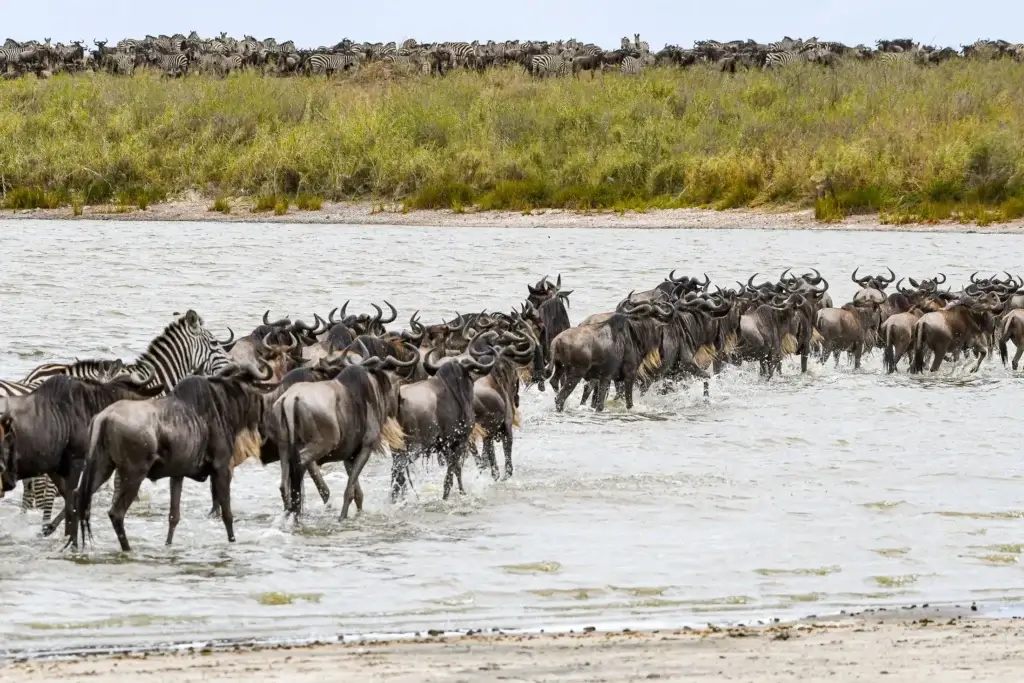
7-Day Great Wildebeest Migration Safari – Serengeti & Mara River crossings
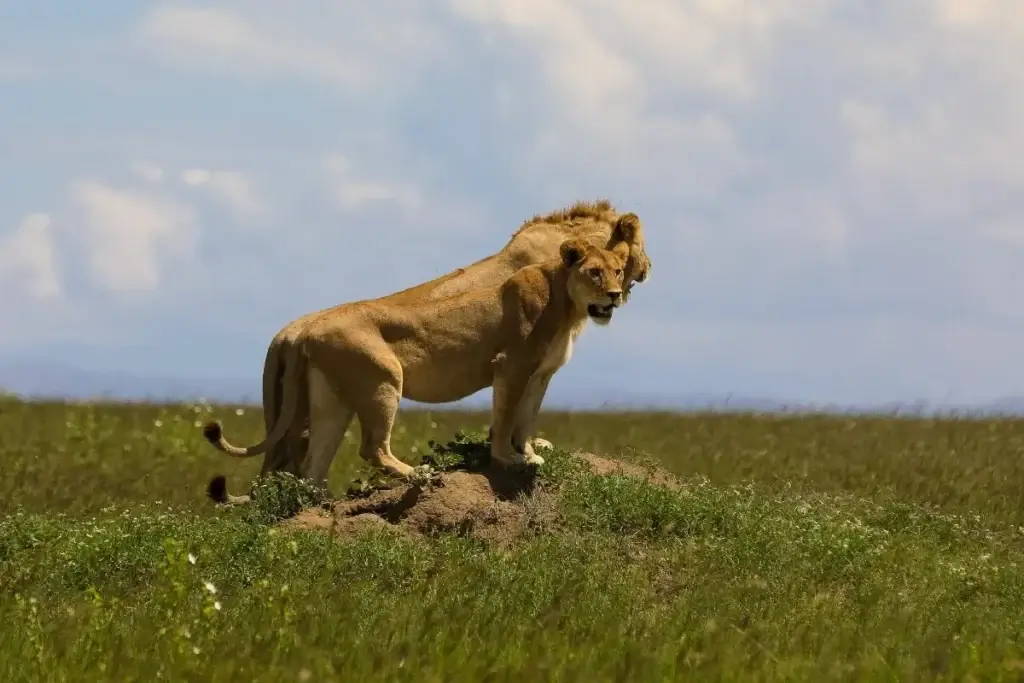
5-Day Ultimate Tanzania Safari, Serengeti and Ngorongoro
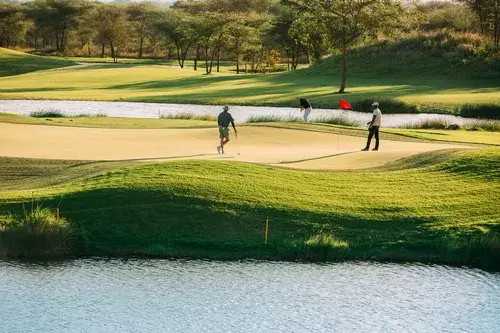
7-Day Exclusive Golf, Balloon Safari and Wildlife Safari
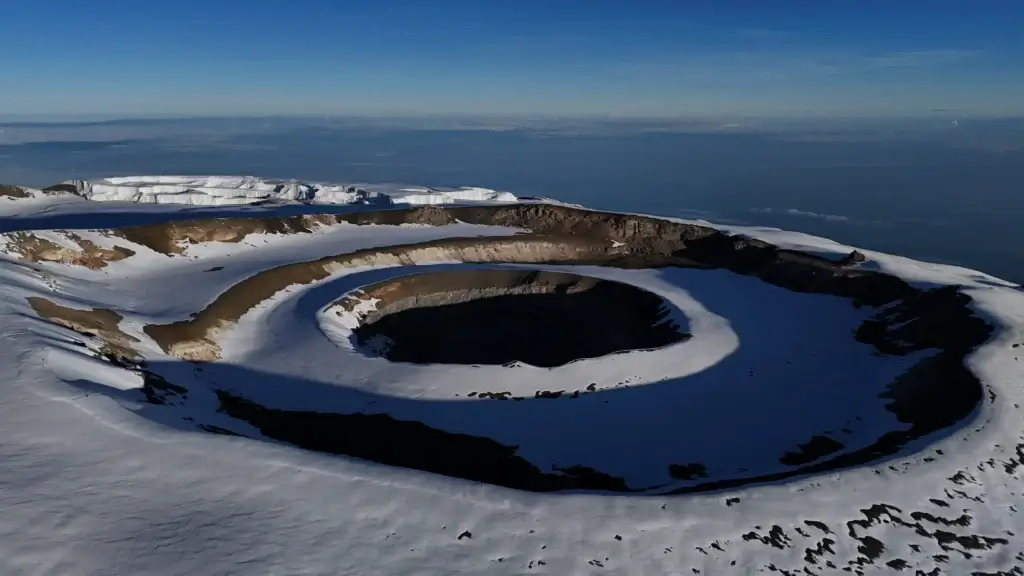
7-Day Kilimanjaro Climb – Lemosho Route
Get Your Custom Safari Itinerary
Contact Information
Looking for a Tanzania safari? Talk to our Tanzania expert and plan your perfect trip!