
Hadzabe & Maasai Village Visit Tanzania: Cultural Safari Guide
Hadzabe Tribe & Maasai Village Visit Tanzania: Your Complete Cultural Safari Guide
Most people come to Tanzania for the wildlife and the wildlife is truly incredible. But Tanzania is also home to some of the most fascinating cultures and communities on the planet. Adding a Tanzania cultural safari to your trip gives you something that no game drive can: a real connection with the people who have lived on this land for thousands of years.
On a Tanzania cultural tour, you can visit three very different indigenous communities. The Hadzabe tribe near Lake Eyasi are one of the last hunter-gatherer peoples on Earth—they live today almost exactly as humans lived 10,000 years ago. The Datoga tribe, who live in the same area, are skilled blacksmiths and pastoralists with a proud warrior heritage. And the Maasai — arguably the most famous tribe in all of Africa — live across the northern Tanzania landscape from the Serengeti to Kilimanjaro, and a Maasai village visit is a colourful and memorable experience for all types of travellers.
This guide covers everything you need to know to plan a Hadzabe and Maasai village visit in Tanzania. We explain who each tribe is, what you will see and do on a visit, how to do it responsibly, where to go, sample itineraries, and how much it costs. At Exceptional Travel Expert, we organise cultural experiences as part of our Tanzania safari tours — it is one of the most popular add-ons our guests request. Contact us here to include a cultural visit in your safari.
The Three Tribes You Can Visit in Northern Tanzania
Northern Tanzania is home to many different ethnic groups, but three stand out as the most popular and most meaningful to visit on a Tanzania cultural safari:
1. The Hadzabe – Africa's Last Hunter-Gatherers
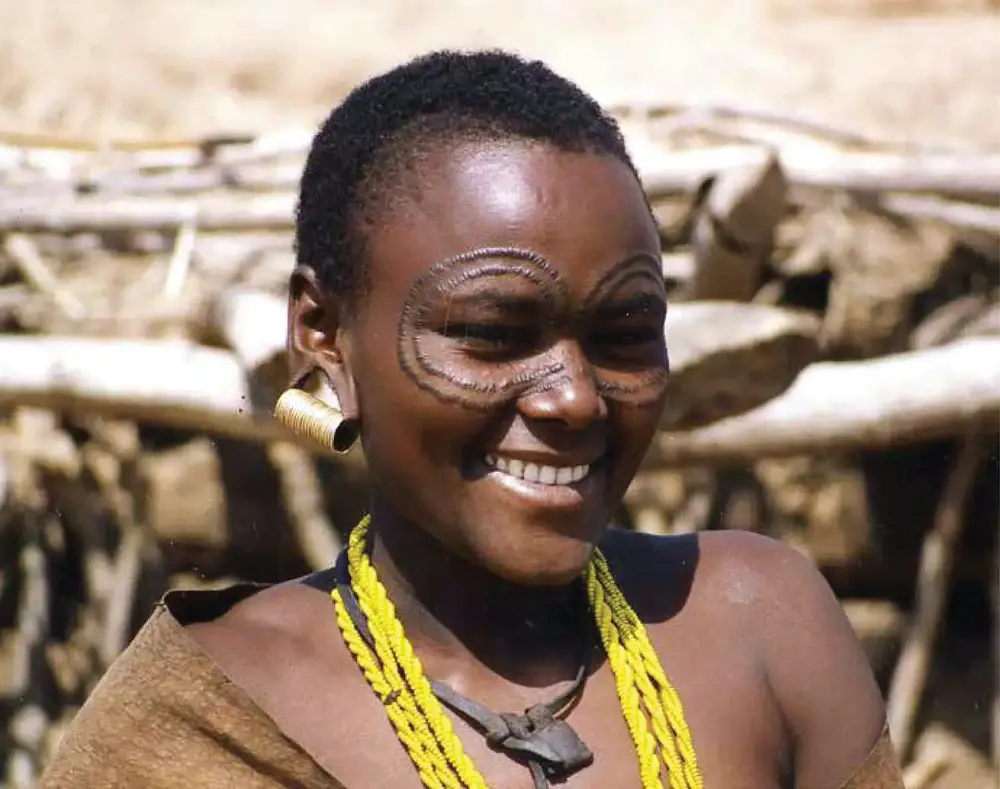
The Hadzabe (also written as Hadza or Hadza people) are an indigenous ethnic group who live around the shores of Lake Eyasi in northern Tanzania. They are one of the last remaining hunter-gatherer tribes in Africa — and in the entire world. There are estimated to be only around 1,200–1,300 Hadzabe people left.
The Hadzabe live in small groups of 20–30 people. They do not own livestock, they do not farm, and they do not use money in the traditional sense. Instead, the men hunt birds, baboons, dik-dik, and other animals using handmade bows and arrows — and the women gather wild berries, baobab fruit, tubers, and honey. Every day is different. They move through the bush following the seasons and the animals.
The Hadzabe speak Hadzane, a click-based language that is completely unique — it is not related to any other language group on Earth. When you visit a Hadzabe community, you will hear this extraordinary language for yourself. The Hadzabe are a deeply egalitarian society — there are no chiefs or leaders. Everyone is considered equal and decisions are made by the whole group.
A Hadzabe tribe visit is not a tourist performance. These are real people living a real life. You join them on their morning hunt, watch how they make fire from two sticks, try shooting a bow and arrow, listen to their songs around the fire, and simply spend time with a community whose way of life has barely changed since the Stone Age. It is one of the most humbling and extraordinary experiences you can have in Africa.
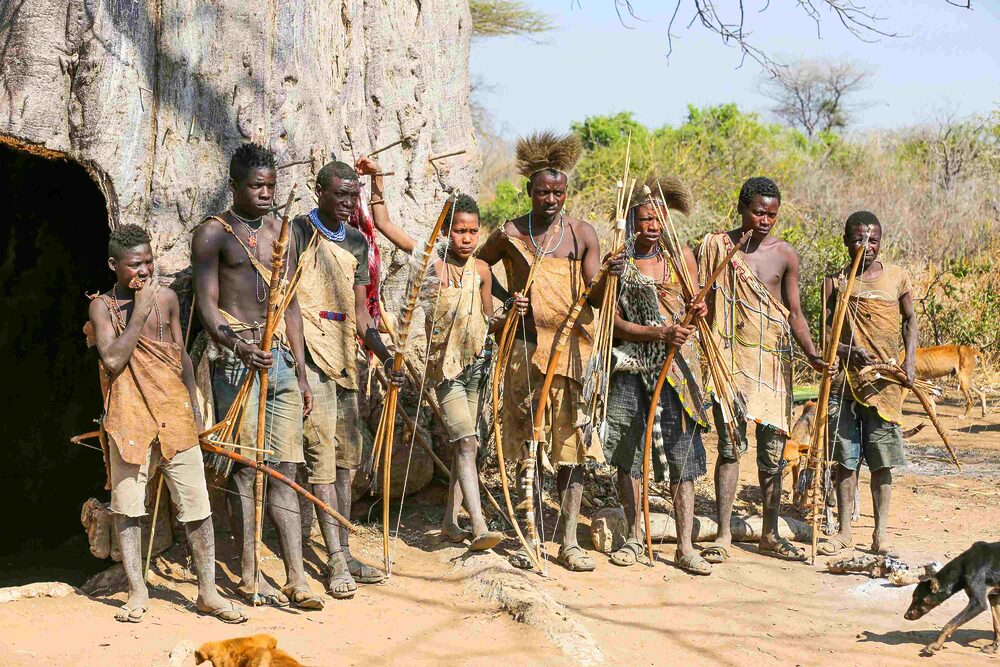
2. The Datoga – Tanzania's Master Blacksmiths
The Datoga tribe (also known as Tatoga or Mang’ati in Swahili) live in the same Lake Eyasi region as the Hadzabe, but their lifestyle is very different. The Datoga are a semi-nomadic pastoralist people, they herd cattle and goats and measure their wealth in livestock. They are also famous throughout Tanzania for one extraordinary skill: blacksmithing.
Datoga men melt down old metal, often from discarded car parts and farm equipment, and forge it into arrowheads, knives, spearheads, bracelets, and other items using hand-pumped bellows and hammers, in a process that has barely changed in centuries. Interestingly, the Hadzabe and Datoga have a long-standing trade relationship, the Hadzabe bring wild honey and animal hides, and the Datoga make them metal arrowheads in exchange.
Visiting a Datoga village means watching the blacksmiths at work, seeing the inside of a Datoga homestead (called a boma), learning about their pastoralist lifestyle, and hearing about their warrior traditions. Datoga women are known for their beautiful beadwork and leather clothing decorated with metal ornaments. It is a quieter but equally fascinating cultural encounter to pair with a Hadzabe visit.
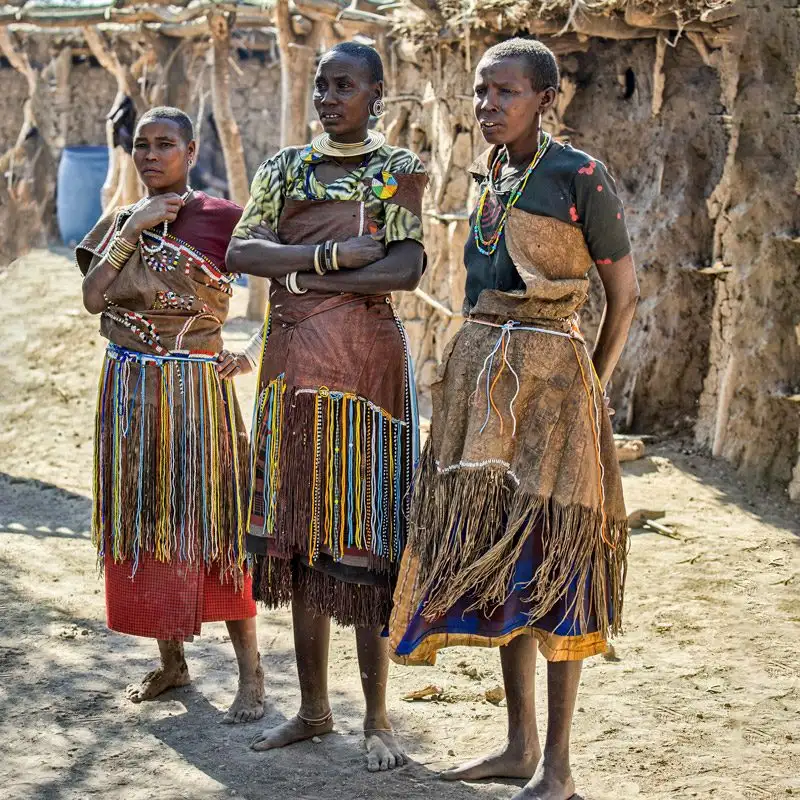
3. The Maasai – Tanzania's Most Famous Tribe
The Maasai are probably the most recognised tribe in all of Africa. With their bright red shukas (robes), intricate beadwork, tall athletic builds, and distinctive jumping dance, the adumu, the Maasai are iconic. They live across a vast area of northern Tanzania, from the Ngorongoro Highlands and the Serengeti to the slopes of Kilimanjaro. This means a Maasai village visit can easily be added to almost any safari on the northern circuit.
The Maasai are a pastoralist people who have always lived alongside wildlife, which is one reason their territory overlaps with Tanzania’s greatest national parks. They measure wealth in cattle and keep large herds that graze on communal land. Maasai society is organised by age groups. Young men become warriors (called moran) and are responsible for protecting the community. Later they become elders. Women manage the household, raise children, and make the famous beaded jewellery and clothing that the Maasai are known for worldwide.
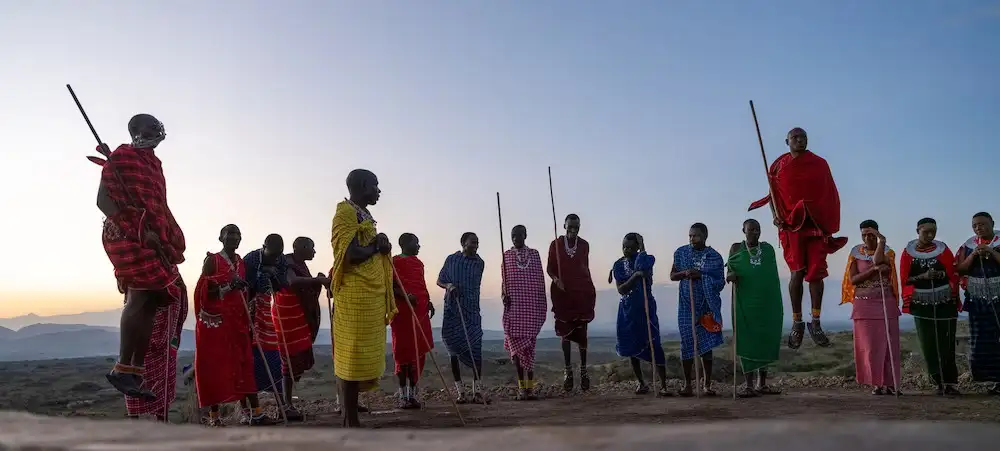
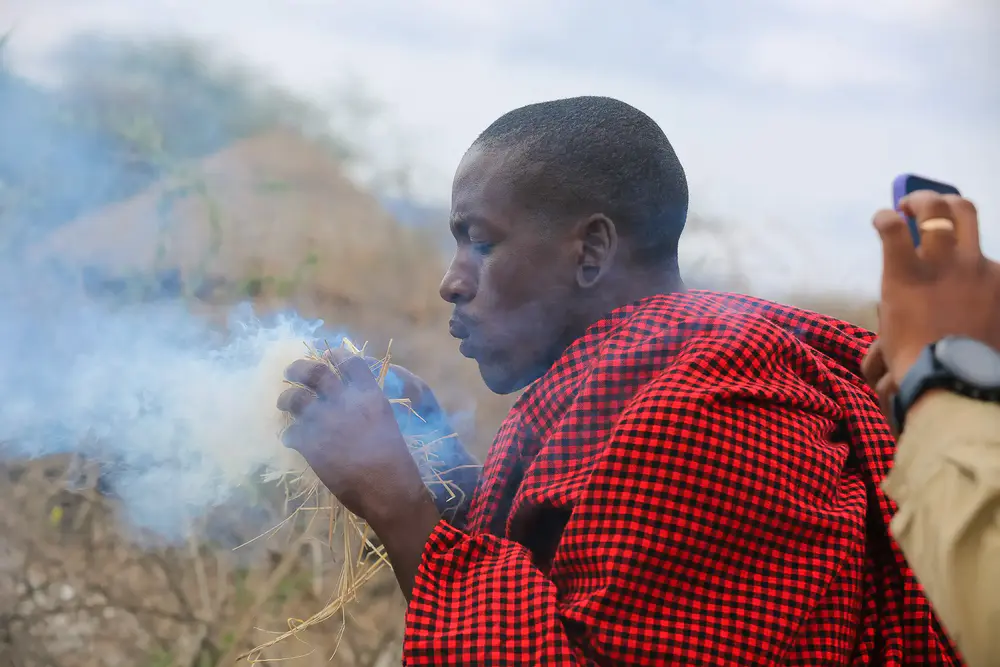
A Maasai village visit typically includes a welcome song and dance by the warriors, a tour of the boma (the circular thorn-fence enclosure that forms the village), a visit inside a traditional Maasai house, a demonstration of fire-making, and the chance to buy beadwork directly from the women. You may also be invited to try the famous adumu jumping dance yourself, an unforgettable experience.
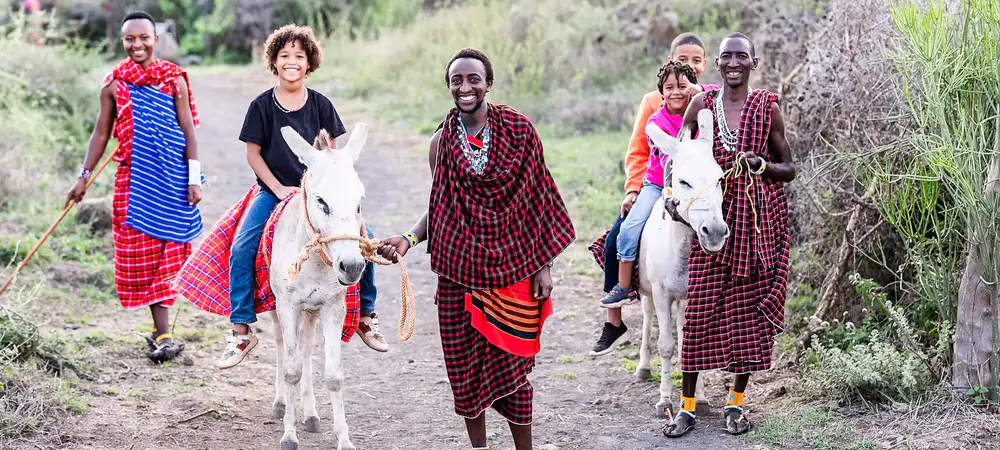
Where Do You Go for a Cultural Safari in Tanzania?
Lake Eyasi – Hadzabe and Datoga Country
Lake Eyasi is a shallow, seasonal Salt Lake set in the Rift Valley in northern Tanzania. It sits about a 1–2 hours drive west of Karatu, which is itself about 2 hours from Arusha. The lake is surrounded by the dramatic Eyasi Escarpment and is home to flamingos, pelicans, hippos, and occasional crocodiles in its shallower sections.
This is where you come for a Hadzabe tribe visit and a Datoga tribe visit. The lake and its surrounding bush are the territory of both communities. Most cultural tours to Lake Eyasi are day trips from Karatu, but staying overnight at one of the small lodges near the lake is strongly recommended, it means you can be up before sunrise to join the Hadzabe men on their morning hunt, which is the most authentic and exciting part of the experience. Getting up early and walking into the bush with hunters as the light comes up is something you will not forget.
Lake Eyasi sits conveniently between the Ngorongoro Crater and the southern Serengeti, making it easy to incorporate into a northern circuit itinerary. Karatu is a popular overnight stop on safaris heading to or from Ngorongoro, and Lake Eyasi is just a short drive from there.
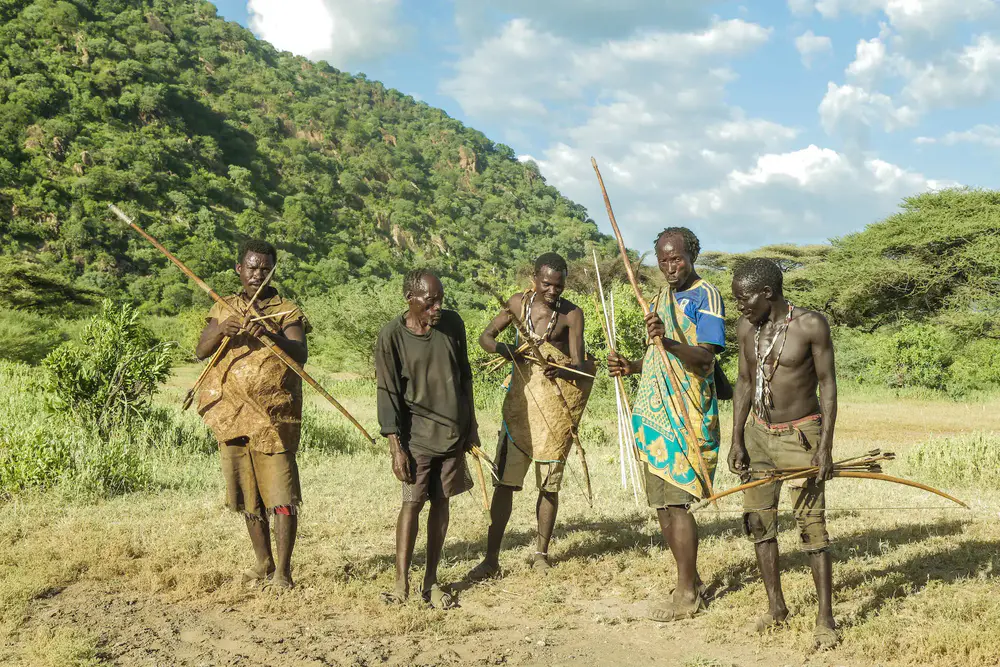
Ngorongoro Area and Serengeti – Maasai Territory
A Maasai village visit can be added to your safari almost anywhere on the northern circuit. The Ngorongoro Conservation Area is unique in that Maasai communities are permitted to live alongside the wildlife, so you will often see Maasai herding cattle near the crater rim and across the conservation area highlands. Many lodges in the Ngorongoro area can arrange visits to nearby Maasai villages as a morning or afternoon activity.
Around Tarangire National Park, there are also many Maasai communities in the surrounding area. A guided walk or cultural visit here pairs nicely with game drives in the park. Near the Serengeti, Maasai guides sometimes lead bush walks that combine wildlife knowledge with cultural storytelling — giving you both nature and culture in one experience.
What to Expect on Each Cultural Visit
Hadzabe Tribe Visit – What You Will See and Do
- Early morning bush walk with the hunters: You set off before sunrise with Hadzabe men who track birds and small mammals through the bush using handmade bows and arrows tipped with natural plant poison. This is a real hunt. not a demonstration.
- Fire making: The Hadzabe show you how they make fire by rubbing two sticks together — a skill they have practised since childhood. You can try it yourself.
- Bow and arrow practice: You get to try shooting a Hadzabe bow. It is harder than it looks — the Hadzabe are incredibly accurate.
- Learning about plants and medicine: The Hadzabe have deep knowledge of wild plants, roots, and berries and how to use them for food and medicine. Your guide will help translate as they explain what they know.
- Songs, dances, and storytelling around the fire: In the evening or after the morning activities, the community gathers around a fire. Men smoke pipes, women gather with children, and there is singing, laughter, and storytelling in Hadzane.
- Photography: You are welcome to take photos, always ask first through your guide. The Hadzabe are generally friendly and relaxed about this.
Datoga Tribe Visit – What You Will See and Do
- Blacksmith demonstration: Watch Datoga men melt old metal with a hand-pumped bellows and hammer it into arrowheads, knives, and jewellery. The skill and speed are impressive.
- Tour of the boma: See inside a traditional Datoga homestead, how the houses are built from mud and sticks, how livestock are kept, and how the compound is arranged.
- Beadwork and leatherwork: Datoga women are skilled at making intricate beaded jewellery and leather clothing. You can watch them work and buy pieces directly, this supports the community directly.
- Songs and traditional dances: The Datoga have their own music and ceremonial dances. Your guide will help you understand what you are seeing and its cultural meaning.
- Learning about pastoralist life: Hear about the importance of cattle in Datoga society, how they interact with the Hadzabe and Maasai, and what life is like in this remote part of Tanzania.
Maasai Village Visit – What You Will See and Do
- Welcome song and warrior dance (adumu): You are greeted by Maasai warriors with a song and a demonstration of the famous jumping dance. You are usually invited to join in.
- Tour of the boma: Walk through the circular village. See how the houses are constructed from mud, sticks, cow dung, and grass. Learn how the boma is arranged to protect livestock at night.
- Inside a Maasai house: You are invited into a traditional Maasai house. They are very small and dark inside, with a sleeping area, a small cooking fire, and space for young animals. It is a fascinating contrast to modern life.
- Fire making and cultural demonstrations: Maasai elders demonstrate fire-making and explain the age-set system — the way Maasai society organises men by age and responsibility.
- Beadwork market: Maasai women display their handmade beadwork — necklaces, bracelets, and earrings. Buying directly from them is the most meaningful way to take home a souvenir.
- Guided cultural walk: Some villages offer walks with Maasai guides who explain the plants and landscape, their knowledge of wildlife, and the history of the area.
How to Visit Responsibly
A Tanzania cultural safari can be a truly meaningful and respectful experience — or it can feel like a zoo visit if done the wrong way. Here are some important guidelines:
- Choose an ethical operator: Always book through a company like Exceptional Travel Expert that has existing relationships with these communities and ensures that the visit fee goes directly to the tribe. Avoid operators who treat cultural visits as a quick stop with no community benefit.
- Ask before photographing: Always ask your guide if it is okay to take a photo of a specific person before you point a camera at them. Most community members are happy, but it should always be their choice.
- Dress modestly: Wear respectful clothing, covered shoulders and knees are appreciated, especially in Maasai and Datoga communities where modesty is important.
- Listen more than you talk: The visit is about learning from them, not telling them about your world. Let your guide lead the conversation and ask questions through them.
- Buy crafts directly: If you want to take something home, buy directly from the artisans at a fair price. This is one of the most direct ways your visit supports the community.
- Do not bring sweets or plastic gifts for children: It seems kind but it encourages dependence and is not good for the children. If you want to bring something, ask your guide what the community actually needs, practical items like sewing needles, salt, or honey knives are far more appropriate.
- Follow your guide’s lead at all times: Your guide is the cultural bridge. They know what is appropriate and what is not. Trust them and follow their advice throughout the visit.
Tanzania Cultural Safari Itinerary Ideas
Here are some popular ways to combine a Hadzabe and Maasai cultural tour Tanzania with your wildlife safari:
Option 1: 1-Day Lake Eyasi Cultural Day Trip
This works as a day trip from Karatu or as a stop between Ngorongoro and Tarangire:
- 6:00am: Depart Karatu for Lake Eyasi (1–1.5 hour drive).
- 8:00am: Arrive at the Hadzabe camp. Join the morning hunt in the bush. Try bow and arrow. Watch fire-making.
- 10:30am: Drive a short distance to the Datoga boma. Watch the blacksmith at work. Tour the homestead. See the beadwork.
- 1:00pm: Picnic lunch by the shore of Lake Eyasi with views of flamingos and the Rift Valley escarpment.
- 3:00pm: Drive back to Karatu or continue to your next safari destination.
Contact us to plan your Hadzabe Tribe visit.
Option 2: 2-Day Cultural Immersion at Lake Eyasi
For a deeper experience, spend one night at a lodge near Lake Eyasi:
- Day 1 – Afternoon: Drive to Lake Eyasi. Visit the Datoga tribe in the afternoon — blacksmiths, boma tour, beadwork, and songs. Overnight at a Lake Eyasi lodge.
- Day 2 – Early morning: Rise before 5:30am and join the Hadzabe on the sunrise hunt. Walk through the bush as they track animals with bows and arrows. Return to camp. Watch fire-making and try the bow. Songs and dance around the fire. Drive back to Karatu by midday.
Option 3: 8-Day Northern Circuit Safari with Cultural Visit
- Day 1: Arrive Arusha.
- Day 2: Drive to Tarangire National Park. Afternoon game drive. Optional Maasai village visit near the park.
- Day 3: Drive through Karatu to Lake Eyasi. Afternoon Datoga cultural visit. Overnight at Lake Eyasi lodge.
- Day 4: Early morning Hadzabe hunt. Return to Karatu. Drive to Ngorongoro Crater. Crater rim walk.
- Day 5: Full day Ngorongoro Crater game drive. Maasai village visit in the afternoon near the crater rim.
- Day 6–7: Fly or drive to the Serengeti. Two days of game drives. Optional hot air balloon safari on the morning of Day 7.
- Day 8: Morning game drive. Fly back to Arusha or fly to Zanzibar for a beach extension.
Option 4: Cultural Tour Combined with a Honeymoon Safari
A cultural visit is a wonderful addition to a Tanzania honeymoon. Many couples find that sitting with the Hadzabe around a fire or joining a Maasai village welcome dance is one of the most meaningful and unique moments of their entire trip. We can easily incorporate a half-day or full-day cultural experience into any Tanzania honeymoon safari itinerary.
We can adjust any of these itineraries to fit your dates and budget. Get in touch to start planning.
Best Time to Visit the Hadzabe and Maasai in Tanzania
The Hadzabe tribe visit Tanzania and Maasai village visit can both be done all year round. The cultural communities do not shut down for any season. However, here are a few things to note:
- Dry season (June–October): Roads to Lake Eyasi are in good condition and easy to drive. The bush is open and visibility is excellent — great for the morning hunt with the Hadzabe. This is also when wildlife safaris are at their best, so it is easy to combine cultural and wildlife experiences in one trip.
- January–March: A good time to visit. The Hadzabe homeland around Lake Eyasi is green and beautiful, and the drive through the Ngorongoro Highlands is spectacular. Prices are lower than peak season.
- April–May (heavy rains): The road to Lake Eyasi can become muddy and difficult. A 4×4 vehicle is essential. Some sections may be impassable after heavy rain. If you visit in this period, confirm road conditions with us in advance.
Want to learn more? Explore our article on the best time to visit Tanzania and plan your trip with confidence.
How Much Does a Tanzania Cultural Safari Cost?
A Tanzania cultural tour to visit the Hadzabe, Datoga, and Maasai is one of the most affordable add-ons you can include in your Tanzania safari. Here is a simple guide:
- Hadzabe tribe visit fee: Approximately $20–$50 per person. This goes directly to the community.
- Datoga village visit fee: Approximately $15–$30 per person. This goes directly to the community.
- Maasai village visit fee: Approximately $20–$30 per person. This is paid to the village and split among community members.
- Lake Eyasi overnight package: A 2-day, 1-night cultural immersion at Lake Eyasi including transport from Karatu, accommodation, meals, and both Hadzabe and Datoga visits costs approximately $150–$800 per person depending on the lodge level.
- Added to a safari package: When we include cultural visits as part of a larger Tanzania safari package, the cost is incorporated into your overall trip price. It adds very little to the total and is one of the best value additions you can make.
To get a full price for a cultural safari in Tanzania that includes wildlife, cultural visits, and any other experiences you want, request a free quote here. You can also read our Tanzania safari cost guide for a full breakdown of what goes into a Tanzania trip price.
Who Is a Tanzania Cultural Safari Good For?
- Families with children: Visiting the Hadzabe and Maasai is one of the most educational experiences children can have anywhere in the world. Seeing how people live close to nature and learning that there are many different ways to live a meaningful life is incredibly valuable. Our Tanzania family safari tours always have the option to include a cultural day.
- First-time Africa visitors: If this is your first time in Tanzania, adding a cultural visit to your Tanzania safari tour gives you a much deeper understanding of the country and its people. Wildlife alone is incredible, but culture makes the trip complete.
- Honeymoon couples: Sharing the experience of sitting with the Hadzabe around a fire or dancing with Maasai warriors is deeply memorable. It gives you stories to tell for decades. See our Tanzania honeymoon page for how to weave culture into your romantic trip.
- Groups and friends: Cultural visits are great for groups — everyone engages differently and everyone takes something different away. See our Tanzania group joining safaris for group trip options.
- Photographers: The Hadzabe on the morning hunt, the Datoga blacksmith hammering metal by firelight, and the Maasai warrior jumping against a sunset, all of these are extraordinary photographic opportunities. Come with a good camera and plenty of memory.
- Anyone curious about human history: The Hadzabe in particular offer a window into how all humans once lived. If you are curious about anthropology, human prehistory, or indigenous cultures, a Hadzabe visit will be one of the most fascinating experiences of your life.
Our Recommendation for Your Tanzania Cultural Safari
- Get up early for the Hadzabe hunt: The morning hunt starts before sunrise — often 5:30–6:00am. This is the most authentic and memorable part of the Hadzabe visit. If you arrive late, you miss it. Stay overnight at Lake Eyasi to make this possible.
- Wear comfortable walking shoes: The Hadzabe morning hunt involves walking through bush, over rocks, and through long grass. Closed shoes or hiking boots are essential.
- Bring small notes for purchases: If you want to buy beadwork or crafts from the Datoga or Maasai women, bring small denomination notes. Large bills can be difficult to change in remote areas.
- Ask about photography etiquette: Always ask your guide before taking photos. Most people are happy, but individual preferences vary and it is important to respect this.
- Do not bring plastic gifts: Bring practical items like salt, sewing needles, or honey knives if you want to bring something — or simply pay the community visit fee, which goes directly to them.
- Use a guide from the community where possible: A guide who speaks both English and the local language — and ideally who is from the tribe — makes the experience far richer and ensures the visit is genuinely respectful and authentic.
- Combine with a wildlife safari for the best experience: A standalone cultural tour is good, but combining it with a Tanzania safari tour gives you the best of both worlds. The cultural visits take only 1–2 days and fit naturally into any northern circuit itinerary.
Tanzania Cultural Safari – Common Questions Answered
The Hadzabe (also called Hadza) are an indigenous ethnic group who live near Lake Eyasi in northern Tanzania. They are one of the last remaining hunter-gatherer tribes in the world, only around 1,200–1,300 Hadzabe people still follow this traditional lifestyle. The men hunt using handmade bows and arrows and the women gather wild plants, berries, and honey. They speak Hadzane — a click-language that is completely unique and unrelated to any other language on Earth.
On a Hadzabe tribe visit, you join the men on an early morning hunt in the bush, watch how they make fire from two sticks, try shooting a bow and arrow, learn about wild plants and bush medicine, and sit with the community for songs and storytelling around the fire. It is a real, genuine encounter — not a staged performance.
The Datoga (also called Tatoga or Mang’ati) are a semi-nomadic pastoralist tribe who live near Lake Eyasi and the Ngorongoro area in northern Tanzania. They are famous for their extraordinary blacksmithing skills — they melt old metal and forge it into arrowheads, knives, and jewellery using ancient techniques. They also trade metal arrowheads with the Hadzabe in exchange for honey and other goods.
Both the Hadzabe and Datoga live around Lake Eyasi in northern Tanzania, about 1–2 hours drive from Karatu (which is itself about 2 hours from Arusha). Most visits are day trips from Karatu, but staying overnight at a Lake Eyasi lodge is strongly recommended so you can join the early morning Hadzabe hunt.
A Maasai village visit can be arranged in many parts of northern Tanzania. Popular spots include the Ngorongoro Conservation Area (where Maasai communities live alongside wildlife), the area around Tarangire National Park, near the Serengeti, and on the foothills of Kilimanjaro. Most lodges on the northern circuit can arrange a Maasai village visit as a half-day or full-day activity.
Yes, a Tanzania cultural safari is excellent for children and one of the most educational experiences they can have. Seeing how the Hadzabe hunt, watching the Datoga blacksmiths work, and joining the Maasai jumping dance are all exciting, memorable, and eye-opening for young travellers. Our Tanzania family safari tours regularly include cultural visits as part of the itinerary.
The Hadzabe community visit fee is approximately $20–$50 per person and goes directly to the community. When included as part of a full Tanzania safari package, the cost is incorporated into your overall trip price and adds very little to the total. See our Tanzania safari cost guide for full pricing details.
It is possible to visit the Hadzabe and Datoga in one full day at Lake Eyasi — most day tours include both. A Maasai village visit would need to be on a different day, as the Maasai live in a different area (Ngorongoro, Tarangire, West Kilimanjaro or Serengeti corridor). We can arrange all three visits as part of a multi-day northern circuit itinerary. Contact us here to plan this.
Yes — when done responsibly through an ethical operator. The key is that the community receives a direct financial benefit from the visit, that guides are from or closely connected to the community, and that visitors are respectful and follow cultural guidelines. At Exceptional Travel Expert, we only organise cultural visits through community-approved channels and we always brief guests on respectful behaviour before the visit. The Hadzabe community welcomes visitors as a way of generating income and sharing their culture, provided it is done with respect.
Add a Cultural Visit to Your Tanzania Safari Today
A Tanzania cultural safari to visit the Hadzabe, Datoga, and Maasai is one of the most meaningful things you can do in East Africa. These communities offer a window into a way of life that most of the world has forgotten — and meeting them is a reminder of how many different ways there are to live a good and meaningful life on this planet. At Exceptional Travel Expert, we make it easy to add a cultural visit to any safari itinerary. Whether you want a single day at Lake Eyasi, a 2-day cultural immersion, or a full 10-day trip that combines wildlife, culture, and beach, we will design the perfect trip for you. We are based in Tanzania and we know these communities and how to visit them properly. Get in touch today and tell us what you are looking for. We will take care of everything.