Travel Blog
Home / Travel Guide / Best Time to See the Great Migration in Tanzania & Kenya (Complete 2025 / 2026 Guide)
Best Time to See the Great Migration in Tanzania & Kenya (2025/2026)
The Great Migration is one of nature’s most amazing wildlife events. Every year, over 1.5 million wildebeest, 200,000 zebras, and 400,000 gazelles travel across the Serengeti in Tanzania and the Masai Mara in Kenya. They follow the rains and fresh grass in a never-ending circle. This journey creates dramatic scenes filled with life, danger, and incredible beauty.
But when is the best time to see the Great Migration? The answer depends on what you want to experience. Do you want to see baby wildebeest being born? Do you want to watch dramatic river crossings? Or do you want a quiet safari with fewer tourists?
This complete 2025/2026 guide will help you understand the best months to visit, where to stay, and how to plan your Great Migration safari with confidence.
What Is the Great Migration? (Overview & Facts)
The Great Migration is a year-round movement of massive herds across the Serengeti-Mara ecosystem. The animals never stop moving. They travel in a circular route of about 1,800 miles (3,000 kilometers), following rainfall patterns to find fresh grass and water.
This migration is not just about movement. It is about survival. The herds face hungry predators like lions, leopards, cheetahs, and hyenas. They must cross dangerous rivers filled with crocodiles. They give birth to thousands of babies in just a few weeks. Every moment is dramatic.
Quick Facts About the Great Migration:
Great Migration Key Facts
| Category | Details |
|---|---|
| Number of Animals | Over 2 million (1.5M wildebeest, 200K zebras, 400K gazelles) |
| Distance Traveled | About 1,800 miles (3,000 km) in a circular route |
| Time Period | Year-round movement (never stops) |
| Main Locations | Serengeti National Park (Tanzania) and Masai Mara (Kenya) |
| Main Events | Calving season, river crossings, predator action |
| Best Viewing Months | January-March (calving) and July-October (river crossings) |
The Migration Follows a Natural Cycle
| Phase | Period | Location |
|---|---|---|
| 1. Calving Season | January - March | Southern Serengeti |
| 2. Northward Movement | April - June | Central and Western Serengeti |
| 3. River Crossings | July - October | Northern Serengeti and Masai Mara |
| 4. Return South | November - December | Eastern Serengeti |
The Great Migration Month-by-Month (2025/2026 Guide)
Knowing where the herds are each month helps you plan the perfect safari. Here is a detailed breakdown of what to expect throughout the year.
January: Southern Serengeti Calving Begins
Location: Southern Serengeti, Ndutu area Main event: Calving season starts Weather: Warm, occasional short rains Crowd level: Medium Best for: Seeing newborn wildebeest, predator action
In January, the migration settles in the Ndutu area and the Southern Serengeti plains. The landscape is green and beautiful after the short rains. The herds spread across wide open plains, feeding on nutritious grass.
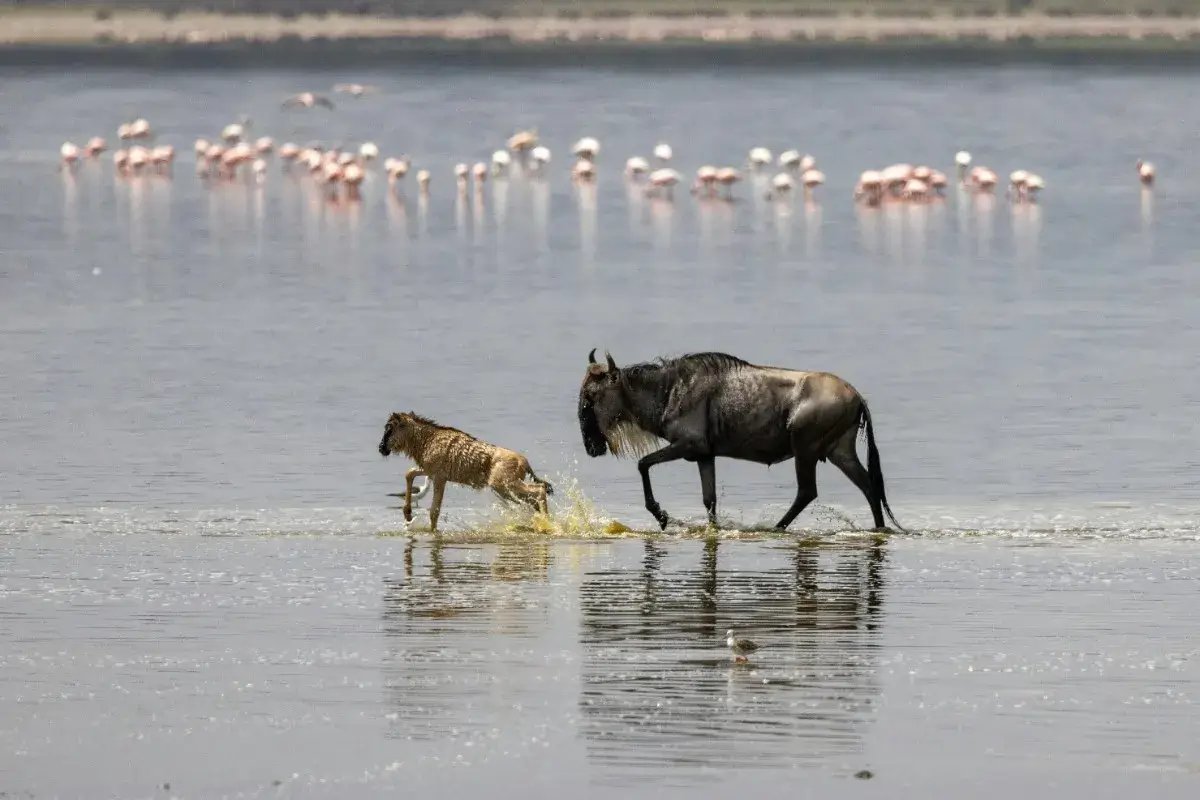
This is when calving season begins. Thousands of baby wildebeest are born. The newborns can stand and walk within minutes of birth. This is an incredible survival adaptation.
Predators know about calving season too. Lions, leopards, cheetahs, and hyenas gather near the herds. They hunt the weak and vulnerable newborns. You will see dramatic hunting scenes and the circle of life in action.
Where to stay: Ndutu Safari Lodge, Kusini Camp, Ubuntu Migration Camp
February: Ndutu, Southern Serengeti plains, Peak Calving Season
Location: Ndutu, Southern Serengeti plains Main event: Up to 8,000 wildebeest calves born each day Weather: Warm, short afternoon rains possible Crowd level: High Best for: Photographers, first-time safari goers
February is the peak of calving season in Serengeti. This is when the most baby wildebeest are born. Scientists estimate that about 8,000 calves are born every day during this period. Within just 2-3 weeks, over 500,000 calves join the herds.
The Southern Serengeti plains turn into a nursery. Everywhere you look, you see mothers with newborns. The babies learn to run fast within hours because predators are always nearby.
This is one of the best times for wildlife photography. The green grass creates beautiful contrast with the animals. The soft light is perfect for photos. Predator action happens throughout the day.
This month is also excellent for first-time safari visitors. The herds are concentrated in one area, making them easy to find. The weather is pleasant. The experience is unforgettable.
Where to stay: Ndutu Safari Lodge, Masek Under Canvas, Olakira Migration Camp
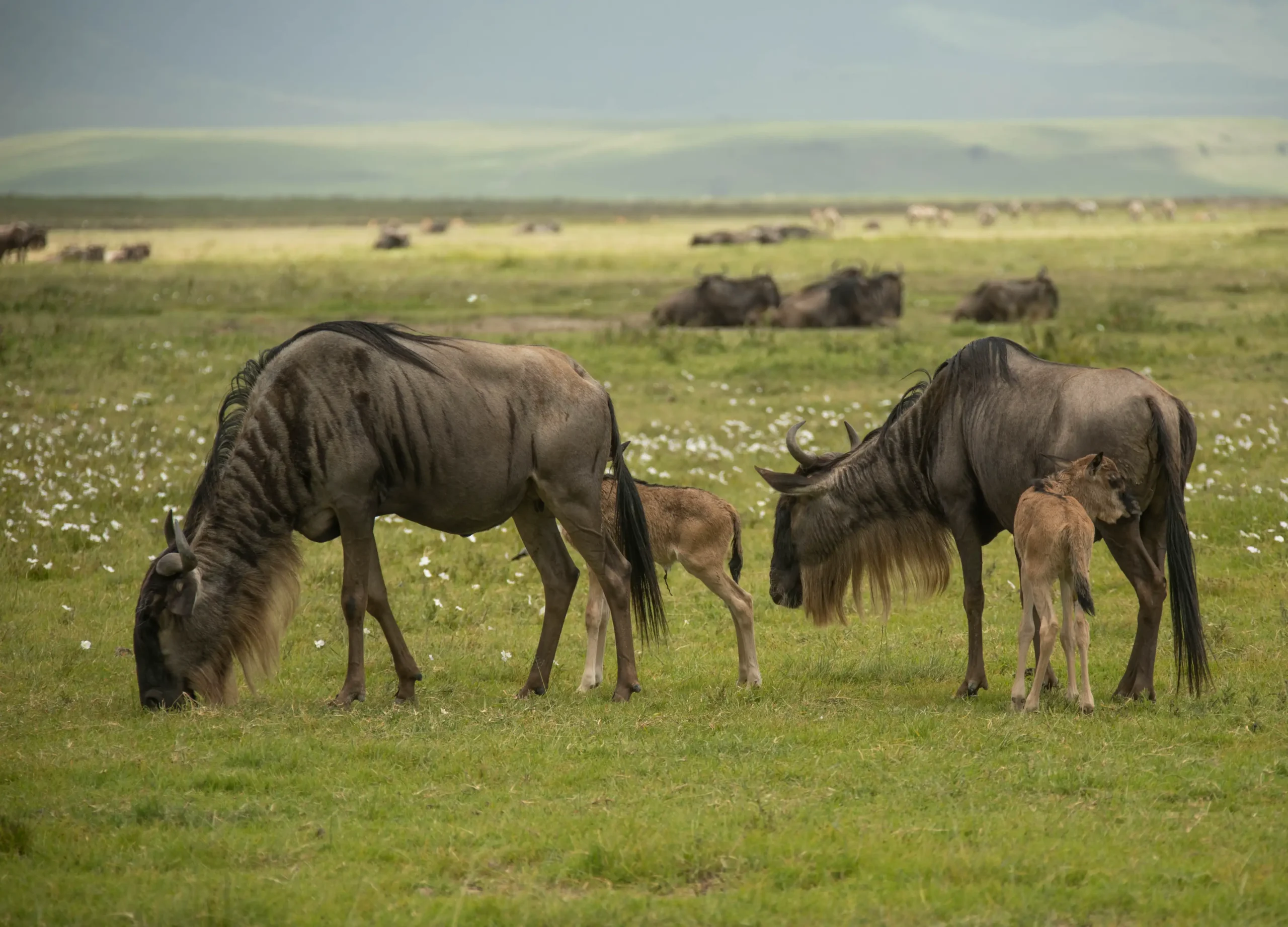
March: : Southern and Central Serengeti, Late Calving & Movement North Begins
Location: Southern and Central Serengeti Main event: Late calving, herds start moving north Weather: Warm, increasing rainfall Crowd level: Medium Best for: Seeing both calving and migration movement
By March, most calves have been born. The herds begin their journey north toward fresher grass. The movement is slow at first. The young calves need time to grow stronger before the long journey ahead.
This is a transitional month. You can still see newborn wildebeest in the south. You can also see large herds starting their migration through the Central Serengeti. The Seronera area and Moru Kopjes become good viewing spots.
March offers good value for money. Fewer tourists visit during this time. The lodges and camps offer lower prices. The wildlife viewing is still excellent.
Where to stay: Seronera Wildlife Lodge, Dunia Camp, Four Seasons Safari Lodge
April-May: Central Serengeti (Seronera, Moru Kopjes)
Location: Central Serengeti (Seronera, Moru Kopjes) Main event: Herds move north, dispersed across wide areas Weather: Rainy season (heavy rains possible) Crowd level: Low Best for: Budget travelers, peaceful safaris, photography
April and May are the long rainy season in Tanzania. Many tourists avoid this time because of the rain. But this is actually a special time to visit if you don’t mind occasional wet weather.
The landscape is at its greenest and most beautiful. Everything is fresh and alive. The herds spread across the Central Serengeti, feeding on rich grass. The wide dispersal means you see smaller groups of animals in different locations.
The benefits of visiting during April-May:
- Fewer tourists (you may have sightings to yourself)
- Lower prices (up to 30-40% cheaper)
- Green, photogenic landscapes
- Excellent bird watching (migratory birds present)
- Good predator viewing (many predators with young cubs)
The rainy season is not constant rain. You will experience afternoon showers, but mornings are often clear and perfect for game drives.
Where to stay: Serengeti Serena Lodge, Moyo Tented Camp, Central Camp
June: Western Corridor, Grumeti area , Grumeti River Crossings Begin
Location: Western Corridor, Grumeti area Main event: First major river crossings Weather: Dry season begins, pleasant temperatures Crowd level: Medium Best for: Seeing river crossings without peak-season crowds
By June, the herds reach the Western Corridor of the Serengeti. This is when they face their first major obstacle: the Grumeti River. While not as famous as the Mara River crossings, the Grumeti crossings are thrilling.
The Grumeti River is known for its huge Nile crocodiles. Some of these crocodiles are over 16 feet (5 meters) long. They wait patiently in the water, knowing the wildebeest must cross.
The herds gather along the riverbanks. Thousands of animals wait nervously. They know the danger. Eventually, one brave wildebeest jumps in. Then the rest follow in a chaotic rush.
June is an excellent time to visit. The weather is dry and comfortable. Tourist numbers are lower than July-October. You still get to see dramatic river crossings.
Where to stay: Grumeti Serengeti Tented Camp, Kirawira Luxury Tented Camp, Mbalageti Serengeti
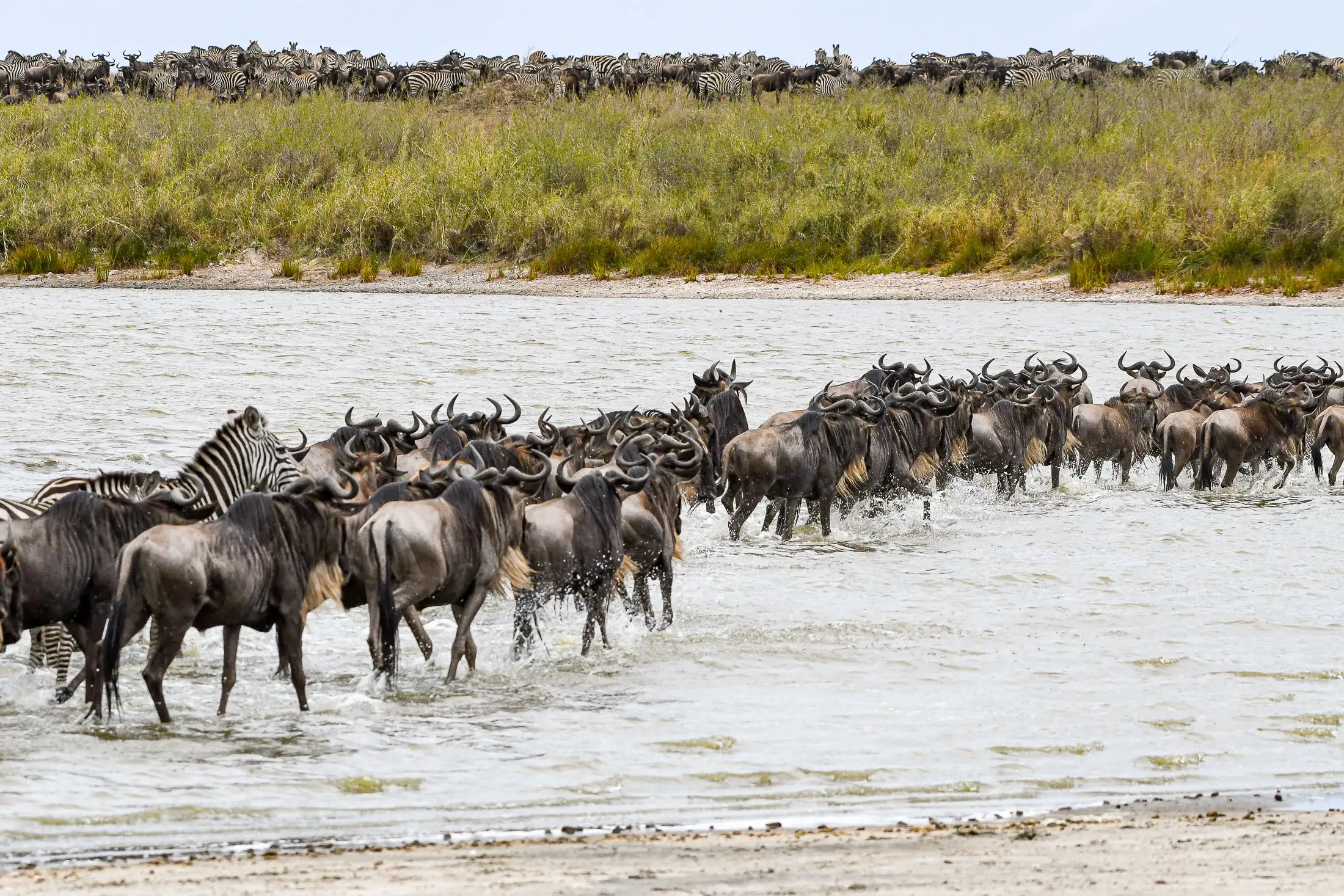
July: Northern Serengeti (Kogatende, Lamai)—Northern Migration & Mara Crossings Start
Location: Northern Serengeti (Kogatende, Lamai) Main event: Mara River crossings begin Weather: Dry, cooler temperatures Crowd level: High Best for: Witnessing the most famous river crossings
July marks the beginning of peak migration season. The herds reach the Northern Serengeti and approach the mighty Mara River. This is what most people imagine when they think of the Great Migration.
The Mara River is wider, faster, and more dangerous than the Grumeti. The current is strong. The riverbanks are steep. Giant crocodiles patrol the water. Predators watch from the shores.
When a crossing happens, it is pure chaos. Thousands of wildebeest and zebras plunge into the water together. Some animals get swept away by the current. Some are grabbed by crocodiles. Others get trampled on the steep banks. It is nature at its most raw and powerful.
Important to know: River crossings are unpredictable. They don’t happen every day. The herds may gather for days before crossing. Sometimes they cross multiple times in different locations. You need patience and a good guide.
Where to stay: Sayari Camp, Lamai Serengeti, Ubuntu Migration Camp North
August-September: Northern Serengeti (Tanzania) and Masai Mara (Kenya)—Peak Migration Season
Location: Northern Serengeti (Tanzania) and Masai Mara (Kenya) Main event: Multiple Mara River crossings, peak wildlife viewing Weather: Dry, warm days, cool nights Crowd level: Very high Best for: First-time visitors, photographers, seeing the iconic crossings
August and September are the most popular months to see the Great Migration. This is peak season for good reason. The herds are concentrated in the Northern Serengeti and Masai Mara. River crossings happen regularly (though never guaranteed). The weather is perfect. The scenery is stunning.
The herds move back and forth across the Mara River between Tanzania and Kenya. One day they might be on the Kenyan side. The next day they cross back to Tanzania. This creates many opportunities to witness crossings.
The landscapes in the Northern Serengeti are dramatic. Golden grasslands stretch to the horizon. Rocky kopjes (small hills) dot the plains. Predators are everywhere. Lions, leopards, and cheetahs follow the herds closely.
Advantages of visiting in August-September:
- Highest chance of seeing river crossings
- Excellent overall wildlife viewing
- Perfect weather (dry, not too hot)
- Best photography conditions (clear skies)
- Professional guides know exactly where to find action
Disadvantages:
- Most expensive time of year
- More safari vehicles at popular crossing points
- Must book 12+ months in advance
- Can feel crowded at peak locations
Where to stay in Tanzania: Sayari Camp, Lemala Kuria Hills, Singita Mara River Tented Camp Where to stay in Kenya: Governors’ Camp, Kichwa Tembo, Mara Plains Camp

October: Migration Begins Return South
Location: Northern Serengeti, Masai Mara, Eastern Serengeti Main event: Last Mara River crossings, herds start moving south Weather: Short rains begin Crowd level: High (early October), Medium (late October) Best for: Catching last river crossings with fewer crowds
October is a transitional month. The short rains begin around mid-October. The herds sense the change in weather and start their journey back south toward the Serengeti.
Early October still offers excellent chances to see Mara River crossings. By late October, the herds spread across the Lobo and Loliondo areas of the Eastern Serengeti.
This is a smart time to visit if you want to avoid the peak-season prices and crowds. You still get great wildlife viewing. The landscapes start turning green again with the first rains.
Where to stay: Lobo Wildlife Lodge, Ikoma Safari Camp, Klein’s Camp
November: Eastern Serengeti (Lobo, Loliondo) & Return Journey
Location: Eastern Serengeti (Lobo, Loliondo) Main event: Herds move steadily south Weather: Short rains (afternoon showers) Crowd level: Low Best for: Budget travelers, peaceful safaris
November is one of the quietest months in the Serengeti. Many camps close for the short rainy season. Tourist numbers drop significantly. But the migration continues, and the wildlife viewing is still good.
The herds spread across the Eastern Serengeti as they move south. The landscape becomes green and beautiful with the rains. Baby animals born earlier in the year are now strong and healthy.
This is an excellent month for budget-conscious travelers. Prices drop. You have the park almost to yourself. The rain usually comes in short afternoon showers, leaving mornings clear for game drives.
Where to stay: Lobo Wildlife Lodge, Seronera Wildlife Lodge, Serengeti Serena Lodge
December: : Southern Serengeti, Ndutu Migration & Circle Completes
Location: Southern Serengeti, Ndutu Main event: Herds return to southern plains Weather: Short rains ending, pleasant weather Crowd level: Medium Best for: Seeing the migration complete its circle
By December, the herds have returned to the Southern Serengeti and Ndutu area. The circle is complete. The short rains have made the grass green and nutritious again. The pregnant females prepare for calving season, which will begin again in January.
December is a wonderful time to visit. The weather is pleasant. The herds are concentrated again. Tourist numbers are moderate (lower than peak season but higher than April-May).
This is also a great time to combine your migration safari with beach holidays in Zanzibar. Many travelers spend 5-7 days on safari, then relax on the beaches of Zanzibar for 4-5 days.
Where to stay: Ndutu Safari Lodge, Kusini Camp, Dunia Camp
Best Time to See Great Migration Based on Your Interests
Not everyone wants the same safari experience. Here is how to choose the best time based on what matters most to you.
For Photographers: Best Light & Action | Best months: February, June, August-September
February offers photographers a spectacular combination of green landscapes and newborn animals, with dramatic predator action unfolding against soft, diffused light. June strikes a balance between golden landscapes and river crossings without the peak-season crowds, while August through September delivers clear skies and perfect light conditions for capturing those iconic, dramatic river crossings.
To make the most of your photography safari, bring a telephoto lens of 400mm or longer for river crossings. Use fast shutter speeds of 1/1000s or higher to freeze the action, and plan your shoots for early morning or late afternoon when the light is most flattering. Don’t forget to bring dust protection for your camera equipment, as the dry season can be particularly challenging for sensitive gear.
For Families with Children: Best months: January-February, August
January and February are ideal for families because the herds are concentrated in one area, making them easy to find without long drives. The abundance of baby animals captivates children, and the stable weather ensures a comfortable experience. August is equally family-friendly since professional guides know exactly where the action is during peak season, and the excellent infrastructure provides reliable sightings with minimal uncertainty.
When traveling with children, choose lodges with swimming pools to break up the game drives. Book shorter game drives of three to four hours maximum to keep young ones engaged, and stay in areas with abundant wildlife to minimize driving time. Consider booking a private vehicle for the flexibility to adjust schedules around nap times and snack breaks.
For Budget Travelers: Best months: April-May, November
Budget-conscious travelers can save 30-40% on lodges and camps during these shoulder seasons while still experiencing the migration, albeit with more dispersed herds. Fewer tourists mean a more personal experience, and the green, beautiful landscapes provide stunning backdrops. Perhaps best of all, you’ll have availability at top lodges that are normally booked solid during peak season.
To maximize your savings, book group safaris instead of private ones and stay in mid-range or budget camps. Traveling during the shoulder season not only saves money but often provides a more intimate wildlife experience. Consider camping safaris for an authentic experience at a fraction of the cost.
For Luxury Travelers: Best months: July-September
Luxury travelers benefit most from visiting during peak season when they have access to the most exclusive camps in prime locations for river crossings. Top professional guides are available to curate exceptional experiences, the weather is perfect, and all facilities operate at full capacity with complete amenities and services.
For the ultimate luxury experience, book 12-18 months in advance to secure your preferred dates and accommodations. Choose mobile camps that follow the migration for front-row seats to the action, and consider staying in private conservancies in the Masai Mara for exclusive game viewing. Add a hot air balloon safari at $500-600 per person for an unforgettable aerial perspective of the migration.
For First-Time Safari Goers: Best months: February, August-September
First-timers have the best chance of success during these months when animals are concentrated in specific areas and easy to locate. The high reliability of sightings, combined with excellent infrastructure and experienced guides, ensures a smooth introduction to safari life. Whether you’re witnessing the calving season in February or the river crossings in August-September, multiple spectacular events are happening, and the weather remains predictable and pleasant throughout.
For your first safari, hiring an experienced guide is absolutely essential. Plan to stay at least four to five days to truly immerse yourself in the experience and increase your chances of witnessing dramatic wildlife moments. Book through reputable tour operators who understand first-timer needs, and remember to manage your expectations about river crossings, as these natural events cannot be guaranteed despite being highly probable during peak months.
Tanzania vs Kenya: Where Should You See the Great Migration?
One of the most common questions travelers ask is: Should I visit Tanzania or Kenya for the Great Migration? The answer depends on when you travel and what you want to see.
Tanzania Advantages
Tanzania offers an extended opportunity to witness the Great Migration, with access to the herds for nine to ten months of the year. The country’s portion of the ecosystem includes the exclusive calving season from January to March, when hundreds of thousands of wildebeest give birth on the southern Serengeti plains—a phenomenon you simply cannot see anywhere else.
The Serengeti’s vast expanse means more space for wildlife and typically fewer crowds compared to Kenya’s Masai Mara. This translates to a more intimate safari experience. Budget-conscious travelers will also appreciate that Tanzania generally offers lower prices than its northern neighbor, making it an attractive option for those watching their expenses.
Beyond the migration itself, Tanzania provides easy access to other world-class destinations. You can combine your Serengeti adventure with visits to the Ngorongoro Crater, often called the “Garden of Eden,” or Tarangire National Park, famous for its elephant populations and ancient baobab trees. The diversity of the migration experience here is unmatched—you can witness everything from the tender calving season to dramatic river crossings and the herds’ return journey south.
Best months: January-March, June-July, October-December
Best for: Calving season enthusiasts, budget travelers, extended safaris, and those wanting to explore multiple parks in one trip
Kenya Advantages
Kenya’s Masai Mara shines during the peak river crossing season from August to October, when wildebeest and zebra brave the crocodile-infested Mara River in their desperate push northward. This is the scene most people envision when they think of the Great Migration: dramatic, action-packed, and unforgettable.
The Mara’s more compact size works to your advantage, making it easier to locate the herds without spending hours driving across endless plains. Kenya has also invested heavily in tourism infrastructure, resulting in exceptional luxury camps and lodges that cater to discerning travelers seeking premium experiences.
Another practical advantage is the shorter travel time from Nairobi, making Kenya ideal for visitors with limited vacation days. A three to four-day safari can still deliver spectacular results. Plus, you can easily combine your Mara visit with other Kenyan highlights like Amboseli National Park, where elephants graze against the backdrop of Mount Kilimanjaro.
Best months: August-October
Best for: First-time visitors seeking iconic river crossings, travelers on shorter safaris (3-4 days), and those preferring luxury accommodations
Tanzania & Kenya Safari Comparison
Complete guide to planning your East African wildlife adventure
Best Option: Combine Both Countries!
If you have 7-10 days and the budget allows, combining Tanzania and Kenya in one safari offers the ultimate migration experience. This approach gives you:
- Witness calving season OR Grumeti crossings in Tanzania
- Experience dramatic Mara River crossings in Kenya (July-October visits)
- Complete migration cycle viewing
- Best wildlife moments from both countries
Sample 10-Day Combined Itinerary
Ready to plan your perfect East African safari adventure?
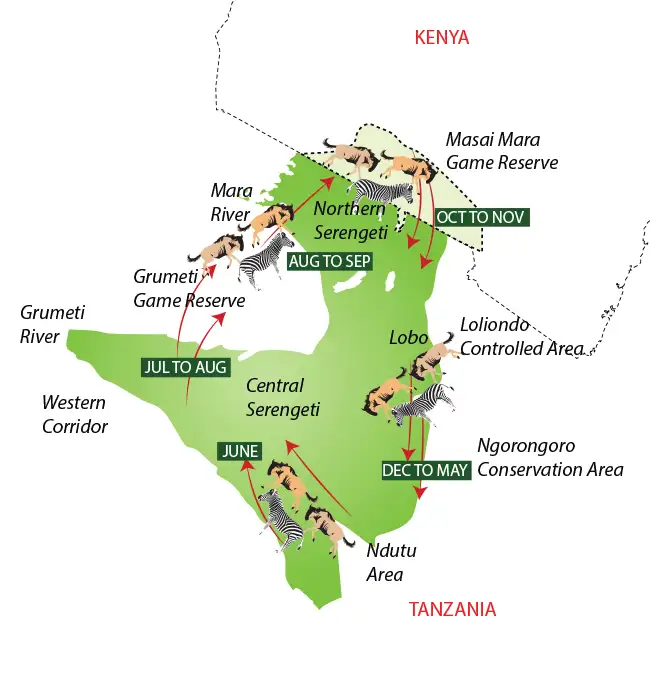
Get Your Custom ItineraryGreat Migration Map: Where Are the Herds Each Month?
Understanding the migration route helps you plan better. Here is a simple breakdown of where the herds are throughout the year:
The Great Migration
Each year, over 1.5 million wildebeest undertake one of nature's most spectacular journeys, traveling 800 kilometers in a clockwise circuit through Tanzania's Serengeti and Kenya's Masai Mara in search of fresh grazing and water.
Migration Timeline
How to Plan Your Great Migration Safari (Booking Tips)
Planning a Great Migration safari requires careful timing and preparation. Here is everything you need to know.
When to Book Your Safari
The timing of your booking depends significantly on when you plan to travel. For peak season, which runs from July through October, you’ll need to book 12-18 months in advance. This period sees top camps filling up very quickly, and prices reach their highest points during this time. You should expect to pay premium rates for the privilege of witnessing the migration at its most dramatic.
If you’re considering the shoulder season in April-May or November, you can book with a bit more flexibility, typically 3-6 months in advance. During these months, you’ll find better availability and more competitive prices. While the migration is more dispersed during this period, you’ll still have excellent opportunities to witness this remarkable natural phenomenon.
For those interested in the calving season from January through March, plan to book 6-12 months in advance. February is the most popular month during this period, so book earliest for this timeframe. The calving season offers a good balance of availability and pricing, making it an attractive option for many travelers.
How Long Should You Stay?
The duration of your safari dramatically affects your experience. A minimum stay of 3-4 days allows you to see one specific migration event in a limited geographic area, making it the most budget-friendly option. However, this shorter timeframe means you’ll have less flexibility if conditions aren’t ideal.
The recommended duration is 5-7 days, which enables you to experience multiple locations and increases your chances of witnessing dramatic events. This timeframe provides a more relaxed pace and offers better photography opportunities, as you won’t feel rushed between locations.
For an ideal experience, consider staying 8-10 days. This extended period allows you to combine multiple parks, including the Serengeti, Ngorongoro, and Tarangire. You’ll have the opportunity to see different stages of the migration, including cultural experiences with local communities, and even add a Zanzibar beach extension to unwind after your safari adventure.
Mobile Camps vs Permanent Lodges
Choosing between mobile tented camps and permanent lodges is one of the most important decisions you’ll make. Mobile tented camps follow the migration, ensuring you’re always in the best location to witness the action. These camps typically accommodate only 8-12 tents, providing a more intimate experience with an authentic safari atmosphere that places you closer to nature. However, they come with trade-offs: they’re more expensive, offer limited amenities (usually no pool or WiFi), can be less comfortable in bad weather, and require very early booking. Top mobile camps include Ubuntu Migration Camp, Olakira Migration Camp, and Serengeti Under Canvas.
Permanent lodges offer different advantages. They provide better amenities such as pools, WiFi, and reliable electricity, along with more comfortable accommodations. You’ll find a wider range of prices, and they’re easier to book last minute. The main drawback is their fixed location, which means the migration may be far away during certain months. They can also feel less authentic and are often larger, with 50-100 rooms, which means a less intimate experience. Excellent permanent lodge options include Moyo Tented Camp, Four Seasons Safari Lodge, Serengeti Serena, and Lemala Nanyukie.
Choosing a Tour Operator
Selecting the right tour operator is crucial for a successful safari. Look for licensed and registered operators with experienced guides who have 10+ years in the field. Check their reviews on TripAdvisor and SafariBookings, and ensure they offer transparent pricing with flexible payment terms. Verify that they have clear cancellation policies, include insurance, and use quality 4×4 vehicles with pop-up roofs.
When evaluating operators, ask important questions: How many years of experience do your guides have? What is your cancellation policy? Are park fees included in the price? What vehicle will we use? Can we customize the itinerary? Do you offer private safaris or group tours? What happens if we miss a river crossing? These questions will help you assess whether an operator meets your needs and expectations.
What to Pack for Great Migration Safari (By Month)
Essential Items (All Seasons)
Proper clothing is essential for comfort and safety. Choose neutral colors like khaki, brown, green, and beige, and avoid black and blue, which attract tsetse flies. Pack long-sleeved shirts for sun and insect protection, long pants for early morning and evening game drives, a wide-brimmed hat, comfortable walking shoes, and a light jacket or fleece since evenings can be cool.
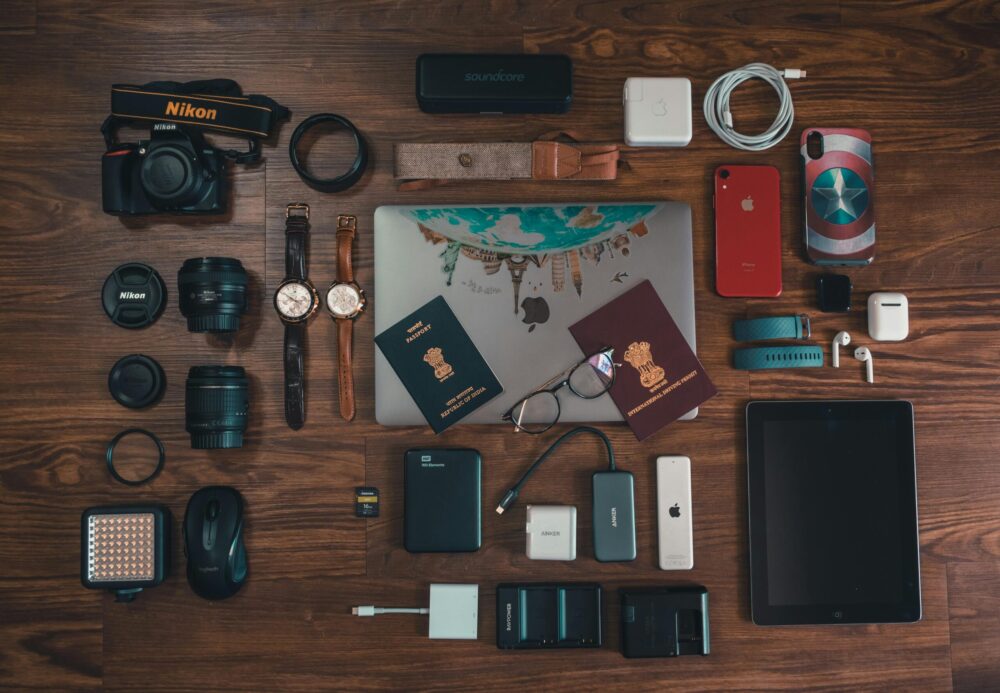
For gear, bring binoculars (8×42 or 10×42 recommended), a camera with a telephoto lens (400mm or longer), extra camera batteries and memory cards, a power bank or portable charger, polarized sunglasses, sunscreen (SPF 30 or higher), and insect repellent with at least 30% DEET.
Health and safety items should include antimalarial medication (consult your doctor first), a basic first aid kit, prescription medications, hand sanitizer, and personal toiletries.
Month-Specific Packing
For the calving season from January through March, pack light clothing as temperatures can be warm, along with a rain jacket for occasional short rains and extra camera cleaning supplies to handle dust.
During the long rains in April and May, you’ll need a waterproof rain jacket, waterproof bags for camera equipment, quick-dry clothing, and plastic bags to protect electronics.
The dry season from June through October requires warm layers for chilly early mornings, dust protection for your camera, lip balm for dry conditions, and extra sunscreen.
For the short rains in November and December, bring a light rain jacket, a mix of light and warm clothing, and waterproof bags for your gear.
Great Migration Safari Costs & Budget Planning
Safari costs vary widely based on season, accommodation type, and group size. Here is a general breakdown to help you plan.
Budget Ranges (Per Person, Per Day)
Budget safaris, ranging from $250-400 per day, include camping or basic lodges, group safaris with shared vehicles, standard meals, and simpler itineraries. This option works well for travelers who prioritize experiencing the migration over luxury accommodations.
Mid-range safaris cost $400-700 per day and feature comfortable tented camps or lodges, small group or private safaris, good meals included, and professional guides. This tier offers an excellent balance of comfort and value.
Luxury safaris, priced at $700-1,500 per day, provide high-end lodges or mobile camps, private vehicles and guides, all-inclusive packages including drinks and activities, and premium locations that put you in the heart of the action.
Ultra-luxury safaris start at $1,500 and can exceed $3,000 per day. These experiences feature exclusive camps and lodges, access to private conservancies, personal butler service, and special experiences like hot air balloons. Learn more about Tanzania safari costs.
Frequently Asked Questions (FAQs)
The best month depends on what you want to see:
- For calving season: February (peak calving with 8,000 births per day)
- For river crossings: August-September (most reliable Mara River crossings)
- For budget travelers: April-May or November (40% cheaper, fewer crowds)
- For photographers: February, June, or August-September (best light and action)
There is no single “best” month – every month offers something unique
Calving season happens from late December through March, with February being the peak month. During this time, about 8,000 wildebeest calves are born each day in the Southern Serengeti and Ndutu area. This creates incredible predator action as lions, hyenas, cheetahs, and leopards hunt the vulnerable newborns
The best time to see Mara River crossings is July through October, with August and September being the peak months. However, crossings are unpredictable. The herds may gather for days before crossing. Sometimes they cross multiple times per day in different locations. Patience and a good guide are essential.
Yes! The Great Migration is a year-round event. The herds never stop moving. However, what you see depends on the month:
- January-March: Calving in Southern Serengeti
- April-May: Movement through Central Serengeti
- June: Grumeti River crossings (Western Corridor)
- July-October: Mara River crossings (Northern Serengeti/Masai Mara)
- November-December: Return journey through Eastern Serengeti
Choose Tanzania if:
- You want to see calving season (Jan-Mar)
- You prefer fewer crowds
- You want better value for money
- You want to combine with other parks (Ngorongoro, Tarangire)
Choose Kenya if:
- You want to see iconic Mara River crossings (Aug-Oct)
- You have limited time (easier access from Nairobi)
- You prefer luxury accommodations
- You want compact viewing area (easier to find herds)
Best option: Combine both countries for the complete experience!
Minimum: 3-4 days to see one specific event Recommended: 5-7 days for better chances and multiple locations Ideal: 8-10 days to experience different stages and add other parks
Remember: River crossings are unpredictable. Staying longer increases your chances of witnessing one. We recommend at least 4-5 days in the Northern Serengeti during crossing season.
For peak season (July-October):
- Book 12-18 months in advance
- Best camps fill up quickly
- Prices increase as dates get closer
For calving season (January-March):
- Book 6-12 months in advance
- February requires earliest booking
For shoulder season (April-May, November):
- Book 3-6 months in advance
- Better availability
- More flexibility
Pro tip: The best mobile camps that follow the migration fill up first. Book as early as possible!
Most Tanzania safari packages are described as “all-inclusive” for safari activities, but this term can be misleading because significant expenses are typically excluded. Understanding exactly what’s included versus what costs extra prevents budget surprises and helps you compare operators fairly.
What’s typically INCLUDED in your safari package: All national park entrance fees for scheduled days, accommodation at specified lodges or campsites, three meals daily (breakfast, packed lunch for game drives, anddrives, and dinner), bottled drinking water during game drives, a professionala professional licensed safari guide throughout your trip, a 4×4 safari vehicle with pop-up roof for wildlife viewing and photography, airport transfers on arrival and departure days, government taxes, and tourism levies.
What’s typically NOT INCLUDED: International flights to Tanzania ($800-$2,500 depending on origin), a Tanzania tourist visa ($50-$100), comprehensive travel insurance including medical evacuation ($75-$200), tipping for guides and lodge staff ($200-$400 for a 7-day safari), optional activities like hot air balloon rides ($599), cultural village visits ($30-50), or walking safaris ($50-100), alcoholic beverages and soft drinks at lodges (except luxury safaris,($30-$50),($50-$100),safaris,safaris, which often include drinks), personal expenses like souvenirs and phone calls, pre-safari and post-safari accommodation unless specifically stated, and single supplement fees if you’re traveling alone (typically 30-50% extra).
The confusion often arises because “all-inclusive” means different things at different price points. Budget and mid-range safaris rarely include alcoholic drinks, while luxury safaris usually do. Some operators include one hot air balloon ride in luxury packages, while others charge extra. Domestic flights between parks might be included in fly-in safaris but are extra in standard driving safaris.
Pro tip for comparing safari quotes: Always request a detailed inclusions and exclusions list from each operator. Two safaris priced at $4,500 might have very different value if one includes airport hotels and the other doesn’t, or if one covers all drinks while the other charges separately. The cheapest quote isn’t always the best deal; understand exactly what you’re paying for before booking.
The best value A Tanzania safari is a 6-7 day Northern Circuit covering Tarangire, Serengeti, and Ngorongoro Crater during shoulder season (November or February) with mid-range accommodations, costing approximately $2,800-$4,800 per person. This combination delivers exceptional wildlife viewing, diverse ecosystems, reasonable comfort, and manageable costs without feeling rushed or sacrificing quality.
This itinerary works because it includes Tanzania’s three most iconic destinations while balancing cost and experience. Tarangire offers incredible elephant herds and massive baobab trees at a reasonable park fee ($49/day). The Serengeti provides the classic endless plains experience with abundant predators and the possibility of witnessing migration depending on the seasonA Tanzania ($83/day, but worth every cent). Ngorongoro Crater guarantees Big Five sightings, including rare black rhinos, in a unique collapsed volcano setting. Together, these three parks showcase Tanzania’s best without redundancy.
Shoulder season timing (November or February) reduces costs by 15-25% compared to peak season while maintaining excellent wildlife viewing. November brings short rains that barely impact game drives, green landscapes, and far fewer tourists. February features the spectacular calving season when hundreds of thousands of wildebeest give birth, attracting intense predator activity, arguably better than the more famous river crossings of July-September.
Mid-range accommodation strikes the perfect value balance: comfortable beds and private bathrooms after dusty game drives, quality meals with variety, smaller group sizes for better vehicle dynamics, and professional guides with extensive experience, all without the premium pricing of luxury properties. You’re paying for genuine comfort and quality without unnecessary extravagance.
Alternative excellent-value options include a 5-day safari focusing on Tarangire, Lake Manyara, and Ngorongoro during April or May (green season) for budget travelers willing to embrace afternoon rains, or a 4-day “crater highlands” safari hitting just Ngorongoro and Tarangire for those with limited time who want guaranteed Big Five viewing without Serengeti’s higher costs.
Yes, comprehensive travel insurance including emergency medical coverage and evacuation is absolutely essential for Tanzania safari and should be considered a non-negotiable part of your trip budget at $75-$200 for a 1-2 week trip. Safari activities take place in remote wilderness areas, often 4-6 hours from adequate medical facilities, where injuries or sudden illness require expensive emergency evacuation.
The critical coverage you need includes emergency medical treatment (standard policies often provide $50,000-$100,000), emergency medical evacuation by air ambulance to Nairobi or back to your home country (which can cost $50,000-$100,000 without insurance), trip cancellation and interruption coverage (protecting your $3,000-$15,000 safari investment if you must cancel for covered reasons), and coverage for adventure activities specifically including safari game drives.
Here’s the reality: if you break a leg on a bush walk, develop sudden altitude sickness at Ngorongoro Crater, or suffer a severe allergic reaction to an insect bite, you’ll need evacuation by flying doctor service to Nairobi’s modern hospitals. Without insurance, a medical evacuation alone can cost $50,000-$100,000. With proper insurance, it’s completely covered. That $150 insurance premium suddenly seems like the bargain of the century.
Standard travel insurance policies often exclude “adventure activities,” which can include safari game drives, even though they’re quite safe. When purchasing insurance, specifically confirm that safari activities, game drives, and travel in 4×4 vehicles in wildlife areas are covered. Reputable companies for safari travel insurance include World Nomads (popular with adventure travelers), SafetyWing (affordable for digital nomads), Allianz (comprehensive coverage), and IMG Global (specialized travel medical insurance).
Additional important coverage includes trip delay and missed connections (common with complex international routings), lost or delayed luggage (imagine arriving for your safari without your clothes and camera gear), and 24/7 emergency assistance services that can help coordinate care when you’re far from home. Read the fine print, some policies have maximum age limits, pre-existing condition exclusions, or specific requirements for coverage to apply.
Spread the Love, Share with Others
Tanzania Travel Guide
No posts found!
Explore Our Tours

Get Your Custom Safari Itinerary
Contact Information
Looking for a Tanzania safari? Talk to our Tanzania expert and plan your perfect trip!