
4 Days Mount Meru Climb Tanzania | Best Meru Trekking Package | Kilimanjaro Acclimatization
- Mount Meru
Tour Overview
Experience the ultimate Mount Meru climbing adventure with our recommended 4-day itinerary, offering superior acclimatization, reduced physical strain, and more time to immerse yourself in the stunning natural beauty of Tanzania’s second-highest mountain. This premium trekking package is ideal for climbers seeking the best possible summit success rate (95%+) while enjoying the journey at a comfortable, sustainable pace.
The 4-day Mount Meru climb route splits the long summit day descent, allowing you to fully appreciate the diverse ecosystems, wildlife encounters, and spectacular volcanic landscapes that make Mount Meru truly special. This itinerary is perfect for first-time high-altitude trekkers, photographers, wildlife enthusiasts, and anyone planning to climb Mount Kilimanjaro afterward.
Difficulty Level: Moderate to Challenging
Summit Success Rate: 95%+ (highest among all routes)
Summit Altitude: 4,566m (14,980 ft) – Socialist Peak
Total Distance: 45km round trip
Best Time: January-March & June-October
Accommodation: Mountain huts with better rest opportunities
Ideal For: Optimal acclimatization & Kilimanjaro preparation
DAY-BY-DAY DETAILED ITINERARY
Elevation: 1,500m to 2,514m
Distance: 10km
Hiking Time: 4-5 hours
Habitat: Grassland savannah & montane rainforest
Meals: Lunch & Dinner
Morning Departure: Your Mount Meru expedition begins with pickup from your Arusha hotel (1 hour to trailhead) or Moshi accommodation (2.5 hours). Travel through scenic northern Tanzania landscapes, passing local villages and coffee plantations en route to Arusha National Park.
Momella Gate Registration (1,500m): Arrive at Momella Gate, the official entry point to Arusha National Park and starting point of all Mount Meru treks. While your lead guide completes registration with Tanzania National Parks (TANAPA), meet your support team: assistant guide, armed park ranger, cook, and porters.
Your guide will conduct a gear check, ensuring everyone has appropriate equipment. The armed ranger will brief the group on wildlife safety protocols—essential as you’ll be trekking through habitat with potentially dangerous animals.
The Wildlife Safari Trek Begins: The first hour traverses open grassland savannah and acacia woodland – essentially a walking safari through Arusha National Park. Wildlife viewing opportunities are exceptional, with almost guaranteed sightings of:
- Giraffes – The park hosts the world’s largest population
- Cape Buffaloes – Often seen in herds grazing peacefully (keep respectful distance)
- Zebras – Frequently encountered near the lower slopes
- Warthogs – Comical residents of the grasslands
- Bushbucks – Elegant small antelopes
- Dik-diks – Tiny antelopes in the undergrowth
With luck, you might also spot elephants, waterbucks, or even the elusive leopard.
Into the Rainforest: Cross the crystal-clear Ngare Nanyuki River via a wooden bridge and begin ascending into magnificent montane rainforest. The temperature drops noticeably as you enter the forest canopy, where dappled sunlight filters through giant trees.
Stop to admire Tululusia Falls, where water cascades down moss-covered rocks. The trail passes beneath the famous “Arched Fig Tree” – an enormous strangler fig that has created a natural tunnel wide enough to accommodate an elephant (or Land Rover).
Forest Life: The ancient forest is alive with biodiversity. Watch for:
- Black-and-white Colobus Monkeys – Distinctive long white tails, leaping gracefully through canopy
- Blue Monkeys – Smaller, more curious primates
- Over 400 Bird Species – Including turacos (brilliant green), Hartlaub’s turacos, silvery-cheeked hornbills, crowned eagles
- Endemic Plants – Giant ferns, wild orchids, African violets, pink impatiens
The forest floor is carpeted with ferns and wildflowers. Your ranger will point out medicinal plants used by local communities and explain the forest ecology.
Arrival at Miriakamba Hut (2,514m): Reach Miriakamba Hut in the late afternoon. This comfortable mountain hut accommodates climbers in dormitory-style bunk rooms (4-8 beds per room). Mattresses and pillows provided; you supply your sleeping bag.
Evening Activities: After settling in, hot drinks and snacks await in the dining hut. With remaining daylight, consider a short acclimatization walk to explore the Meru Crater Plain – an open meadow where wildlife congregates at dusk. The nearby Njeku Viewpoint offers panoramic views, including distant waterfalls.
As the sun sets, temperatures drop significantly. Enjoy a hearty dinner prepared by your mountain cook – typically soup, a main course with vegetables/carbohydrates, and dessert. Your guide conducts an evening briefing covering tomorrow’s route and altitude considerations and answers questions.
Overnight: Miriakamba Hut (2,514m)
Elevation: 2,514m to 3,570m (Little Meru: 3,820m)
Distance: 6km + 2km (Little Meru round trip)
Hiking Time: 3-4 hours + 1.5 hours Little Meru
Habitat: Heather & moorland zone
Meals: Breakfast, Lunch & Dinner
Morning Ascent: After breakfast and packing (porters handle your main bag), begin ascending through increasingly sparse vegetation. The trail initially passes through beautiful forest glades with magnificent flora including pink impatiens and Sodom’s apple trees.
Emerge from treeline into heather and moorland zone – a stunning transition zone where giant heather bushes, everlasting flowers, and unique high-altitude plants dominate. The landscape opens dramatically.
Mgongo wa Tembo (Elephant’s Back): At this prominent rest stop and viewpoint, pause to appreciate spectacular views over the Meru Crater Plain below, with the ash cone rising majestically from the crater floor. Behind you, on clear days, Mount Kilimanjaro appears on the eastern horizon – an inspiring preview for those planning to climb it.
Climbing the Saddle: The path steepens considerably, zigzagging up the ridge of the saddle. In places, wooden steps assist on slippery sections. Your guide maintains a slow, steady pace – “pole pole” (Swahili for “slowly slowly”) – crucial for acclimatization.
Wildlife sightings are still possible – elephants occasionally venture to this altitude, though encounters are rare. More commonly, spot klipspringers (small rock-dwelling antelopes) bounding across rocky outcrops and mountain reedbucks grazing in moorland meadows.
Views Intensify: As you climb higher, increasingly dramatic views unfold:
- Meru Crater – The massive horseshoe-shaped caldera becomes visible
- Ash Cone – A near-perfect volcanic cone rising from the crater floor
- Little Meru – The northern summit of the crater rim
- Mount Kilimanjaro – Ever more impressive as you gain altitude
- Arusha Plains – Stretching to the horizon below
Arrival at Saddle Hut (3,570m): Reach Saddle Hut around midday. This hut sits in a spectacular location on the saddle between Little Meru and the main summit ridge, with commanding views in all directions. After hot lunch, you have a crucial decision.
Acclimatization Hike to Little Meru (3,820m) – HIGHLY RECOMMENDED: This afternoon acclimatization trek is optional but strongly advised. The principle “climb high, sleep low” significantly improves summit success rates by helping your body produce more red blood cells and adjust to reduced oxygen.
The path to Little Meru climbs 250m over 1km, taking 45-60 minutes. Though tiring at this altitude, the rewards are immense:
- 360° Summit Views – Kilimanjaro, the crater, Arusha town, surrounding plains
- Acclimatization Benefit – Dramatically improves your chances of summiting tomorrow
- Sunset Magic – If timed right, witness spectacular sunset colors over Kilimanjaro
- Wildlife – Possible sightings of klipspringers and mountain reedbucks
Return to Saddle Hut (30-45 minutes descent) with improved acclimatization and increased confidence.
Evening Preparation: Dinner served early (5-6 PM). Your guide conducts a thorough summit-day briefing:
- Wake-up time (midnight-1 AM)
- Required gear and clothing layers
- Trail conditions and exposed sections
- Signs of altitude sickness to watch for
- Emergency protocols
- Expected timeline
Check your headlamp batteries, organize summit clothing, fill water bottles, and prepare energy snacks. Though you’ll attempt to sleep by 7-8 PM, altitude and excitement often make this challenging. Rest is more important than sleep.
Overnight: Saddle Hut (3,570m)
Elevation: 3,570m to 4,566m to 2,514m
Distance: 5km ascent + 14km descent
Hiking Time: 4-5 hours ascent + 3-4 hours to Miriakamba
Habitat: Alpine desert to moorland to forest
Meals: Early breakfast, packed snacks, lunch at Saddle Hut, dinner at Miriakamba
Summit Night Begins (Midnight-1 AM): Rouse yourself from restless sleep at midnight. Hot tea/coffee, biscuits, and light breakfast (many climbers have little appetite due to altitude). Dress in full summit gear – multiple layers as temperatures plunge to -10°C to -15°C at the summit.
The Dark Ascent: Begin around 1-2 AM under brilliant star-filled African skies. The trail initially climbs steeply through scrubland and alpine desert vegetation, navigating loose scree and volcanic rocks. Your headlamp creates a small sphere of light in the profound mountain darkness.
The climb is mentally and physically challenging – steep gradient, thin air (40% less oxygen than sea level), cold temperatures, and darkness all test your resolve. Your guide sets a slow, rhythmic pace: “Pressure, pressure” (Swahili for “slowly slowly”). Focus on your breathing and placing one foot ahead of the other.
Rhino Point (3,820m) – Dawn’s First Light: After 1.5-2 hours of steady climbing, reach Rhino Point just as the eastern horizon begins to glow. This psychological milestone offers:
- A chance to catch your breath and refuel
- First light revealing your surroundings
- Encouragement – you’ve completed the steepest section
- Views beginning to emerge from darkness
Remove one clothing layer as your body warms from exertion.
The Crater Rim Ridge: The trail now follows the dramatic crater rim – a narrow, exposed path with sheer 1,500m drops into the crater on your right and steep slopes on your left. Some sections require easy scrambling over rocks (non-technical but requiring care).
This exposed ridge can be windy. In rare icy conditions or strong winds, your guide may decide it’s unsafe to continue – safety always overrides summit ambitions.
Cobra Point (4,350m): Pass Cobra Point as sunrise approaches. The sky transforms through purple, pink, and orange hues. The ash cone, 1,500m below in the crater, becomes visible – one of Africa’s most spectacular volcanic features.
Socialist Peak Summit (4,566m) – Sunrise Glory: Arrive at Socialist Peak, Mount Meru’s highest point, as the sun rises behind Mount Kilimanjaro. This is the moment every step has led to:
The Summit Experience:
- Mount Kilimanjaro – Africa’s highest peak glows golden in sunrise, dominating the eastern horizon just 70km away
- The Crater – The massive horseshoe caldera spreads 3.5km wide below, with the ash cone rising from its floor
- 360° Panorama – Northern Tanzania plains, Arusha town, Kenya’s border in distance, endless African horizons
- Emotional Release – Many climbers experience overwhelming emotions – tears of joy, relief, accomplishment
- Summit Photos – Group shots, individual portraits, creative angles – capture your triumph
Despite exhaustion, cold, and thin air, savor these precious moments. You’ve achieved something remarkable – standing on Africa’s fifth-highest mountain at 4,566m.
Summit Time: Usually 20-30 minutes (cold and altitude limit longer stays)
The Descent Begins: Begin the careful descent along the crater rim back toward Rhino Point. Descending is tough on knees and requires concentration – loose scree is slippery, and fatigue increases stumble risk. Use trekking poles if you have them.
The descent reveals perspectives missed in darkness:
- Full appreciation of the dramatic crater geology
- Wildlife possibly spotted below – klipspringers, mountain reedbucks
- Kilimanjaro’s massive presence throughout the descent
- The stunning landscapes you climbed through in darkness
Return to Saddle Hut: Arrive back at Saddle Hut (2-3 hours from summit), where hot lunch awaits – you’ll be ravenously hungry now. Rest for 1-2 hours, as this is the key advantage of the 4-day itinerary.
Descent to Miriakamba Hut: After sufficient rest, continue descending to Miriakamba Hut (2-3 hours). This descent retraces yesterday’s route through moorland and forest, offering:
- More comfortable breathing as oxygen increases
- Different lighting and perspectives
- Renewed energy after the summit achievement
- Better wildlife viewing opportunities
Evening at Miriakamba Hut: Arrive at Miriakamba Hut in late afternoon, where you’ll spend a second night. This is vastly more comfortable than completing the full descent to Momella Gate in one exhausting day (as on the 3-day route).
Celebrate your summit success with a proper dinner and good rest. The forest altitude (2,514m) feels luxuriously oxygen-rich after spending time above 3,500m.
Overnight: Miriakamba Hut (2,514m)
Elevation: 2,514m to 1,500m
Distance: 10km
Hiking Time: 2-3 hours
Habitat: Montane forest & grassland savannah
Meals: Breakfast & packed lunch
Morning Departure: Wake naturally to forest birdsong – no predawn alarm today! Enjoy a leisurely breakfast and pack your belongings. Begin descending around 8-9 AM.
Alternative Route Option: Many 4-day itineraries take a different descent route, offering new perspectives and maximizing wildlife viewing:
The trail skirts the outer edge of the Meru Crater Plain, passing:
- Kitoto Viewpoint – Stunning panoramic vista over the plains and Kilimanjaro
- Alternative Forest Paths – Different tree species and ecosystems
- Enhanced Wildlife Zones – Areas where animals congregate
This “Northern Route” descent is longer (additional 2-3km) but gentler gradient and more scenic.
Wildlife Finale: The final descent through grassland savannah offers last opportunities for wildlife photography:
- Giraffes – Often very close to the trail, providing excellent photo ops
- Buffaloes – Commonly seen in herds
- Zebras, warthogs, bushbucks – Frequently encountered
- Birdlife – Exceptional diversity
Your ranger ensures safe passage through these wildlife areas.
Arrival at Momella Gate: Reach Momella Gate mid-morning to midday. Sign out with park authorities and complete exit formalities. This is the traditional time for:
Tipping Ceremony: Gather your mountain crew (guides, ranger, porters, cook) for the tipping ceremony. Recommended tips for 4-day climb:
- Lead Guide: $60-80
- Assistant Guide: $40-50
- Cook: $40-50
- Armed Ranger: $30-40
- Porter (per porter): $30-40
- Total: $200-250 for full team
Your crew has worked hard to ensure your safety, comfort, and success. Tips are their primary income source and deeply appreciated.
Celebration & Departure: Receive your Mount Meru summit certificate (if operator provides). Take final group photos with your team. Transfer back to Arusha (1 hour) or Moshi (2.5 hours), where hot showers and comfortable beds await.
Most climbers opt for a celebratory dinner in town – you’ve earned a proper feast! If combining with Kilimanjaro, you’ll typically have 1-2 rest days before beginning that climb.
| 1 Pax | 2 Pax | 3 Pax | 4 Pax | 5+ Pax | Number of People |
|---|---|---|---|---|---|
| $1225 | $1078 | $1020 | $1008 | $999 | Price Per Person |
| Here are some important things to know and prepare before your climb. These tips will help you stay safe, respectful, and ready climb Mount Kilimanjaro with a full confidence. | |
| Recommended Gear to Rent | Sleeping bag (rated for -10°C), trekking poles, waterproof duffel, gaiters, headlamp |
|---|---|
| Health & Altitude Tips | Acclimatize slowly, drink 3–4L water daily, carry Diamox if needed, avoid alcohol |
| Visa & Entry Info | Tourist visa required for most nationalities; available online or on arrival at airport |
| Local Etiquette | Greet with “Jambo,” dress modestly in towns, tipping guides/porters is customary |
| Photo Tips | Capture sunrise at Miria Kamba Hut wide shots at Maount Kilimanjaro view, and summit flags at Socialist Peak |
| If you're interested in gear add-ons, please let us know in advance so we can prepare everything before your climb. | |
| Add-on | Price (USD) |
|---|---|
| Private Toilet | $150 |
| Private Tent | $7/day |
| Kailas X3 III Alpine Tent with Vestibule | $12/day |
| Thicker Sleeping Mattress (4-inch foam) | $10 |
| Thermosets | $17 |
| We offer airport pickup and drop-off services from Kilimanjaro International Airport (JRO) or Arusha Airport. Please confirm your flight details in advance so we can coordinate your arrival and departure smoothly. | |
| Airport Pickup | Available on request |
|---|---|
| Transfers to/from Hotel | Included in most packages |
| Private Vehicle Upgrades | Available for an extra charge |
| Tipping is customary and greatly appreciated by the crew. Below are suggested amounts based on group size and duration. | |
| Lead Guide | $20–25 per day |
| Assistant Guide | $15–20 per day |
| Cook | $10–15 per day |
| Porter | $8–10 per day |
| Tips are usually collected and distributed at the end of the trek. You can give them in cash (USD or Tanzanian Shillings) or through a group representative. | |
Inclusions
What's Included
- Professional, licensed mountain guide
- Hut accommodation (Miriakamba & Saddle)
- Armed park ranger escort
- Experienced porters (carrying group equipment)
- Mountain cook and nutritious meals
- Safety equipment, including an oxygen tank and portable altitude chamber (PAC) for the entire climb.
- Camping equipment, including top-quality mountain tents and standard bathroom facilities.
- All park fees and government taxes
- Portable toilet (shared)
- Drinking water on the mountain
- Transfer from/to Arusha or Moshi
- Flying Doctors Evacuation within the area.
- Mattresses, and tents.
What's Excluded
- International flights (From/to your home country)
- Tips for your guide, cook and crew.
- Personal items (Souvenirs, travel insurance, visa fees, etc.)
- Government-imposed increase of taxes and/or park fees
- Extra accommodation before and after tour
- Beverages, laundry, personal gear or clothing rental, etc.
- Extra activities not mentioned on the itinerary
- Any charges resulting from an early descent, such as additional hotels, transfers, etc. (This applies if a guest descends before finishing the climb.)
4-DAY ADVANTAGES - Why Choose the 4-Day Itinerary:
- Superior Acclimatization: Extra day allows your body to adjust properly, increasing summit success rate from 85% (3-day) to 95%+ (4-day)
- Reduced Physical Strain: Splitting the summit day descent dramatically reduces exhaustion and knee stress
- Enhanced Enjoyment: More time to appreciate wildlife, scenery, and the overall experience rather than racing against the clock
- Better Photography: Relaxed pace allows quality photos and full appreciation of landscapes
- Increased Safety: Lower risk of altitude sickness and exhaustion-related accidents
- Perfect Kilimanjaro Prep: Optimal acclimatization for those continuing to Kilimanjaro within 1-2 weeks
- Recovery Time: Second night at Miriakamba allows proper recovery before descent
- Age-Friendly: More suitable for climbers 50+ or those with moderate fitness levels
Who Should Choose 4-Day Route:
- First-time high-altitude trekkers
- Those without recent altitude experience
- Climbers planning to attempt Kilimanjaro
- Photographers and wildlife enthusiasts
- Those prioritizing comfort and success over speed
4-Days Mount Meru Climb Tanzania
Group size: 1–15 climbers
Private or group departures available
Why Travel With Us
- 100% Tailor-Made Trips
- Expert Local Knowledge
- Trusted & Reliable Service
- Experienced Mountain Guides
- Best Price Guarantee
- 24/7 Customer Support
- No Booking Fees
- Secure & Safe Travel
| Route Name | Momella Route (Only Route) |
|---|---|
| Duration | 4 Days / 3 Nights |
| Hiking Time | 3–5 hours per day (4-5 hours summit, 6-8 hours descent) |
| Distance | Approximately 45 km (28 miles) round trip |
| Elevation Range | 1,500 m – 4,566 m (4,921 ft – 14,980 ft) |
| Climate Zones | Grassland Savannah → Rainforest → Moorland → Alpine Desert |
| Difficulty | Moderate to Challenging |
| Success Rate | Excellent, approximately 95%+ |
| Minimum Age | 16 years recommended (12+ with exceptional fitness) |
| Accommodation Type | Mountain huts with dormitory bunk beds |
| Summit Start Time | Midnight to 1:00 AM from Saddle Hut |
| Route Type | Out-and-back (same trail for ascent and descent) |
| Best Season | Jan–Mar & Jun–Oct |
|---|---|
| Accommodation | Mountain huts with bunk beds |
| Meals | Breakfast, lunch & dinner |
| Guide & Crew | Professional guides, cooks & porters |
| Start Point | Momella Gate, Arusha National Park |
| End Point | Momella Gate, Arusha National Park |
| Armed Ranger | Mandatory throughout the trek |
| Includes | Park fees, hut accommodation, meals, guides |
| Excludes | Flights, visas, tips, personal gear |
Request a Quote
Contact Information
Looking for a Tanzania safari? Talk to our Tanzania expert and plan your perfect trip!
- +255 766 633 052
- +255 626 058 246
- info@exceptionaltravelexpert.com
No posts found!
Other Recommended Trips
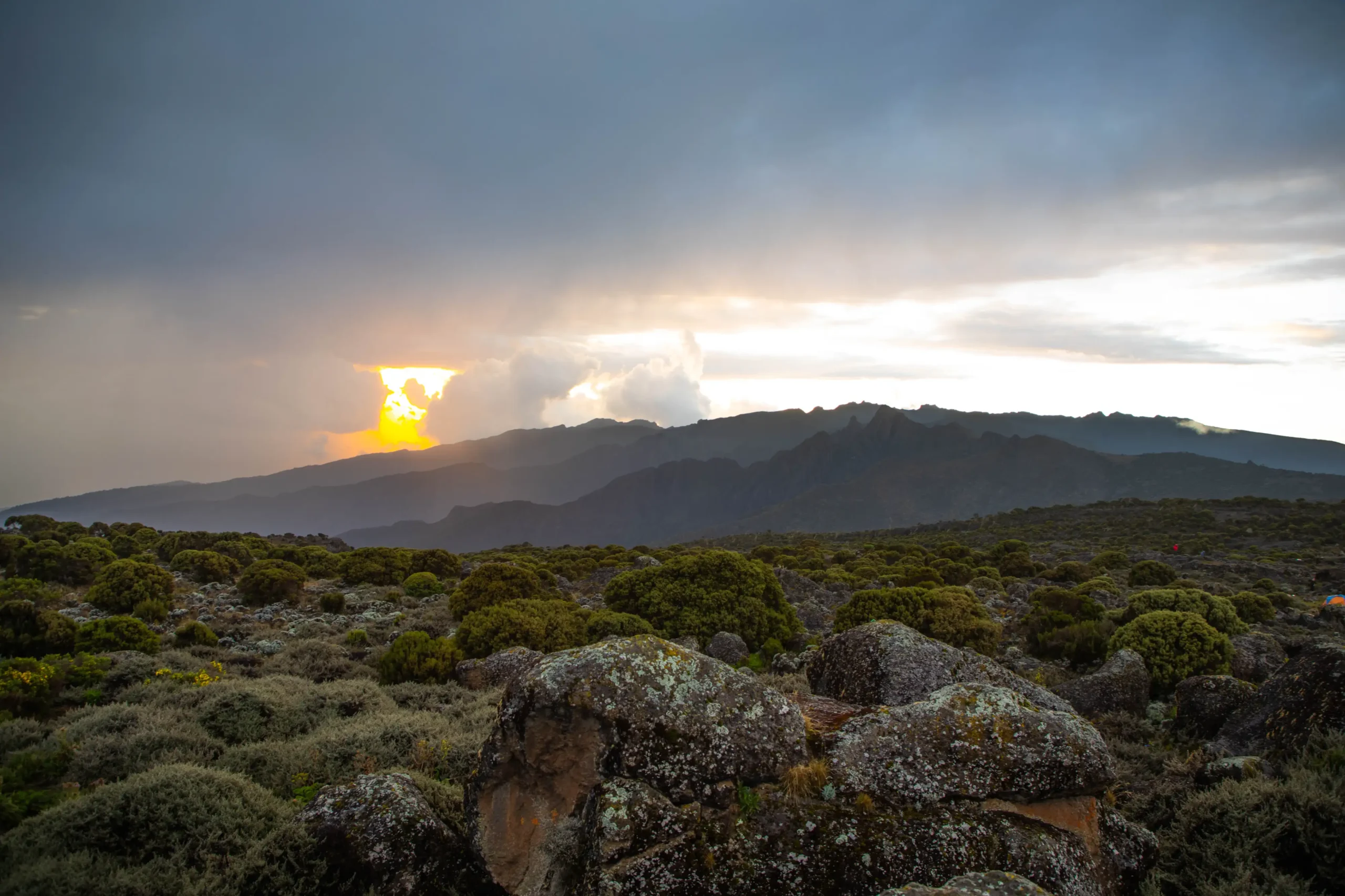
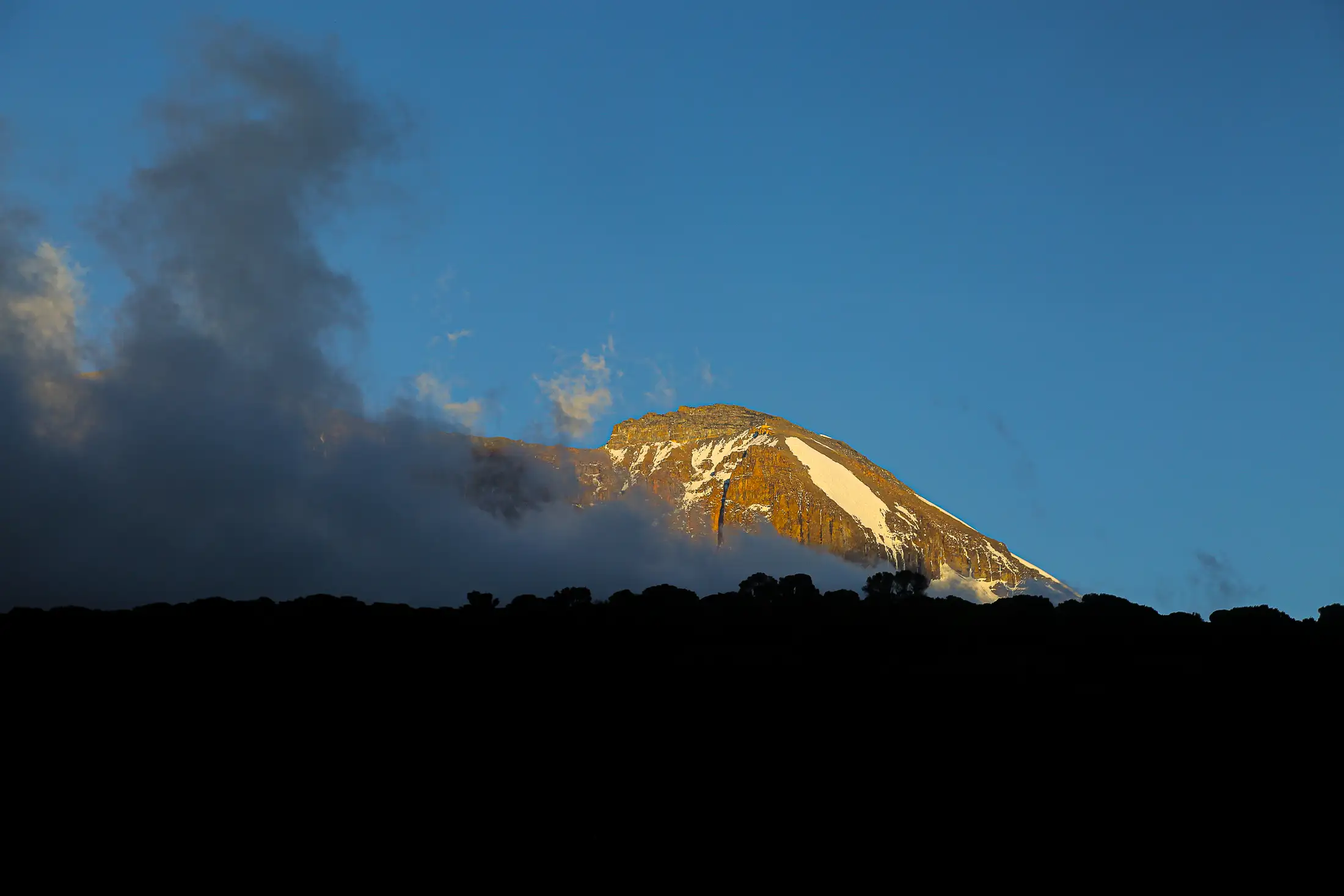
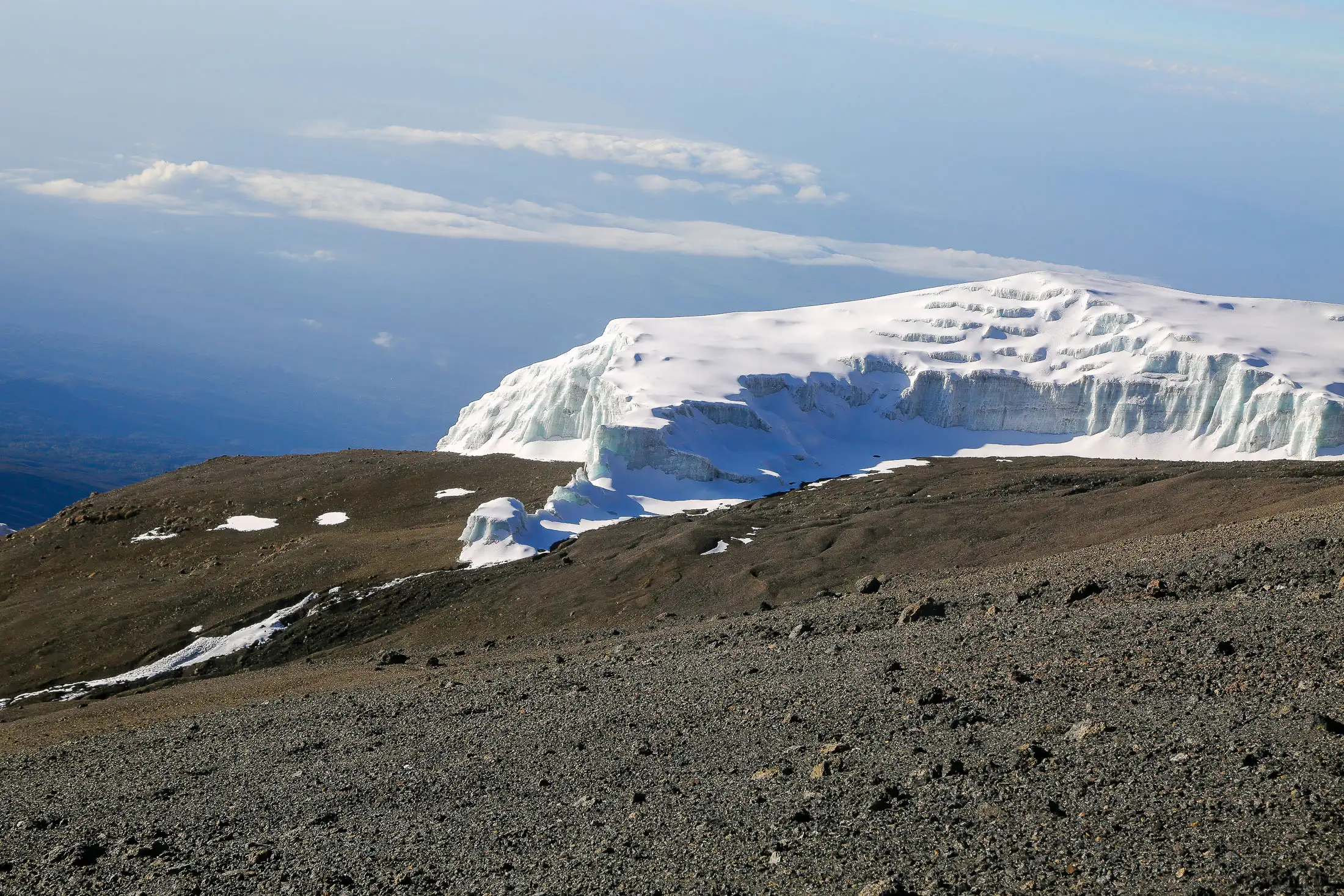
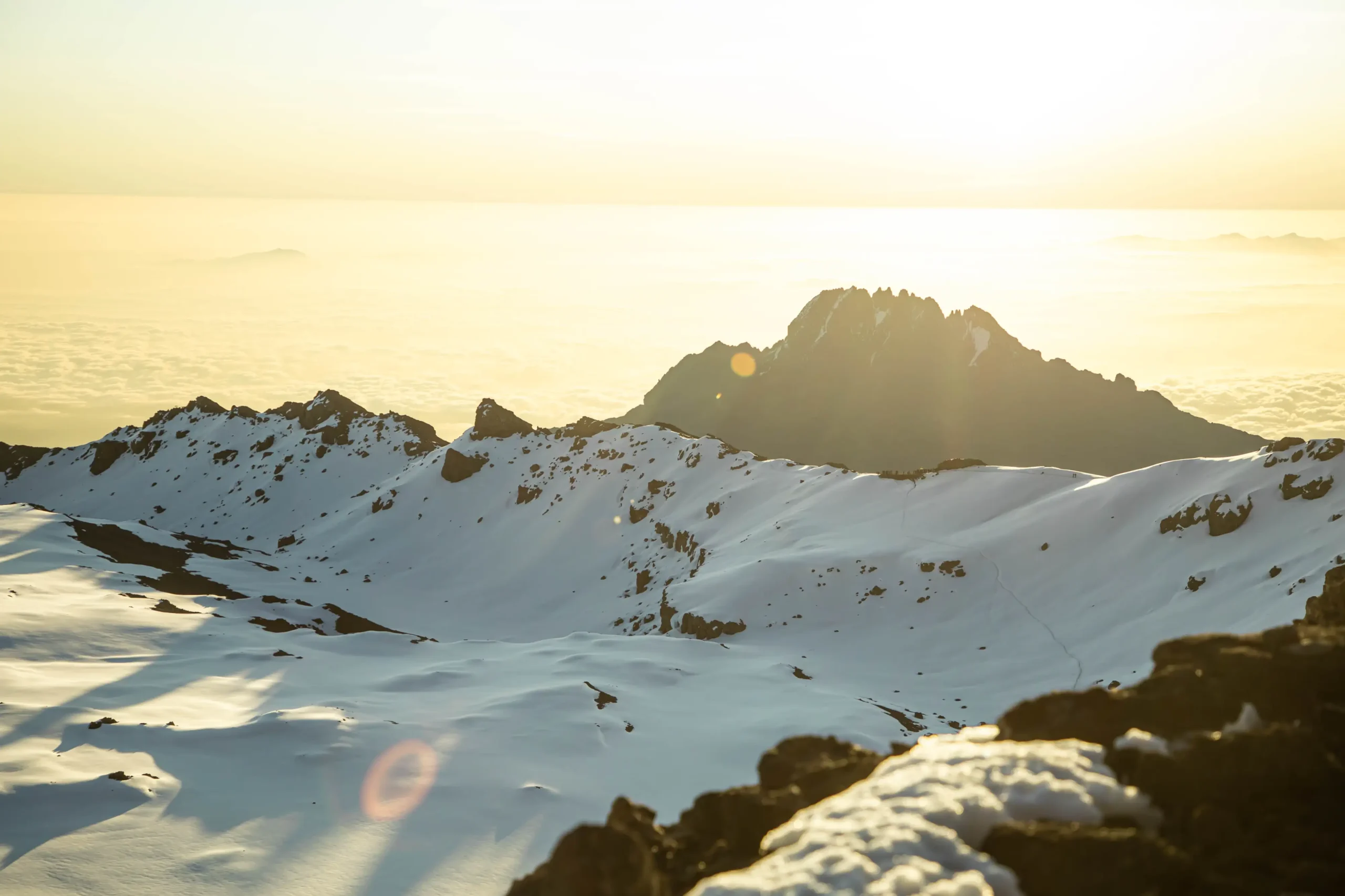
Looking for a different routes to climb Kilimanjaro? There are several routes to choose from. Each one offers its own views, pace, and experience. Some are quieter, some give more time to adjust to the altitude, and some are quicker to the summit. You can pick the route that fits your style best. Here are a few other popular options that many guests enjoy.
- 7D 6N
- 2 Person
- Trekking
- 7D 6N
- 2 Person
- Trekking
- 7D 6N
- 2 Person
- Trekking
- 6D 5N
- 2 Person
- Trekking
Are you looking for a private safari for your dates? Speak to our Tanzania safari specialist to start planning your tailor-made holiday safari for your dates!
Send your inquiry now and our safari experts will reach out within 24 hours! Let’s begin planning your Tanzania safari!

FAQs
Mount Meru Climbing - Frequently Asked Questins
FAQ: GET ANSWERS
Mount Meru is Tanzania’s second-highest mountain and Africa’s fifth-highest peak, standing at 4,566 meters (14,980 feet). It’s a dormant stratovolcano located within Arusha National Park, approximately 70 kilometers west of Mount Kilimanjaro. The mountain features a dramatic horseshoe-shaped crater formed by a massive volcanic eruption around 8,000 years ago.
Mount Meru offers several compelling reasons:
- Spectacular scenery – Volcanic crater, ash cone, and panoramic views including Mount Kilimanjaro
- Wildlife encounters – See giraffes, buffaloes, elephants, colobus monkeys, and over 400 bird species
- Less crowded – Only about 5,000 climbers annually vs. 50,000 on Kilimanjaro
- Perfect acclimatization – Ideal preparation for Kilimanjaro (reduces altitude sickness risk by 30-40%)
- Standalone adventure – Incredible trek in its own right, not just a “warm-up”
- More affordable – Costs $800-$1,500 vs. $1,500-$5,000 for Kilimanjaro
- Cultural experience – Walking safari through Arusha National Park with armed rangers
Absolutely! Mount Meru is one of the best acclimatization treks before attempting Kilimanjaro. Climbing Meru 1-2 weeks before Kilimanjaro:
- Allows your body to adapt to altitudes up to 4,566m
- Increases red blood cell production for better oxygen transport
- Reduces risk of altitude sickness on Kilimanjaro by 30-40%
- Lets you practice with gear and hiking at altitude
- Enables shorter Kilimanjaro routes (5-6 days instead of 7-8 days)
- Builds mental confidence for the bigger challenge
Mount Meru can be climbed in either:
- 3 days / 2 nights – Minimum duration, challenging, very long summit day
- 4 days / 3 nights – Recommended, better acclimatization, higher success rate
The 4-day itinerary is strongly recommended as it:
- Provides superior acclimatization (95%+ summit success vs. 85% for 3-day)
- Splits the exhausting summit day descent
- Allows more time for wildlife viewing and photography
- Reduces physical strain and altitude sickness risk
There is only one official climbing route – the Momella Route. It starts at Momella Gate (1,500m) on the eastern side of the mountain and ascends along the northern rim of the crater to Socialist Peak (4,566m), the summit.
The route passes through:
- Grassland savannah (wildlife viewing)
- Montane rainforest (primates and birds)
- Moorland and heather zone
- Alpine desert (summit approach)
Both ascent and descent follow the same trail (out-and-back route).
3-Day Itinerary:
- Day 1: Momella Gate → Miriakamba Hut (4-5 hours, 10km)
- Day 2: Miriakamba → Saddle Hut + Little Meru acclimatization (3-4 hours + 1.5 hours)
- Day 3: Summit attempt → Descent to Momella Gate (12-15 hours, 24km)
4-Day Itinerary:
- Day 1: Momella Gate → Miriakamba Hut (4-5 hours, 10km)
- Day 2: Miriakamba → Saddle Hut + Little Meru acclimatization (3-4 hours + 1.5 hours)
- Day 3: Summit attempt → Descent to Miriakamba (8-10 hours, 19km)
- Day 4: Miriakamba → Momella Gate (2-3 hours, 10km)
Summit attempts begin between midnight and 1:00 AM from Saddle Hut (3,570m). You’ll climb in darkness using headlamps, reaching the summit at sunrise (around 6-7 AM) for spectacular views as the sun rises behind Mount Kilimanjaro.
Mount Meru is rated as moderate to challenging. Key difficulty factors:
Physical Challenges:
- Steep, sustained ascents (especially summit day)
- Long hiking days (4-5 hours daily, 12-15 hours on summit day for 3-day route)
- Total distance: 43-45km over 3-4 days
- Altitude gain from 1,500m to 4,566m
Technical Challenges:
- No technical climbing skills required (it’s a trek, not a climb)
- Some easy scrambling on exposed crater rim
- Loose volcanic scree on summit approach
- Narrow ridge sections with exposure
Altitude Challenges:
- Rapid elevation gain can cause mild altitude symptoms
- 40% less oxygen at summit than sea level
- Summit elevation of 4,566m is enough to cause AMS
Tipping is customary and an important part of your crew’s income. Recommended amounts for entire trek:
4-Day Trek Total: $200-250
- Lead Guide: $60-80
- Assistant Guide (if applicable): $40-50
- Cook: $40-50
- Armed Ranger: $30-40
- Porter (per porter): $30-40 each
3-Day Trek Total: $150-200 (Slightly lower as shorter duration)
Tips:
- Pool tips from your group and present in a group ceremony
- Place tips in individual envelopes labeled with each person’s role
- Present on final day at Momella Gate
- USD is preferred, but Tanzanian Shillings acceptable
- Consider crew’s hard work – they carry heavy loads, cook, ensure your safety
Mount Meru has two distinct dry seasons offering the best conditions:
PRIMARY SEASON (June to October):
- Best Overall Conditions
- Dry trails, clear skies, excellent visibility
- Cooler temperatures (more comfortable hiking)
- Best views of Mount Kilimanjaro
- Peak season – busier trails but still far less crowded than Kilimanjaro
- Higher accommodation/tour prices
SECONDARY SEASON (January to March):
- Best for Wildlife
- Warm, dry conditions with clear skies
- Peak wildlife viewing (migration season)
- Spectacular sunrise views
- Less crowded than June-October
- Warmer summit temperatures (slightly easier)
SHOULDER SEASONS:
- December: Transition period, generally good but occasional rain
- April-May: Heavy rainy season – NOT RECOMMENDED (muddy trails, poor visibility, higher altitude sickness risk)
- November: Short rains – Fair conditions but afternoon showers possible
Mount Meru uses mountain huts (not tents), providing better shelter and comfort:
Miriakamba Hut (2,514m):
- Capacity: 60 people
- Dormitory-style bunk beds (4-8 people per room)
- Mattresses and pillows provided
- Communal dining hall
- Flush toilets and running water
- Solar lighting
Saddle Hut (3,570m):
- Capacity: 48 people
- Dormitory-style bunk beds (4-8 people per room)
- Mattresses provided
- Dining area
- Pit latrines
- Limited water (conservation required)
- No electricity
What to Bring:
- 4-season sleeping bag (rated to -10°C/-15°C) – MANDATORY
- Sleeping bag liner (adds warmth and hygiene)
- Small pillow or pillowcase
- Headlamp (for nighttime bathroom visits)
- Earplugs (for snoring roommates!)
What about toilets and washing?
Miriakamba Hut:
- Flush toilets
- Running cold water for washing
- Basic but functional facilities
Saddle Hut:
- Pit latrines (long-drop toilets)
- Limited water for washing
- Cold water only
Summit Day:
- Pit toilets at Saddle Hut before departure
- No facilities on trail (go before you leave!)
- Some groups carry portable toilet (optional extra)
Hygiene Tips:
- Bring wet wipes and hand sanitizer
- Pack out all toilet paper in ziplock bags
- Minimal washing opportunities – embrace the adventure!
FAQ: GET ANSWERS
For 3-Day Trek: Excellent cardiovascular fitness required
- Comfortable hiking 10+ km with 1,000m elevation gain
- Regular cardio training (running, cycling, hiking) 4-5 times per week
- Can hike continuously for 6-8 hours
- Previous multi-day trekking experience strongly recommended
For 4-Day Trek: Good to very good fitness required
- Comfortable hiking 8-10 km with 500-800m elevation gain
- Regular cardio training 3-4 times per week
- Can hike continuously for 4-6 hours
- Some hiking experience helpful but not essential
Recommended 2-3 Month Training Plan:
Cardiovascular Training (4-5 days/week):
- Long hikes with elevation gain (weekends)
- Running, cycling, or swimming (weekdays)
- Stair climbing with weighted backpack
- Gradually increase duration and intensity
Strength Training (2-3 days/week):
- Leg exercises: squats, lunges, step-ups
- Core strengthening: planks, crunches
- Upper body for carrying day pack
Altitude Training (if possible):
- Hike at higher elevations (2,000m+)
- Consider altitude training masks or facilities
- Take practice hikes with full gear
Final Month:
- Longer weekend hikes (6-8 hours)
- Carry weighted backpack (5-7 kg)
- Practice hiking in boots you’ll use
- Taper training in final week
No technical climbing experience is required. Mount Meru is a trekking route, not a technical climbing route. However:
- Previous multi-day hiking experience is beneficial
- Experience at altitude (2,000m+) is helpful but not required
- Mental preparation for long, challenging days is important
- First-time high-altitude trekkers should choose the 4-day route
- 4-Day Route: 95%+ success rate (highly recommended)
- 3-Day Route: 85-90% success rate
- Overall: Higher than most Kilimanjaro routes
Main reasons for not summiting:
- Altitude sickness (most common)
- Physical exhaustion
- Extreme weather conditions (rare)
- Personal choice to turn back
Mount Meru reaches 4,566m – high enough to cause altitude-related symptoms, though less severe than Kilimanjaro. Statistics:
- About 40-50% of climbers experience mild symptoms (headache, nausea, fatigue)
- 5-10% experience moderate symptoms requiring rest/descent
- 1-2% experience severe symptoms requiring immediate descent
The 4-day itinerary significantly reduces altitude sickness risk compared to the 3-day route.
Mild AMS (Acute Mountain Sickness):
- Headache
- Nausea or loss of appetite
- Fatigue and weakness
- Dizziness or lightheadedness
- Difficulty sleeping
Moderate AMS:
- Severe headache not relieved by medication
- Vomiting
- Increased breathlessness
- Loss of coordination (ataxia)
Severe AMS (HACE/HAPE – Medical Emergency):
- Confusion, altered mental state
- Inability to walk straight
- Severe breathing difficulty at rest
- Coughing up blood or frothy sputum
- Chest tightness
If you develop moderate to severe symptoms, descend immediately.
Before the Trek:
- Choose 4-day route for better acclimatization
- Arrive in Tanzania 2-3 days early to adjust
- Stay well-hydrated in days leading up
- Get good sleep before departure
- Consider Diamox (acetazolamide) – consult your doctor
During the Trek:
- “Pole pole” – Walk slowly and steadily
- Drink 3-4 liters of water daily
- Eat regularly even if not hungry
- Avoid alcohol, smoking, and sleeping pills
- Do the Little Meru acclimatization hike on Day 2
- Sleep with head elevated if possible
- Inform guides immediately of any symptoms
- “Climb high, sleep low” principle
Listen to Your Body:
- Don’t push through moderate symptoms
- Descending 300-500m usually relieves symptoms
- Your safety is more important than reaching the summit
Diamox (acetazolamide) is a preventive medication that helps with acclimatization. Many climbers use it successfully:
Benefits:
- Speeds up acclimatization process
- Reduces severity of mild AMS symptoms
- Can improve sleep at altitude
- Well-studied and generally safe
Considerations:
- Consult your doctor before the trek
- Test it at home first (can cause side effects: tingling, frequent urination, altered taste)
- Typical dosage: 125-250mg twice daily, starting 1-2 days before ascent
- Not a substitute for proper acclimatization
- Doesn’t prevent severe altitude illness if you ignore symptoms
Our Recommendation: Diamox is optional but can be beneficial, especially for the 3-day route. Always consult a doctor experienced in travel medicine.
Pre-Trek Medical Consultation:
- See your doctor 6-8 weeks before departure
- Discuss altitude sickness prevention
- Get required vaccinations (Yellow Fever, Hepatitis A/B, Typhoid, Tetanus)
- Consider malaria prophylaxis (though rare at high altitudes)
- Bring personal medications in original containers
Travel Insurance (Mandatory):
- Must cover trekking to 6,000m altitude
- Include emergency evacuation coverage
- Medical expense coverage
- Trip cancellation/interruption insurance
Common Health Issues:
- Dehydration (drink 3-4L daily)
- Sunburn (high UV at altitude – use SPF 50+)
- Blisters (break in boots beforehand)
- Minor cuts/scrapes (bring first aid kit)
- Digestive issues (bring anti-diarrheal medication)
Typical costs range from $800 to $1,500 USD per person, depending on:
- Group size (larger groups = lower per-person cost)
- 3-day vs. 4-day itinerary
- Operator quality and inclusions
- Private vs. joining existing group
Price Breakdown:
- Solo traveler: $1,200-$1,500
- 2-3 people: $1,000-$1,300 per person
- 4-6 people: $900-$1,100 per person
- 7+ people: $800-$1,000 per person
What’s included in the price?
Standard Inclusions:
- Tanzania National Parks fees (entrance, camping, conservation)
- Mountain rescue fees
- Professional mountain guide(s)
- Armed park ranger
- Porter team (carrying group equipment)
- Mountain cook and meals
- Hut accommodation (Miriakamba and Saddle)
- Sleeping mattresses
- Drinking water (treated/boiled)
- Transport from/to Arusha or Moshi
- Pre-trek briefing
NOT Included:
- Tips for mountain crew ($150-250 recommended)
- Sleeping bag rental ($15-25 for entire trek)
- Trekking pole rental ($10-15)
- Personal trekking gear
- Travel insurance (mandatory)
- Tanzania visa ($50-100)
- Accommodation before/after trek
- Meals in town
- Personal expenses and snacks
- International flights
No, independent climbing is not allowed. Tanzania National Parks Authority requires:
- Licensed mountain guide (mandatory)
- Armed park ranger (mandatory)
- Park permit (arranged through operator)
You cannot trek without these, even if experienced. However, you can:
- Book directly with operators in Arusha like us (often cheaper than international agencies)
- Join a scheduled group trek to reduce costs
- Bring your own small group and hire guide/ranger
Tanzania Travel Tips and Useful Information
Get key travel tips for visiting Tanzania, including advice on visas, health, safety, and local customs. Find practical information to help you plan safaris, Kilimanjaro climbs, and Zanzibar trips with ease.
No posts found!