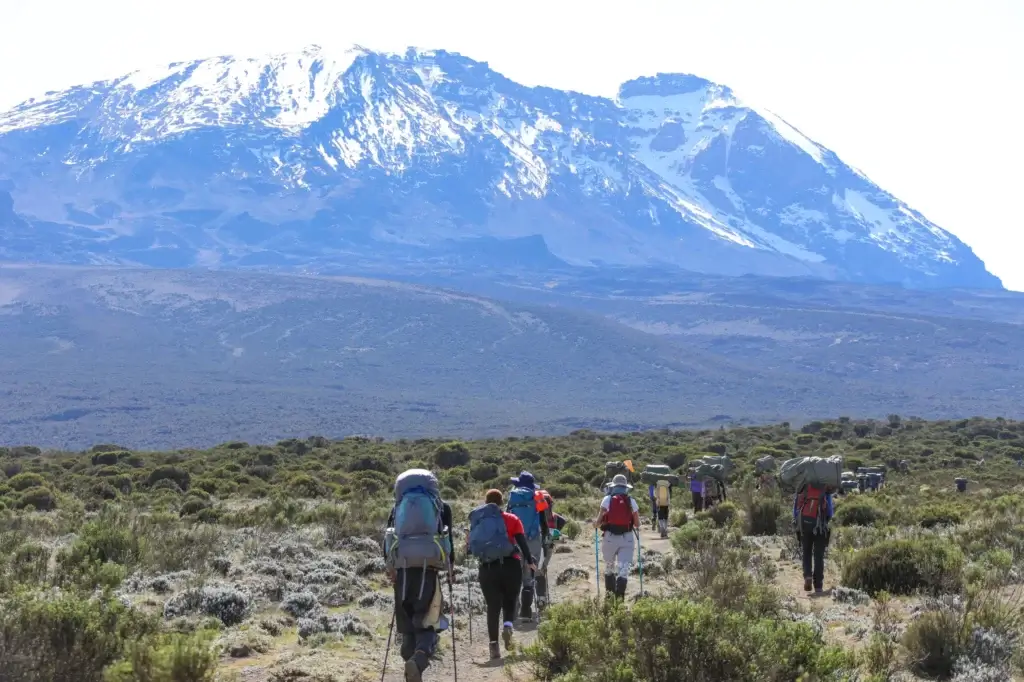
7-Day Kilimanjaro Climb, Lemosho Route

Tour Overview

The 7-day Kilimanjaro climb via the Lemosho Route is one of the most rewarding ways to reach the roof of Africa in 2026. Known as the “Scenic Route” for its unmatched landscapes, excellent acclimatization profile, and remote, uncrowded trails, the Lemosho is widely regarded as Kilimanjaro’s most rewarding route — combining dramatic wilderness, a well-paced ascent, and an unforgettable summit experience that draws climbers who want the very best the mountain has to offer.

Exceptional Travel Expert maintains a 90% summit success rate on this route, thanks to WFR-certified guides, strict acclimatization protocols, and a team that has guided hundreds of climbers safely to Uhuru Peak (5,895 m), the highest point in Africa. Our 2026 packages start from $1,910 per person for groups, with solo climber pricing available. All Kilimanjaro National Park fees, three daily meals, professional guides, porters, and full camping equipment are included — no hidden fees.

Starting at Londorossi Gate (2,100 m) on the remote western slopes of the mountain, this seven-day itinerary takes you through five distinct climate zones: dense equatorial rainforest, open moorland, barren alpine desert, the rocky crater rim, and finally the glaciated arctic summit. Each day brings an entirely different landscape, which is why the Lemosho Route is consistently rated as Kilimanjaro’s most scenic and varied climbing experience. Unlike busier routes, the first two days on the Lemosho traverse a pristine wilderness area where wildlife sightings are common and you are unlikely to encounter another climbing group.

This route is best suited to physically fit climbers with some hiking experience who want an exceptional balance of acclimatization, scenery, and pace. If you want the most generous acclimatization schedule and the highest possible summit success rate, our 8-Day Lemosho Route may be a better fit — read the section below to find out which option is right for you.


Why Choose the 7-Day Lemosho Route?

The Lemosho Route has built its reputation on one thing above all others: it gives you an outstanding chance of standing on Uhuru Peak, wrapped in scenery that no other route can match. With seven days on the mountain, the most remote and wildlife-rich starting point, and an itinerary refined over years of guiding experience, the 7-Day Lemosho delivers the complete Kilimanjaro experience at a pace that is purposeful and deeply rewarding.

Here is exactly what sets this route — and this climb — apart.

1. Five Climate Zones in Seven Days — With Time to Truly Experience Each One

No other activity on earth takes you from tropical rainforest to arctic glacier on foot. The Lemosho Route passes through every one of Kilimanjaro’s five ecological zones, and the generous seven-day schedule means you experience each one fully rather than rushing through in a blur.

On Day 1 and Day 2, you move through dense montane rainforest and open heathland on the remote western slopes — a wilderness area shared with buffalo, elephant, and colobus monkeys, and almost entirely free of other climbing groups. By Day 3 the trees give way to giant lobelia and groundsel plants on the moorland plateau. Day 4 takes you up to Lava Tower in the stark alpine desert, where the landscape is all rock, sky, and silence. And on summit night, you enter the glaciated arctic zone — ice fields glowing blue in your headlamp, the temperature well below zero, and Uhuru Peak waiting above you.

This is not just a mountain climb. It is a journey through five completely different worlds, at a pace that lets you absorb every one of them.

2. The Barranco Wall — Kilimanjaro’s Most Exciting Hour

On Day 4, the Lemosho Route presents its most dramatic challenge: the Barranco Wall. This 257-metre rock face rises steeply above Barranco Camp and stops most first-time visitors in their tracks when they see it at breakfast. It looks, frankly, terrifying.

It is not. It is one of the highlights of the entire climb.

The Barranco Wall is not a technical climb — no ropes, no harnesses, and no special equipment required. It is a hands-and-feet scramble up well-worn rock ledges, with your guide leading every move and the route clearly defined. The key is taking it slowly, trusting your footing, and not looking down more than necessary. Most climbers reach the top in under two hours and immediately describe it as a defining moment of the whole experience. Arriving on the Lemosho Route means you reach the Barranco Wall better rested and better acclimatised than climbers coming from shorter routes, which makes a real difference in how much you enjoy it.

3. A Strong Acclimatization Profile

One of the most important factors in summit success on Kilimanjaro is how well your itinerary is designed for acclimatization — and the 7-Day Lemosho Route handles this better than most options on the mountain. This is one of the primary reasons our guides achieve a 90% summit success rate on this itinerary — well above the overall Kilimanjaro average of around 65%.

On Day 4, your guide takes you up to Lava Tower at 4,600 m for lunch, before descending to Barranco Camp at 3,900 m for the night. This deliberate climb-and-descend pattern triggers your body to begin producing more red blood cells and adapting to the reduced oxygen at altitude. By the time you reach Barafu Camp on Day 5 and begin your summit push on Day 6, your body has had meaningful high-altitude exposure across multiple days.

This is the same “climb high, sleep low” principle used by professional mountaineers on 8,000-metre peaks, applied systematically across seven days. You can learn more about how altitude affects your body and how to prepare in our Kilimanjaro Altitude Sickness guide.

4. Remote, Uncrowded Trails Through True Wilderness

The Lemosho Route begins at Londorossi Gate on the western side of the mountain — far from the busy southern trailheads used by the Machame and Marangu routes. The first two days traverse a designated wilderness area that sees a fraction of the foot traffic of other routes, giving the early part of your climb the feel of a genuine African wilderness expedition.

Wildlife encounters in this section are not unusual. Buffalo, elephant, and black-and-white colobus monkeys are regularly seen in the rainforest zone. By the time the Lemosho merges with the Machame Route on Day 3 at Shira 2 Camp, you have already had two days of exceptional scenery and solitude that no other route can match. For a full comparison of all the options, see our Kilimanjaro Routes Comparison Guide.

5. Your Safety Is Our First Priority

Every climber on our 7-Day Lemosho Route is accompanied by a team built specifically around your safety and success on the mountain.

Your lead guide holds a Wilderness First Response (WFR) certification — the international standard for remote wilderness medical response — and is trained specifically in altitude physiology, meaning they can identify the early signs of Acute Mountain Sickness (AMS), High Altitude Pulmonary Edema (HAPE), and High Altitude Cerebral Edema (HACE) before they become emergencies. Your assistant guide supports the lead and ensures no climber is ever alone on the trail.

We carry supplemental oxygen and a Portable Altitude Chamber (PAC) on every single climb. A PAC simulates a descent of 1,500–2,000 metres when a climber is placed inside it. It is a genuine life-saving piece of equipment, and not every operator on Kilimanjaro carries one. We do, on every climb, without exception.

In the event of a serious medical emergency, your package includes Flying Doctors emergency evacuation coverage — one of the most respected air rescue services in East Africa, with helicopters and medical staff on standby.

All of our porters are registered with the Kilimanjaro Porters Assistance Project (KPAP), paid fair wages that meet or exceed industry standards, and provided with proper clothing and equipment for the mountain conditions. We believe strongly that how an operator treats its crew is the clearest indicator of the standards you can expect for yourself.

6. 7 Days vs 8 Days — Our Honest Recommendation

We offer both the 7-Day and 8-Day Lemosho Route, and we are asked every week which one to choose. Here is our genuine, unbiased answer.

The 8-day itinerary adds one extra night at Karanga Camp (4,035 m) between Barranco and Barafu. That single additional night gives your body approximately 18 more hours to adapt to altitude before the summit push, and it makes a measurable difference — our success rate rises from ~90% on the 7-day to ~95% on the 8-day. If your schedule and budget allow, the 8-day is the better choice for most climbers, especially those with no prior experience above 3,500 metres.

The 7-day itinerary is the right choice if you are physically fit, train regularly, have some experience hiking at altitude, and want a well-paced climb that still delivers everything the Lemosho has to offer. It is a complete, genuine Kilimanjaro experience — not a shortened or compromised version.

To help you decide, here is a simple comparison:

7-Day Lemosho8-Day Lemosho
Duration7 days / 6 nights8 days / 7 nights
Extra acclimatization nightNoYes — Karanga Camp
Summit success rate~90%~95%
Best forFit, experienced hikersMost climbers, especially first-timers
Price from$2,510 PP$2,763 PP
PaceModerateRelaxed and thorough

Still not sure? Message us on WhatsApp with your fitness background and any previous altitude experience, and we will give you a straight, honest recommendation. We would rather put you on the right itinerary than sell you the wrong one.

7. Everything Is Taken Care Of — From Airport to Summit

From the moment you land at Kilimanjaro International Airport to the moment you receive your climbing certificate at Mweka Gate, every logistical detail is handled by our team. You can review what to bring with our Kilimanjaro Packing List, check the best time to climb, or explore group climb options if you’d like to join an existing departure.

Physical Difficulty & Fitness Requirements
Overall difficultyModerate-Challenging — rated 3.5/5
Daily hiking5–12 km, 5–8 hours per day
Summit night~14 hours, midnight start, steep scree
AltitudeMaximum 5,895 m (Uhuru Peak)
Fitness level neededGood — regular cardio recommended for 8–12 weeks before
Prior altitude experienceHelpful but not required
Minimum age10 years
Success rate (our climbers)~90% on the 7-day

Training tip: In the 8–12 weeks before your climb, focus on hiking with a loaded backpack (10–15 kg), stair climbing, and aerobic cardio 3–4 times per week. Our Kilimanjaro Training Guide has a full week-by-week plan. For a full breakdown of what the climb costs and what’s included, see our Kilimanjaro Climb Cost page.

7-Day Kilimanjaro Climbing, Lemosho Route Itinerary

Day 1: Arrival Day (Moshi)

Arrive at Kilimanjaro International Airport (JRO) where our team will meet you and transfer you directly to The Maridadi Hotel in Moshi. The rest of the day is yours to relax, explore Moshi town, and prepare your gear for the climb ahead. One of our experienced guides will visit you at the hotel for a pre-climb briefing, a kit check, and to answer any last-minute questions. Overnight at The Maridadi Hotel, Moshi.
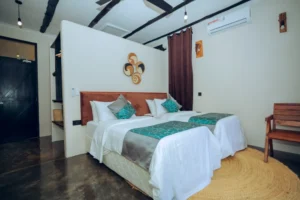
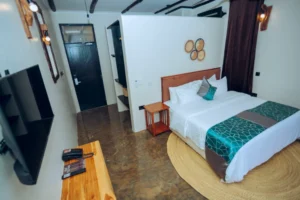
The Maridadi Hotel, Mosh
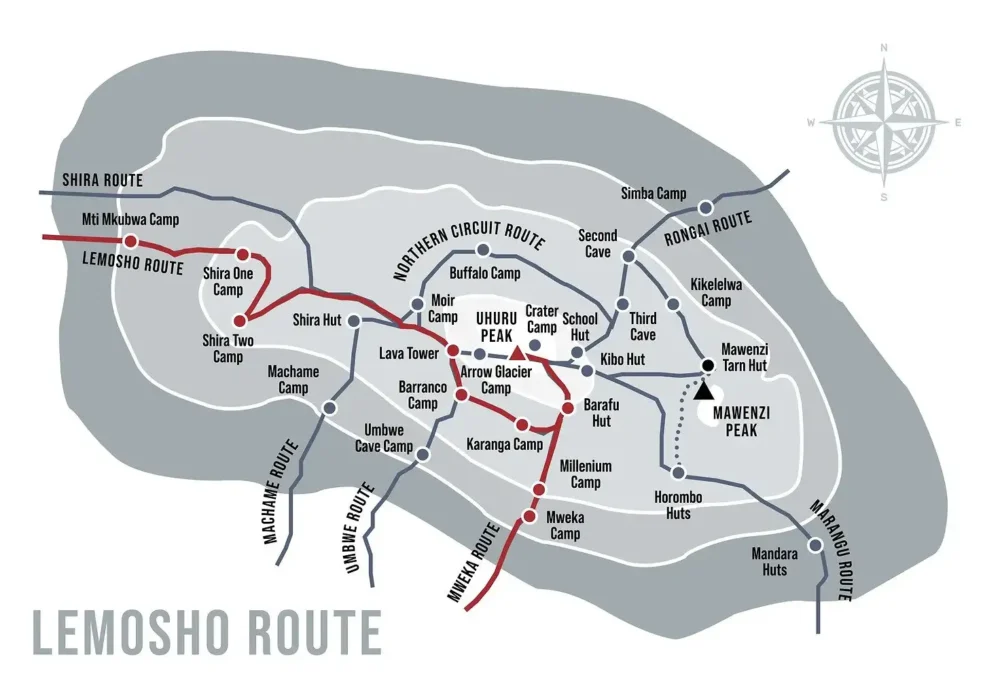
Day 1: Moshi to Lemosho Gate (2,300m) to Mti Mkubwa (2,750m)

Hiking Distance: ~7 km (Approximately)

Hiking Time: 3–4 hours

Climate: Rainforest

Meals: Lunch & Dinner

Accommodation: Tent at Mti Mkubwa Camp

Your day begins with a morning briefing at the hotel, where you’ll meet your guide and mountain crew. After final checks and questions, you’ll drive through rural Tanzania to Londorossi Gate for registration and permits.

From there, an off-road drive takes you to the trailhead. The hike to Mti Mkubwa Camp is gentle and passes through lush rainforest, perfect for easing into the climb and starting the acclimatization process.

At camp, your tent will be ready and a warm meal prepared. This is your first night at altitude, so drink plenty of water, rest well, and let your guide know if you feel unwell. Acclimatization starts here, go slow and listen to your body.

Day 2: Mti Mkubwa Camp to Shira 2 Camp (3,850m)

Distance Covered: ~14 km

Hiking Time: 7–8 hours

Accommodation: Shira 2 Camp

Meals: Breakfast, Lunch, Dinner

Forest to Moorland

After breakfast, you’ll leave the forest and begin hiking into a new landscape called the moorland zone. The trail slowly climbs higher, and you’ll start to see wide open views and fewer trees.

You’ll pass by Shira 1 Camp without stopping, and continue across the Shira Plateau—a large, open area with beautiful scenery. The hike is long and steady, but the changing views and fresh air make it enjoyable. By the time you reach Shira 2 Camp, your tent will be ready and a warm meal will be waiting. This camp is higher up, so it’s a good place to rest and help your body adjust to the altitude.

Day 3: Shira 2 Camp (3,850m) to Lava Tower (4,600m) to Barranco Camp (3,976m)

Distance Covered: ~10 km

Hiking Time: 6–8 hours

Climate: Moorland to Alpine Desert

Meals: Breakfast, Lunch & Dinner

Accommodation: Tent at Barranco Camp

This is a key acclimatization day. You’ll climb slowly to Lava Tower, a dramatic rock formation at 4,600 meters. The air is noticeably thinner, and you may feel the effects of altitude. After lunch near the tower, you’ll descend to Barranco Camp, which sits in a sheltered valley beneath the towering Barranco Wall. The descent helps your body adjust, and the camp is one of the most scenic on the route. You’ll be surrounded by cliffs, strange vegetation, and the distant sound of glaciers cracking. It’s a long day, but incredibly important for your summit success.

 
Day 4: Barranco Camp (3,960m) to Karanga Camp (3,995m), with Acclimatization Hike Toward Barafu Camp (4,335m)

Distance: 5 km (3.1 miles

Hiking Time: 4–5 hours

Accommodation: Karanga Camp

Meals: Breakfast, Lunch, Dinner

Acclimatization Hike: 2.5 km (1.5 miles), 1–2 hours, +300m gain

Barranco Wall Climb & Karanga Valley Trek

You’ll start the day early with a delicious breakfast before climbing the Barranco Wall. Leaving camp early helps avoid the morning crowd from other groups. The climb looks dramatic but is actually quite easy, it takes about an hour and offers great views of the Kibo volcano, perfect for photos.

After a short rest, you’ll continue toward Karanga Camp. This part of the trail includes several ups and downs, but our guides will help set a comfortable pace for everyone. Once you arrive, a warm lunch will be waiting for you.

Later in the afternoon, you’ll do a short acclimatization hike toward Barafu Camp, gaining about 300 meters in altitude before returning to Karanga. This gentle hike helps your body adjust and improves your chances of reaching the summit safely.

Day 5: Karanga Camp (3,995m) to Barafu Camp (4,673m)

Distance: 6 km (3.7 miles)

Hiking Time: 4–5 hours Accommodation: Barafu Camp

Meals: Breakfast, Lunch, Dinner

Final Base Camp Before the Summit

After a warm breakfast, you’ll begin your hike to Barafu Camp, your final base before the summit. This is where you’ll rest and prepare for the night climb to Uhuru Peak (5,895m), the highest point in Africa.

Our team will arrive ahead of you to set up camp, so your tent and sleeping bag will be ready when you get there. Once you arrive, you can relax, eat, and get some sleep. It’s important to rest well before the summit push later that night.

Day 6: Night Ascent to Uhuru Peak (5,895m), Then Descent to Millennium Camp (3,820m)

Distance Covered: 15 km (9.3 miles)

Hiking Time: 8–12 hours

Accommodation: Millennium Camp

Meals: Light snacks before summit, Breakfast, Lunch, Dinner

Summit Night & Descent

You’ll leave Barafu Camp at night to begin your final climb to Uhuru Peak—the highest point in Africa at 5,895 meters. The trail itself isn’t technical, but the high altitude makes every step feel harder. To keep you safe and supported, each pair of climbers will be guided by a personal summit guide who will monitor your energy and well-being throughout the ascent.

After reaching the summit and celebrating your achievement, you may choose to visit the nearby glacier before heading back down to Barafu Camp. There, you’ll rest for about two hours before continuing your descent to Millennium Camp.

Day 7: Millennium Camp (3,820m) to Mweka Gate (1,640m) to Mweka Gate (1630m) to The Maridadi Hotel in Moshi

Distance Covered: ~10 km (estimated)

Hiking Time: 4–5 hours

Accommodation: Hotel (after descent)

Meals: Breakfast

 Final Descent & Celebration

Millennium Camp sits in a lush tropical rainforest. After a good night’s sleep and a warm breakfast, you’ll begin your final descent to Mweka Gate, the official exit of Kilimanjaro National Park.

Once you arrive, the whole group will gather to celebrate your achievement. You’ll have a chance to share your thoughts in the guestbook, receive your summit certificate, and take photos with your team. 

After your descent and transfer from Mweka Gate, you will be driven back to The Maridadi Hotel in Moshi. Tonight is yours to celebrate your achievement — enjoy a hot shower, a well-earned meal, and a comfortable bed after six days on the mountain. Our team will assist with any onward arrangements.
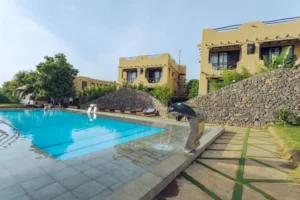
The maridadi hotel
The Maridadi Hotel, Moshi
Day 8: Departure Day

After breakfast at The Maridadi Hotel, our team will transfer you to Kilimanjaro International Airport (JRO) for your onward flight. We hope the memories of standing on Uhuru Peak at 5,895 m stay with you for a lifetime. Safe travels and thank you for climbing with Exceptional Travel Expert.

Not ready to go home yet? Tanzania has so much more to offer. Extend your trip with a Tanzania safari through the Serengeti and Ngorongoro Crater, witness the Great Wildebeest Migration, relax on the white sand beaches of Zanzibar, or combine it all with one of our Tanzania Safari and Zanzibar beach holiday packages. Many of our climbers choose to reward themselves with a safari immediately after their summit — and we think that is a very good idea. Browse all our tours and packages or chat with us on WhatsApp to design your perfect post-climb Tanzania adventure.
7 Day Kilimanjaro Climb Lemosho Route – Cost Per Person (USD)
1 Pax2 Pax3 Pax4 Pax5 PaxNumber of People
$3,690$2,510$2,460$2,100$1,902Price Per Person
Trip Essentials
Here are some important things to know and prepare before your climb. These tips will help you stay safe, respectful, and ready climb Mount Kilimanjaro with a full confidence.
Recommended Gear to RentSleeping bag (rated for -10°C), trekking poles, waterproof duffel, gaiters, headlamp
Health & Altitude TipsAcclimatize slowly, drink 3–4L water daily, carry Diamox if needed, avoid alcohol
Visa & Entry InfoTourist visa required for most nationalities; available online or on arrival at airport
Local EtiquetteGreet with “Jambo,” dress modestly in towns, tipping guides/porters is customary
Photo TipsCapture sunrise at Stella Point, wide shots at Shira Plateau, and summit flags at Uhuru Peak
Climbing Gear Add-ons
If you're interested in gear add-ons, please let us know in advance so we can prepare everything before your climb.
Add-onPrice (USD)
Private Toilet$150
Private Tent$7/day
Kailas X3 III Alpine Tent with Vestibule$12/day
Thicker Sleeping Mattress (4-inch foam)$10
Thermosets$17
Transportation & Tipping Guidelines
We offer airport pickup and drop-off services from Kilimanjaro International Airport (JRO) or Arusha Airport. Please confirm your flight details in advance so we can coordinate your arrival and departure smoothly.
Airport PickupAvailable on request
Transfers to/from HotelIncluded in most packages
Private Vehicle UpgradesAvailable for an extra charge
Tipping is customary and greatly appreciated by the crew. Below are suggested amounts based on group size and duration.
Lead Guide$20–25 per day
Assistant Guide$15–20 per day
Cook$10–15 per day
Porter$8–10 per day
Tips are usually collected and distributed at the end of the trek. You can give them in cash (USD or Tanzanian Shillings) or through a group representative.

Inclusions

What's Included in The Price

What's Not Included in The Price

7-Day Kilimanjaro Climb, Lemosho Route

Group size: 1–12 climbers


$2,510 (USD) Per Person

Includes 1 night pre-climb and 1 night post-climb hotel accommodation at The Maridadi Hotel, Moshi.

What's included in this price Request a Free Quote

Private or group departures available

Lemosho Route Kilimanjaro
7 Day Kilimanjaro Climb Lemosho Route Map – Trail, Camps & Elevation Profile

Why Climb With Us

Exceptional Travel Expert

5.0 Rating on TripAdvisor48+ verified reviews from real climbers
85–90% Summit Success RateOn the 6-day Machame route
WFR-Certified GuidesTrained in Wilderness First Response & altitude physiology
Local Tanzanian OperatorBased in Arusha — not a foreign reseller
Multilingual GuidesEnglish, Swahili, German, French, Spanish
Flying Doctors CoverageEmergency evacuation included in every package
No Hidden FeesPrice shown = price paid. Park fees & all meals included
24/7 SupportReal person, WhatsApp response within 2 hours
Flexible BookingSmall deposit to confirm, balance due closer to departure
Essential Trek Information
Duration7 Days / 6 Nights
Distance~70 km (43 miles)
Daily Hiking6–8 hrs/day (longer on summit day)
Elevation2,100 m – 5,895 m (Uhuru Peak)
Climate ZonesRainforest → Arctic
Difficulty⬛⬛⬛⬛⬜ Challenging
Summit Success RateHigh — ~90% (our climbers)
Minimum Age8–10 years
Extra Trip Information
Best SeasonJan–Mar & Jun–Oct
AccommodationCamping in tents
MealsBreakfast, lunch & dinner
Guide & CrewProfessional guides, cooks & porters
Start PointLemosho Gate (2,100 m)
End PointMweka Gate (1,640 m)
Airport TransferIncluded
IncludesPark fees, tents, meals, guides
ExcludesFlights, visas, tips, gear

What Our Climbers Say

We typically reply within 2 hours

Request a Free Quote

Kilimanjaro booking form

Ready to Climb Kilimanjaro in 2026?

Speak to our Kilimanjaro climbing specialist and start planning your 6-day Machame Route adventure today. We respond within 2 hours.

Other Kilimanjaro Routes to Consider in 2026/2027

Looking for a different routes to climb Kilimanjaro? There are several routes to choose from. Each one offers its own views, pace, and experience. Some are quieter, some give more time to adjust to the altitude, and some are quicker to the summit. You can pick the route that fits your style best. Here are a few other popular options that many guests enjoy.

Trekkers ascending through dense rainforest near Umbwe Gate on Day 4 of the climb
from $1,448 to $2,044 Per Person

6-Day Kilimanjaro Climb – Umbwe Route
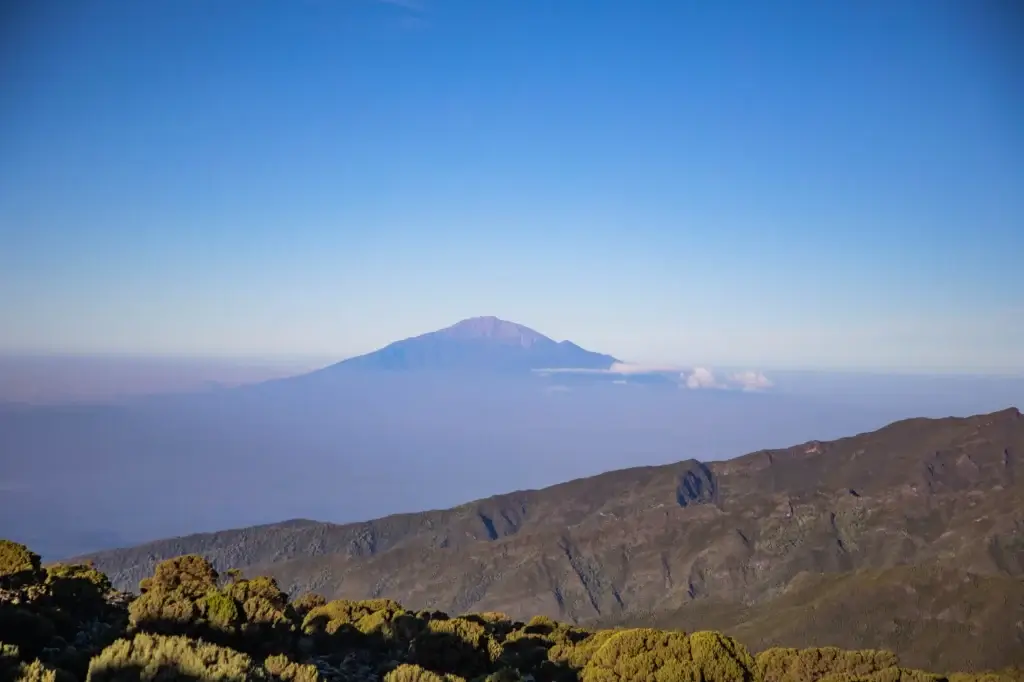
Route: Umbwe Route • 6 days
View Package Details
Golden sunset over Kikelewa Camp with mountain silhouettes in the background
from $1,448 to $2,043 Per Person

6-Day Kilimanjaro Climb – Rongai Route
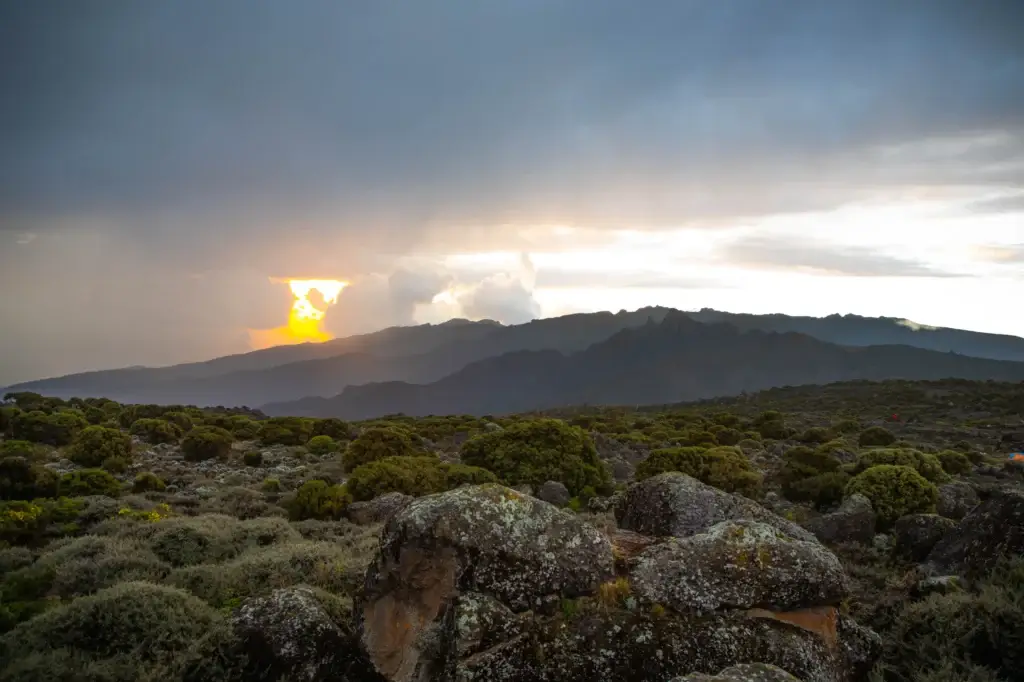
Route: Rongai Route • 6 days
View Package Details
rekkers climbing toward Mawenzi Tarn with Mawenzi Peak in view
from $1,671 to $2,305 Per Person

7-Day Kilimanjaro Climb – Rongai Route
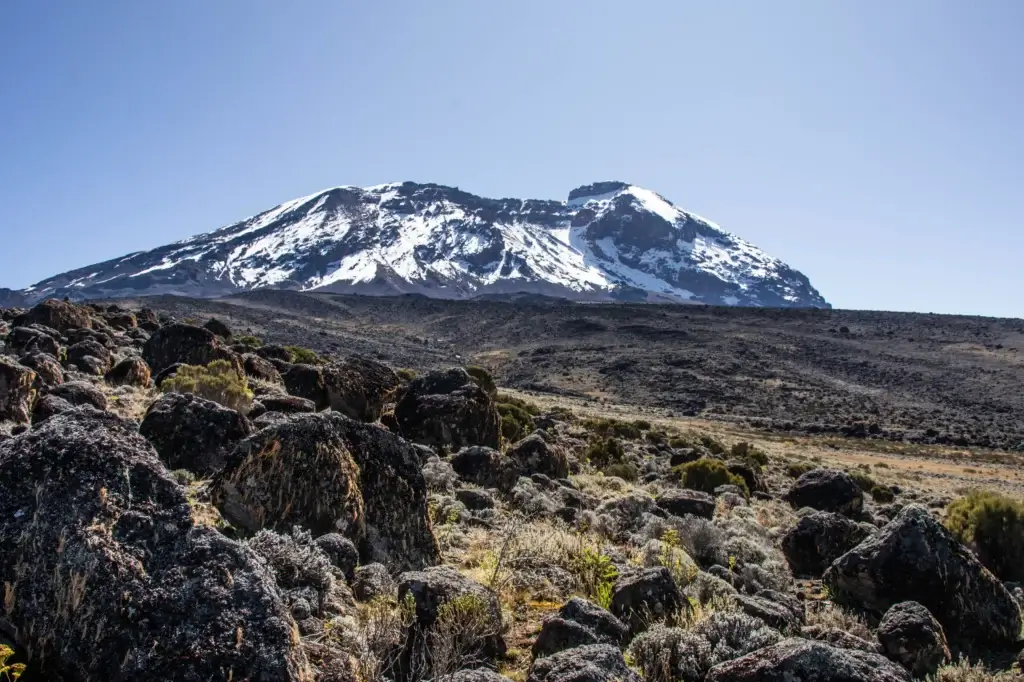
Route: Rongai Route • 7 days
View Package Details
Climbers trekking toward Kibo Hut on 5--Day Kilimanjaro Climb Marangu Route
from $1,220 to $1,592 Per Person

5-Day Kilimanjaro Climb – Marangu Route
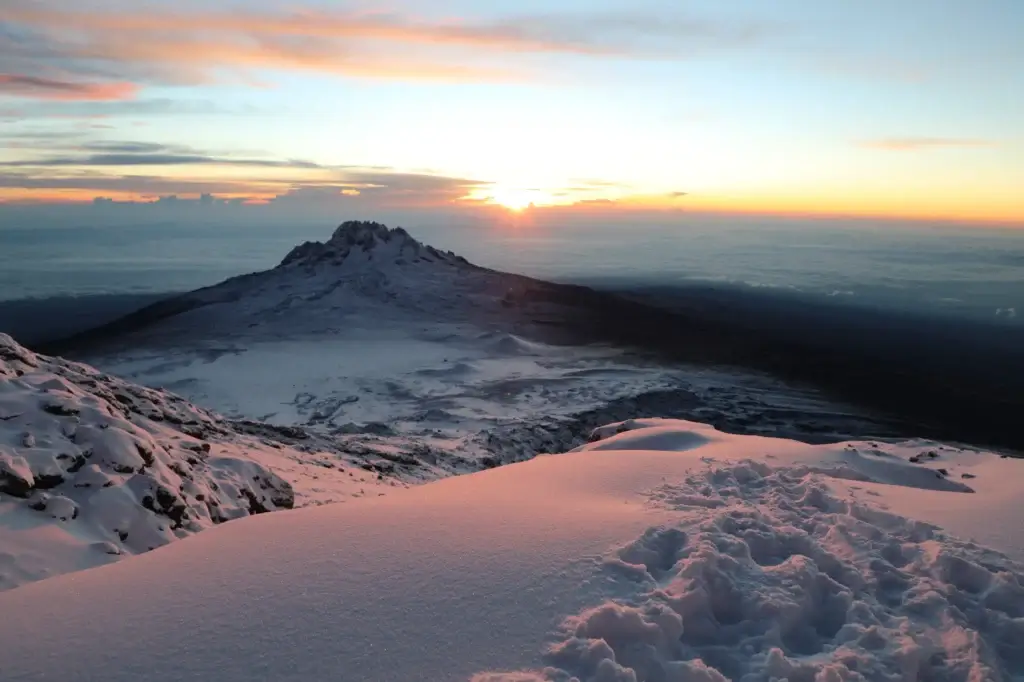
Route: Marangu Route (Coca-Cola Route) • 5 days
View Package Details
Clear view of Mawenzi Peak from the Marangu Route near Horombo Camp
from $1,410 to $1,836 Per Person

6-Day Kilimanjaro Climb – Marangu Route
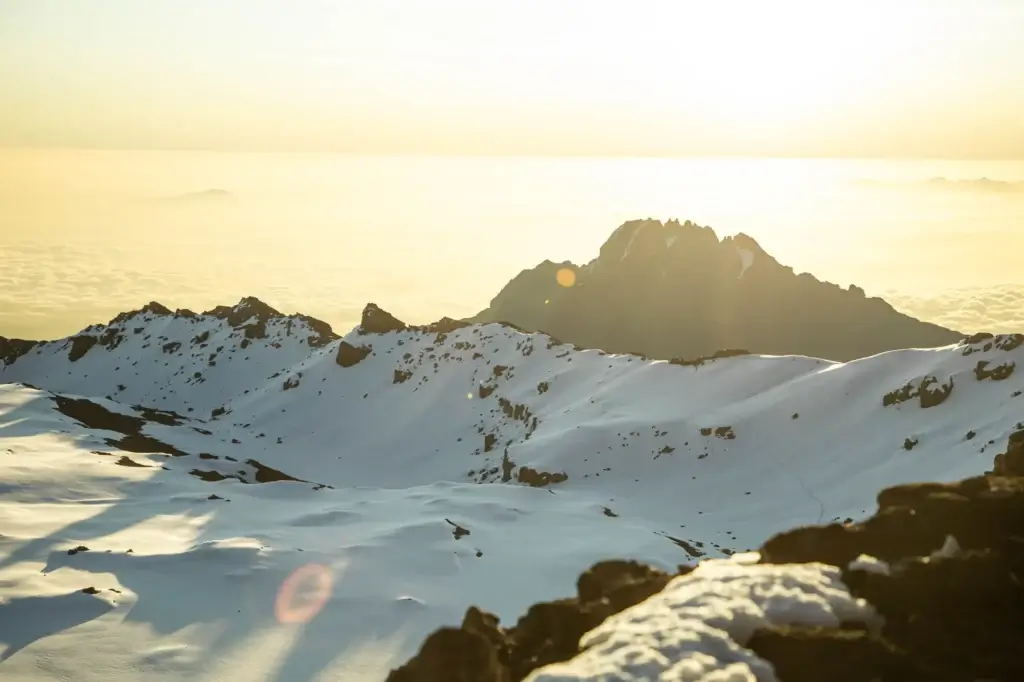
Route: Marangu Route (Coca-Cola Route) • 6 days
View Package Details
8-Day Kilimanjaro Climb, Lemosho Route. Sunrise at Stella Point
from $1,890 to $2,620 Per Person

8-Day Kilimanjaro Climb – Lemosho Route

Route: Lemosho Route • 8 days
View Package Details

Ready to Climb Kilimanjaro in 2026/2027? Speak to our Kilimanjaro climbing specialist today and start planning your 7-day Lemosho Route climb. Whether you are traveling solo, as a couple, or in a group, we will build the perfect itinerary around your dates, fitness level, and budget.

Send your inquiry now, and our team will reach out within 2 hours. Let’s get you to Uhuru Peak.

Maro Tanzania Safari Specialist
Maro | Kilimanjaro Climbing Specialist

FAQs

7-Day Kilimanjaro Lemosho Route — Frequently Asked Questions

FAQ: GET ANSWERS

The 7-day Lemosho Route is widely regarded as the premier Kilimanjaro itinerary because it offers the highest summit success rate of any route — typically above 90%. The extra acclimatization days allow your body to adjust to altitude gradually, dramatically reducing the risk of acute mountain sickness (AMS). The route also traverses the remote Shira Plateau, passing through all five of Kilimanjaro’s ecological zones and offering stunning panoramic views on the southern circuit. Compared to shorter routes like Marangu or Rongai, the 8-day Lemosho gives climbers far more time to rest, recover, and summit with energy to spare.

The 7-day Lemosho Route is rated moderate to challenging. It does not require technical climbing skills or prior mountaineering experience — no ropes, crampons, or ice axes are needed on this itinerary. However, the sheer altitude (5,895 m / 19,341 ft at Uhuru Peak) makes it a serious physical undertaking. Daily trekking distances range from 6 to 16 km, and summit night involves a 6–8 hour ascent gaining over 1,100 m. Good cardiovascular fitness, mental resilience, and solid hiking experience on multi-day trails are strong advantages. The 8-day format reduces difficulty compared to shorter variants by allowing extra rest days.

Day 1: Arrive at Londorossi Gate (2,100 m) and trek to Mti Mkubwa Camp (2,650 m) through the rainforest. Day 2: Trek to Shira 1 Camp (3,500 m) across open moorland. Day 3: Acclimatization hike to Shira Cathedral (3,872 m), sleep at Shira 2 Camp (3,840 m). Day 4: Trek to Lava Tower (4,642 m) for acclimatization, then descend to Barranco Camp (3,950 m). Day 5: Climb the Barranco Wall and proceed to Karanga Camp (4,035 m). Day 6: Trek to Barafu Base Camp (4,673 m) and rest. Day 7: Midnight summit attempt to Uhuru Peak (5,895 m), then descend to Mweka Camp (3,100 m). Day 8: Descend to Mweka Gate and transfer to Moshi.

The total cost for an 7-day Lemosho Route trek ranges from approximately $2,500 to $5,500 USD per person depending on the operator, group size, and level of service. This typically includes park and conservation fees (which alone account for $900–$1,000 USD and are paid to TANAPA), crew wages, camping equipment, meals on the mountain, and transfers. Budget operators may charge $2,500–$3,200, while mid-range operators fall between $3,200–$4,200, and luxury/premium operators charge $4,200–$5,500+. Tips for your climbing crew (guides, porters, cooks) are not included and are customary — budget an additional $250–$350 USD.

The best times to climb Kilimanjaro via the Lemosho Route are during the two dry seasons: January–March and June–October. The long dry season (June–October) is the most popular window — weather is stable, skies are clearest, and conditions on the mountain are driest. January–March is a slightly quieter period with cold but often clear summit conditions. Avoid the long rains (April–May) and short rains (November–December) when wet, muddy trails and cloud cover make the climb significantly harder. The Lemosho Route’s remote approach via Londorossi Gate tends to be less crowded than Machame year-round.

FAQ: GET ANSWERS

Essential gear for the 7-day Lemosho Route includes: a four-season sleeping bag rated to at least -10°C, insulated and waterproof hiking boots with good ankle support, base layers (moisture-wicking), mid-layers (fleece or down jacket), a waterproof outer shell (jacket and pants), gaiters, trekking poles, a UV-protective hat and balaclava, glacier glasses or goggles, gloves and liner gloves, a headlamp with extra batteries, a 35–40L daypack, water purification tablets or a filter, and high-SPF sunscreen. Your main bag (carried by porters) should be a 70–80L duffel with a max weight of 15 kg. Most reputable operators provide a comprehensive gear list and can advise on what to rent locally.

The 8-day Lemosho Route is specifically structured to minimize altitude sickness through a ‘climb high, sleep low’ acclimatization strategy — most famously on Day 4 when climbers ascend to Lava Tower (4,642 m) then descend to sleep at Barranco Camp (3,950 m). To further reduce risk: stay well hydrated (3–4 liters of water per day), ascend slowly (‘pole pole’ — Swahili for ‘slowly slowly’), eat carbohydrate-rich meals, avoid alcohol and sleeping pills, and inform your guide immediately if you experience headache, nausea, or dizziness. Many climbers use Diamox (acetazolamide) as a prophylactic — consult your doctor before departure. If symptoms worsen, descent is the only reliable cure.

No — independent climbing on Kilimanjaro is not permitted. Tanzania National Parks (TANAPA) regulations require all climbers to be accompanied by a licensed guide at all times. Beyond being mandatory, having an experienced guide is genuinely valuable: guides monitor for altitude sickness symptoms, navigate in poor visibility, and can make life-saving descent decisions. For the 8-day Lemosho Route, a typical team includes 1 lead guide, 1 assistant guide per 3–4 climbers, a cook, and porters (usually 2–3 per climber). Reputable operators ensure crew are KINAPA-certified, properly equipped, and paid fair wages — look for operators with KPAP (Kilimanjaro Porters Assistance Project) affiliation.

You do not need to be an elite athlete, but a solid baseline of cardiovascular fitness is essential. Ideally, begin a dedicated training program 3–6 months before your climb. Focus on: long-distance hiking (aim for 15–25 km days on hilly terrain), stair climbing or stairmaster sessions with a weighted pack, and aerobic endurance activities like running, cycling, or swimming. Practice hiking with your summit-day gear (boots, poles, daypack) to break in equipment and build confidence. Multi-day backpacking trips are the gold standard preparation. The 8-day format is more forgiving than a 6-day route, but summit night — a 10–12 hour round trip at extreme altitude — still demands real physical resilience.

All climbers on Kilimanjaro must pay Tanzania National Parks (TANAPA) fees. For the 7-day Lemosho Route, fee categories include: Conservation Fee ($70 USD/day × 7 days = $490), Rescue Fee ($20/day × 7 days = $140), Camping Fees ($50/night × 7 nights = $350), and crew entry and camping fees (added per guide, cook, and porter per day). Total park fees for a climber on the 7-day route typically amount to $900–$1,100 USD and are almost always included in your operator’s quoted price. Fees must be paid in USD, and operators handle all permitting logistics — you do not arrange these independently.

Scroll to Top